Mini Split Installation in Destrehan, LA
.webp)
Mini split installation in Destrehan, LA, with Cypress Cooling, provides efficient, zone controlled cooling without the need for ductwork. Our service covers the complete process—from the initial site assessment and permitting to indoor and outdoor unit placement, refrigerant and electrical setup, commissioning, and post installation maintenance. Cypress Cooling also addresses local challenges such as humidity, flood risk, and wind exposure, along with providing clear timelines for single and multi zone systems, outlining cost factors, and detailing warranty information. Homeowners gain a clear understanding of installation steps, code requirements, and what to expect during and after the project with Cypress Cooling.
%2520(1)-min%2520(1).jpeg)
Mini Split Installation in Destrehan, LA
Installing a mini split in your Destrehan, LA home is a smart way to add efficient, zoned cooling and heating without the expense and disruption of ductwork. With hot, humid summers and occasional severe weather, homeowners here need systems that control humidity, reduce energy use, and can be sited to avoid flood or wind damage. This page explains the complete mini-split installation process for Destrehan homes, common local issues, permitting and code considerations, realistic timelines, and post-installation care and warranty practices to help you make an informed decision.
Why mini-splits make sense in Destrehan
- Zoned comfort for homes with uneven temperatures or additions where extending ducts is impractical.
- Better humidity control than many window units or older central systems, important in our humid subtropical climate.
- High efficiency during long cooling seasons reduces utility strain and improves comfort.
- Ideal for retrofits, historic houses, and smaller rooms or additions where ductwork would be costly or impossible.
- Outdoor unit placement can account for localized flood risk by mounting on raised pads or brackets.
Common mini split types and problems in Destrehan
Types:
- Single-zone wall-mounted units for bedrooms, living rooms, or single additions.
- Multi-zone configurations when multiple indoor units connect to one outdoor condenser.
- Concealed-duct or ceiling cassette units for a more discreet installation.
Local issues:
- High humidity causing indoor coil condensation and intermittent defrost cycles; proper sizing and commissioning prevent comfort problems.
- Salt and airborne particulates in some neighborhoods causing accelerated outdoor unit corrosion; selecting corrosion-resistant coatings and raised placement helps.
- Flood-prone areas requiring elevated outdoor units or brackets to meet insurance and code expectations.
- Wind exposure during storm season; secure mounting and wind-resistant installation practices are essential.
The site assessment: first step
A comprehensive site assessment ensures proper equipment selection and placement. During assessment the technician will:
- Survey the layout and room loads to determine capacity needs and zoning strategy.
- Inspect wall construction, attic space, and potential outdoor unit locations for access, clearance, and noise considerations.
- Check electrical service capacity and route options for power and communication lines.
- Identify local constraints such as flood elevation, easement restrictions, HOA rules, and preferred entry points for line sets.
- Recommend build options: single- or multi-zone, inverter models versus fixed-speed, and line-length limitations.
Expect the assessment to include measurements and a written recommendation that aligns equipment capacity with actual cooling and heating loads, not just square footage.
Indoor and outdoor unit placement
Proper placement maximizes efficiency and lifespan.Indoor unit placement considerations:
- Position where airflow can distribute evenly without direct obstructions from furniture or curtains.
- Avoid direct sunlight and locations where condensation drip could damage finishes.
- Maintain service access for filters and controls.
Outdoor unit placement:
- Locate on a stable, level pad, wall bracket, or elevated platform above predicted flood elevation.
- Allow manufacturer-recommended clearances for airflow and service access.
- Orient to minimize noise impact to neighbors while meeting local setback rules.
- Use corrosion-resistant mounts and coatings if needed for humid or coastal influence.
Refrigerant line and electrical work
A correct line set and electrical installation are critical to performance and compliance.
- Refrigerant lines are run between indoor and outdoor units, insulated and sealed to minimize energy loss and prevent condensation.
- The installer will vacuum the lines, pressure-test for leaks, and charge refrigerant per manufacturer specifications.
- Electrical work includes a dedicated breaker, disconnects, grounding, and any required conduit. Multi-zone systems may require a line-voltage connection sized to the condenser.
- Communication wiring between indoor heads and the outdoor unit is installed and secured.
All electrical and refrigerant work should be performed by licensed technicians following EPA refrigerant handling rules and local electrical codes.
Code compliance and permits in Destrehan
Mini-split installations in Destrehan must comply with St. Charles Parish and Louisiana state requirements.
- Typical permits include mechanical and electrical permits; some projects may also require zoning review if exterior changes are visible.
- Installations must meet local wind and flood provisions. In higher-risk zones, elevating outdoor equipment and using hurricane-rated fasteners may be required.
- Equipment and installation techniques must follow state energy codes and manufacturer guidelines to ensure warranty validity.
- A licensed contractor will prepare permit applications and schedule inspections as required by the parish.
Commissioning and testing
Once installed, thorough commissioning ensures correct operation.
- System is vacuumed, charged, and leak-tested to industry standards.
- Electrical connections and voltages are verified, and the outdoor unit startup sequence is observed.
- Thermostats and controls are programmed for desired zoning and schedules; Wi Fi or smart controls are connected if included.
- Installer checks airflow, refrigerant pressures, and performs a functional check of defrost, heating, and cooling modes.
- A final walkthrough explains basic operation, filter maintenance, and what to monitor.
Proper commissioning prevents short cycling, poor humidity control, and inadequate heating or cooling.
Timelines
Typical timeframes vary by project complexity:
- Single-zone installations for a single indoor head often require 4 to 8 hours on site after permitting is approved.
- Multi-zone systems or projects involving structural work or elevated outdoor mounting can take 1 to 3 days of onsite work.
- Permit review and scheduling for inspections can add days to a few weeks depending on parish workload and the need for additional approvals.
Planning for permit lead time and potential weather delays is important in Destrehan, especially during peak storm season.
What affects cost (factors to consider)
Costs are influenced by:
- Number of zones and indoor unit styles.
- Equipment efficiency and brand.
- Complexity of line runs, wall penetrations, and required electrical upgrades.
- Need for elevated or reinforced outdoor mounting for flood or wind protection.
- Local permit fees and inspection requirements.
Discuss these factors during the assessment to get a clear picture of scope and options.
Post-installation care and warranty
Regular maintenance keeps performance optimal and preserves warranty coverage.
- Replace or clean filters every 1 to 3 months depending on use and indoor air quality.
- Have a seasonal tune-up that includes coil cleaning, refrigeration system checks, and electrical inspections.
- Keep outdoor units clear of debris, vegetation, and standing water; maintain recommended clearances.
- Retain installation and commissioning documentation; manufacturers typically require documented professional installation for full warranty coverage.
- Ask about available protective coatings or maintenance plans if your home is subject to higher corrosion risk.
Final considerations for Destrehan homes
Mini-splits offer targeted comfort and humidity control well suited to Destrehan’s climate and housing stock. Proper site assessment, attention to flood and wind exposure, code-compliant electrical and refrigerant work, and professional commissioning are the keys to long-term performance. With thoughtful placement and regular maintenance, a mini-split system can deliver efficient, quiet comfort and reliable operation tailored to the needs of homes in St. Charles Parish.
OUR CLIENTS HAVE TO SAY ABOUT US



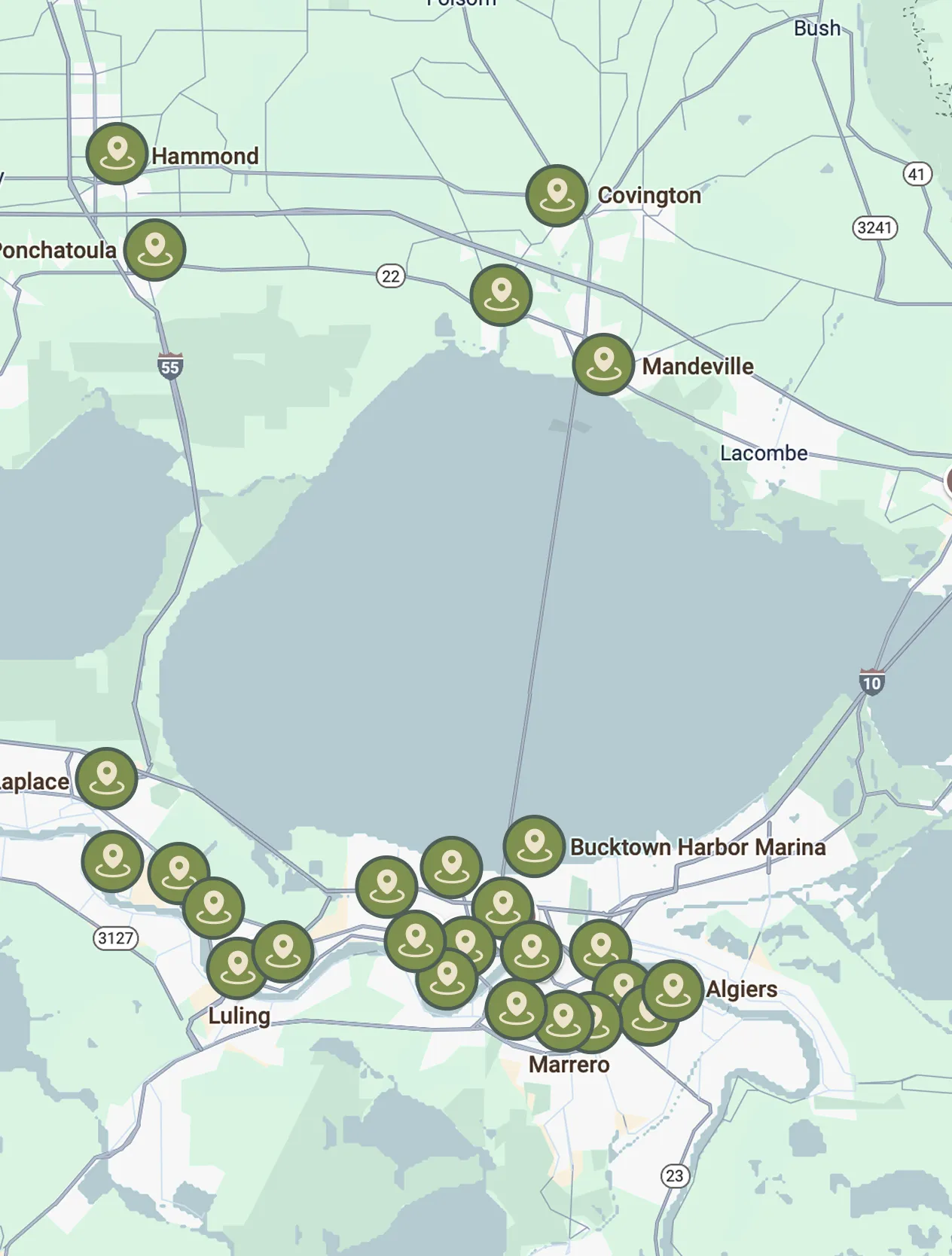
Service areas
Our service areas are designed to meet the diverse needs of our clients. We focus on providing exceptional service and ensuring customer satisfaction in every location we operate.