Mini Split Installation in Covington, LA
.webp)
Choosing a mini split for your Covington, LA home with Cypress Cooling delivers targeted comfort, lower energy use, and flexible zoning that perfectly fits both historic bungalows and newer construction. With hot, humid summers and occasional storm driven flooding concerns in St. Tammany Parish, a properly planned mini split installation by Cypress Cooling must balance performance, moisture management, and local permitting requirements. We explain the full installation process, address common local issues, and detail what to expect from the initial assessment through post install support, empowering you to make an informed decision.
%2520(1)-min%2520(1).webp)
Mini Split Installation in Covington, LA
Choosing a mini split for your Covington, LA home delivers targeted comfort, lower energy use, and flexible zoning that fits historic bungalows and newer construction alike. With hot, humid summers and occasional storm-driven flooding concerns in St. Tammany Parish, a properly planned mini split installation must balance performance, moisture management, and local permitting. This page explains the full installation process, common local issues, and what to expect from assessment through post-install support so you can make an informed decision.
Why a mini split makes sense in Covington homes
- Efficient cooling and heating for hot, humid summers and mild winters common in southeast Louisiana.
- Zoning options allow precise temperature control in rooms used most, reducing energy waste in seldom-used spaces.
- Wall-mounted or low-profile indoor units preserve the look of period homes and avoid ductwork that can be costly or impossible in retrofit projects.
- Modern mini splits offer corrosion-resistant outdoor components and elevated installation practices helpful in areas with heavy rain and occasional flooding.
Common mini split issues in Covington, LA
Understanding local pain points helps avoid problems after installation:
- Excess humidity causing longer run times and potential condensate challenges. Proper unit sizing and condensate routing are essential.
- Coastal corrosion on outdoor units if not specified with protective coatings or placed in sheltered locations.
- Improper electrical service sizing for older homes may require panel upgrades or circuit additions.
- Poorly placed indoor units creating airflow dead zones or interfering with historic aesthetics.
- Permit or code misunderstandings from local building officials, especially in protected historic neighborhoods.
Pre-install assessment and recommendations
A thorough pre-install assessment includes:
- Load calculation: Accurate Manual J or equivalent sizing to match capacity to your home and avoid undersizing in humid conditions.
- Site survey: Determine ideal indoor unit placement for comfort and unobstructed airflow, and outdoor condenser location for airflow, service access, and flood elevation.
- Electrical review: Confirm available panel capacity, need for a dedicated circuit, disconnect location, and whether a service upgrade or GFCI protection is required.
- Condensate plan: Identify the best route for condensate drainage that avoids freeze or clog risks and complies with local codes.
- Aesthetic and zoning plan: Recommend styles and placement to preserve interior aesthetics and create zones that match how your home is used.
Indoor and outdoor unit placement
Proper placement impacts performance and longevity:
- Indoor units: Typically mounted high on an interior wall, away from direct sunlight, heavy kitchens, and doorways to maximize even air distribution. For historic or finished spaces, low-profile or recessed options minimize visual impact.
- Outdoor unit: Positioned on a solid pad or anti-vibration brackets, elevated above potential flood levels when necessary. Consider sheltered locations to reduce exposure to driving rain and debris while maintaining 12 to 24 inches of clearance for airflow and service.
- Accessibility: Leave sufficient space for service access, coil cleaning, and future repairs.
Refrigerant line and condensate drain routing
Routing is done to protect function and appearance:
- Refrigerant lines are routed in insulated conduit, minimizing exposed copper runs and preserving wall finishes. Line lengths and elevation changes are planned to meet manufacturer limits.
- Condensate drains are sloped and routed to a legally acceptable discharge point or to a condensate pump if gravity drainage is not possible. Drain lines are insulated where needed to prevent sweating and protected from clogging with traps and cleanouts.
Electrical requirements and permit coordination
Compliance and safety are prioritized:
- Most systems require a dedicated circuit sized to the outdoor unit and local electrical code. An outdoor disconnect near the condenser is typically required.
- Older Covington homes may need a service panel upgrade to safely accommodate a new mini split. This is identified during the assessment.
- Permit coordination: Installations are coordinated with the City of Covington or St. Tammany Parish permitting offices as required. Documentation and inspections are managed to ensure the installation meets local code.
Step-by-step installation and commissioning
Typical installation flow:
- Finalize placement and obtain permits if required.
- Mount indoor units and outdoor condenser, set up pad or brackets, and secure units per local wind and storm considerations.
- Run refrigerant lines, electrical conduit, and condensate piping through minimal openings and seal penetrations for weather protection.
- Evacuate and charge the system to manufacturer specifications, test for leaks, and verify correct refrigerant charge.
- Commission controls, verify airflow, measure temperatures, and confirm proper defrost and heating performance where applicable.
- Provide hands-on user training on thermostat or remote controls, scheduling, eco modes, and basic maintenance tasks.
System testing and user training
Thorough testing and homeowner training reduce future issues:
- Performance checks include static pressure, supply and return temperature differentials, and electrical draw verification.
- Training covers filter access and replacement, mode selection, zoning adjustments, and what to watch for in high humidity conditions. A commissioning report documents settings, refrigerant charge, and serial numbers for warranty records.
Aesthetic considerations and zoning options
Design choices for comfort and appearance:
- Single-zone systems for focused rooms or multi-zone setups to control multiple rooms from one outdoor unit.
- Concealed duct or ceiling cassette options are available where wall space or sightlines are sensitive.
- Paint-matching or low-profile covers and strategic placement preserve architectural integrity in historic Covington homes.
Post-install support and warranty coverage
What to expect after installation:
- Manufacturer warranties typically cover compressor and parts for defined periods; labor warranties vary by installer and are outlined in your installation documentation.
- Post-install support includes seasonal checkups, performance verification visits, and guidance on preventive maintenance such as filter changes and coil cleaning.
- Emergency repair protocols and routine maintenance plans help maintain efficiency and prolong system life, particularly in humid climates where coils can accumulate grime faster.
Scheduling, timelines, and financing
Practical expectations:
- Initial assessment often takes 1 to 2 hours. Single-zone installations can be completed in a day, while multi-zone systems commonly require one to two days. Permitting and supply lead times can extend the overall schedule.
- Financing and payment options are commonly available through third-party lenders or installer programs, with terms varying by provider. Discuss options during the planning phase to align installation timing and budget.
Maintenance tips for Covington, LA homes
Simple routines protect performance:
- Replace or clean filters every 1 to 3 months depending on use and indoor air quality.
- Schedule annual professional tune-ups before peak summer to check refrigerant, electrical connections, and condensate drainage.
- Keep outdoor units clear of foliage, debris, and standing water, and consider elevated mounts in areas prone to localized flooding.
- Consider corrosion-resistant outdoor models or protective coatings if your property is exposed to frequent heavy rain or salt air.
A properly planned and executed mini split installation in Covington, LA balances efficiency, moisture control, code compliance, and the visual character of your home. Knowing the detailed steps from assessment to post-install support reduces surprises and helps ensure a reliable, comfortable system that suits local climate demands.
OUR CLIENTS HAVE TO SAY ABOUT US



Service areas
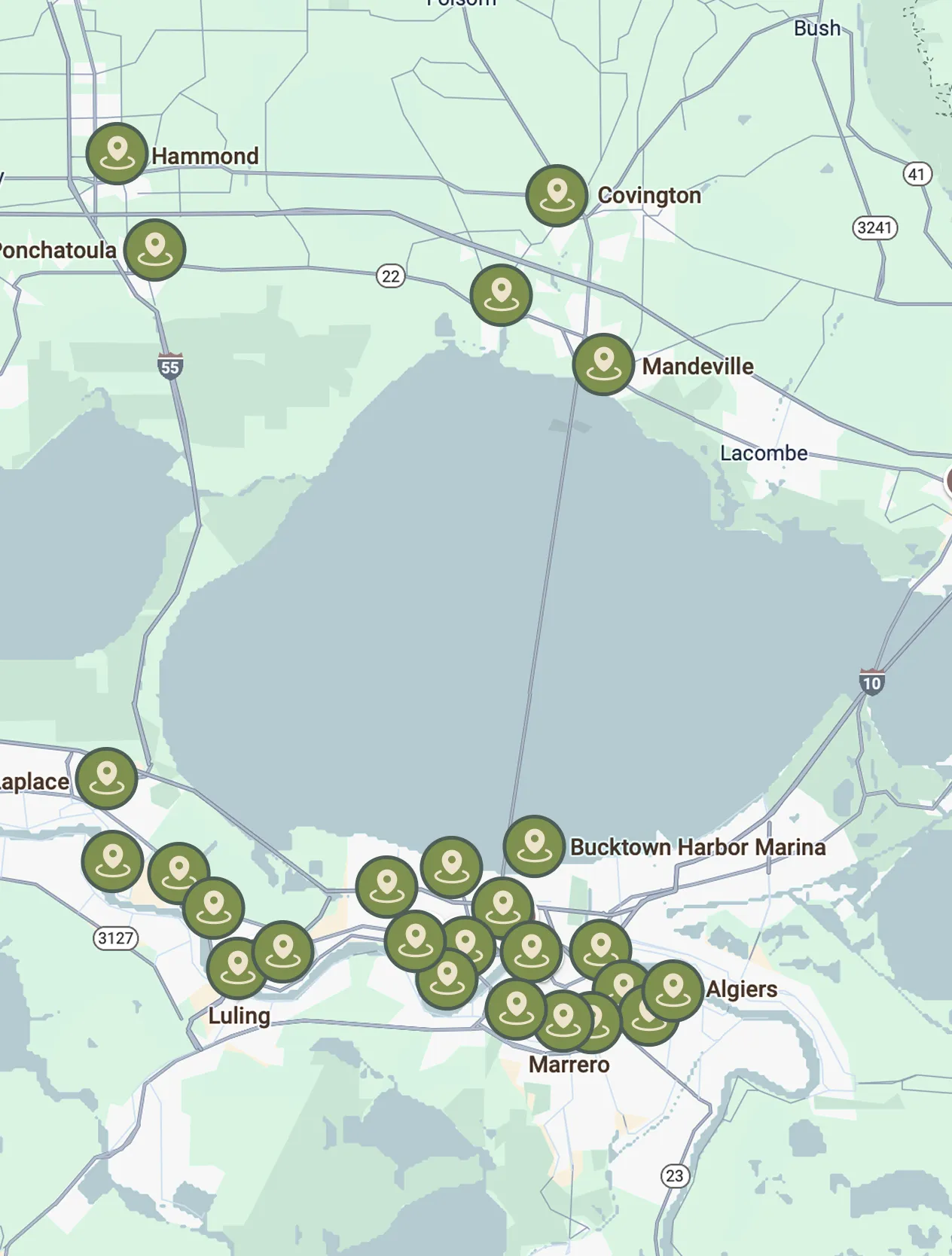
Our service areas are designed to meet the diverse needs of our clients. We focus on providing exceptional service and ensuring customer satisfaction in every location we operate.