Whole House Dehumidifiers in Westwego, LA
.webp)
Cypress Cooling understands the importance of humidity control in Westwego, LA homes. Wholehouse dehumidification reduces indoor moisture, prevents mold and wood damage, and enhances comfort by working in harmony with your existing heating and air system. We cover the significance of humidity levels, common signs of excess moisture, and practical system options – from ducted units to standalone plenum models and integrated airhandling solutions. Cypress Cooling explains sizing based on home size and occupancy, installation steps, and maintenance routines, as well as the energy efficiency benefits and expected results. Proper assessment, correct sizing, and professional integration by Cypress Cooling ensure durable moisture control yearround.
-min.webp)
Whole House Dehumidifiers in Westwego, LA
Living in Westwego means dealing with a humid subtropical climate year round. High outdoor humidity, occasional flooding, and warm temperatures create ideal conditions for indoor moisture problems: mold, musty odors, warped wood, and a constantly running air conditioner. Whole house dehumidifiers in Westwego, LA are a practical, long-term solution to control indoor humidity, protect your home, and improve comfort without relying on multiple portable units.
Why whole-house dehumidification matters in Westwego, LA
- Westwego summers and mild winters keep outdoor relative humidity high. That moisture infiltrates homes through vents, windows, and the building envelope.
- Persistent indoor humidity above 60% promotes mold growth, accelerates wood rot, damages electronics and insulation, and worsens allergy symptoms.
- Dehumidification reduces the latent load on your air conditioner so cooling is more effective and energy is used more efficiently.
- After heavy rain or flooding events, whole-house systems help dry structural cavities and reduce the long-term risk of mold and mildew.
Common whole-house dehumidifier issues in Westwego homes
- Musty smells in closets, crawlspaces, or attics after storms.
- Condensation on windows and metal surfaces during mornings or cooler nights.
- Visible mold on walls, baseboards, or behind cabinets in humid months.
- High electric bills from air conditioners working overtime to remove moisture.
- Portable dehumidifiers running constantly but failing to manage humidity across the full home.
Types of whole-house dehumidifier systems
- Ducted whole-house dehumidifiers: Installed directly into the HVAC return or supply ducts to treat the entire living space evenly. Best for homes with centralized HVAC systems.
- Standalone plenum-mounted units: Mounted in a mechanical room or attic and connected to the duct system. Useful when space in the main HVAC plenum is limited.
- Integrated HVAC models: Some high-end systems integrate with the air handler or furnace, sharing controls and sometimes reducing installation complexity.
- Desiccant dehumidifiers: Used more rarely in extreme moisture conditions or specific commercial applications. Typically not necessary for most Westwego homes.
Sizing guidance and how we determine the right system
Sizing is based on home square footage, airtightness, number of occupants, and local humidity conditions. In Westwego, the base outdoor humidity is higher than many regions, so recommended capacities skew larger than in dry climates.
General capacity guidance (pints per day) for typical Westwego homes:
- Small homes or tight condos (up to 1,200 sq ft): 30 to 50 pints/day
- Medium homes (1,200 to 2,500 sq ft): 50 to 90 pints/day
- Large homes (2,500+ sq ft) or homes with known moisture sources: 90 to 140+ pints/day
A proper sizing assessment includes a load calculation that accounts for local outdoor humidity, indoor moisture sources (cooking, showers, occupants), and any past water intrusion. Undersizing leads to persistent high humidity; oversizing increases first cost and may short-cycle.
Integration with existing HVAC
- Connection options: Whole-house dehumidifiers are usually tied into the return duct or installed alongside the air handler. Integration ensures even distribution and centralized control.
- Controls: A dedicated humidistat or integrated thermostat/humidistat monitors and maintains target relative humidity. Smart controls can schedule or set humidity setpoints by room or time of day.
- Drainage: Units require a condensate drain. Options include gravity drains to a nearby floor drain, or condensate pumps when gravity drainage is not possible.
- Electrical: Most units need a dedicated 120V or 240V circuit depending on capacity. Professional electrical assessment is part of the install.
- Airflow and static pressure: Proper installation ensures the dehumidifier does not adversely affect HVAC airflow. Some models include ECM fans to minimize impact.
Installation process and timeline
- Assessment and load calculation to choose right capacity and location.
- Prepare location (mechanical room, attic, or duct return) and route condensate line.
- Mount the unit, connect to ductwork, wiring, and drainage.
- Integrate control wiring to the thermostat/humidistat and calibrate settings.
- Startup tests: measure airflow, check for leaks, and verify humidity response.Typical installation for a straightforward ducted unit can take most of a day; complex integrations or retrofit situations may require additional time.
Maintenance schedule and common service items
- Replace or clean intake filters every 1 to 3 months depending on use and indoor air quality.
- Inspect condensate lines quarterly to prevent clogs or backups; flush if needed.
- Annual professional inspection: check coils, refrigerant charge (for refrigerant-based units), fan motors, electrical connections, and controls.
- Clean evaporator and condenser coils yearly to maintain efficiency.
- Verify humidistat calibration yearly and recalibrate if humidity control drifts.Regular maintenance preserves capacity, reduces energy use, and extends equipment life—especially important in salty, coastal air that can accelerate wear.
Energy efficiency considerations
- Whole-house systems are generally more energy efficient than multiple portable dehumidifiers running continuously. They treat the entire home and allow your AC to focus on temperature while the dehumidifier handles moisture.
- Look for models with variable-speed compressors and ECM fans for better performance at partial loads, which is common in Westwego’s variable humidity conditions.
- Proper sizing avoids short-cycling, which wastes energy. Tight building envelope and targeted ventilation also reduce the dehumidifier’s workload.
Typical results Westwego homeowners can expect
- Consistent indoor relative humidity in the recommended range of 45% to 50% during the most humid months, and 45% to 55% during milder periods depending on ventilation and occupant activities.
- Noticeable reduction in musty odors and fewer visible mold spots within weeks of proper installation.
- Improved comfort without lowering thermostat settings; homeowners often feel cooler at higher thermostat settings once humidity is controlled.
- Reduced demand on air conditioning and fewer cycles dedicated to moisture removal, which can improve overall home comfort and equipment longevity.
- Protection for wood floors, furniture, insulation, and stored belongings from moisture-related damage.
Final considerations for Westwego, LA homes
Whole-house dehumidification is a targeted, effective solution for the specific humidity challenges in Westwego. Proper assessment, correct sizing, professional integration with your existing HVAC, and a routine maintenance plan are essential to achieve lasting results: a drier, healthier, and more comfortable home with reduced risk of mold and moisture damage.
OUR CLIENTS HAVE TO SAY ABOUT US



Service areas
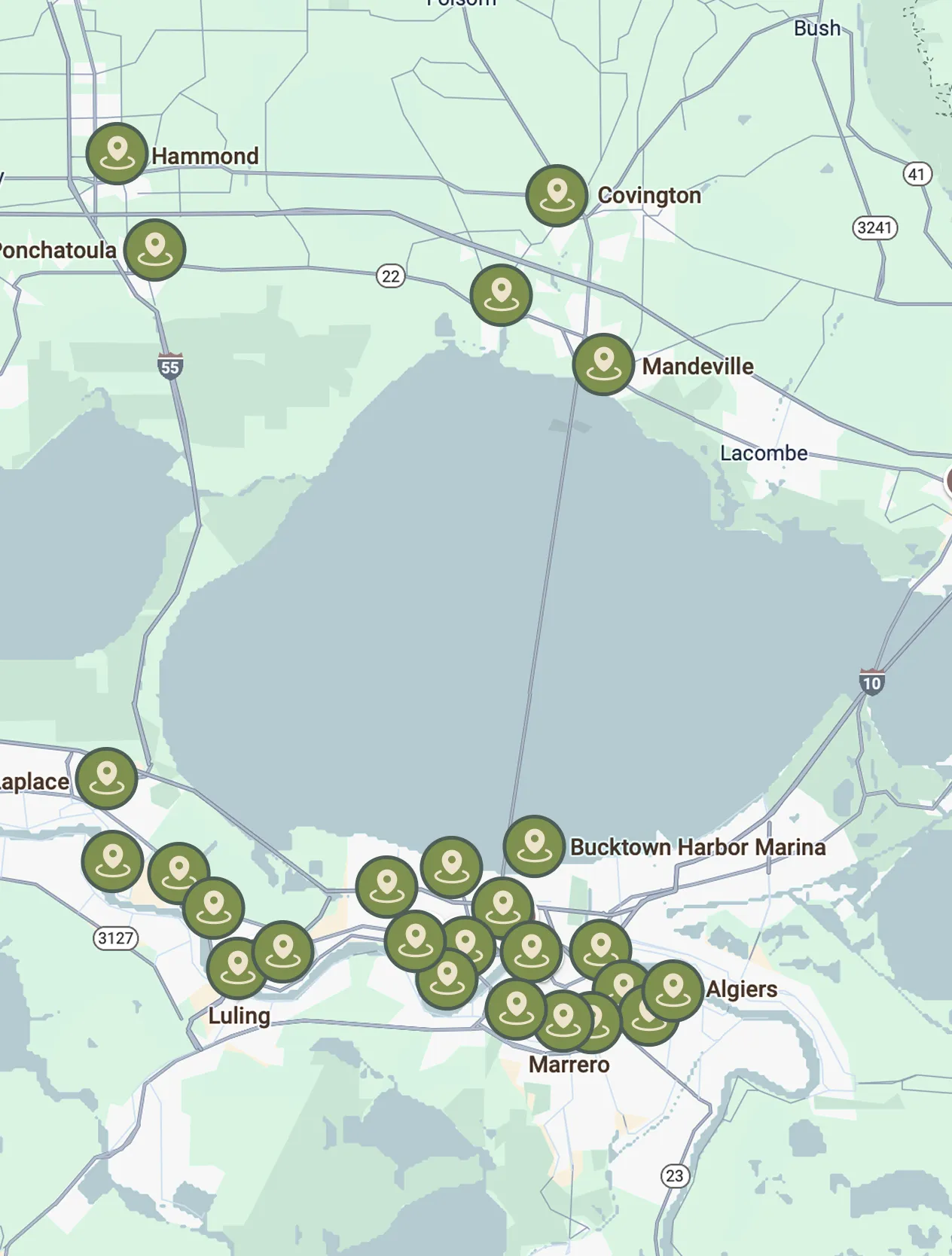
Our service areas are designed to meet the diverse needs of our clients. We focus on providing exceptional service and ensuring customer satisfaction in every location we operate.