Whole House Dehumidifiers in New Sarpy, LA
.webp)
In New Sarpy, LA, a whole house dehumidification system from Cypress Cooling offers consistent moisture control, safeguarding your home's structure, enhancing comfort, and easing the burden on your HVAC system. Proper sizing, expert diagnosis, and professional installation are key to achieving balanced humidity levels throughout your living spaces, attics, and basements. Regular maintenance ensures peak performance. We recommend humidity setpoints of around 4550% RH. Consider energy efficiency, cost, and the importance of a moisture load assessment for accurate system matching.
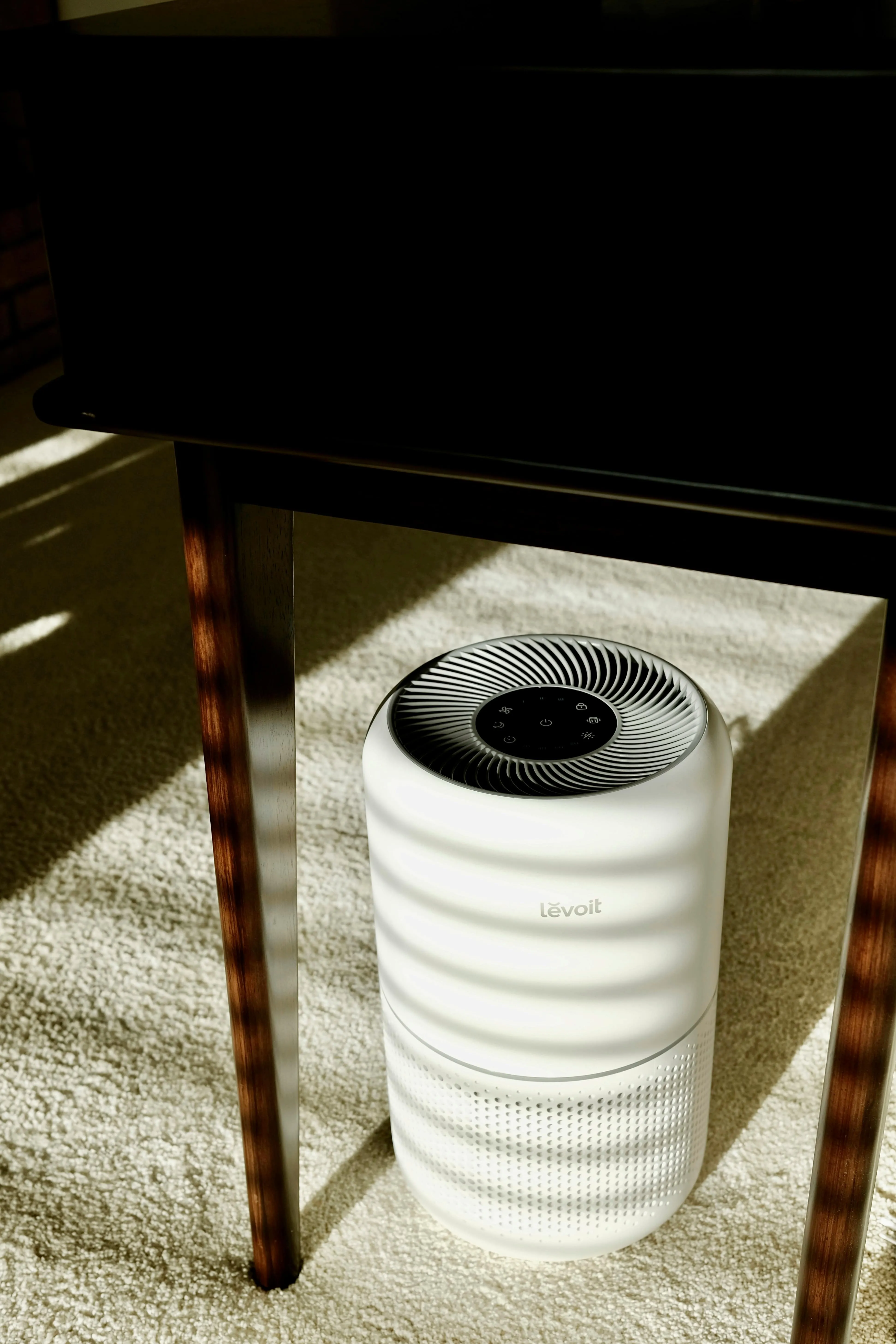
Whole House Dehumidifiers in New Sarpy, LA
Excess indoor humidity is a common and persistent problem in New Sarpy, LA. High summer humidity combined with occasional standing water and flood-prone conditions creates the ideal environment for mold, mildew, musty odors, swollen wood, and higher allergy symptoms. A properly sized and installed whole house dehumidifier gives consistent, whole-home moisture control that protects building materials, improves comfort, and reduces demands on your cooling system.
Why whole-home dehumidification matters in New Sarpy, LA
- Mold and mildew prevention. New Sarpy homes face long, humid seasons that accelerate mold growth in attics, crawlspaces, closets, and wall cavities. Keeping relative humidity (RH) in the recommended range stops mold spores from thriving.
- Comfort without overcooling. High humidity makes interiors feel warmer. Removing excess moisture lets you feel comfortable at higher thermostat settings and reduces AC runtime.
- Protects structure and possessions. Wood floors, cabinets, furniture, and electronics all degrade faster in persistently humid environments.
- Improved indoor air quality. Lower humidity reduces dust mite populations and musty odors that affect respiratory comfort.
Common whole house dehumidifier types and what works best in New Sarpy
- Ducted whole-house dehumidifiers (HVAC-integrated). Installed in-line with the furnace or air handler and connected to the return or supply duct. Best for even, centralized humidity control across the entire home.
- Dedicated central dehumidifiers (standalone central units). Mounted in utility spaces and ducted to the home. Good when HVAC integration is impractical or when dehumidification needs are heavier than the HVAC system can handle.
- Desiccant dehumidifiers. Use a drying material rather than refrigerant. They perform better at lower temperatures but are typically used in specialized situations; in New Sarpy’s warm, humid climate, refrigerant-based units are usually more efficient and cost effective.
- Portable units. Effective for single-room issues but not recommended as a whole-house solution in New Sarpy due to scale and ongoing manual maintenance needs.
Sizing: matching capacity to New Sarpy climate and home characteristics
Proper sizing depends on:
- Square footage and ceiling height
- Number of occupants and moisture-generating activities (cooking, showers, laundry)
- Crawlspace or basement conditions and proximity to open water or flood-prone areas
- Existing HVAC airflow and duct design
Whole-house units are rated in pints per day (pints/day). Typical residential whole-home capacities range from 30 to 130+ pints/day. In New Sarpy’s humid summers, many homes need units in the middle to upper part of that range, especially if the home has a damp basement, unfinished crawl space, or frequent moisture intrusion. An in-home moisture load assessment determines the correct capacity for reliable control without short-cycling.
Installation and placement considerations
- Placement near return duct or air handler. Duct-mounted units work best near the HVAC return so conditioned air circulates uniformly.
- Accessibility for maintenance. Install where filters, coils, and drains can be reached easily for routine cleaning.
- Condensate removal. Gravity drains to a floor drain are ideal. If gravity drainage is not possible, a condensate pump will be required. Drain lines must be routed to an approved disposal point and sized per local codes.
- Electrical requirements. Most whole-house dehumidifiers require a dedicated circuit. Small units may use 120V circuits; larger central models often require 240V. Proper breaker sizing, conduit, and adherence to local electrical codes are essential.
- Integration with HVAC and controls. Units can operate off an independent humidistat or integrate with the home thermostat. Proper control selection prevents conflict with cooling cycles and maintains consistent RH.
Diagnostic and installation process
- Moisture assessment. Measure current RH in multiple zones (living spaces, attic, basement/crawlspace) and identify moisture sources.
- Load calculation. Estimate moisture load based on home size, occupancy, and moisture sources to pick the correct capacity.
- System selection. Choose duct-mounted or dedicated central unit based on HVAC compatibility and localized needs.
- Electrical and drainage planning. Confirm circuit, breaker, and drain routing that meet code and site constraints.
- Professional installation and commissioning. Install unit, connect drainage and electrical, calibrate humidistat, and run system through a test cycle to verify performance and airflow balance.
Routine maintenance and filter care
Regular maintenance ensures peak performance and longevity:
- Filter cleaning or replacement. Most units have washable pre-filters; rinse monthly during peak season and replace permanent filters per manufacturer guidance.
- Coil and pan cleaning. Clean evaporator coils and condensate pans annually to prevent scale and biological growth.
- Drain line and pump checks. Flush drain lines periodically and inspect the condensate pump (if used) for proper operation.
- Humidistat calibration and sensor checks. Verify sensor accuracy seasonally to maintain target humidity.
- Annual inspection. Have an HVAC or dehumidifier technician inspect electrical connections, refrigerant level (for compressor-based units), and controls.
Common problems and solutions
- Improper sizing leads to underperformance. Solution: Reassess load and upgrade to higher capacity.
- Poor or blocked drainage. Solution: Clear lines, install proper trap and routing, and add condensate pump if needed.
- Short cycling. Solution: Improve airflow, check controls, and ensure unit is correctly sized.
- Frozen coils in cool operation. Solution: Check defrost settings or consider desiccant in low-temperature scenarios.
- Excess energy use. Solution: Adjust setpoints, improve home envelope and ventilation, and use variable-speed models for better efficiency.
Energy use and cost considerations
Whole-house dehumidifiers vary in power draw depending on capacity and ambient conditions. Smaller units may draw a few hundred watts; larger central systems can draw over 1000 watts during operation. Practical operating energy depends on runtime, humidity load, and integration with your HVAC. In New Sarpy, reducing humidity often reduces AC runtime, which can offset dehumidifier energy use and result in net comfort and efficiency gains. Selecting energy-efficient models and matching capacity accurately are key to minimizing ongoing energy consumption.
Recommended humidity setpoints for healthy indoor environments in New Sarpy
- Aim for 45 to 50 percent relative humidity during the warm months to limit mold growth while maintaining comfort.
- Avoid forcing RH below 40 percent to prevent overly dry conditions that can irritate skin and respiratory systems and damage wood.
- Use localized monitoring in basements, crawlspaces, and attics where RH can differ significantly from living areas.
Long-term benefits of whole-home dehumidification
Consistent, whole-home moisture control protects your structure, preserves finishes and furnishings, improves occupant comfort and health, and can reduce long-term maintenance and remediation costs related to mold and moisture damage. In New Sarpy, where humidity and occasional flooding are realities, a properly selected and maintained whole house dehumidifier is an effective, long-term investment in durability and indoor air quality.
For accurate results in your specific home, a moisture load assessment and system match are recommended so the system delivers efficient, reliable humidity control tailored to New Sarpy climate conditions and your house layout.
OUR CLIENTS HAVE TO SAY ABOUT US



Service areas
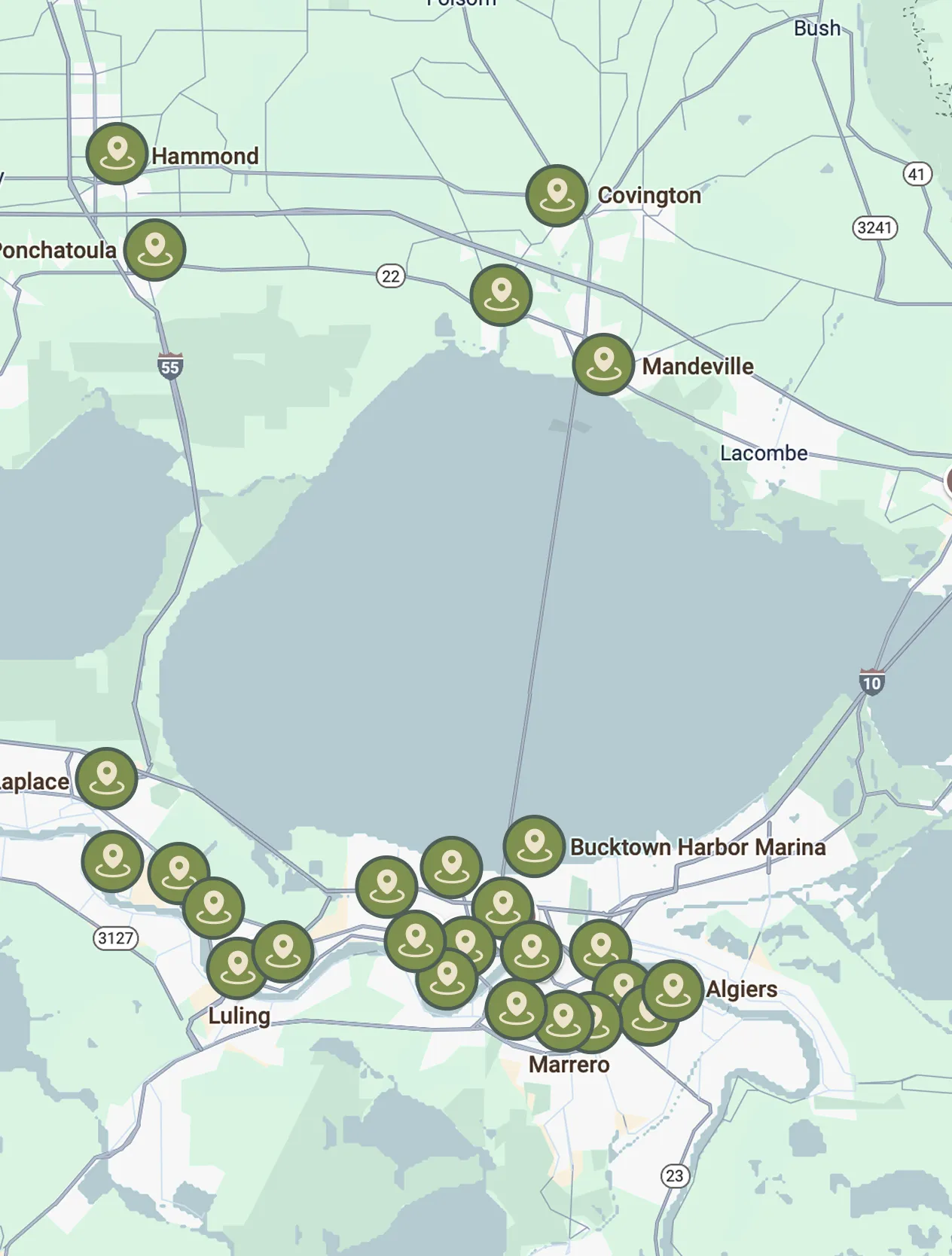
Our service areas are designed to meet the diverse needs of our clients. We focus on providing exceptional service and ensuring customer satisfaction in every location we operate.