Whole House Dehumidifiers in Mandeville, LA
.webp)
Managing indoor moisture is crucial for comfort, structural integrity, and energy efficiency in Mandeville, LA. That's where whole house dehumidifiers come in, and at Cypress Cooling, we understand their importance. When humidity becomes a problem, you'll notice signs like condensation, musty odors, and even mold growth. This overview will help you understand how to choose the right size and type of dehumidifier for your home, considering factors like HVAC integration, condensate drainage, and energy efficiency. With proper selection and maintenance, you can enjoy healthier indoor air and long term savings. Let Cypress Cooling guide you to a more comfortable and confident home environment.
-min.webp)
Whole House Dehumidifiers in Mandeville, LA
Living in Mandeville means enjoying lakefront breezes and warm weather, but it also means dealing with prolonged, oppressive humidity for much of the year. Whole-home dehumidification is a practical, long-term solution that reduces indoor moisture levels, stops mold and mildew before they spread, improves comfort, and helps your HVAC system run more efficiently. This page explains how whole house dehumidifiers work in Mandeville homes, common signs you need one, system options and sizing, integration and drainage considerations, energy factors, and maintenance requirements.
Why whole-home dehumidification matters in Mandeville, LA
Mandeville sits in a humid subtropical climate: hot summers, high overnight dew points, and frequent humidity spikes after thunderstorms. High indoor relative humidity (RH) encourages mold growth, dust mites, and musty odors. It also forces air conditioners to run longer because ACs remove both heat and moisture. A properly sized whole-house dehumidifier keeps indoor RH in the recommended range (roughly 40 to 50 percent), reducing health risks, protecting wood floors and finishes, and lowering perceived temperature so you can set thermostats a few degrees higher without sacrificing comfort.
Common whole house dehumidifier issues and signs you need dehumidification in Mandeville
Homeowners in coastal Louisiana often notice the same moisture-related problems:
- Condensation on windows and sliding glass doors, especially in the morning
- Persistent musty smells or visible mold and mildew in closets, bathrooms, or crawlspaces
- Excessive dust mite allergies or sinus irritation that worsen in humid months
- HVAC short-cycling or long run times with still-sticky air
- Peeling paint, warped wood trim, or blistering finishes
- Pooling or dampness in crawlspaces and basements after humid nights
If indoor RH stays above 60 percent or these symptoms are recurring, whole-home dehumidification is strongly worth considering.
System options and sizing for Mandeville homes
Whole-house dehumidifiers come in several formats. Choosing the right type and size depends on home size, construction, insulation, occupancy, and outdoor humidity.
Common options:
- Ducted whole-house dehumidifiers: Installed directly into the HVAC return or ductwork to treat air circulated by the furnace or air handler.
- Integrated HVAC dehumidification coils or add-ons: Paired with your existing split system or packaged unit for coordinated control.
- Dedicated dehumidifier with independent circulation: Used where HVAC integration is impractical; requires careful placement and ducting.
Sizing guidelines (general, for initial planning):
- Small homes and condos (up to 1,500 sq ft): ~30 to 50 pints/day capacity
- Average family homes (1,500 to 3,000 sq ft): ~50 to 70 pints/day capacity
- Large or very humid homes (3,000+ sq ft or high moisture loads): 70 to 120+ pints/day
A professional load calculation that accounts for local outdoor humidity, home envelope tightness, occupant activities, and water sources is essential to pick the correct capacity. Undersized units will run continuously and underperform; oversized units waste energy and can short-cycle.
Integration with existing HVAC
Whole-house dehumidifiers typically integrate with the HVAC system to maximize performance and energy efficiency. Typical integration points and features:
- Installation in the return plenum or duct to treat all conditioned air
- Controlled by a standalone humidistat or tied into the thermostat for coordinated control
- Option for continuous dehumidification or staged operation that runs only when RH exceeds the set point
- Compatibility checks for airflow, static pressure, and refrigerant cycles to avoid reduced HVAC performance
Proper integration lets the dehumidifier remove moisture without overcooling your home. In Mandeville, where ACs already run frequently, a coordinated approach keeps comfort high and energy impact low.
Condensate handling and drainage
A whole-house dehumidifier can produce several gallons of condensate daily in humid months. Drainage solutions include:
- Gravity drain to an existing condensate line or floor drain where elevation permits
- Condensate pump where gravity drainage is not possible, routed to a drain or outside per local code
- Condensate neutralizer or trap if discharging to septic systems or sensitive areas
- Properly sloped PVC or tubing and a trap to prevent sewer gas backflow
Because Mandeville homes may have slab foundations, raised piers, or limited drain access in attics, planning the condensate route during installation is crucial to prevent backups and water damage.
Energy-efficiency considerations
Modern whole-house dehumidifiers are designed to be energy efficient, but choices matter:
- Look for units with higher moisture removal per kilowatt-hour ratings and variable-speed compressors for modulated operation.
- Integration with your HVAC can reduce overall energy use by allowing the thermostat set point to be raised while maintaining comfort through lower humidity.
- Use of controls with accurate humidistats, timers, or smart home integration helps avoid unnecessary runtime.
In high-humidity climates like Mandeville, an efficient dehumidification strategy often lowers total HVAC cost by cutting latent cooling demand, even though the dehumidifier consumes some electricity.
Maintenance requirements
Routine maintenance keeps performance high and prevents issues:
- Change or clean air filters every 1 to 3 months depending on load
- Inspect and clean coils annually to prevent mold on the evaporator surface
- Flush and check condensate lines and pump to avoid clogs and overflow
- Verify humidistat calibration and controls each season
- Schedule an annual system check to test airflow, capacity, and drainage
Given Mandeville humidor-like conditions, staying on a regular maintenance schedule prevents mold growth inside the equipment and maintains efficiency.
Typical installation process
A standard installation follows these steps:
- Site assessment and humidity load calculation
- Equipment selection and sizing
- Placement and mounting (return plenum, closet, or air handler)
- Wiring and control integration with thermostat/humidistat
- Condensate drain routing and pump installation if needed
- Commissioning: verify airflow, setpoints, and balance
- Homeowner orientation on operation and maintenance
Most installations are completed within a day, depending on complexity and drain routing.
Benefits beyond immediate comfort
Whole-house dehumidification protects your home and health in several ways:
- Prevents mold and mildew growth that can damage structures and trigger allergies
- Protects wood floors, cabinets, and musical instruments from moisture-related warping
- Improves indoor air quality and reduces dust mite populations
- Extends HVAC life by reducing latent load and limiting coils frosting or microbial growth
In Mandeville, these benefits translate directly to a healthier home and long-term savings on repairs from moisture damage.
When to consider whole-house dehumidification
Consider installing a whole-home system when:
- Indoor RH consistently exceeds 60 percent
- You see window condensation, mold spots, or musty odors
- Allergies, asthma, or respiratory irritation worsen in humid months
- Your AC runs constantly but rooms still feel damp
- You have a finished crawlspace, basement, or attic with recurring dampness
Addressing excess humidity proactively in Mandeville reduces the risk of mold outbreaks and medium- to long-term property damage.
Whole-house dehumidifiers are a practical investment for Mandeville homes exposed to persistent humidity. The right system, properly integrated and maintained, improves comfort, protects building materials, and supports a healthier indoor environment year-round.
OUR CLIENTS HAVE TO SAY ABOUT US



Service areas
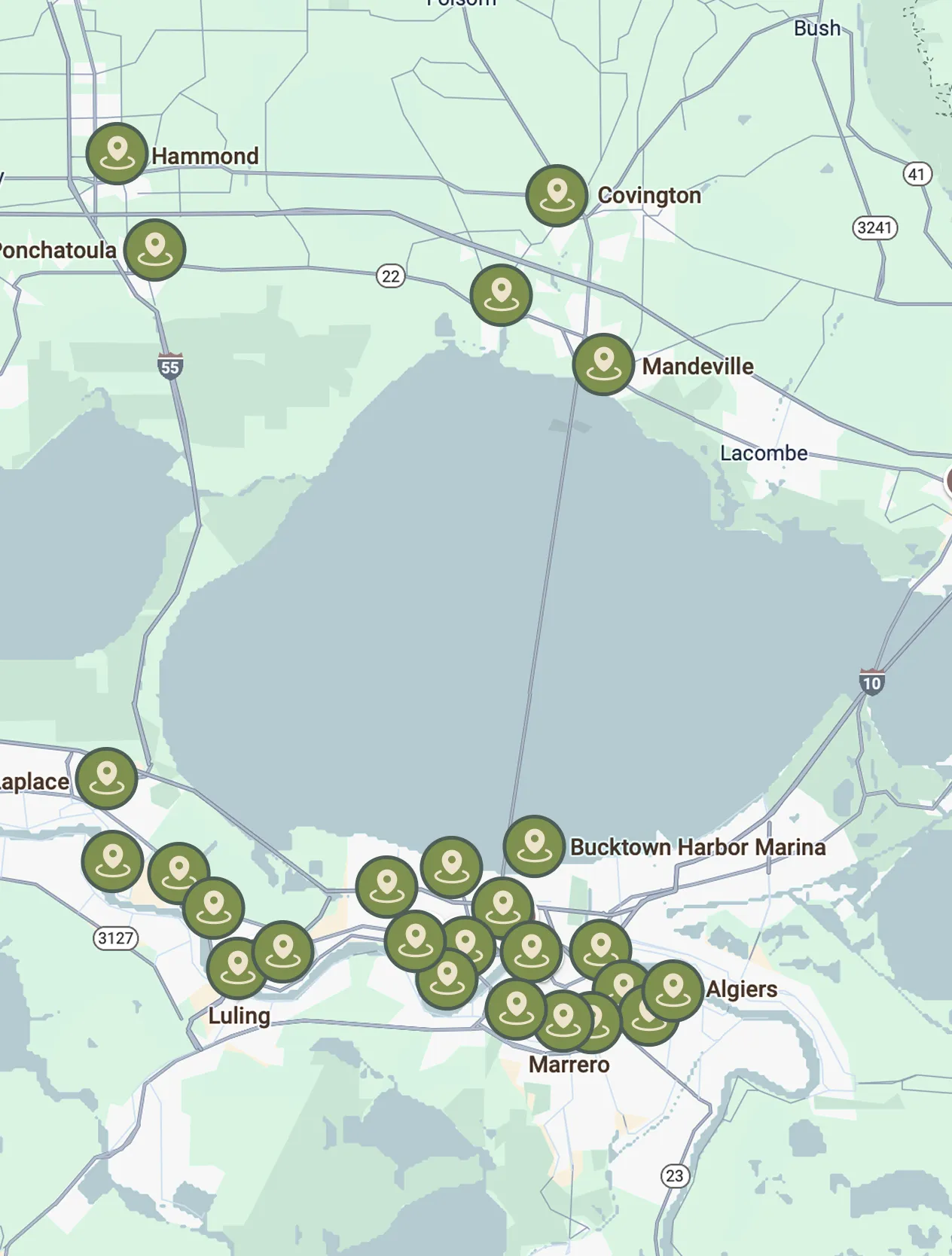
Our service areas are designed to meet the diverse needs of our clients. We focus on providing exceptional service and ensuring customer satisfaction in every location we operate.