Whole House Dehumidifiers in Madisonville, LA
.webp)
Controlling humidity is essential for Madisonville, LA homes, and whole house dehumidifiers offer an effective solution. Cypress Cooling is here to help you navigate the options. This guide illustrates why humidity control is so important, along with exploring available installation types, sizing guidelines, drainage options, and maintenance requirements. Properly sized systems reduce condensation, prevent mold growth, and eliminate unpleasant odors, all while supporting the efficiency of your HVAC system. We'll compare refrigerant and desiccant units, outline typical capacity ranges for various home sizes, and highlight best practices for combining dehumidification with filtration and ventilation to enhance year round comfort, improve indoor air quality, and ensure long lasting home protection.
Whole House Dehumidifiers in Madisonville, LA
Living in Madisonville means dealing with a humid subtropical climate: warm, muggy summers, frequent afternoon storms, proximity to Lake Pontchartrain, and a long season for mold and mildew growth. A whole house dehumidifier is a long-term, lower-maintenance solution that controls indoor relative humidity (RH) across living spaces, basements, crawl spaces, and mechanical rooms. Properly sized and installed, these systems protect your home, improve comfort, and help HVAC equipment run more efficiently.
Why whole house dehumidification matters in Madisonville, LA
- High year-round humidity creates condensation on windows, musty odors, and conditions that favor mold, dust mites, and rot.
- Coastal weather events and rainy seasons introduce sudden moisture loads into attics, basements, and crawl spaces.
- Controlling RH (target 45% or lower during warm months) reduces allergy triggers, preserves wood floors and furnishings, and reduces strain on air conditioners.
- Local home types in this area often have crawl spaces or slab foundations; choosing the right system and location is essential for effective humidity control.
Common whole house humidity problems in Madisonville homes
- Persistent 60%+ indoor RH even with central AC running frequently.
- Musty basements, crawl spaces, or closets after heavy rains.
- Condensation on windows, metal fittings, or HVAC ductwork.
- Recurring mold spots on walls, bathroom grout, or attic insulation.
- High allergy or respiratory symptoms tied to dust mite and mold growth.
Types of whole-home dehumidifier installations
- Integrated with HVAC (ducted): Unit mounts to the return plenum or a dedicated space in the mechanical room and connects to the central ductwork. This approach conditions all living spaces uniformly and uses the HVAC blower to circulate treated air.
- Dedicated ducted system: Installed as a separate ducted unit with its own supply and return ducts for targeted whole-home control or to avoid disruption to existing HVAC.
- Basement or crawl space units: Robust models designed to sit in lower-level spaces and directly remove moisture where it is generated. Crawl space units are typically sealed and rated for dusty, low-clearance environments.
- Split systems: Indoor dehumidifier coils paired with an outdoor condensing unit for larger homes or spaces with extreme loads.
Sizing and performance: what to expect
- Capacity is rated in pints per day under standard AHAM conditions. Typical whole house units range from 30 to over 100 pints/day.
- Proper sizing depends on: home square footage, ceiling height, envelope tightness, number of occupants, typical indoor activities (cooking, showers), and local outdoor humidity. Madisonville’s humid climate usually requires higher capacity than drier inland areas.
- Real-world performance varies with temperature and humidity. Refrigerant-based dehumidifiers perform best at warm temperatures common here; desiccant systems are for low-temperature or specialized applications.
- Rule of thumb examples:
- Tighter 1,200 to 1,800 sq ft homes: 30 to 50 pints/day may be adequate.
- 1,800 to 3,000 sq ft or leak-prone homes: 50 to 80+ pints/day.
- Basements, crawl spaces, or homes with chronic moisture: consider dedicated high-capacity units.
Drainage and condensation management
- Gravity drain to a floor drain is simplest when elevation permits. Ensure properly sloped PVC or condensate drain line and local plumbing code compliance.
- Condensate pump for installations where gravity drainage is not possible; pump discharge should be routed to an appropriate drain or exterior outlet per code.
- Seasonal considerations: Madisonville rarely faces prolonged freezing, but protect exterior condensate lines from occasional cold snaps and backflow issues.
- Regularly inspect the condensate trap and drain for clogs and biofilm; standing water can quickly negate dehumidification benefits.
Controls and automation
- Whole-home humidistats measure RH and cycle the dehumidifier to maintain target levels. Place humidistats in representative living areas away from kitchens, bathrooms, and direct supply vents.
- Integration with thermostats and smart home systems offers scheduling, remote monitoring, and data on RH trends.
- Advanced units use variable-speed blowers and humidity-driven operation for energy-efficient performance and reduced cycling.
- Setpoints: aim for 40 to 50% RH in summer months. Avoid driving RH below 30% which can cause discomfort and drying of wood.
Maintenance needs and common service items
- Filter cleaning or replacement: many whole-home units include a washable prefilter or require MERV-rated filters; check and clean monthly during heavy use, replace per manufacturer guidance.
- Coil cleaning and inspection: annual service to remove dust, check refrigerant charge, and verify condensate pan integrity.
- Drainline flush and condensate pump check: clear debris and biofilm at least annually; more often if signs of slow drainage or odor occur.
- Controls and sensor calibration: verify humidistat accuracy and system response once per season.
- Typical signs you need service: reduced water removal, frequent cycling, unusual noises, or visible leaks.
Pairing with filtration and air conditioning
- Pairing a whole-house dehumidifier with the central AC optimizes both systems: dehumidifiers remove latent load while AC handles sensible cooling, improving comfort and reducing overall runtime.
- Filtration upgrades (MERV 8 to MERV 11 recommended for balance) protect dehumidifier coils and HVAC components while improving indoor air quality. Use higher MERVs only if the HVAC blower can handle the pressure drop.
- Consider adding controlled mechanical ventilation or an ERV when sealing the home: fresh air is important, and ERVs help manage humidity when bringing outdoor air inside, which matters in coastal, humid climates.
- In homes with allergy concerns, combining whole-house filtration, dehumidification, and targeted ventilation creates a comprehensive indoor air quality strategy.
Diagnosing common issues and solutions
- High RH persists in specific rooms: check for unbalanced duct airflow, closed vents, or moisture sources (leaks, dryer venting). Consider zoning or supplemental dehumidification for problem areas.
- Short cycling or insufficient removal: often due to undersized unit, improper ducting, or dirty coils/filters. Evaluate sizing and airflow.
- Odors or biofilm in condensate: flush drainlines regularly and treat pans with safe antimicrobial products if needed.
Long-term benefits for Madisonville homes
A properly specified and installed whole house dehumidifier reduces mold risk, protects finishes and stored items, improves comfort without overcooling, reduces respiratory irritants, and helps your central AC perform more efficiently. In a humid coastal zone like Madisonville, whole-home dehumidification is a practical investment in durability, indoor air quality, and year-round comfort.
For any home in Madisonville, selecting the right capacity, installation type, and drainage approach—combined with routine maintenance and thoughtful pairing with filtration and ventilation—will deliver the consistent humidity control needed to protect your home and your health.
OUR CLIENTS HAVE TO SAY ABOUT US



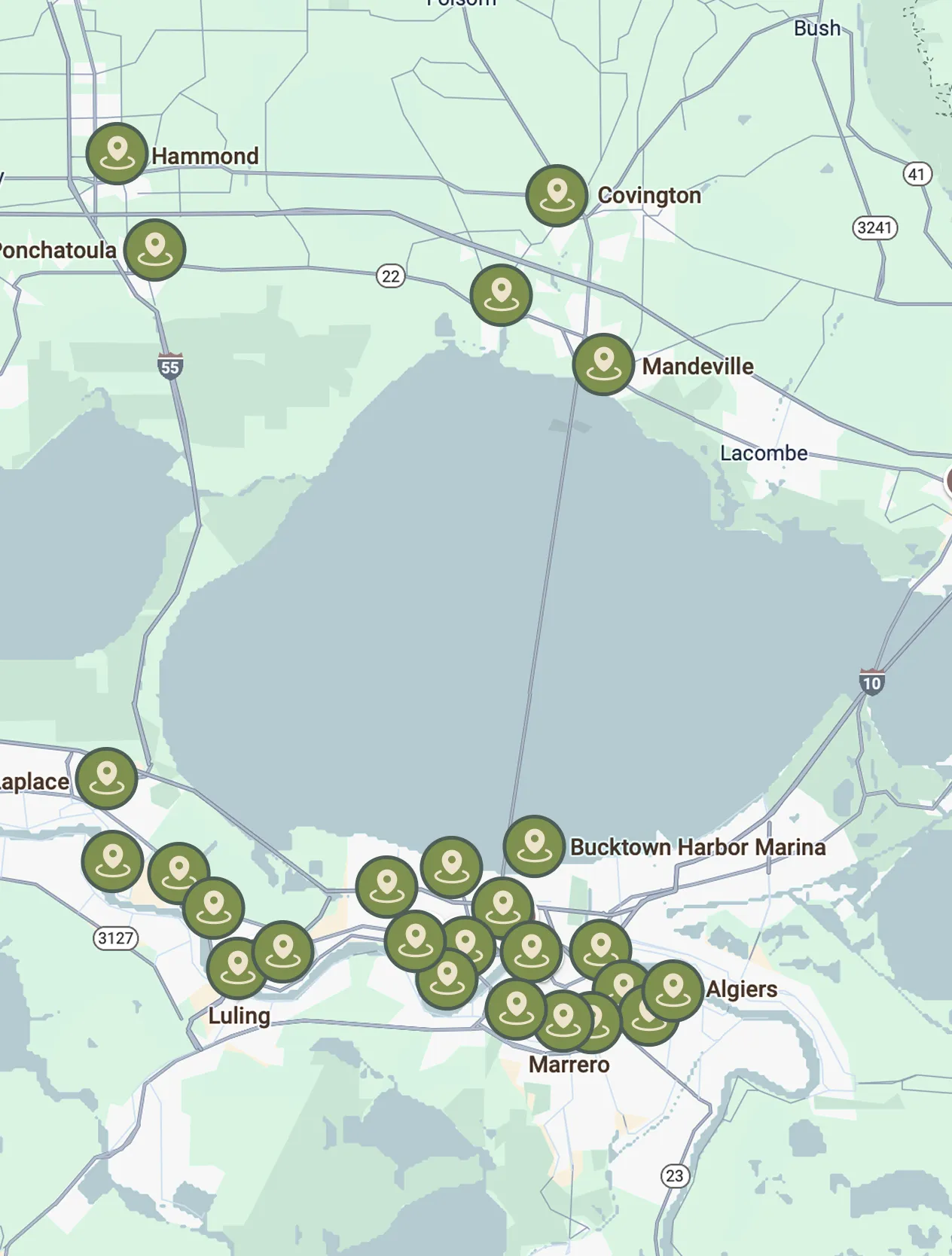
Service areas
Our service areas are designed to meet the diverse needs of our clients. We focus on providing exceptional service and ensuring customer satisfaction in every location we operate.