Whole House Dehumidifiers in Kenner, LA
.webp)
Whole house dehumidifiers are a game changer for homes in Kenner, LA. They not only reduce indoor humidity but also protect your home's finishes and enhance your comfort, all while easing the workload on your air conditioning system. Cypress Cooling understands the unique climate challenges of coastal Louisiana. This guide covers important sizing considerations (think 50–120+ pints/day for many homes here), installation options—including ducted, bypass, standalone, and even hybrid systems—as well as optimal placement, ducting strategies, and effective condensate management. We'll also outline essential maintenance routines, address common issues with helpful troubleshooting guidance, discuss energy impacts, explore available incentives, and provide strategies for seamlessly coordinating dehumidification with your existing HVAC system. Plus, we'll share seasonal tips to help you maintain optimal relative humidity year round, ensuring your home stays comfortable and protected.
-min.webp)
Whole House Dehumidifiers in Kenner, LA
High indoor humidity is one of the most common and persistent comfort and health problems in Kenner, LA. With a subtropical climate, high year-round moisture, frequent storms, and warm summers, many homes struggle with condensation, musty odors, mold growth, and accelerated wear to building materials. A whole house dehumidifier is the practical solution for controlling indoor relative humidity (RH) throughout your home, protecting finishes and structure, improving comfort, and reducing the load on your air conditioning system.
Why whole-home dehumidification matters in Kenner, LA
High humidity in Kenner contributes to:
- Mold and mildew growth on walls, ceilings, insulation, and stored belongings.
- Wood swelling, warped floors, and paint or drywall damage.
- Increased musty odors and worsened allergy symptoms.
- Longer air conditioner runtimes as systems struggle to remove both heat and moisture.
Whole house dehumidifiers protect your home by keeping indoor RH in a recommended range (typically 40 to 50 percent), which is low enough to inhibit mold but high enough to prevent overly dry air.
Common whole house dehumidifier options and which is right for your home
Whole-home systems come in several configurations. Choosing the right type depends on home size, ductwork, and humidity load.
- Ducted, direct-plumbed units
- Installed inline with the HVAC return or installed as a dedicated unit in the mechanical room or attic.
- Removes moisture from the entire ducted HVAC system so all rooms are controlled evenly.
- Best for homes with central air and existing ductwork.
- Bypass or branch-fed ducted units
- A portion of return air is fed through the dehumidifier and returned to the system.
- Less invasive in retrofit situations and often more energy efficient than standalone units.
- Standalone whole-home dehumidifiers
- Floor-mounted or wall-mounted units that handle high-capacity moisture removal without full duct integration.
- Good for homes without central ducting or for mechanical rooms where ducting is impractical.
- Hybrid systems paired with HVAC
- Integrated controls that allow the dehumidifier and air handler to work together for optimal comfort and efficiency.
Diagnosing high humidity and sizing the right system
A professional assessment begins with measuring indoor RH with a calibrated hygrometer and reviewing home details: square footage, ceiling height, number of occupants, typical ventilation, and sources of moisture (crawlspaces, leaks, appliances). In Kenner, the assessment also accounts for outdoor humidity, seasonal rain patterns, and the typical indoor setpoints homeowners prefer.
Sizing considerations:
- Dehumidifier capacity is expressed in pints per day. Typical single-family homes in coastal Louisiana will often need higher-capacity units than inland, drier climates.
- For many Kenner homes, whole-home capacities commonly fall in the 50 to 120+ pints-per-day range depending on size and moisture load.
- Undersized equipment will short-cycle and fail to control RH; oversized equipment can short-cycle and waste energy. Proper load calculation ensures consistent humidity control and longevity.
Installation details: placement, ducting, and condensate management
Correct installation is essential for performance and efficiency.
- Placement
- Locate the unit near existing ductwork, the HVAC air handler, or in a conditioned mechanical space.
- Avoid attic installations without proper access and insulation, as extreme attic heat and humidity can reduce efficiency unless ducts and unit are properly protected.
- Ducting options
- Full-duct integration provides even whole-home control.
- Bypass ducting is often used in retrofits to avoid major duct changes.
- Ensure duct connections are sealed and insulated to prevent condensation and energy loss.
- Condensate removal
- Units require reliable drainage. Gravity drains, floor drains, or condensate pumps are used depending on location.
- In Kenner, where heavy rains and potential power outages occur, consider durable pump options and check valve protection to reduce backflow risk.
Maintenance, common issues, and troubleshooting
Routine maintenance keeps systems operating efficiently and prevents common problems.
Maintenance checklist:
- Clean or replace air filters every 1 to 3 months depending on use and indoor air quality.
- Inspect coils and drain lines annually; clear clogs and remove biological buildup.
- Service the condensate pump as needed; test alarm functions if installed.
- Annual professional inspection to check electrical connections, refrigerant levels (if applicable), and control calibration.
Common whole house dehumidifier issues in Kenner, LA:
- Insufficient moisture removal: often caused by undersized equipment, duct leaks, or improper setpoints.
- Clogged drain lines or failed condensate pumps leading to leaks or shutoff.
- Short cycling due to poor control wiring or oversized unit selection.
- Higher than expected energy usage from older or poorly integrated units.
- Microbial growth in the unit or drain pan from lack of maintenance.
Troubleshooting tips:
- Verify current indoor RH with a hygrometer before adjusting settings.
- Check that drains are flowing and pumps are operating.
- Confirm seals on duct connections and inspect for bypassing of humid outdoor air.
- If the unit runs constantly but RH remains high, a load reassessment is needed.
Energy impact, incentives, and pairing with HVAC
Energy and operating cost considerations:
- Whole house dehumidifiers use electricity, but properly sized and modern, energy-efficient models with variable-speed compressors or ECM motors minimize energy use.
- Removing moisture can reduce air conditioner runtime because drier air feels cooler, potentially offsetting some energy consumption from the dehumidifier.
- Homeowners should balance humidity setpoints and runtime to optimize comfort and efficiency.
Potential incentives:
- High-efficiency whole-house dehumidifiers and integrated systems may qualify for utility rebates or energy program incentives. Local energy providers and state programs occasionally offer rebates for ENERGY STAR or high-efficiency equipment. Check available programs for eligibility and documentation when planning upgrades.
Pairing recommendations:
- Integrate dehumidifier controls with the HVAC system for coordinated operation; a dedicated humidistat in a central location ensures accurate whole-home control.
- For homes with older ductwork or air handlers, assess whether duct sealing and insulation improvements should accompany a dehumidifier installation to maximize benefits.
- Consider HVAC tune-ups and air filtration improvements at the same time to improve indoor air quality and overall system efficiency.
Long-term benefits and seasonal tips for Kenner homeowners
Benefits of whole-home dehumidification in Kenner include:
- Reduced mold and mildew risk and associated health concerns.
- Protection of wood floors, cabinetry, and building materials from moisture damage.
- Improved comfort with lower perceived temperatures and more stable indoor conditions.
- Potential for lower AC wear and longer system life when moisture loads are managed properly.
Seasonal considerations:
- During summer and early fall, keep setpoints steady and monitor after heavy rain or extended humidity spikes.
- After storm-related water intrusion, run at lower RH until moisture sources are resolved.
- Maintain drain lines and condensate pumps before hurricane season and after any extended power outages.
A properly specified, installed, and maintained whole house dehumidifier tailored for Kenner’s humid climate will keep your home healthier, more comfortable, and better protected against moisture-related damage. Regular monitoring and seasonal attention ensure the system performs efficiently year-round.
OUR CLIENTS HAVE TO SAY ABOUT US



Service areas
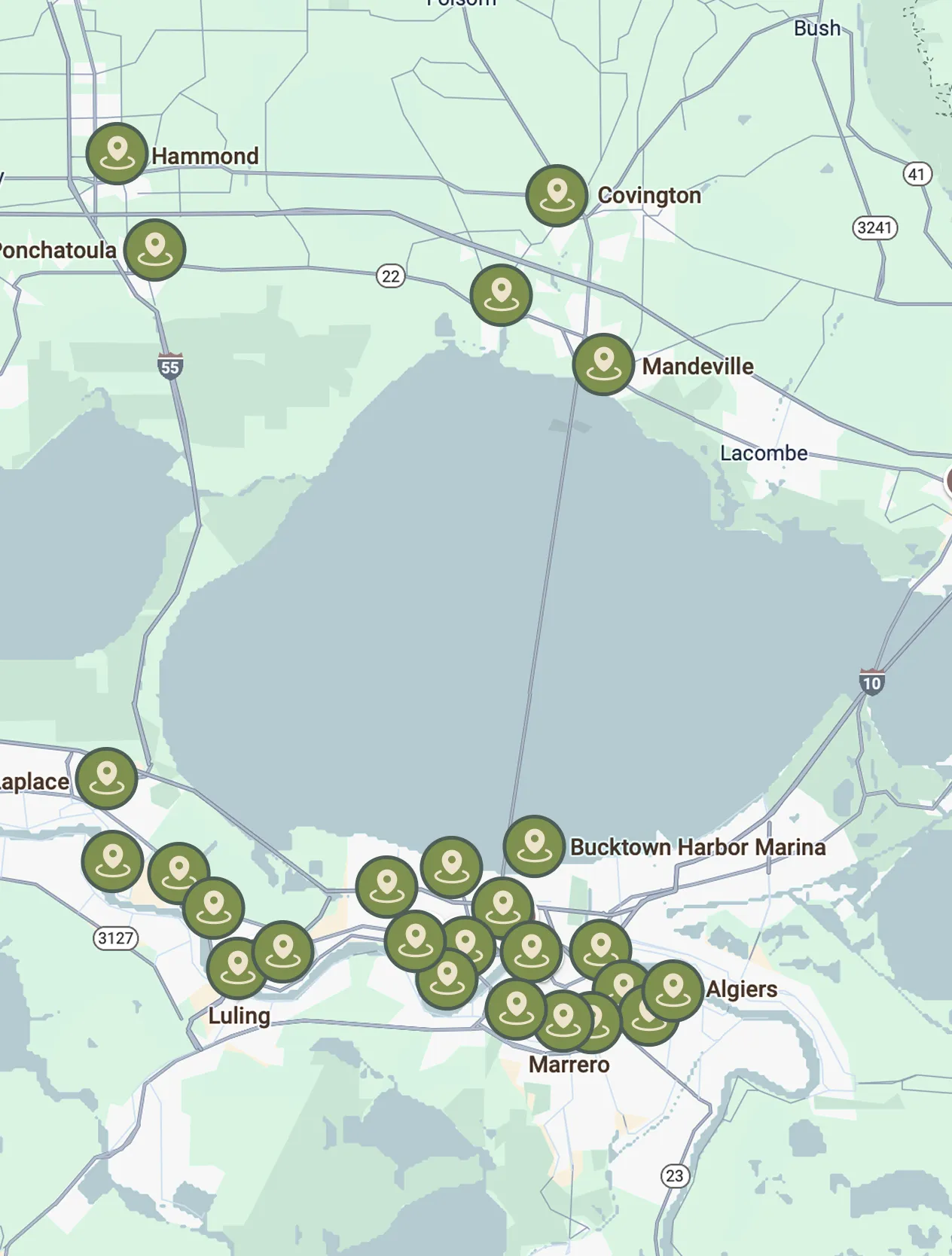
Our service areas are designed to meet the diverse needs of our clients. We focus on providing exceptional service and ensuring customer satisfaction in every location we operate.