Whole House Dehumidifiers in Jefferson, LA
.webp)
Jefferson, LA homeowners understand the importance of reliable moisture control. That's why expertly installed whole house dehumidifiers are a smart investment. At Cypress Cooling, we know how crucial it is to maintain a comfortable and healthy home. This guide explains how ducted and standalone units work, how to size systems specifically for Jefferson homes, and what you can expect during installation, drainage setup, and when using central controls. We'll also cover common issues, essential maintenance routines, and energy saving tips to help you maximize comfort and protect your valuable building materials. With professional selection assistance from Cypress Cooling and ongoing service plans, you can maintain a stable indoor humidity level, significantly reduce mold risk, and improve your overall indoor air quality throughout the year.

Whole House Dehumidifiers in Jefferson, LA
Excess indoor moisture is a common, persistent problem in Jefferson, LA. The Gulf Coast climate, high dew points, and frequent warm-season storms create conditions where indoor relative humidity often stays above comfortable and safe levels. Whole house dehumidifiers control that moisture at the source, protecting your home from mold, musty odors, wood rot, and reduced comfort. This page explains how ducted and standalone whole-home dehumidifiers work, how to choose and size the right system for Jefferson homes, installation and drainage options, maintenance and energy-efficiency tips, expected performance, and typical service plan options.
Why whole-home dehumidification matters in Jefferson, LA
Homes in Jefferson face year-round humidity. High indoor humidity causes these problems:
- Increased mold and mildew growth on walls, ceilings, and inside closets.
- Musty odors and increased allergy and asthma triggers.
- Warped hardwood floors, swollen doors, and damaged cabinetry.
- Longer drying times for laundry and higher perceived indoor temperature, causing increased air conditioning runtime.A properly installed whole house dehumidifier helps maintain a stable indoor relative humidity (RH), improving comfort, protecting building materials, and reducing the load on your cooling system.
Types of whole house dehumidifiers and how they work
There are two common approaches to whole-home dehumidification:
- Ducted (integrated) dehumidifiers: Installed in the HVAC system, usually next to the air handler or inside the return plenum. They treat air that circulates through your ducts so the whole home is managed by a single control. This option gives even humidity control, quieter operation, and better integration with existing HVAC equipment.
- Standalone or dedicated dehumidifier units: These can be high-capacity wall-mounted or floor models for specific zones like crawlspaces, basements, or detached living spaces. They are useful when duct integration is impractical or when a focused solution is required.
Both systems remove moisture by condensing water out of the air. A dehumidistat controls the unit and maintains a target RH. In Jefferson homes, the practical target is typically 45 to 55 percent RH to limit mold and avoid over-drying.
Common whole-home dehumidifier issues in Jefferson, LA
Understanding common issues helps set realistic expectations and highlights why professional selection and installation matter:
- Undersized equipment that cannot keep up during prolonged hot, humid spells.
- Improper drainage leading to backups, leaks, or frozen coils during sudden temperature swings.
- Poorly located installations that cause uneven humidity levels between rooms.
- Lack of routine maintenance resulting in dirty coils, clogged drain lines, reduced efficiency, and short cycling.
- Compatibility problems when retrofitting older HVAC systems.
Selecting and sizing the right system
Proper sizing is essential for performance in humid Louisiana conditions. Key factors used in a professional load and equipment selection include:
- Square footage and volume of conditioned space.
- Home construction type, insulation levels, and air leakage.
- Number of occupants and typical moisture sources such as frequent showers, indoor drying, or cooking.
- Crawlspace or attic moisture paths and any connected unconditioned spaces.
- Local climate patterns like high dew points and seasonal storm intrusion.
Whole-home units are typically rated by pints of moisture removed per day under industry test conditions. In Jefferson, expect to consider higher capacities than areas with drier climates. A professional assessment ensures the system you choose can control humidity during peak summer humidity and after storm events.
Installation and drainage options
Correct installation and drainage are crucial for reliability and long-term performance:
- Location: Ducted units are normally placed at or near the air handler for consistent airflow. Standalone units should be located for optimal air circulation and easy access for maintenance.
- Drainage choices:
- Gravity drain to a floor drain, condensate line, or outdoor discharge when elevation allows.
- Condensate pump to move water to a nearby sink, utility drain, or exterior discharge if gravity is not possible.
- PVC or rigid drain piping is standard for durability in humid climates.
- Electrical: Dedicated circuit requirements are common for whole-house systems. Proper wiring and a manufacturer-recommended disconnect are part of a professional installation.
- Controls: A centrally mounted dehumidistat or integrated control panel gives precise RH control and can be coordinated with the HVAC system to avoid conflicts between cooling and dehumidification.
Maintenance and energy-efficiency tips
Routine maintenance keeps performance high and energy use low:
- Replace or clean intake filters every 1 to 3 months depending on use and indoor air quality.
- Inspect and clean coils annually to prevent reduced airflow and freeze ups.
- Clear condensate drains and traps to prevent backups and microbial growth.
- Verify dehumidistat calibration and sensor placement for accurate control.
- Check fans, motors, and refrigerant charge during an annual tune-up.Energy-saving practices for Jefferson households:
- Set dehumidistat to 45 to 50 percent RH to balance comfort and efficiency.
- Coordinate dehumidification with the HVAC cooling cycle so the air conditioner handles sensible cooling while the dehumidifier manages latent load.
- Consider variable-speed models or systems with intelligent controls that adjust capacity to demand for lower energy use.
- Seal and insulate ductwork and control moisture infiltration through crawlspaces and attics to reduce the system load.
Performance expectations
A properly sized and installed whole house dehumidifier will:
- Reduce indoor RH to the target range within 24 to 72 hours depending on initial conditions and ongoing moisture sources.
- Maintain more consistent humidity levels throughout the home, reducing hot, muggy feelings and preventing condensation on windows and surfaces.
- Lower perceived temperatures so thermostats may be set a bit higher without sacrificing comfort, potentially reducing cooling runtime.Performance will vary with home tightness, occupant activities, and extreme weather events. In Jefferson, expect the system to work hardest during summer months and after storms; routine checks before and after peak seasons help ensure reliable operation.
Service and maintenance plan options
Homeowners commonly select from a range of service options to protect their investment:
- Annual inspection and tune-up: Includes cleaning coils and filters, drain inspection, fan and motor checks, and dehumidistat verification.
- Seasonal check: A pre-summer inspection to verify readiness for peak humidity.
- Preventive maintenance plan: Scheduled visits, priority scheduling for repairs, and discounted service rates for parts and labor.
- Diagnostic visits and repairs: Troubleshooting for leaks, electrical issues, or reduced capacity.Choosing the right level of service depends on home occupancy, presence of indoor moisture sources, and how aggressively you want to protect finishes and indoor air quality.
Whole-house dehumidifiers are a practical, long-term solution for Jefferson, LA homes facing persistent humidity. Proper selection, professional installation, and regular maintenance ensure reliable moisture control, reduce mold risk, protect building materials, and improve year-round comfort in this humid Gulf Coast environment.
OUR CLIENTS HAVE TO SAY ABOUT US



Service areas
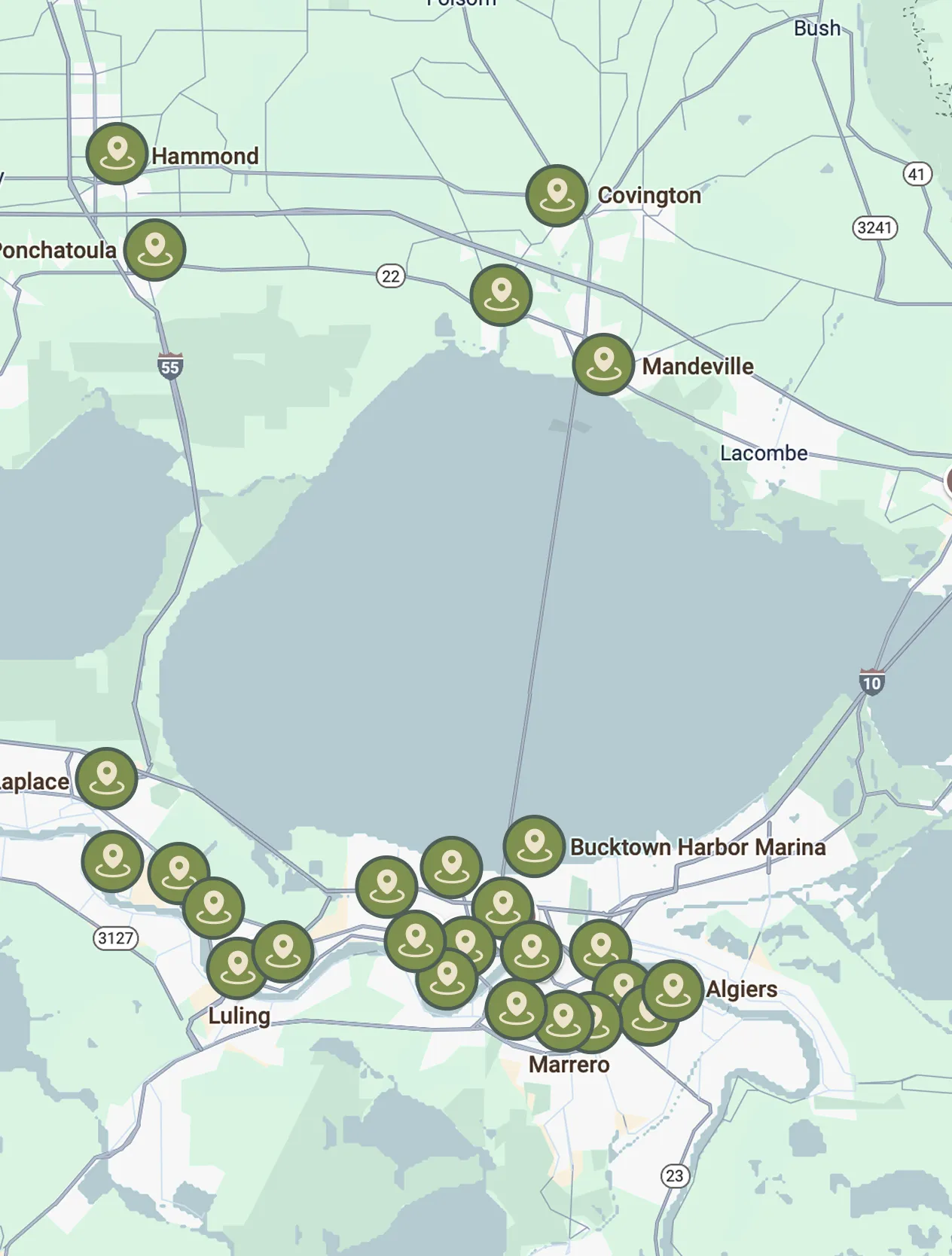
Our service areas are designed to meet the diverse needs of our clients. We focus on providing exceptional service and ensuring customer satisfaction in every location we operate.