Whole House Dehumidifiers in Gretna, LA
.webp)
Excess moisture can be a real problem, but whole house dehumidifiers in Gretna, LA, offer a comprehensive solution. These systems, available through Cypress Cooling, work to remove excess moisture from every room, enhancing comfort and reducing energy consumption. This guide explains how to select the right capacity for your home, important placement considerations, and the details of the installation process, including condensate options and electrical requirements. We'll also cover routine maintenance, address common issues, discuss ideal humidity targets for our humid Gulf Coast climate, and highlight the long term benefits of properly sized and well installed units for home durability and improved indoor air quality. Cypress Cooling emphasizes proactive care to maximize reliability and efficiency.

Whole House Dehumidifiers in Gretna, LA
Gretna homes face year-round humidity that can lead to mold, musty odors, peeling paint, and discomfort. Whole house dehumidifiers in Gretna, LA provide a reliable, energy-conscious solution by controlling indoor moisture across every room rather than treating pockets of humidity with portable units. This page explains how whole-home dehumidification works, how to choose the right system and placement, what to expect during installation, condensate handling options, routine maintenance, energy impacts, and recommended humidity setpoints for humid climates like Gretna.
Why whole-home dehumidification matters in Gretna, LA
Gretna sits in a humid subtropical climate with hot, sticky summers, frequent thunderstorms, and proximity to the Mississippi River and wetlands. High indoor humidity:
- Encourages mold and mildew growth on walls, insulation, and HVAC components.
- Exacerbates allergies and respiratory irritation.
- Damages wood floors, cabinetry, and electronics over time.
- Forces air conditioners to work harder, increasing energy costs.
A properly sized whole house dehumidifier stabilizes relative humidity, reducing these risks while improving comfort and indoor air quality.
Common whole house dehumidifier issues in Gretna, LA
Homeowners often seek whole-home dehumidification for these recurring problems:
- Persistent musty odors in basements, crawlspaces, or closets.
- Visible mold or recurring mold remediation.
- Windows that sweat frequently, even when the AC is running.
- High indoor humidity readings above 60% during summer months.
- Uneven humidity between rooms and poor attic or crawlspace control.
These are common whole house dehumidifier issues in Gretna, LA and signal the need for a system sized and installed for the whole-home moisture load.
Types of whole house dehumidifiers and placement
Whole house dehumidifiers come in two main styles:
- Ducted, integrated units that tie into the existing HVAC ductwork and treat supply or return air for the entire home.
- Standalone, high-capacity units placed in mechanical rooms, basements, or conditioned crawlspaces and ducted to critical areas.
Placement guidance:
- Mechanical room or near the air handler for integrated systems to simplify duct connections and wiring.
- In finished basements or conditioned crawlspaces for standalone units to protect vulnerable spaces.
- Avoid outdoor installations or unconditioned attics where freezing or extreme heat can impair performance.
Sizing is driven by home square footage, typical indoor activities, number of occupants, and local climate moisture loads. In Gretna, expect higher capacity needs than drier regions.
How technicians size and diagnose needs
A professional assessment typically includes:
- Measuring current indoor relative humidity and dew point in multiple rooms.
- Inspecting the HVAC system, ductwork, crawlspaces, and areas with known moisture problems.
- Calculating moisture load based on home size, occupancy, appliances, and local climate factors.
- Recommending capacity in pints per day (common capacities: 50, 70, 90+ pints/day) and whether a ducted or standalone approach is best.
Accurate diagnosis prevents short cycling, underperformance, and unnecessary energy use.
Typical installation overview
A standard installation sequence:
- Site assessment and final system selection based on load calculations.
- Mounting the unit in the mechanical room or integrating it with the HVAC air handler.
- Connecting ductwork or supply/return plenums for ducted models.
- Installing electrical service, control wiring, and a dedicated dehumidifier control or integrating with the thermostat.
- Routing condensate: gravity drain, condensate pump, or tying into the household drain depending on location.
- Commissioning: verifying humidity control settings, airflow, and leak-free condensate routing; testing system performance.
Installation quality determines long-term effectiveness and reliability, particularly in humid Gulf Coast communities.
Condensate handling options
Condensate is a predictable part of dehumidification. Common options:
- Gravity drain: preferred when the unit is above a drain and plumbing permits.
- Condensate pump: required when the condensate must be lifted to a higher drain point.
- Tie-in to HVAC condensate drain: practical for integrated installs but requires proper trap and slope to prevent backups.
- Drain to utility sink or outdoor drain: only where local codes allow and freezing is not a concern.
Proper condensate handling prevents leaks, odors, and secondary water damage.
Maintenance requirements and common issues
Routine care keeps systems efficient and prolongs life:
- Clean or replace inlet filters every 3 months or per manufacturer guidance.
- Inspect coils and drain pans annually; clean to prevent biofilm or mold.
- Test condensate pumps and drain lines periodically to avoid backups.
- Verify control calibration and humidity sensors at least once per year.
- Check duct connections and airflow for ducted units to avoid pressure imbalances.
Common problems and solutions:
- Insufficient dehumidification: usually undersized unit, poor airflow, or open windows/vents.
- Frequent cycling: oversized unit or incorrect control settings.
- Leaks or clogged drains: clean trap, clear drain line, or repair condensate pump.
- Excessive energy use: dirty filters, leaking ducts, or inefficient refrigeration components.
Energy efficiency and cost considerations
Whole house dehumidifiers alter HVAC energy dynamics:
- By removing moisture, they can reduce perceived temperature, allowing higher thermostat setpoints and less AC runtime.
- Modern units are more efficient than multiple portable dehumidifiers and better at maintaining consistent humidity.
- Look for models with higher integrated energy factor (IEF) and variable speed compressors and fans for improved part-load efficiency.
- Proper sizing and tight ductwork are essential for energy savings; an undersized unit can make the HVAC system run longer and raise costs.
In Gretna, where AC runs heavily in summer, a well-selected dehumidifier frequently lowers total HVAC energy use by allowing the cooling system to focus on sensible heat instead of moisture removal.
Recommended humidity setpoints for Gretna
For humid climates like Gretna:
- Aim for indoor relative humidity between 45% and 50% in summer months to balance comfort and mold prevention.
- Avoid setting below 40% year-round to prevent excessively dry air that can damage wood and aggravate respiratory conditions.
- Use a dehumidifier with a reliable humidistat or smart control that can maintain target RH while coordinating with your HVAC system.
Maintaining consistent setpoints is more effective than frequent, wide swings in humidity control.
Long-term benefits and maintenance best practices
Proper whole-home dehumidification delivers:
- Reduced mold and allergen growth and fewer mold remediation costs.
- Improved occupant comfort and perceived cooling efficiency.
- Preservation of wood floors, furniture, and home finishes.
- Potential reduction in overall HVAC energy use when paired with efficient AC.
Maintenance checklist:
- Filter check every 1 to 3 months.
- Coil and drain pan inspection annually.
- Condensate pump test quarterly in high-use months.
- Annual professional inspection to verify capacity and refrigerant levels.
Whole house dehumidifiers in Gretna, LA protect homes from local humidity challenges while improving comfort and indoor air quality. When sized and installed correctly, they are an efficient, long-term solution for moisture control in the Gulf Coast climate.
OUR CLIENTS HAVE TO SAY ABOUT US



Service areas
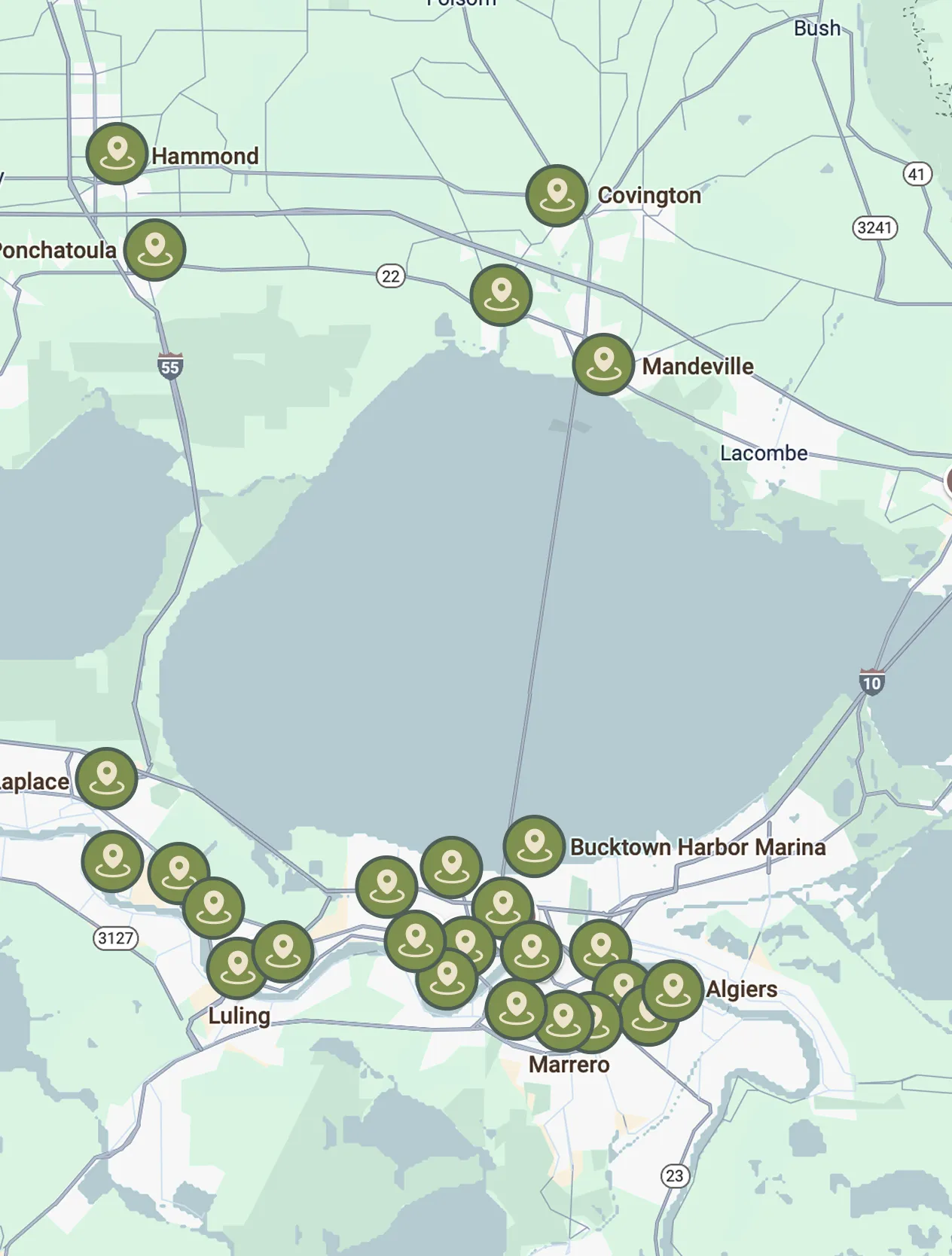
Our service areas are designed to meet the diverse needs of our clients. We focus on providing exceptional service and ensuring customer satisfaction in every location we operate.