Whole House Dehumidifiers in Elmwood, LA
.webp)
In Elmwood, LA, whole house dehumidifiers offer a fantastic way to maintain year round humidity control, boosting comfort, safeguarding your health, and protecting your property. At Cypress Cooling, we understand the importance of a balanced indoor environment. This guide will walk you through system types, proper sizing, installation best practices, and essential maintenance. We'll also cover expected energy usage and the positive impacts you can anticipate, such as reduced indoor humidity, fewer mold problems, and a longer lifespan for your HVAC system. From service plans to ducting options, drainage considerations to optimal placement, and practical maintenance schedules, we'll equip you with the knowledge to ensure reliable performance. With the right selection and professional installation from Cypress Cooling, these systems significantly improve indoor air quality while minimizing moisture related damage throughout your home.
Whole House Dehumidifiers in Elmwood, LA
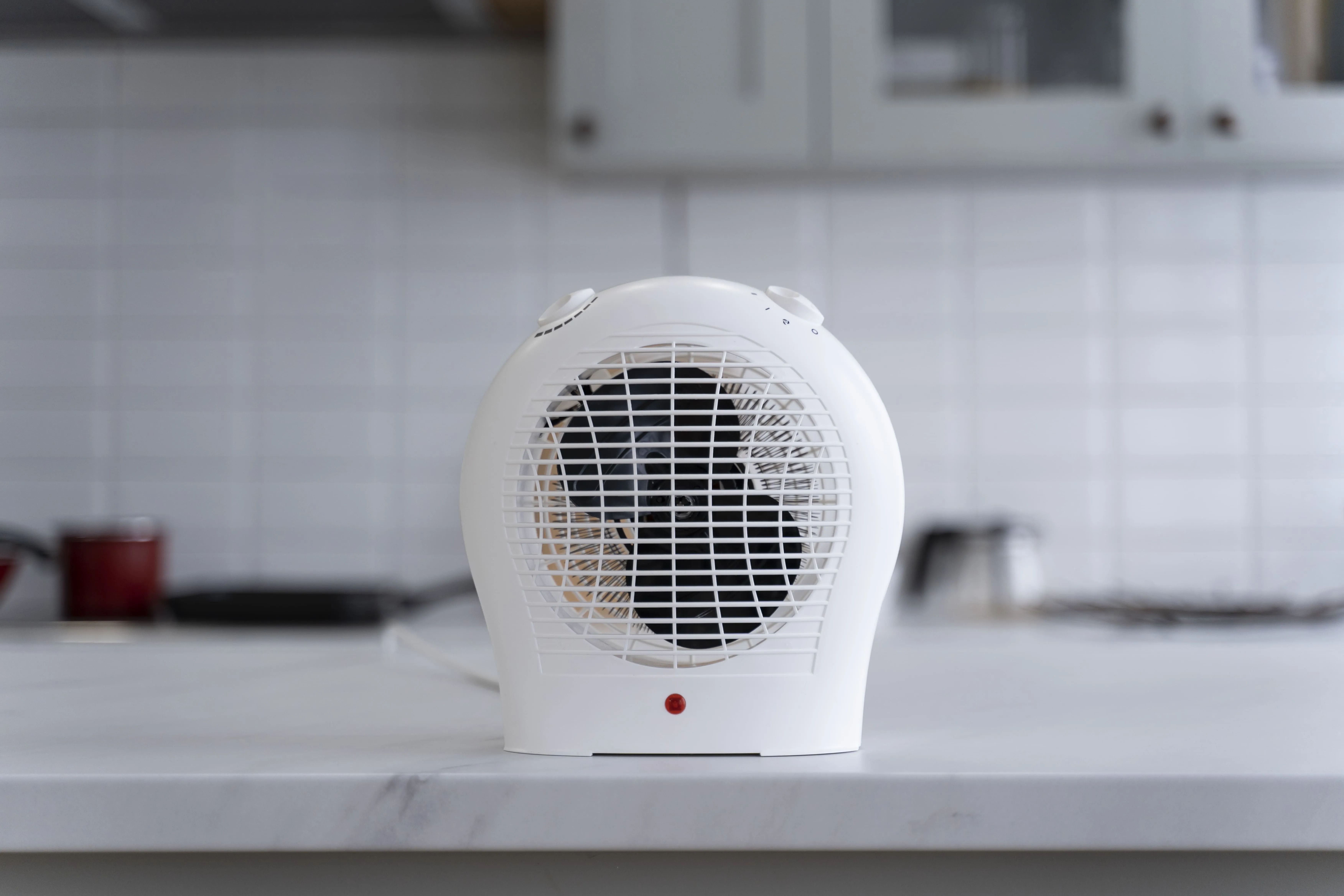
Keeping indoor humidity under control is one of the most important steps Elmwood homeowners can take to protect comfort, indoor air quality, and building materials. In a Gulf Coast climate where outdoor dew points often stay high year-round, a properly sized and installed whole house dehumidifier reduces mold risk, prevents musty smells, and helps your air conditioning run more efficiently. This page explains system types, sizing and installation considerations for Elmwood homes, energy and maintenance expectations, and the typical outcomes you can expect.
Why whole house dehumidification matters in Elmwood, LA
Elmwood is subject to prolonged high humidity, especially during spring, summer, and the hurricane season. That persistent moisture can cause:
- Accelerated mold and mildew growth in attics, crawlspaces, bathrooms, and closets
- Musty odors and increased dust mite activity, which worsen allergy symptoms
- Warping of hardwood floors, peeling paint, and faster decay of wood framing
- Increased AC runtime as systems struggle to remove both heat and moisture
A whole house dehumidifier treats the entire conditioned space rather than a single room, making it the most effective solution for year-round humidity control in Elmwood homes.
Common whole house dehumidifier issues in Elmwood, LA
Homeowners often seek whole house solutions after experiencing one or more of these problems:
- High indoor relative humidity (above 55%) despite running the AC
- Recurring mold patches in bathrooms, closets, or behind furniture
- Cold, clammy indoor feeling even at moderate thermostat settings
- HVAC short-cycling or poor dehumidification due to oversized air conditioners
- Crawlspace or basement dampness that leads to musty odors
Understanding the root cause—climate, ventilation, duct leakage, or HVAC sizing—is the first step to selecting the right system.
System types and how they work
There are several whole-house dehumidifier types commonly used in residences in the Elmwood area:
- Ducted refrigerant dehumidifiers: Mounted in the return or bypass duct, these use a refrigeration cycle to condense moisture and are well suited for warm, humid climates.
- Coil-integrated or A/C pairing: Some units are designed to work with an existing air handler or furnace coil to improve dehumidification without a separate unit.
- Desiccant dehumidifiers: Use a moisture-absorbing material and are effective at lower temperatures or in specific industrial applications; less common for standard Elmwood homes.
- Hybrid systems: Combine refrigerant and desiccant technology for enhanced performance in specific situations.
For most Elmwood residences, a ducted refrigerant whole-house unit provides the best balance of performance and efficiency in year-round hot and humid conditions.
Sizing considerations (capacity and placement)
Sizing a whole-house dehumidifier is not a one-size-fits-all process. Key factors include:
- Home square footage and ceiling height
- Building tightness and ventilation rates
- Number of occupants and typical indoor activities (cooking, showers, laundry)
- Local indoor/outdoor humidity differences and seasonal patterns
- Crawlspace or basement moisture sources
Manufacturers rate whole-house units by pints or liters of moisture removal per day under specified conditions. A professional humidity load calculation tailored to Elmwood’s climate will determine the right capacity. Proper placement—typically in the central return duct or a utility closet with accessible condensate routing—ensures even whole-home humidity control.
Installation and ducting options
Installation approaches vary by home layout and HVAC configuration:
- Bypass installation: A portion of return air is routed through the dehumidifier and returned to the system. Works well when air handler space is limited.
- Full-duct integration: The dehumidifier is installed in the main return or supply duct for whole-house coverage.
- Standalone with duct connections: Units mounted in a mechanical room with short duct runs to the return and supply.
Drainage options commonly used in Elmwood homes include gravity drains to a floor drain or utility sink, condensate pump to a nearest drain or sump, or tie-in to an existing condensate line. Electrical considerations often require a dedicated circuit and proper disconnects. Accessibility for service and a nearby condensate route are critical planning items.
Expected energy use and efficiency
Whole-house dehumidifiers do use electricity, but they can improve overall HVAC efficiency by reducing latent load—the moisture load your AC must remove. Typical points to consider:
- Running power can range from roughly 500 to 1500 watts depending on size and operating conditions; larger units used in very humid conditions will draw more.
- Many modern whole-house units include variable-speed fans and efficient compressors to reduce run time.
- By lowering indoor humidity to the 45-50% range, you may be able to set the thermostat a few degrees higher without sacrificing comfort, which can lower air conditioning energy consumption.
- Look for units with energy-efficient components and controls that modulate based on setpoint to minimize unnecessary runtime.
A proper design balances dehumidifier capacity with AC performance to avoid wasting energy.
Maintenance and drain requirements
Routine maintenance keeps performance strong and prevents issues common in humid climates:
- Replace or clean air filters every 1–3 months depending on use and indoor air quality.
- Inspect and clean coils annually to prevent buildup that reduces efficiency.
- Check condensate lines and traps for clogs; clear drain pans and verify condensate pump operation if installed.
- Verify control calibration and humidity sensors seasonally.
- Seasonal checks for corrosion or leaks, especially in coastal or high-salt environments.
A planned maintenance schedule helps Elmwood homeowners avoid downtime during peak humidity months.
Typical outcomes and benefits
When sized and installed correctly for Elmwood conditions, whole-house dehumidification produces measurable benefits:
- Indoor relative humidity reliably maintained in the recommended 45–50% range
- Fewer mold and mildew occurrences and elimination of persistent musty odors
- Improved perception of comfort at higher thermostat settings
- Reduced pressure on the air conditioning system, which can extend equipment life
- Protection of wood floors, furniture, electronics, and stored belongings from moisture damage
These outcomes translate into better indoor air quality, reduced allergen exposure, and long-term preservation of the home.
Service plans and ongoing support
Homeowners can choose maintenance plans that include routine inspections, seasonal tune-ups, filter replacement schedules, condensate system checks, and priority scheduling for repairs. Typical plan features:
- Annual or biannual system inspections and coil cleaning
- Scheduled filter replacements and sensor calibrations
- Condensate line cleaning and pump testing
- Performance reporting to verify humidity setpoints are met
With regular maintenance, whole-house dehumidifiers in Elmwood homes deliver consistent performance year after year.
Final considerations for Elmwood homeowners
Elmwood’s humid climate makes whole-house dehumidification a practical investment in comfort, health, and property protection. The most successful installations start with a professional assessment of humidity loads, duct layout, and drain logistics. With the right type, capacity, and maintenance plan, a whole-house dehumidifier will reduce mold risk, improve AC efficiency, and create a noticeably more comfortable home environment throughout the wettest months and beyond.
OUR CLIENTS HAVE TO SAY ABOUT US



Service areas
Our service areas are designed to meet the diverse needs of our clients. We focus on providing exceptional service and ensuring customer satisfaction in every location we operate.