Whole House Dehumidifiers in Destrehan, LA
.webp)
Installing a whole house dehumidifier in your Destrehan, LA home with Cypress Cooling offers significant benefits, from improved comfort and reduced condensation to better protection for your wood, electronics, and HVAC equipment. Learn to recognize the common signs of excess humidity and explore system options with Cypress Cooling – refrigerant, desiccant, ducted, and standalone. We'll provide guidance on proper sizing and detail the installation steps, energy considerations, expected results, and ongoing maintenance. Cypress Cooling recommends humidity targets of about 40–50% to prevent mold growth and preserve your home's condition.

Whole House Dehumidifiers in Destrehan, LA
High humidity is more than an annoyance in Destrehan, LA; it is a persistent threat to comfort, indoor air quality, and the long-term condition of your home. Whole house dehumidifiers provide a centralized, effective way to control moisture across living spaces, reduce mold and mildew risk, and protect wood, electronics, and HVAC equipment in this warm, humid Gulf Coast climate.
Why Destrehan homes need whole house dehumidification
Destrehan sits in a humid subtropical zone with long, muggy summers, frequent rain, and seasonal storms. That combination often leads to:
- Persistent condensation on windows and metal surfaces
- Musty odors and visible mold or mildew on walls, trim, and in closets
- Peeling paint, warped wood floors, or swollen door frames
- Increased allergy and asthma symptoms due to mold spores and dust mitesA whole house dehumidifier targets the root cause by lowering relative humidity (RH) throughout the conditioned space rather than treating isolated rooms.
Common signs you need a whole house dehumidifier
Look for these clear indicators that localized solutions are no longer enough:
- Condensation on windows or interior building surfaces during routine indoor temperatures
- Noticeable musty odors in living areas, closets, or basements
- Recurring mold or mildew in bathrooms, laundry areas, attics, or crawlspaces
- Frequent HVAC short-cycling or excessive runtime with limited comfort improvement
- Allergy flare-ups that correlate with damp weather or high indoor humidity
Types of whole house dehumidifiers and how they compare
Choosing the right type depends on home size, existing HVAC, and local humidity patterns.
- Refrigerant (compressor) whole house units
- Best for warm climates like Destrehan where indoor temperatures are moderate to high
- Removes moisture by cooling air over coils; efficient at typical home temperatures
- Commonly installed in the HVAC return plenum or adjacent to the air handler
- Desiccant dehumidifiers
- Use moisture-absorbing materials and are effective at lower temperatures and in tight spaces
- Less common for typical southern homes unless specific low-temperature performance is required
- Ducted in-line whole house units
- Installed directly into HVAC ductwork to treat all conditioned air
- Provides balanced, whole-home humidity control and usually operates quietly
- Standalone whole-house style units (installed in utility rooms or basements)
- May be used where duct integration is difficult
- Can serve the whole house if sized and located properly, though ducted solutions are often more consistent
Capacity considerationsSizing is based on square footage, ceiling height, number of occupants, activities (laundry, indoor plants), and local outdoor humidity. In Destrehan, typical residential whole-house units are rated by pints per day removed; accurate sizing prevents underperformance and oversizing that wastes energy.
Ducted vs standalone: pros and cons for Destrehan homes
- Ducted whole-house dehumidifiers
- Pros: consistent whole-home control, quieter operation, centralized drain and electrical setup, better integration with existing HVAC controls
- Cons: higher initial installation complexity and coordination with HVAC system
- Standalone or non-ducted units
- Pros: lower upfront complexity, placement flexibility
- Cons: may not provide uniform humidity control in larger or multi-level homes, can be noisier, may require larger footprints and more frequent maintenance
For most Destrehan homes, a properly installed ducted unit paired with the central HVAC produces the most reliable, energy-efficient results.
What to expect during installation
- Load and site assessment: a technician measures square footage, inspects duct layout, checks for moisture sources, and reviews electrical capacity
- Sizing and recommendation: selection of a unit rated to handle local humidity loads and the home’s layout
- Placement: common locations are the return plenum, mechanical room, or attic adjacent to the air handler; proximity to a drain line or pump is considered
- Drain and electrical setup: provision for gravity drain or condensate pump, and appropriate electrical circuit (some units require 240V)
- Controls integration: dehumidistat placement and possible integration with thermostat or home automation for humidity-based control
A professional install ensures proper airflows, drainage, and control placement to prevent short-cycling and ensure whole-home coverage.
Energy considerations and expected results
Whole house dehumidifiers consume power but can produce net energy benefits in humid climates:
- Improved comfort with higher thermostat setpoints: lowering humidity often allows the AC to maintain comfort at slightly higher temperatures, reducing cooling load
- Reduced AC runtime and better system efficiency because drier air feels cooler and HVAC does not have to remove as much latent heat
- Look for ENERGY STAR rated units or high-efficiency models to minimize operating costs
Expected outcomes in Destrehan homes include noticeable reduction in condensation, fewer mold and mildew occurrences, diminished musty odors, and better protection for wood floors and furnishings. Most homes see RH reductions to the targeted setpoint within days, with stabilized levels thereafter.
Maintenance requirements to keep performance steady
Regular upkeep preserves capacity and prevents downtime:
- Replace or clean air intake filters every 3 months or per manufacturer guidance
- Inspect and clean coils and drain pans annually to prevent buildup and microbial growth
- Verify condensate drain lines for clogs and proper slope; consider a pump if gravity drainage is not available
- Check controls and humidistat calibration seasonally
- Schedule professional tune-ups at least once per year, more often if the system serves a flood-prone area or heavy moisture loads
Proper maintenance extends equipment life and maintains efficient moisture removal.
Recommended humidity setpoints for health and home preservation
For Destrehan homes, aim for:
- Primary target: 40% to 50% relative humidity indoors to inhibit mold and dust mites while maintaining comfort
- Upper limit: below 60% RH to reduce mold growth risk
- Seasonal adjustments: maintain toward the lower end of the range during warm, humid months and slightly higher in cooler, drier periods if needed for comfort or to protect older wood elements
Consistent RH control helps prevent mold growth, reduces allergens, and protects structural components and belongings.
Final considerations for Destrehan residents
Whole house dehumidification is a long-term investment in home health and comfort in Destrehan’s humid environment. The right system, properly sized and installed with attention to drainage and controls, reduces mold risk, preserves building materials, and improves indoor air quality. Regular maintenance and sensible humidity setpoints will sustain those benefits year-round and complement residential cooling systems in managing the distinctive moisture challenges of the region.
OUR CLIENTS HAVE TO SAY ABOUT US



Service areas
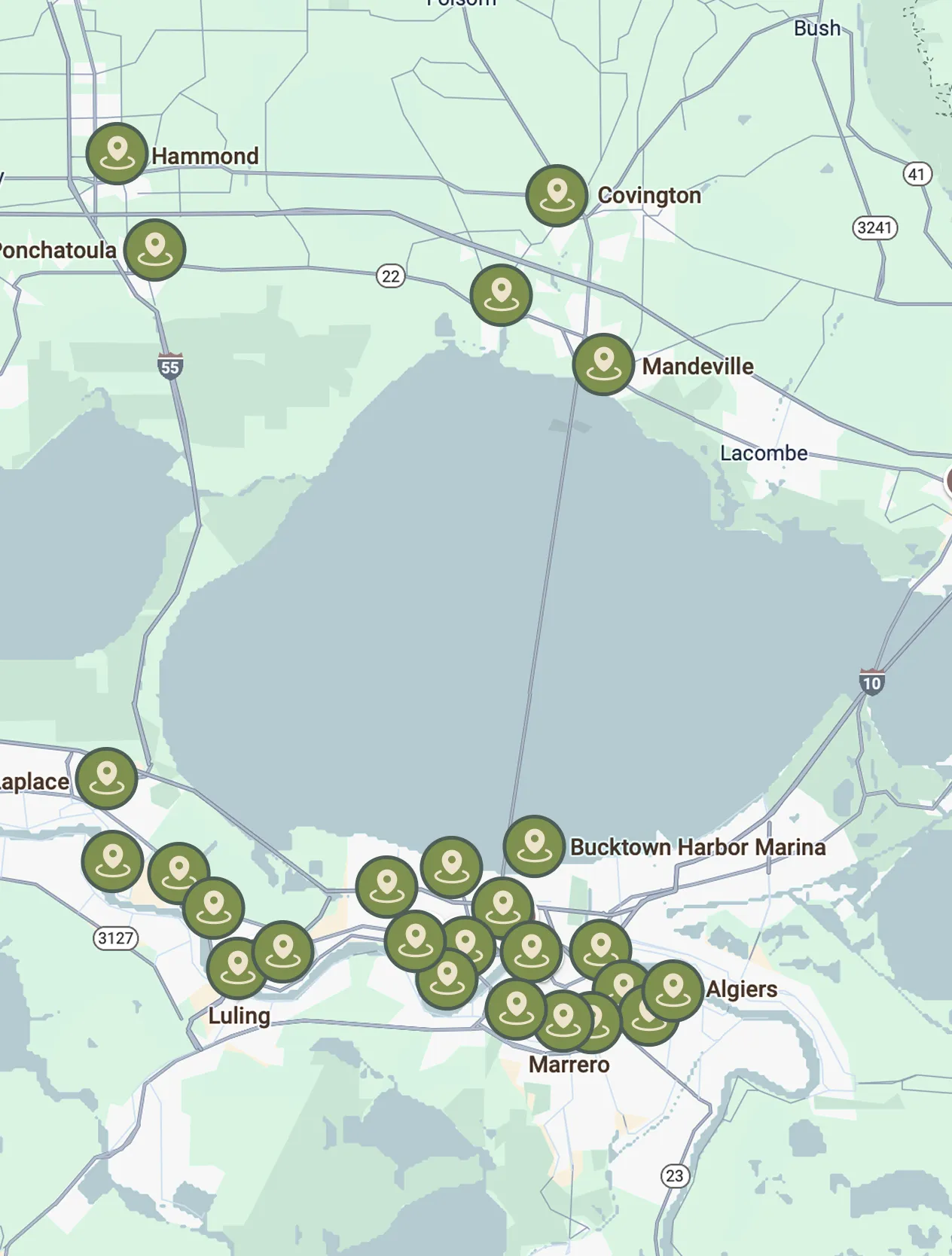
Our service areas are designed to meet the diverse needs of our clients. We focus on providing exceptional service and ensuring customer satisfaction in every location we operate.