Whole House Dehumidifiers in Carrollton (Harahan Junction), LA
.webp)
Cypress Cooling provides whole house dehumidifiers in Carrollton, LA, offering centralized moisture control to improve your comfort and protect your valuable building materials. South Louisiana's humidity can be a real challenge, but Cypress Cooling has the expertise to help. We'll guide you through sizing considerations, installation integration with your home's heating and air system, condensate handling, and essential maintenance routines. We address common issues like persistent high relative humidity (RH), mold growth, and musty odors. Cypress Cooling offers a range of units, including ducted, bypass, and crawlspace options, and we'll outline the best selection criteria based on your home's layout and moisture loads. Expect stabilized RH levels, reduced energy consumption, and a healthier indoor air quality with Cypress Cooling.
Whole House Dehumidifiers in Carrollton (Harahan Junction), LA
Excess indoor humidity is one of the most common, yet overlooked, comfort and health problems in Carrollton (Harahan Junction), LA. South Louisiana’s hot, humid climate and older homes with elevated crawlspaces create conditions where mold, mildew, musty odors, and higher allergen loads thrive. A properly sized and installed whole house dehumidifier controls moisture across every room, protects building materials, improves comfort, and works with your HVAC system to minimize energy waste.
Why Whole House Dehumidifiers Matter in Carrollton
- South Louisiana routinely sees long stretches of high relative humidity (often above 60–70%) that persist even when temperatures fall.
- Local homes—especially those near the Mississippi River and older neighborhoods like Carrollton—often have elevated interior moisture from humid outdoor air, indoor activities, and limited attic or crawlspace ventilation.
- Persistent humidity leads to mold growth, wood rot, peeling paint, increased dust mite populations, and musty odors that affect indoor air quality and comfort.
A whole house dehumidifier addresses these problems at the system level rather than treating symptoms room by room with portable units.
Common Whole House Dehumidifier Issues in Carrollton Homes
- Unstable indoor relative humidity (RH) despite running the thermostat
- Persistent mold or mildew in bathrooms, closets, basements/crawlspaces, and attics
- Musty odors after rain events or during summer months
- HVAC cycling more frequently with higher energy bills
- Water collecting in crawlspaces or along foundation walls
- Portable dehumidifiers that are noisy, underpowered, or require frequent emptying
Understanding the root causes—poor ventilation, inadequate condensate handling, or incorrect equipment sizing—is essential for long-term control.
Types of Whole-Home Dehumidifier Solutions
- Ducted inline whole-house dehumidifiers that integrate with the HVAC return or supply plenum for centralized moisture control
- Bypass-style dehumidifiers that use existing ductwork and the HVAC blower to distribute dry air
- Standalone high-capacity units for homes without compatible HVAC systems (less common in modern installations)
- Crawlspace-specific units designed for low-clearance areas to protect foundations and floor systems
Selection depends on home layout, existing HVAC equipment, and local moisture loads.
Sizing Guidance for Carrollton Homes
Sizing a whole house dehumidifier requires more than square footage; climate, occupancy, number of bathrooms, laundry frequency, and foundation type all matter. General guidance for humid South Louisiana conditions:
- Homes under 1,200 sq ft: 30–50 pints/day may be adequate in mild cases
- 1,200–2,000 sq ft: 50–70 pints/day is common
- 2,000–3,000 sq ft: 70–90 pints/day in very humid areas
- 3,000+ sq ft or homes with high moisture loads (many occupants, frequent indoor drying, basement/crawlspace moisture): 90–120+ pints/day
These ranges assume typical Louisiana humidity patterns. Final sizing is based on measured indoor RH, target RH (commonly 45–55% for comfort and mold control), and whole-home airflow characteristics.
Installation and HVAC Integration
- Whole-house units are typically installed in the HVAC return plenum or adjacent to the air handler to treat the entire home uniformly.
- Controls include dedicated humidistats or integration with the home thermostat for coordinated dehumidification and cooling.
- Electrical requirements can vary; many systems need a dedicated circuit and sometimes 240V service.
- Proper airflow balancing and register configuration ensure treated air reaches all living spaces.
- Professional installation includes airflow tests, static pressure checks, and control calibration to prevent short-cycling or humidity overshoot.
Integration with your existing HVAC system improves efficiency and maintains consistent indoor humidity without excessive cooling.
Condensate Handling and Drainage
- Most whole-house dehumidifiers produce condensate that must be routed to a gravity drain, floor drain, or sewer line if allowed by local code.
- When gravity drainage is not available, a condensate pump or an up-stand pump system is used to move water to an appropriate discharge point.
- In coastal or clay soil areas, condensate can be slightly acidic; neutralizer pads or approved discharge methods may be required to protect landscaping and comply with regulations.
- Crawlspace installations may require sealed drains and sump connections to manage ground moisture effectively.
Maintenance and Longevity
- Routine tasks: change or clean the intake filter quarterly, inspect drain lines for clogs, and rinse condensate traps annually.
- Annual professional service: coil cleaning, refrigerant checks, electrical inspection, control calibration, and airflow balancing.
- Seasonal checks: verify settings after heavy rain seasons and inspect crawlspaces or attics for signs of recurring moisture.
- Proper maintenance extends equipment life, preserves efficiency, and prevents secondary problems like mold in the drain pan or discharge drains.
Energy Use and Cost Considerations
- Whole-house dehumidifiers do consume electricity but are typically more energy-efficient than running multiple portable units for the same coverage.
- In humid climates like Carrollton, dehumidification often reduces cooling load because drier air feels cooler, allowing thermostats to be set a degree or two higher without sacrificing comfort.
- Typical power draw varies by model and capacity; efficient units with variable-speed fans and modulating compressors reduce runtime and cost.
- Net energy impact should be evaluated holistically: reduced HVAC runtime, lower mold remediation risk, and improved indoor air quality often justify the operating cost.
Before/After Results — Typical Outcomes in Carrollton Homes
- Example A: 2,200 sq ft raised historic home in Carrollton with persistent closet mold. Baseline RH averaged 68%. After installing a 90-pint ducted unit integrated to the air handler, RH stabilized at 45–50%, visible mold disappeared within weeks, and HVAC runtime dropped approximately 10–15%.
- Example B: 1,000 sq ft shotgun-style home with musty odors and bathroom condensation. A 50-pint bypass unit reduced RH from 65% to 48%, eliminated odors, and reduced dust mite indicators in indoor air quality checks.
- Example C: Crawlspace remediation for a bungalow near low-lying areas. Adding a sealed crawlspace dehumidifier reduced moisture intrusion, protected floor joists from rot, and helped drying efforts after a seasonal flood event.
These representative outcomes reflect the consistent improvements homeowners in Carrollton report when a properly sized, installed, and maintained whole-house dehumidifier is used.
What to Expect During a Humidity Assessment
- Pre-assessment: provide basic home details—square footage, number of floors, location of HVAC equipment, and known moisture problem areas.
- On-site walkthrough: inspector measures temperature and relative humidity at multiple points, checks attic and crawlspace conditions, inspects HVAC connections and condensate routes, and looks for sources of excess moisture.
- Diagnostics: results include measured RH levels, thermal imaging for hidden moisture, and airflow measurements to inform correct unit sizing.
- Recommendation package: sized equipment options, installation method (ducted or bypass), condensate handling plan, and estimated energy/operational considerations presented in a clear, written summary.
Preparing basements/crawlspaces accessible and providing information about recent moisture events helps make the assessment more accurate.
Long-term Benefits for Carrollton Homes
A correctly selected whole house dehumidifier protects your home’s structure, reduces allergy triggers, improves comfort, lowers long-term maintenance and remediation costs, and pairs with the HVAC system to deliver consistent indoor environments suited to South Louisiana’s climate. Regular maintenance and proper installation ensure reliable performance and the best return on investment when combating regional humidity challenges.
OUR CLIENTS HAVE TO SAY ABOUT US



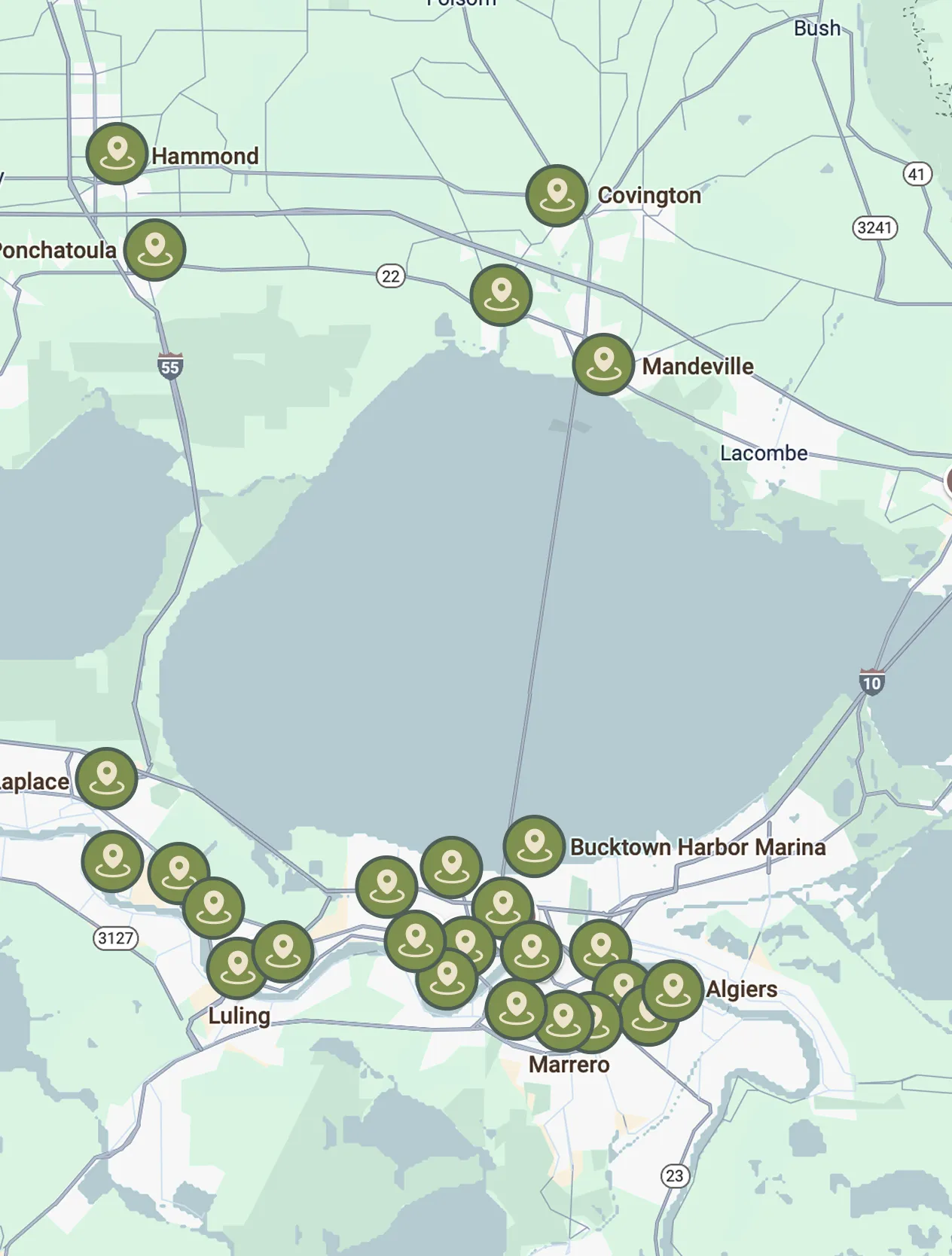
Service areas
Our service areas are designed to meet the diverse needs of our clients. We focus on providing exceptional service and ensuring customer satisfaction in every location we operate.