UV Light in Terrytown, LA
.webp)
In Terrytown, UVC induct lighting provides a proactive solution for homeowners seeking to minimize mold, bacteria, and surface biofilms on coils and ducts. Cypress Cooling ensures proper installation, strategically targeting the evaporator coil face and drain pan to maximize airflow, humidity control, and overall system efficiency. We provide clear guidance on lamp life, warranty options, and a simple scheduling process for installation or servicing in Terrytown. Regular lamp replacement, adherence to safety measures, and compatibility checks are all part of ensuring lasting performance and a healthier home environment.

UV Light in Terrytown, LA
Installing an in-duct UV light system is an effective way to reduce airborne bacteria, viruses, and mold growth in Terrytown, LA homes. Given the Gulf Coast climate here — high humidity, warm temperatures, and frequent pollen — HVAC systems are prone to microbial growth that reduces indoor air quality and system efficiency. This page explains how in-duct UV-C lamp systems work, where they are positioned, the health and maintenance benefits, expected lamp life and replacement schedules, safety considerations, compatibility with existing systems, warranty options, and the typical scheduling process for installation or service in Terrytown.
Why Terrytown homes benefit from in-duct UV light systems
Terrytown’s warm, humid climate creates ideal conditions for mold and microbial growth on evaporator coils and in ductwork. Common consequences include musty odors, reduced HVAC efficiency, clogged drain pans, and increased allergy or respiratory symptoms. In-duct UV light systems:
- Reduce microbial load on coils, drain pans, and duct surfaces
- Improve airflow by limiting biofilm buildup that restricts heat transfer
- Help maintain more consistent indoor humidity and temperature control
- Complement filtration to lower the overall risk of airborne pathogens
This makes UV-C systems especially relevant for homes with allergy sufferers, households with young children or older adults, and properties that experience persistent mold or odors.
Common UV light system types and problems in Terrytown
There are two primary styles of residential UV systems for HVAC:
- Coil-mounted in-duct UV systems that face the evaporator coil and drain pan
- Air-stream in-duct UV systems that irradiate airflow inside ducts
Common installation and performance issues to watch for:
- Incorrect lamp placement that misses high-risk surfaces
- Lamps installed in sections of ductwork that limit exposure time
- Dirty or obstructed lamps reducing UV output
- Mismatched ballast or power supply causing early failure
- Systems sized too small for larger systems or unconventional duct layouts
How in-duct UV-C lamps are installed and positioned
Proper installation is crucial for performance. Typical steps include:
- Assessment of the HVAC layout, coil orientation, and accessible duct sections.
- Selection of UV lamp type and wattage sized to the coil dimensions and airflow.
- Placement of lamps to irradiate the evaporator coil face and drain pan area, usually just downstream of the return air plenum where the coil is exposed.
- Secure mounting with brackets and routing of wiring to the unit’s power source or dedicated low-voltage transformer.
- Sealing and labeling for safety and maintenance access.
Key placement principles:
- Lamps should aim directly at high-risk surfaces like the coil and drain pan.
- Allow sufficient exposure distance and time; closer proximity increases intensity but must avoid obstructing airflow.
- Install protective housings or shields where needed to prevent accidental exposure during service.
Health and maintenance benefits
Health and comfort benefits from a properly installed in-duct UV system include:
- Lower concentrations of viable bacteria, mold spores, and some airborne viruses on treated surfaces
- Reduced musty odors associated with microbial growth
- Less frequent coil cleaning and fewer drain pan clogs, which reduces emergency maintenance
- Potential for improved HVAC efficiency and longer coil life due to reduced biofilm
Maintenance advantages:
- Simplifies routine upkeep by reducing organic buildup
- Extends time between professional coil cleanings
- Provides predictable maintenance tasks centered on lamp replacement and annual inspection
Expected lamp life and replacement schedule
UV-C lamps gradually lose output over time even if they continue to light. Typical guidance:
- Most residential UV-C lamps have a rated life of about 9 to 12 months of continuous operation for optimal germicidal output.
- Some high-quality lamps may be rated up to 12 months or slightly longer, but manufacturers generally recommend annual replacement to ensure efficacy.
- Ballasts or electronic drivers should be inspected at the time of lamp replacement; some components may have longer service lives but can fail earlier in humid environments.
Document lamp installation dates and replace lamps on a regular schedule. Annual inspection is advisable, especially in Terrytown where humidity and dust can accelerate degradation.
Safety considerations
UV-C light is effective at inactivating microorganisms but can be harmful to skin and eyes. Safety measures include:
- Installing lamps entirely within ductwork or behind protective housings to prevent direct exposure to occupants or service personnel.
- Labeling access panels and providing warnings for service technicians.
- Using certified lamps and ballasts designed for HVAC use to minimize electrical or fire risks.
- Following manufacturer instructions for disposal, as some lamps contain small amounts of mercury.
Regularly check seals and housings during maintenance to ensure no accidental light leakage.
Compatibility with existing HVAC systems
In-duct UV systems are compatible with most forced-air residential HVAC systems, but compatibility checks are needed for:
- Unusual duct configurations, minimal access to the coil, or very compact air handler enclosures
- Systems with UV-sensitive components near the lamp location; most modern plastics used in HVAC are selected to tolerate UV exposure but confirm component tolerances
- Variable-speed or multi-stage systems where airflow patterns change; installer should evaluate exposure time requirements
An initial system assessment determines the best lamp placement, quantity of lamps, and whether coil-mounted or air-stream units will deliver the desired results.
Warranties and what to expect
Warranty options vary by manufacturer and installer. Typical elements to evaluate:
- Lamp warranty covering manufacturing defects for a limited period; performance warranties for output are uncommon
- Ballast or driver warranty, often 1 to 3 years depending on component quality
- Installer workmanship guarantees covering mounting, wiring, and compatibility issues for a set period
Review warranty terms for coverage of labor, replacement parts, and any conditions such as annual maintenance requirements that must be met to maintain warranty validity.
Typical scheduling and service process in Terrytown
The installation and service flow usually follows these steps:
- Initial assessment to determine system compatibility and recommended lamp placement
- Formalizing scope of work and selecting lamp and ballast options
- Scheduling an installation window that includes access to the air handler and electrical panel
- Completing installation, verifying electrical connections, and documenting lamp installation dates
- Post-installation inspection and a schedule for annual lamp replacement and system checks
Service calls for lamp replacement, ballast repair, or system inspection are commonly performed during scheduled maintenance visits to coordinate with other HVAC servicing needs.
Final considerations for Terrytown homeowners
For Terrytown residents, in-duct UV-C systems provide a targeted approach to reduce microbial growth that thrives in local humidity and heat. When combined with good filtration, regular HVAC maintenance, and humidity control, UV systems can reduce odors, lower microbial load on critical components, and help preserve system efficiency. Proper installation, annual lamp replacement, and adherence to safety guidelines are essential to achieve consistent, long-term benefits.
OUR CLIENTS HAVE TO SAY ABOUT US



Service areas
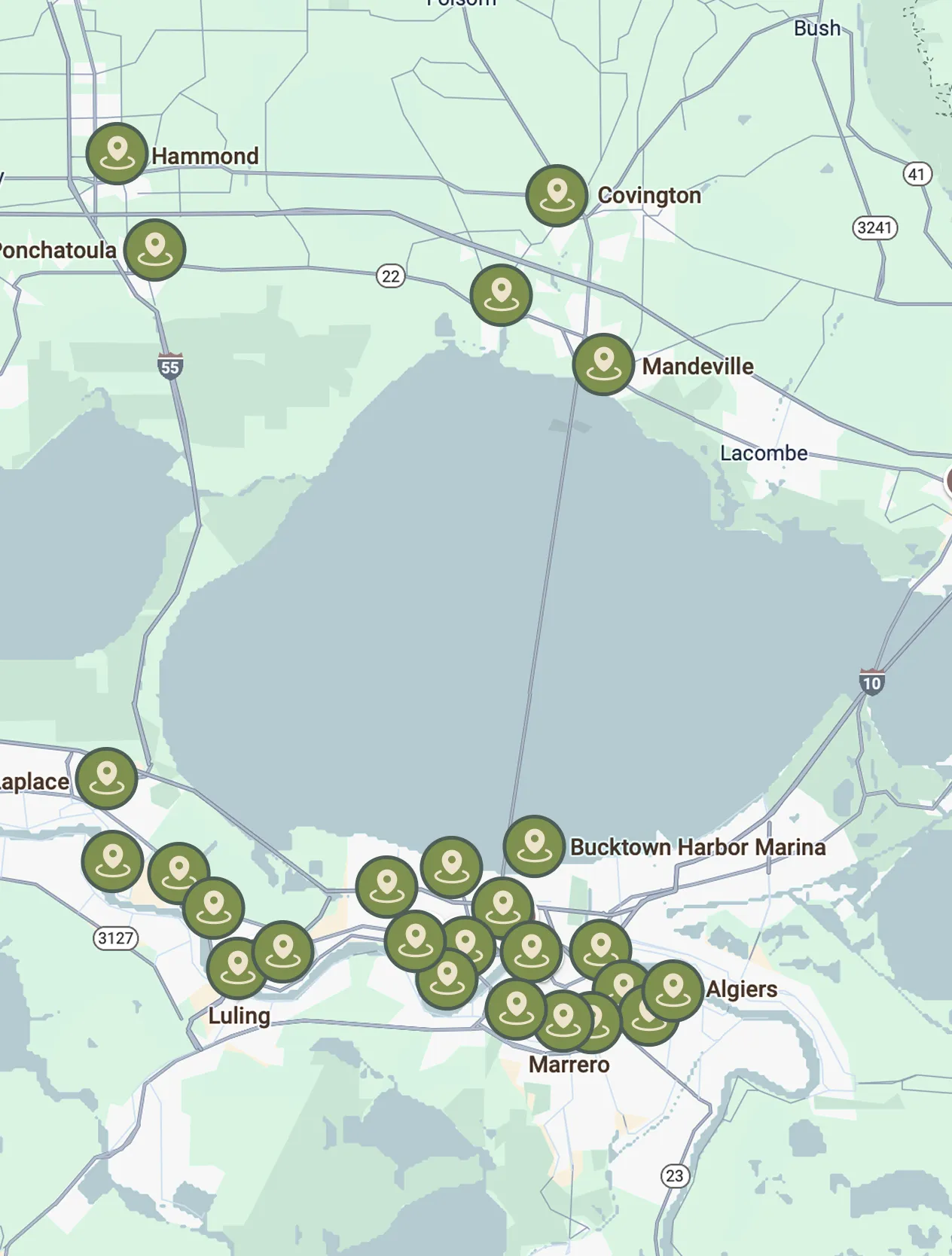
Our service areas are designed to meet the diverse needs of our clients. We focus on providing exceptional service and ensuring customer satisfaction in every location we operate.