UV Light in Shrewsbury, LA
.webp)
For homeowners in Shrewsbury, LA, UVC light systems offer a powerful way to combat microbial growth on coils and duct surfaces, leading to improved indoor air quality and a more efficient HVAC system. At Cypress Cooling, we often recommend exploring both coilmounted and induct UV options to find the best fit. This involves understanding ideal installation placement, key safety considerations, typical warranties, and essential maintenance. We guide you through diagnostic steps, the installation process, and routine bulb replacement, helping you determine if UV treatment aligns with your home's specific needs related to humidity, odors, and allergies.
UV Light in Shrewsbury, LA
UV-C light systems for HVAC are a proven way to reduce microbial growth on coils and in ductwork, improve indoor air quality, and help HVAC systems run more efficiently. In Shrewsbury, LA, where warm, humid conditions and seasonal storms create ideal conditions for mold and bacterial growth, UV treatment is especially relevant for homeowners who notice musty odors, persistent allergy symptoms, or frequent coil cleanings. This page explains how in-duct and coil-mounted UV-C systems work, where they should be placed, what installation and maintenance look like, typical warranty expectations, and answers to common homeowner questions to help you decide whether UV treatment is right for your home.
Why UV-C matters for Shrewsbury homes
Shrewsbury experiences long, humid summers and frequent rains that raise indoor humidity and encourage biological growth on HVAC surfaces. When coils and drain pans accumulate biofilm, you’ll often see:
- Musty or stale odors when the system runs
- Reduced airflow and cooling capacity
- More frequent HVAC cleanings or early system wear
- Worsening allergy or respiratory symptoms for household members
A properly specified UV-C system reduces surface microbes and inhibits mold regrowth, helping restore coil heat-transfer efficiency and reducing odor and allergen loads inside the home.
Types of HVAC UV systems and where they belong
There are two common UV-C solutions for residential HVAC systems:
- Coil-mounted UV (facing the evaporator coil)
- Purpose: Directly irradiates the cooling coil and drain pan to prevent mold and biofilm buildup where moisture collects.
- Benefits: Improves coil heat transfer, reduces musty odors, helps maintain efficiency.
- Best for: Homes with visible coil fouling, frequent condensate drain problems, or persistent odors.
- In-duct UV (installed inside supply or return duct)
- Purpose: Treats the air stream and irradiates duct surfaces to reduce airborne microbes and surface growth throughout the ductwork.
- Benefits: Reduces airborne microbial load, adds a layer of protection throughout the ventilation path.
- Best for: Larger duct systems, homes concerned with airborne pathogens or extensive duct surface contamination.
Many homeowners in humid climates choose both: a coil-mounted lamp for continuous coil protection plus an in-duct unit for whole-house air treatment.
How performance is evaluated (diagnostic steps)
A professional assessment ensures the right UV solution for your Shrewsbury home. Typical diagnostic steps include:
- Visual inspection of the indoor coil, drain pan, and access panels for mold, slime, or dust buildup.
- Checking for musty odors or reports of allergy symptoms tied to HVAC operation.
- Measuring airflow and observing system cycling to detect efficiency loss caused by restricted heat transfer.
- Inspecting duct conditions and interior surfaces if in-duct treatment is under consideration.
- Confirming available mounting and electrical access near the coil or duct location.
This assessment determines the number, type, and placement of lamps, and whether existing electrical capacity or access modifications are required.
Installation process and safety considerations
Standard residential installation usually follows these steps:
- Site preparation: Verify access to the coil or duct, evaluate clearances, and confirm safe lamp positioning.
- Mounting: Secure coil-mounted lamps on the upstream side of the evaporator coil or install in-duct units at recommended locations away from registers and bends for optimal exposure.
- Electrical connection: Hardwire to low-voltage or line-voltage power per manufacturer instructions and local electrical code, often with a dedicated switch for service.
- Shielding and labeling: Ensure that occupants cannot be directly exposed to UV-C radiation; in-duct and coil-mounted installations are enclosed, but access panels should be labeled for safety.
- Commissioning: Confirm lamp operation, check ballast output, and test any monitoring indicators or safety interlocks.
Safety note: Direct exposure to UV-C can damage skin and eyes. Professional installation ensures lamps are enclosed and that safety warnings are posted at service panels.
Routine maintenance and bulb replacement
UV-C systems require simple, scheduled maintenance to remain effective:
- Bulb replacement: Traditional low-pressure mercury UV-C lamps lose output over time. Replace bulbs on the manufacturer-recommended schedule—commonly every 9 to 12 months—to maintain germicidal intensity.
- Clean lens/reflectors: Wipe lamp sleeves and reflectors during service visits to remove dust or film that reduces UV output.
- Ballast and electrical check: Inspect and test ballasts or drivers each service interval; replace if performance drops or if indicator lights show a fault.
- Annual inspection: Coordinate UV checks with annual HVAC maintenance so coils and drain pans can be evaluated and the system’s benefits verified.
LED-based UV products may have different maintenance cycles and longer useful life; follow the specific product documentation.
Warranties and what to look for
When evaluating UV solutions, consider:
- Lamp warranty: Many manufacturers offer limited warranties on lamps and sleeves for defects, but not for gradual loss of output over time.
- Ballast/driver warranty: Electrical components often carry multi-year warranties; ensure the warranty covers replacement costs for defective ballasts.
- Installation warranty: Professional installers commonly provide a workmanship warranty covering proper mounting and electrical work for a period after installation.
- Manufacturer specifications: Check rated output and published service interval recommendations to align maintenance planning.
Read warranty terms for exclusions related to improper power supply, environmental extremes, or third-party modifications.
Expected benefits for your home
With proper design and maintenance, a UV-C system in a Shrewsbury home typically provides:
- Reduced mold and microbial growth on coils and drain pans
- Fewer musty odors and lower allergen exposure when the system runs
- More consistent HVAC efficiency and potential reduction in service calls related to coil fouling
- A supplemental layer of air and surface treatment as part of an overall indoor air quality strategy
UV treatment is not a replacement for filtration, dehumidification, or source control, but it is a valuable complement—especially in humid Louisiana conditions.
Frequently asked questions
- Will UV-C kill all viruses and bacteria in my home?
- UV-C can inactivate many bacteria and viruses on surfaces and in airflow when properly dosed and installed. Effectiveness depends on exposure time, lamp intensity, and distance. HVAC-mounted systems reduce microbial load on coils and in ducts but are one part of a layered approach to indoor air health.
- Is UV-C safe for people and pets?
- When installed inside ducts or facing coils, UV-C is contained and safe for occupants. Direct exposure to UV-C can harm skin and eyes, so lamps should never be operated in occupied spaces without proper shielding and professional installation.
- How quickly will I notice improvements?
- Some homeowners notice reduced odors and less coil fouling within weeks; measurable improvements in system efficiency and fewer maintenance issues usually become apparent over the following months once regrowth is inhibited.
- Can UV-C prevent mold after a flooding or storm event?
- UV-C helps inhibit microbial regrowth on HVAC surfaces but does not remove water-damaged materials or address contaminated insulation and building structure. After storms or flooding, complete remediation and drying of affected materials is necessary.
- How do I integrate UV with my existing HVAC maintenance?
- Coordinate UV bulb replacement and inspections with your regular HVAC tune-ups. That ensures lamps are functioning and coils are clean so you get the intended benefits.
Converting your HVAC to include UV-C protection can be a practical decision for Shrewsbury homes where humidity and organic buildup impair system performance and indoor comfort. Proper assessment, professional installation, and scheduled maintenance are the keys to reliable, long-term results.
OUR CLIENTS HAVE TO SAY ABOUT US



Service areas
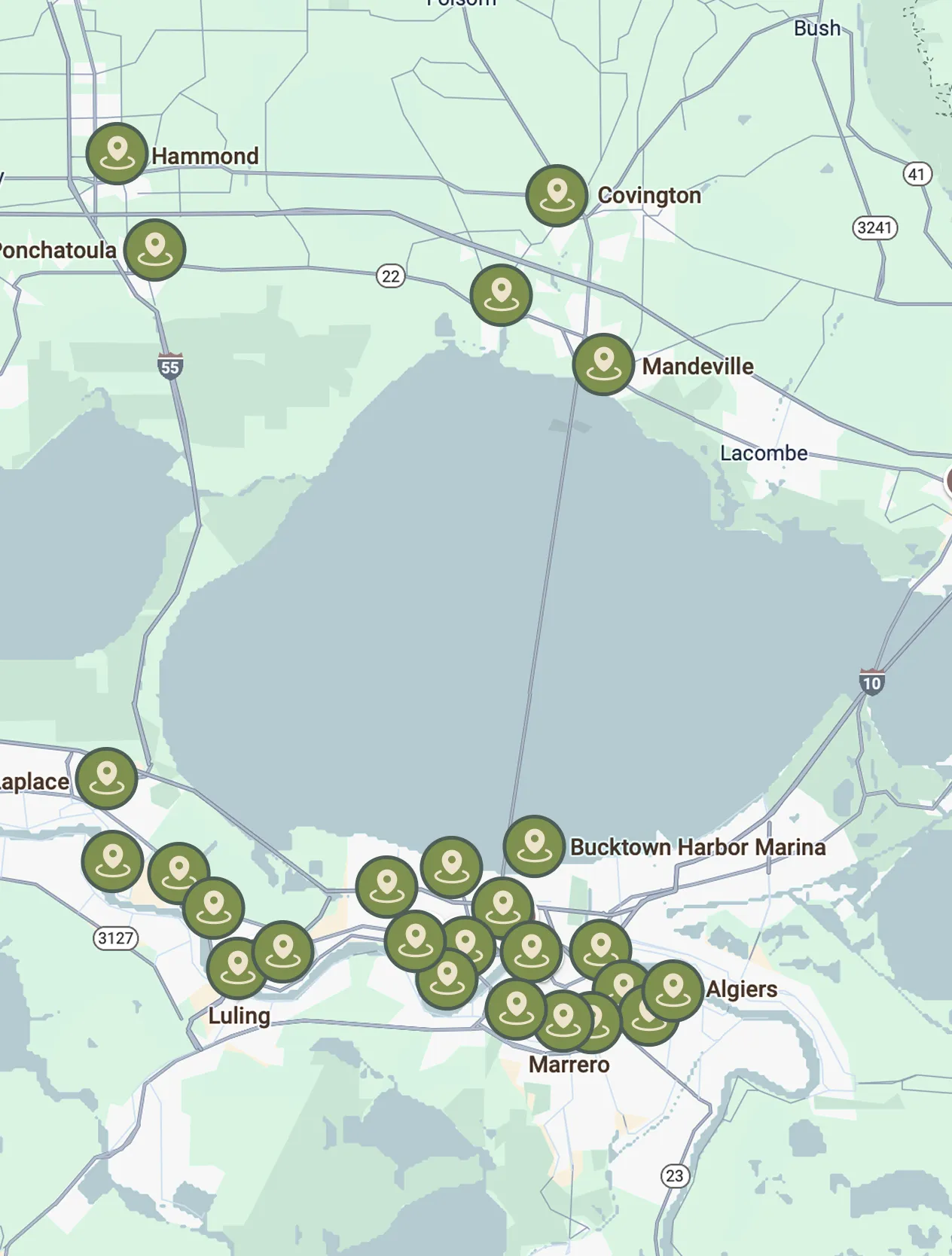
Our service areas are designed to meet the diverse needs of our clients. We focus on providing exceptional service and ensuring customer satisfaction in every location we operate.