UV Light in Ponchatoula, LA
.webp)
For Ponchatoula homes facing humidity, mold, and malodors, Cypress Cooling presents UVC lighting for HVAC as a targeted solution. We'll explain how UVC works, the benefits of coilmounted and induct installations, and when a combined approach is best for wholehome treatment. Our service includes detailed installation steps, maintenance schedules, safety considerations, and warranty details. We emphasize integrating UV with filtration and routine servicing to improve indoor air quality, system efficiency, and comfort throughout Louisiana's humid seasons.
UV Light in Ponchatoula, LA
Indoor air quality and HVAC performance are closely linked in Ponchatoula homes because our hot, humid climate makes cooling systems a prime site for microbial growth. HVAC UV germicidal solutions use UV-C lamps to reduce mold, bacteria, and biofilm on coils and inside ductwork, helping systems run cleaner, reduce odors, and improve comfort. This page explains how UV-C works, the types of installations available (coil-mounted vs in-duct), expected benefits for indoor air quality and system efficiency, the installation process, maintenance and lamp replacement schedules, safety and warranty considerations, common questions, and what to expect when moving forward in Ponchatoula, LA.
Why UV-C matters in Ponchatoula, LA
Ponchatoula’s warm, humid conditions and frequent pollen and biological debris make evaporator coils and drain pans especially prone to mold and bacterial growth. When coils become fouled:
- Airflow and system efficiency drop
- Cooling capacity and dehumidification suffer
- Musty odors and allergy triggers increase indoors
Installing UV-C lamps near the coils and in ducts helps control that microbial load. By keeping coil surfaces and adjacent ductwork cleaner, UV systems support better indoor air quality, reduce odor sources, and often lower the frequency of deep coil cleanings required in humid climates like ours.
Common HVAC UV installations (what to choose)
There are two primary HVAC-focused UV installations homeowners consider:
- Coil-mounted UV (coil-mounted UV-C)
- Mounted directly at or just beyond the evaporator coil inside the air handler.
- Targets the coil face and drain pan where moisture and organic material collect.
- Best single upgrade for improving coil cleanliness, system efficiency, and odor control.
- In-duct UV (duct-mounted or upper duct)
- Installed inside supply or return ductwork to disinfect moving air and reduce microbial buildup along ducts.
- Useful in systems with long ducts, persistent odors, or for supplemental air treatment throughout the home.
Some properties benefit from a combination system: a coil-mounted lamp to protect the evaporator and additional in-duct units for whole-home air treatment. A qualified HVAC technician will recommend the best configuration based on your system layout and IAQ goals.
How the installation process works
Professional UV installation typically follows these steps:
- System inspection: Evaluate the air handler, coil access, duct layout, electrical availability, and any existing moisture or contamination issues.
- Solution selection: Choose coil-mounted, in-duct, or combined UV based on inspection findings and homeowner priorities.
- Mounting and wiring: Secure lamps in safe, serviceable locations, run low-voltage power or line-voltage as required, and integrate switches or interlocks where appropriate.
- Alignment and testing: Ensure lamps are aimed for maximum coil exposure, verify electrical operation, and document lamp model and ballast information for maintenance records.
- Education and documentation: Provide homeowner guidance on lamp replacement intervals, safety precautions, and warranty terms.
Installations are designed for easy future service access so lamps and ballasts can be replaced without major disruption.
Expected benefits for IAQ and system efficiency
Homeowners can expect several practical outcomes after correctly installed UV-C systems:
- Reduced microbial growth on coils and drain pans, lowering odor and allergen sources
- More consistent airflow and heat transfer across cleaner coils, which supports system efficiency
- Reduced frequency and cost of emergency coil cleanings and mold remediation in the air handler
- Improved perceived indoor air quality and fewer musty odors during humid months
Note that UV is most effective as part of a broader IAQ strategy that includes proper filtration, regular maintenance, and source control of moisture.
Maintenance and lamp replacement schedule
UV-C lamps and system components require predictable maintenance to stay effective:
- Lamp replacement: Most germicidal UV-C lamps output effective radiation for 9 to 12 months; manufacturers often recommend annual replacement to maintain germicidal intensity.
- Ballast and fixture checks: Electronic ballasts and fixtures typically last several years but should be inspected at each lamp change.
- System inspections: Include the UV system in annual HVAC tune-ups so technicians can verify lamp alignment, clean lamp lenses if applicable, and confirm electrical integrity.
- Documentation: Keep lamp model, ballast type, and installation date on file to simplify future service.
Timely lamp replacement is critical because UV output declines with hours of use even if the lamp still lights.
Safety considerations
UV-C light is effective against microbes but can be harmful to skin and eyes with direct exposure. Key safety points:
- Lamps must be installed so occupants and service personnel are not directly exposed. Coil-mounted and in-duct placements are designed to shield occupants.
- Professional installation includes proper mounting, secure wiring, and interlocks or access controls where needed.
- Lamps and fixtures should be handled cautiously during replacement—use gloves and avoid looking directly at active UV lamps.
- Follow manufacturer guidance and local electrical codes for safe operation.
Costs and warranty options (what to expect)
Instead of flat prices, consider the cost factors that determine the investment:
- Type and number of lamps required (coil-mounted, in-duct, or combination)
- Accessibility of the air handler and ductwork for safe installation
- Electrical work needed for power and controls
- Brand and lamp technology (replacement lamp availability and ballast reliability)
Warranty considerations:
- Manufacturer warranties often cover lamps and ballasts for a defined period; typical coverage varies by brand and component.
- Installation or workmanship warranties from the serving HVAC professional may cover correct mounting and electrical connections for a set time.
- Ask for documentation on lamp life expectancy, ballast warranties, and what routine service is recommended to preserve warranty coverage.
Frequently asked questions
Q: Are UV lights safe for my family and pets?
A: When professionally installed in the air handler or ductwork, UV-C systems are shielded from occupants and pose no direct exposure risk. Follow safety guidance during any service or lamp replacement.
Q: How often do UV lamps need changing?
A: Most germicidal lamps should be replaced annually to ensure effective UV output. Check manufacturer guidance and include lamp replacement in your annual HVAC service schedule.
Q: Will a UV system remove dust?
A: UV-C targets microbial growth, not dust. Pair UV with proper filtration and regular HVAC cleaning to manage dust and particulates.
Q: Can UV-C eliminate mold in my house?
A: UV-C reduces microbial growth on HVAC surfaces and in moving air, which minimizes mold sources tied to the system. It is not a standalone solution for active sanitation of structural mold within building materials; those issues require remediation.
Q: Will UV improve energy bills?
A: By keeping coils cleaner, UV-C can help the system maintain better heat transfer and airflow, which supports efficient operation. Results vary depending on system condition and home usage patterns.
Why homeowners in Ponchatoula choose UV-C for HVAC
For Ponchatoula homes facing high humidity, frequent pollen, and musty odors, HVAC UV-C provides a targeted, low-interruption solution to control microbial growth where it forms most: on coils and inside ducts. Properly specified and maintained UV systems reduce odors, help maintain system efficiency, and complement filtration and preventative maintenance to keep indoor air healthier and more comfortable throughout the humid Louisiana seasons.
To move forward, expect a professional inspection to determine the right UV configuration for your system, a clear maintenance plan including annual lamp changes, and documentation of warranties so your investment is protected over time.
OUR CLIENTS HAVE TO SAY ABOUT US



Service areas
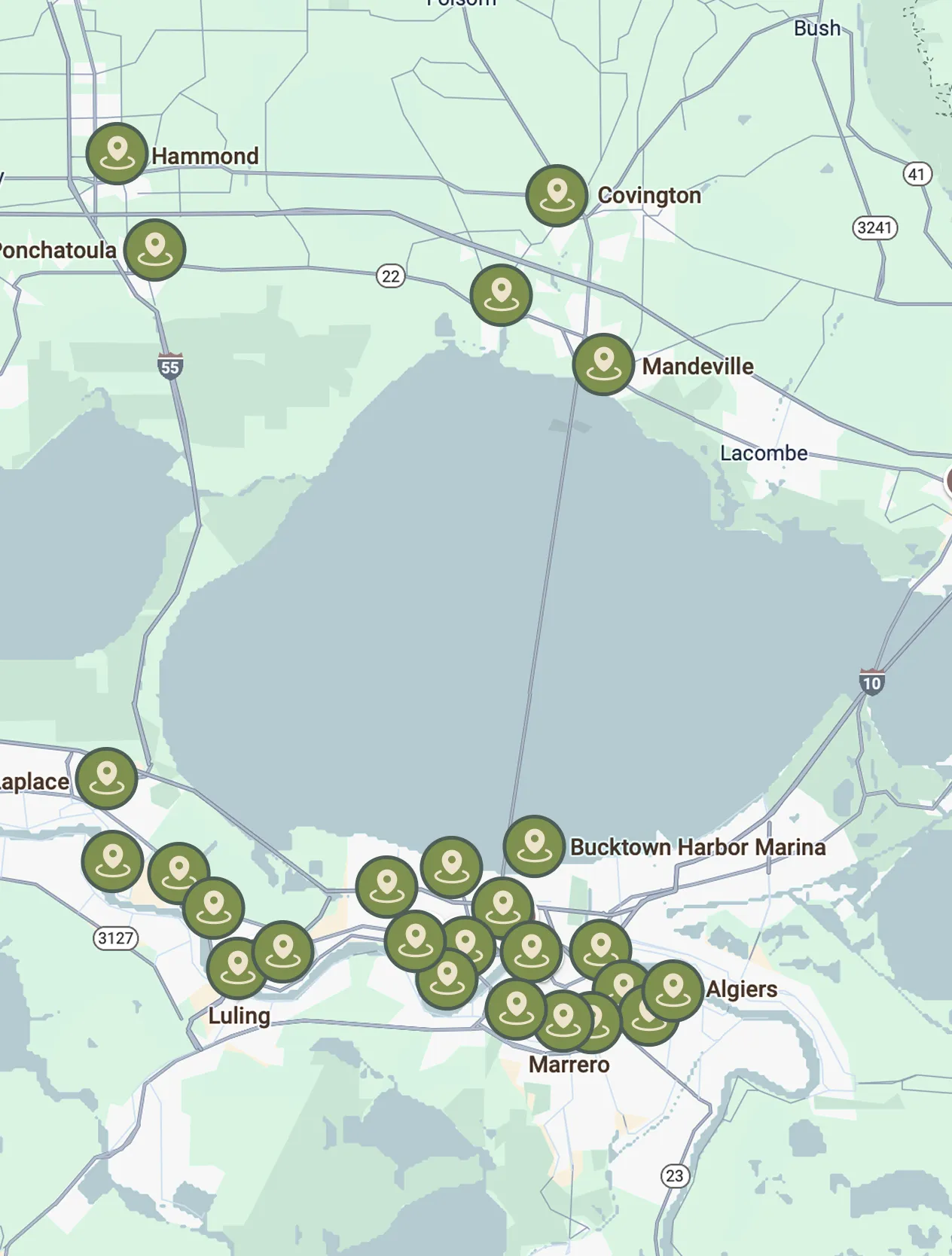
Our service areas are designed to meet the diverse needs of our clients. We focus on providing exceptional service and ensuring customer satisfaction in every location we operate.