UV Light in Norco, LA
.webp)
Cypress Cooling helps improve indoor air quality in Norco, LA, with induct and coilmounted UVC systems. These systems target mold, bacteria, and microbial buildup on coils and inside ductwork. Our process includes preinstall diagnostics to determine the best system for your needs, followed by stepbystep installation and ongoing maintenance to keep performance consistent. We'll also explain the energy impacts, warranty options, and answer any questions you may have. UVC lighting works alongside filtration and ventilation to keep HVAC systems efficient and indoor air clean, even in challenging humid conditions.

UV Light in Norco, LA
Installing HVAC UV germicidal lighting systems is a practical, science-backed step Norco homeowners and businesses take to reduce mold, bacteria, and airborne pathogens in HVAC systems. With Norco's humid subtropical climate and frequent high indoor humidity, coil and duct surfaces are prone to microbial growth that lowers comfort, increases odors, and reduces system efficiency. This page explains how in-duct and coil-mounted UV lights work, what to expect during installation and maintenance, indoor air quality benefits, energy impacts, warranty and cost considerations, and answers common questions — all tailored to Norco, LA homes and commercial properties.
Why UV Light for HVAC matters in Norco, LA
- Norco’s warm, humid conditions accelerate mold and bacterial growth on evaporator coils and inside drain pans and ductwork.
- Mold on coils reduces heat transfer, increases run times, and can release spores and odors into living spaces.
- HVAC UV germicidal lighting targets microbial growth at the source, helping maintain cleaner coils and ducts and improving overall indoor air quality.
Types of HVAC UV systems
- Coil-mounted UV lights: Installed near the evaporator coil or drain pan to continuously irradiate coil surfaces. Best for preventing and cleaning biological growth directly on cooling coils and pans.
- In-duct UV lights: Placed inside supply or return ducts to treat air as it moves through the system. These help reduce airborne pathogens and in-duct microbial colonization.
- Combined systems: Many properties benefit from both coil-mounted and in-duct units for surface-sanitizing and airborne treatment.
How HVAC UV-C works (simple explanation)
UV-C light damages the DNA and RNA of microbes, inhibiting their ability to reproduce and survive. Continuous exposure at the coil and immediate duct surfaces prevents the buildup of mold and bacteria that thrive in damp HVAC environments. UV systems do not filter dust but address biological growth that filters and ventilation alone cannot fully control.
Compatibility checks and pre-installation diagnostic
Before installation a technician will:
- Inspect the HVAC equipment type (split system, packaged rooftop unit, heat pump) and access points.
- Measure available space around coils, drain pans, and duct runs to determine lamp sizes and mounting positions.
- Verify electrical capacity and voltage at the unit and whether a ballast or driver is needed.
- Check for materials or coatings that could be affected by UV and plan shielding or placement accordingly.
- Assess existing filtration, airflow rates, and any duct issues that might affect system performance.
These checks ensure the selected UV system will fit, operate safely, and deliver the intended germicidal dose.
Installation process (typical steps)
- Turn off system power and confirm safe working conditions.
- Mount the UV lamp(s) in the approved locations: coil housing, near the drain pan, or inside ductwork.
- Secure wiring to the HVAC electrical or dedicated transformer/ballast following code and manufacturer specs.
- Install safety labels and access covers so lamps are not directly exposed during normal occupancy.
- Power up, verify lamp operation, and measure output where applicable.
- Provide a brief system report including lamp model, location, and recommended maintenance schedule.
Installation time varies by system complexity and access, but most residential installs are completed in a few hours.
Maintenance and bulb replacement
- Most traditional low-pressure UV-C lamps require replacement every 9 to 12 months because output diminishes even if the lamp still lights.
- High-output lamps or UV-LEDs may have different life spans; follow manufacturer guidance.
- Routine maintenance includes wiping surfaces, inspecting lamp holders and wiring, and confirming ballast/driver function.
- A visible reduction in lamp brightness, longer HVAC runtimes, or return of microbial odors typically signals the need for service or bulb replacement.
- Regular maintenance preserves germicidal effectiveness and any efficiency gains.
Expected indoor air quality and efficiency results
- UV systems commonly reduce surface mold and microbial growth on coils and pans, which cuts down on musty odors and microbial aerosolization.
- In-duct UV can lower airborne microbial loads while air is passing through the system; results depend on airflow rate, lamp placement, and exposure time.
- Cleaner coils restore heat exchange capacity, often improving cooling performance and reducing runtime modestly. Energy savings vary but are typically realized through fewer defrost cycles, improved airflow, and reduced strain on equipment.
- UV is a supplement to, not a replacement for, quality filtration, ventilation, and HVAC maintenance.
Energy and efficiency impacts
- UV lights consume a small continuous amount of electricity compared to HVAC compressors and fans.
- The tradeoff is improved coil cleanliness and airflow which can reduce overall HVAC energy consumption and extend equipment life.
- In high-humidity climates like Norco, preventing coil fouling is particularly valuable for keeping systems efficient during the long cooling season.
Warranty and cost considerations
- Warranties commonly cover fixture hardware and may include shorter terms for bulbs. Typical manufacturer warranties range; homeowners should confirm specific terms for lamp life and fixture coverage.
- Installer warranties may address workmanship or electrical connections for a set period after installation.
- Cost factors to consider: number and type of lamps, access difficulty, whether additional wiring or panel work is required, and unit compatibility. Exact costs vary by property and system complexity.
Frequently asked questions
Q: Are UV-C lights safe for homes?
A: When installed correctly inside ducts or coil housings with appropriate shielding and labels, UV-C systems are safe. Direct exposure to skin or eyes should be avoided during maintenance. Installers follow safety standards to prevent occupant exposure.
Q: How soon will I notice a difference?
A: Coil cleanliness and odor improvements are often noticeable within weeks; airborne reductions depend on system configuration and may take longer to measure.
Q: Can UV replace my air filters?
A: No. UV inactivates microbes on surfaces and in airflow but does not remove dust, pollen, or particulates. High-quality filtration and UV are complementary.
Q: Will UV kill viruses like COVID-19?
A: UV-C can inactivate many viruses under sufficient dose and exposure time. Performance varies with equipment configuration. UV should be part of a layered IAQ strategy, not the sole protective measure.
Q: How often should bulbs be changed?
A: Generally every 9 to 12 months for traditional UV-C lamps; follow the manufacturer schedule for specific products.
What to expect when arranging service in Norco, LA
Scheduling typically begins with an HVAC assessment to verify system compatibility and to recommend coil-mounted, in-duct, or combined systems. The process usually includes a site inspection, a written system recommendation with equipment options and maintenance plan, an agreed installation window, the on-site install with testing, and a service report documenting lamp types, locations, and recommended replacement intervals. For Norco properties, technicians will pay special attention to drainage and coil condition given local humidity and potential for rapid microbial growth.
UV germicidal lighting is a targeted, professional solution that reduces microbial growth in HVAC systems and helps maintain indoor comfort in Norco’s humid environment. Proper selection, installation, and yearly maintenance maximize effectiveness and operational benefits.
OUR CLIENTS HAVE TO SAY ABOUT US



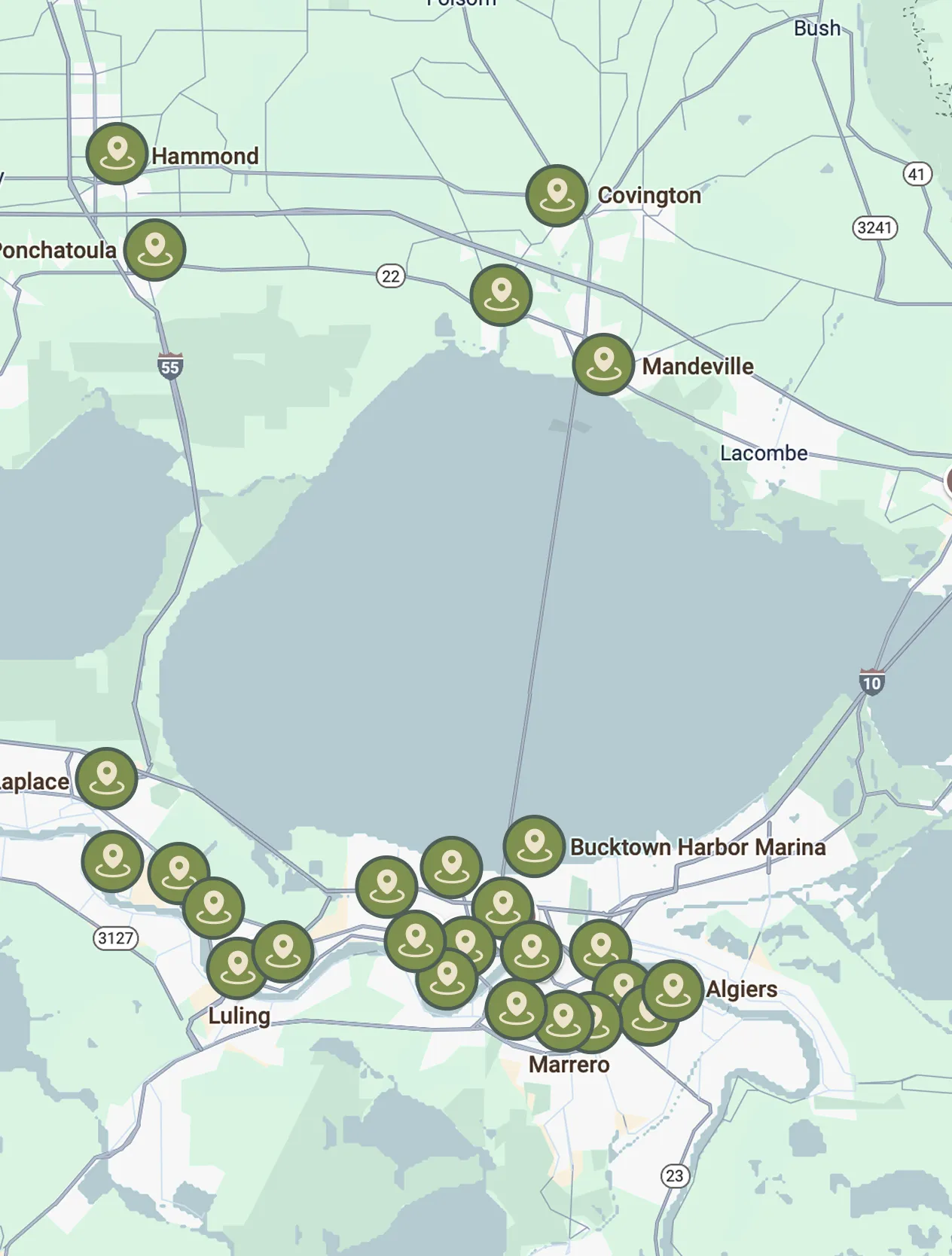
Service areas
Our service areas are designed to meet the diverse needs of our clients. We focus on providing exceptional service and ensuring customer satisfaction in every location we operate.