UV Light in New Orleans, LA
.webp)
In New Orleans homes, HVACmounted UVC lighting, installed near the evaporator coil or inside the air handler, is a great way to control microbial growth, boost indoor air quality, and maintain system efficiency. Cypress Cooling explores various installation options, including coilmounted, airhandler, induct, and duallamp systems. We'll outline key components such as UVC bulbs, ballasts, and quartz sleeves. Cypress Cooling also highlights safety precautions, equipment compatibility, and expected performance improvements in our humid conditions. Proper setup and regular maintenance, as provided by Cypress Cooling, are essential to ensure dependable operation and a healthier home environment.

UV Light in New Orleans, LA
Installing an HVAC-mounted UV light system is a targeted, proven way to reduce microbial growth on the evaporator coil and in the air handler, improving indoor air quality, minimizing odors, and helping your system run more efficiently. In New Orleans homes—where high humidity, frequent storms, and older building stock increase the risk of mold and biological fouling—UV-C lamps near the coil are particularly effective at preventing coil fouling and the musty smells that follow.
How HVAC-mounted UV light systems work
HVAC UV systems use ultraviolet-C (UV-C) light, most commonly at 253.7 nm, to inactivate microorganisms. When installed facing the evaporator coil or inside the air handler:
- UV energy breaks down microbial DNA/RNA, preventing mold, bacteria, and some viruses from reproducing on coil surfaces and drain pans.
- Cleaner coils transfer heat more effectively, which reduces strain on the compressor and can stabilize airflow and system performance.
- Fewer biological contaminants in the airstream means reduced odors and better overall indoor air quality for occupants with allergies or respiratory sensitivities.
Types of lamps and placements
There are several common configurations to consider for New Orleans homes:
- Coil-mounted lamps: Positioned across from the evaporator coil to continuously irradiate the coil surface. Best for preventing coil fouling and maintaining heat-transfer efficiency.
- Air-handler or plenum lamps: Mounted inside the air handler or duct to disinfect the air within the unit and treat drain pans.
- Upper-air / in-duct systems: Installed in supply or return ducts to treat moving air. These are complementary to coil lamps and help reduce airborne microbes throughout the home.
- Single- vs dual-lamp systems: Dual-lamp setups provide greater irradiance and redundancy; useful for larger or heavily contaminated systems.
Lamp technologies and components:
- Germicidal UV-C bulbs (low-pressure mercury): Most common, effective when properly shielded from damage and correctly aimed.
- Ballasts and electronic drivers: Control lamp operation; higher-quality ballasts improve lamp life and reliability.
- Quartz sleeves and housings: Protect lamps from dust and condensate; sleeves should be cleaned periodically to maintain output.
Installation process and compatibility
Professional installation typically follows these steps:
- Evaluate your existing HVAC layout (split systems, packaged units, attic or crawlspace air handlers common in New Orleans).
- Determine optimal lamp placement for maximum coil exposure and safe access for maintenance.
- Mount the lamps and secure ballasts/drivers in accessible, code-compliant locations, and connect to a dedicated electrical circuit or switched source.
- Verify lamp output and safe shielding to prevent unintended UV exposure.Most residential split systems and air handlers are compatible with UV-C retrofit kits. Older or hard-to-access units may require custom mounting brackets or minor cabinet modifications. Homes with multiple air handlers or large systems may benefit from additional lamps or combined approaches (coil + in-duct).
Maintenance and lamp replacement schedules
Regular maintenance preserves effectiveness:
- Lamp replacement: UV-C lamps gradually lose output and are typically replaced on a predictable schedule (commonly around annual intervals depending on lamp type and usage).
- Quarterly or semiannual inspections: Check lamp operation, clean quartz sleeves and surrounding areas, and confirm ballasts/drivers function correctly.
- Coil and drain pan checks: Reduced fouling makes these components easier to maintain, but scheduled coil inspections should continue as part of HVAC tune-ups.Some systems include runtime indicators or sensors to simplify monitoring. In New Orleans, where humidity accelerates organic buildup, staying on recommended replacement and inspection intervals is especially important.
Safety considerations
UV-C is effective but requires careful handling:
- Avoid direct exposure to skin or eyes. Proper housing and placement inside the unit prevent casual exposure.
- Ozone concerns: Choose lamps specified as low-ozone or ozone-free (253.7 nm output) if indoor ozone generation is a concern.
- Electrical safety: Ballasts and wiring must meet local codes and be installed by qualified personnel.
- Documentation: Keep manufacturer instructions and warranty requirements for lamp replacement and maintenance.
Performance benefits for New Orleans homes
- Reduced mold and mildew on coils and drain pans—important in a humid climate that encourages biological growth.
- Fewer odors from trapped organic growth in the system and ductwork.
- Improved heat transfer and system efficiency: Cleaner coils help the system maintain setpoints with less effort.
- Complement to filtration: UV-C targets biological contaminants that filters may not inactivate; combining UV with high-efficiency whole-home filtration addresses both particulate and microbial concerns.
- Health-oriented outcomes: Lower microbial load in the HVAC system can reduce allergen and pathogen recirculation, benefiting sensitive occupants.
Integration with whole-home filtration
UV light and filtration work together:
- High-efficiency filters remove particulates (dust, pollen, pet dander) from the airstream.
- UV-C lamps in the coil/air handler inactivate microbes that pass through or grow on system surfaces.
- Staged solutions: A well-designed system pairs a quality filter in the return with a coil-mounted UV lamp and optional in-duct UV for supply air treatment, balancing particulate capture and microbial control.
Warranty considerations and cost factors
Warranties vary by manufacturer and installer:
- Manufacturer warranties commonly cover lamp and ballast for defined periods with limitations; replacement schedules are often a condition of warranty validity.
- Workmanship or installation guarantees may be provided by the installer and typically specify maintenance responsibilities.Cost is influenced by several factors (without specific figures):
- Type and number of lamps (single vs dual)
- Quality of ballasts and housings
- Accessibility of the air handler or coil
- Need for additional mounting hardware or conduit
- Integration with existing filtration or multiple-system setupsWhen evaluating options, consider lifecycle costs (lamp replacements, annual inspections) and potential energy savings from improved system efficiency.
Limitations and realistic expectations
UV light is highly effective at preventing and controlling biological growth on system surfaces and reducing related odors, but it is not a cure-all:
- UV-C does not remove dust or particulates; it complements, rather than replaces, filtration.
- Effectiveness depends on proper placement, lamp output, and maintenance.
- Severe or long-established mold contamination in ducts or insulation may require mechanical cleaning or material replacement in addition to UV treatment.
ConclusionFor New Orleans homes facing high humidity and recurring coil or drain pan fouling, HVAC-mounted UV light systems installed near the evaporator coil or in the air handler are a practical, specialist-grade solution to reduce microbial growth, improve indoor air quality, and help HVAC equipment perform more reliably. Proper system selection, professional installation, and routine maintenance are key to achieving consistent, long-term benefits.
OUR CLIENTS HAVE TO SAY ABOUT US



Service areas
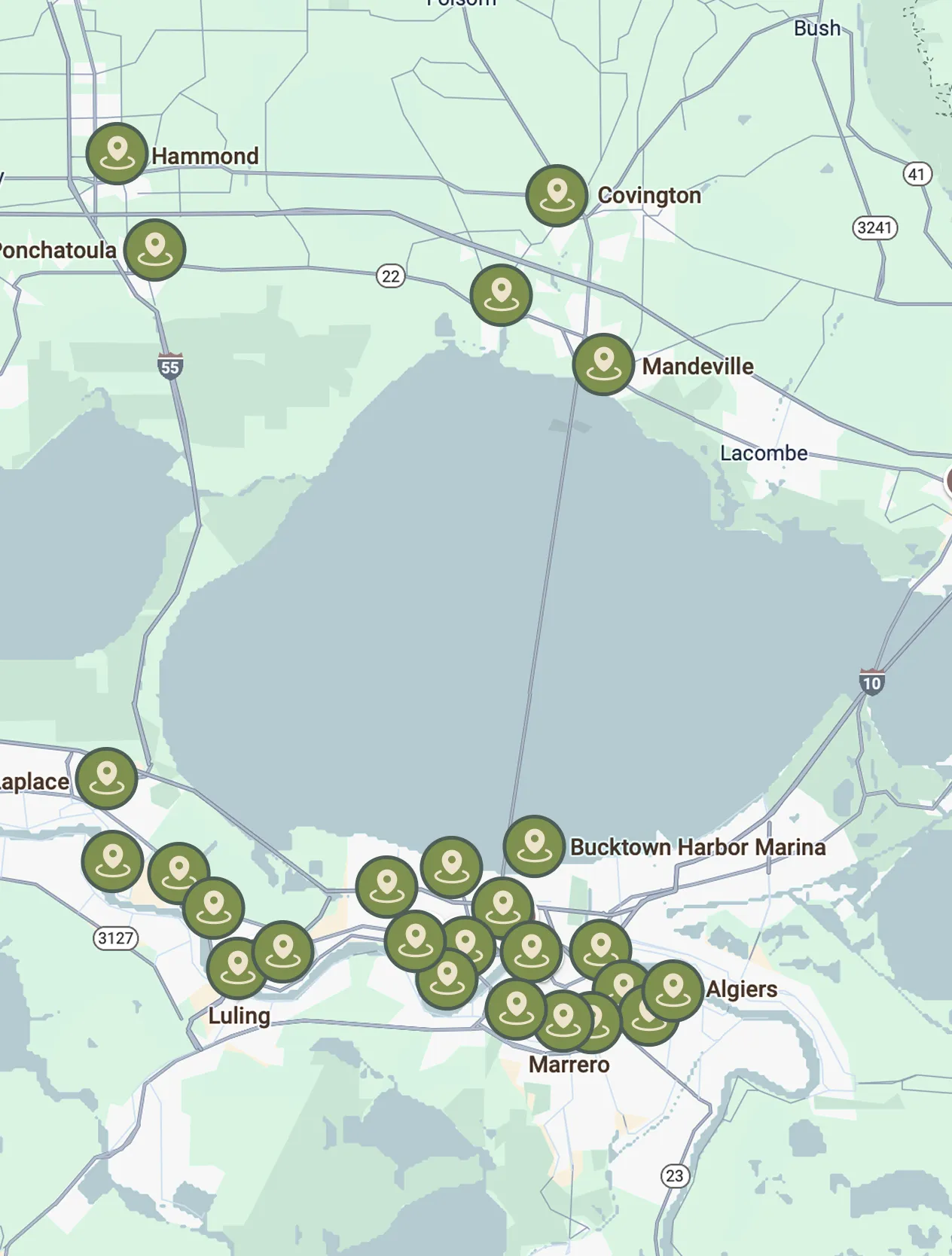
Our service areas are designed to meet the diverse needs of our clients. We focus on providing exceptional service and ensuring customer satisfaction in every location we operate.