UV Light in Montz, LA
.webp)
If you're in Montz, LA, and concerned about indoor air quality, Cypress Cooling can help. Our induct UVC light systems use ultraviolet light to curb microbial growth on coils and in ductwork, improving airflow and supporting filtration. We offer various system types, including coilmounted, induct, upperair, and combined setups. Cypress Cooling will carefully consider installation factors, compatibility with wholehome filtration, maintenance schedules, and safety practices. We'll also discuss expected performance gains, warranty, financing, and scheduling details. Remember, combining UVC with proper filtration and cleaning, as recommended by Cypress Cooling, ensures durable indoor air quality improvements for your Montz home.
UV Light in Montz, LA
Indoor air quality is a top concern for Montz, LA homeowners, where warm, humid summers and local allergens increase the risk of mold, bacteria, and airborne contaminants in HVAC systems. An in-duct UV-C light system helps reduce microbial growth on coils and in the airflow, improving system efficiency and the air your family breathes. This page explains how in-duct UV-C works, the types of systems available, installation and compatibility with existing HVAC and whole-home filtration, routine maintenance and safety considerations, expected performance benefits, and typical warranty, financing, and scheduling details relevant to Montz homes.
Why UV-C matters in Montz, LA homes
Montz experiences high humidity and frequent seasonal pollen, creating ideal conditions for mold and microbial buildup on evaporator coils and inside ductwork. That buildup can reduce cooling capacity, increase energy use, and contribute to musty odors and allergy symptoms indoors. In-duct UV-C light systems target living microorganisms at the source, limiting growth on coils and exposed surfaces and helping maintain cleaner airflow throughout the house. For homeowners managing mold-prone attics or older ductwork, UV-C is an effective complement to filtration and regular HVAC maintenance.
Common UV Light issues in Montz, LA
- Mold and mildew on evaporator coils caused by constant humidity and intermittent system use.
- Recurring odors from microbial growth in ducts and drain pans.
- Reduced cooling performance due to biofilm on coils and restricted airflow.
- Concern about compatibility with existing whole-home filtration systems.
- Questions on safety, lamp replacement, and realistic performance expectations in humid climates.
Types of UV-C systems and where they are used
- Coil-mounted UV-C systems: Mounted directly above or near the evaporator coil. These focus on keeping the coil surface and condensate pan free of microbial growth. Best for addressing efficiency losses and odors.
- In-duct UV-C lamps: Installed inside supply or return ducts to irradiate moving air and in-duct surfaces. These provide broader coverage for airborne pathogens as air moves through the system.
- Upper-air UV systems: Typically used in larger commercial or high-ceiling spaces. Not commonly installed in residential ducts but relevant for whole-room air sanitation in select applications.
- Combined systems: Some setups use both coil-mounted and in-duct lamps for maximum coverage, particularly in homes with persistent microbial problems.
How in-duct UV-C light works
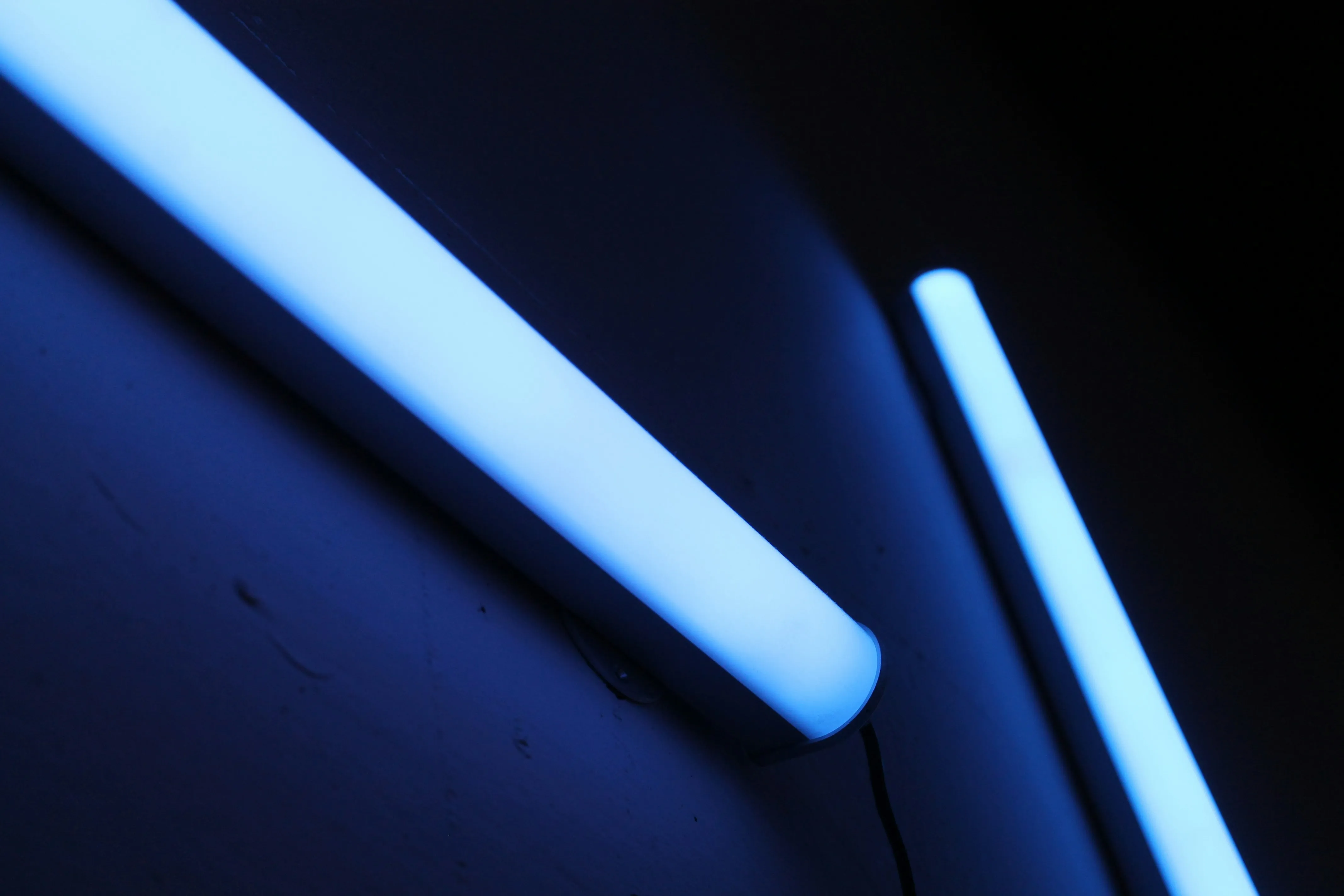
UV-C refers to ultraviolet light in a wavelength range that inactivates microorganisms by disrupting their DNA or RNA. In an HVAC application, strategically placed UV-C lamps expose airflow and surfaces to this light. On coils and pans, continuous or near-continuous UV-C exposure prevents biofilm formation that traps dust and reduces heat transfer. When installed in the duct, UV-C helps reduce viable airborne microbes as air passes by the lamp. UV-C is a preventative technology; it reduces growth and inactivation but does not mechanically remove dust or large particles. That is why it is most effective when combined with proper filtration and duct cleaning.
Installation options and compatibility with HVAC and whole-home filtration
- Location: In-duct lamps are typically installed on the return or supply side, or directly at the coil. Exact placement depends on HVAC layout, available access panels, and the targeted problem (coils versus airborne pathogens).
- Power and mounting: UV-C units require a small electrical connection near the furnace or air handler. Many systems use low-voltage ballasts that are safe and designed for HVAC environments.
- Compatibility with filtration: UV-C works alongside MERV-rated filters and whole-home filtration systems. Filtration removes particles while UV-C targets microbial growth. For homes with high-efficiency filters, ensure the HVAC system can handle the added pressure drop; UV-C does not add pressure drop but combined upgrades may.
- Retrofit versus integrated installs: UV-C can be retrofitted into most existing HVAC systems without major ductwork changes. Integrated options are available for new systems or major replacements.
Routine maintenance and lamp replacement schedules
- Lamp life: Most low-pressure mercury UV-C lamps used in HVAC applications produce effective UV output for about 9 to 12 months. After that period lamp output declines and replacement is recommended to maintain performance.
- Ballast and fixture checks: Annual inspection of the ballast, mounting hardware, and electrical connections helps ensure continuous operation. Some systems use LED-based UV-C that have longer service life; verify lamp type and schedule accordingly.
- Cleaning: Periodic cleaning of lamp sleeves and nearby surfaces prevents dust build-up that can reduce UV transmission. For coil-mounted systems, routine coil cleaning and condensate drain maintenance remains important.
- Monitoring: Many systems include simple operation indicators or optional monitors that show when lamps are on and producing adequate output. Regular HVAC tune-ups should include a UV-C system check.
Safety considerations
- Human exposure: UV-C is harmful to skin and eyes with direct exposure. Proper installations place lamps inside ducts or shielded housings to prevent accidental exposure during normal use. Access panels should include warnings and safety interlocks where appropriate.
- Electrical safety: Installations must follow electrical codes and use appropriately rated ballasts and conduits. Qualified HVAC technicians should perform wiring and mounting.
- Ozone: Modern germicidal lamps for HVAC use are designed to minimize ozone production. Avoid lamps that explicitly produce ozone for in-duct residential applications, especially in tightly sealed Montz homes.
- Children and pets: Because UV-C is contained within the HVAC system when installed correctly, it poses no additional day-to-day risk to occupants. Maintenance or lamp replacement should always be handled with the power off and by trained personnel.
Expected performance benefits
- Reduced microbial growth on coils and inside drain pans, improving heat transfer and system efficiency.
- Fewer musty odors and less risk of odors returning quickly after cleaning.
- Lower microbial counts in the circulated air, which can help allergy and asthma symptoms by reducing mold spores and certain bacteria.
- Potential for improved HVAC runtime efficiency and lower energy use when coils remain clean. Real-world results vary based on system condition, filtration, and home humidity management.
Warranty, financing, and scheduling details
- Warranties: Residential UV-C systems commonly include manufacturer warranties on lamps and ballasts that range from 1 to 5 years for components. Lamp life warranties typically cover output for 9 to 12 months, and ballast warranties often extend longer. Confirm what is covered for parts and whether labor is included for defects.
- Financing: Homeowners often finance HVAC-related indoor air quality upgrades through home improvement loans, HVAC financing programs, or as part of broader system financing. Typical options include deferred interest plans or fixed-term loans that spread cost over time. Credit qualifications and terms vary by provider.
- Scheduling: Professional installation typically requires an initial site assessment to determine the best lamp locations and verify electrical access. An experienced technician can usually complete a typical single-system in-duct or coil-mounted UV-C installation in a few hours. Annual inspections or lamp replacements are scheduled on a 9 to 12 month cadence to align with lamp output decline and routine HVAC maintenance.
Final considerations and maintenance advice
For Montz homeowners, combining in-duct UV-C light with appropriate filtration, routine coil and drain cleaning, and humidity control produces the best indoor air quality outcomes. UV-C reduces biological growth but does not replace filters or mechanical cleaning. Plan for annual HVAC inspections that include UV-C lamp checks and timely lamp replacements to sustain performance. With proper installation and maintenance, in-duct UV-C systems can be a durable, low-maintenance component in a whole-home strategy to reduce mold, bacteria, and odors in Montz, LA homes.
OUR CLIENTS HAVE TO SAY ABOUT US



Service areas
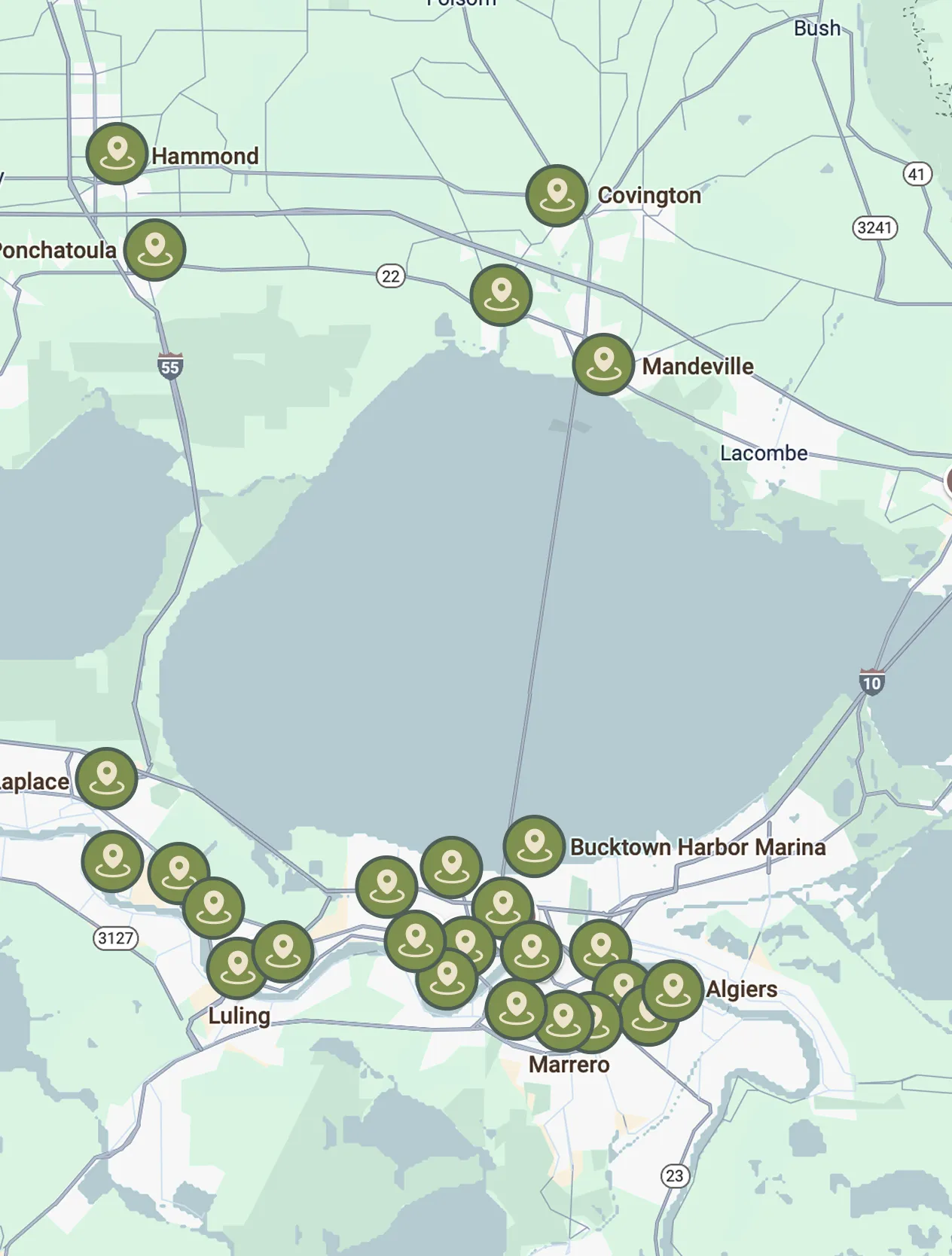
Our service areas are designed to meet the diverse needs of our clients. We focus on providing exceptional service and ensuring customer satisfaction in every location we operate.