UV Light in Mandeville, LA
.webp)
In Mandeville, LA, integrating UV lights with your home's HVAC system offers a simple way to reduce mold, bacteria, and unpleasant odors. Plus, it helps protect your coils and ductwork. Given our humid coastal climate, microbial growth is a common concern, which is why Cypress Cooling recommends considering UV light solutions. There are several options, including coilmounted, upperduct, and neargrille UV systems. We'll handle the installation, commissioning, and maintenance. With a properly sized and wellmaintained system from Cypress Cooling, you can expect noticeable improvements. We'll also discuss bulb replacement, safety, costs, financing, and warranties to ensure you're comfortable with the investment.
-min.webp)
UV Light in Mandeville, LA
Ultraviolet germicidal lamps integrated with your HVAC system provide a targeted, low-maintenance way to reduce bacteria, viruses, and mold on coils and inside ductwork. In Mandeville, LA, where high humidity, warm temperatures, and proximity to Lake Pontchartrain create ideal conditions for microbial growth, HVAC-mounted UV light can protect indoor air quality, extend equipment life, and reduce musty odors that often follow humid seasons.
Why UV light matters in Mandeville homes
- Mandeville’s humid subtropical climate promotes coil and duct surface moisture that feeds mold and bacteria.
- Homes near the lake or with attics and crawlspaces that trap moisture frequently experience higher microbial load on HVAC coils and duct interiors.
- Controlling microbial growth at the source inside the air handler and ducts reduces airborne spores and improves system efficiency without introducing chemicals.
Common UV light applications and issues in Mandeville
- Coil irradiation (in-coil UV): Lamps mounted to directly irradiate the evaporator coil reduce biofilm and improve heat exchange. This is the most common application for performance gains.
- Upper-duct or in-duct UV: Lamps installed inside ducts or in the supply plenum target airborne organisms traveling through the system.
- Return-air or near-grille UV: Used less frequently, these reduce microbes near intake points but do not replace coil-mounted systems.
- Common issues customers see: recurring musty odors, reduced airflow from biofilm on coils, more frequent mold growth in duct registers, and higher energy use from restricted heat transfer.
How the diagnostic and installation process works
- Pre-install inspection: A technician evaluates the air handler location, coil access, duct layout, electrical availability, and presence of any preexisting ozone-sensitive materials.
- System recommendation: Based on coil size, airflow, and service history, the correct lamp type, number, and placement are selected. Most residential systems use 254 nm UVC lamps that do not produce ozone.
- Installation: Typical installations take a few hours. Common locations are mounted inside the air handler aimed at the coil face, or within return/supply ducts where line-of-sight to the target surfaces is possible.
- Commissioning and documentation: The system is energized briefly for verification, lamp orientation and mounting are documented, and owners receive maintenance guidance and warranty information.
Expected effectiveness and typical before/after results
- When properly designed and maintained, UV germicidal lamps significantly reduce microbial growth on coils and within ducts. Field results commonly show large reductions in visible mold and biofilm, improved coil cleanliness, diminished odors, and measurable improvements in airflow and HVAC efficiency.
- Homeowners in Mandeville often report: elimination or reduction of musty odors after a single coil irradiation cycle, fewer allergy or respiratory complaints during humid months, and more consistent cooling performance in late spring and summer.
- Benefits are most noticeable in systems with existing microbial problems, in homes with high indoor humidity, or where occupants are sensitive to mold and mildew.
Bulb replacement intervals and routine maintenance
- Bulb life: UVC lamps emit effective germicidal output most strongly when new; output typically falls off over time even though the lamp still glows. Industry practice is to replace UVC bulbs at regular intervals, commonly every 9 to 12 months for residential use to maintain rated germicidal intensity.
- Cleaning: Quartz sleeves and lamp surfaces collect dust and should be cleaned periodically. Typical cleaning frequency is every 3 to 6 months in dusty environments, and at least annually in cleaner homes.
- Inspections: Annual professional inspection verifies lamp output, checks ballast condition, inspects mounting and shielding, and ensures no UV exposure risk to occupants.
- Record keeping: Maintain a log of lamp replacement dates, sleeve cleanings, and inspections to preserve performance and warranty coverage.
Safety considerations
- UVC radiation can cause skin and eye injury on direct exposure. Proper installation places lamps inside the air handler or ductwork with shields and interlocks so occupants are not exposed during operation.
- Prefer ozone-free UVC lamps (254 nm) for HVAC use in homes; lamps that produce ozone (185 nm) can cause respiratory irritation and should be avoided in occupied residential settings.
- All service and bulb replacements should be performed by trained personnel or done with the system powered down and with appropriate personal protection. Fixtures should include warning labels and safety interlocks where applicable.
Upfront cost factors and financing options
- Upfront costs vary with system complexity: simple single-lamp coil installations have lower material and labor needs, while multi-lamp duct or whole-house systems require more planning and wiring.
- Factors that influence price include coil accessibility, number of lamps required for full coil coverage, length and type of lamp/fixture, ballast quality, and whether additional electrical work is necessary.
- Common financing approaches for homeowners include flexible payment plans through HVAC service providers, home improvement financing or personal lines of credit, and HVAC-specific financing programs that spread the cost over time. Many homeowners evaluate return on investment through energy savings from improved system efficiency and reduced service needs.
Warranties and performance assurance
- Typical components come with different warranty terms: bulbs often have limited manufacturer coverage (frequently around one year for performance), while fixtures and ballasts may carry longer warranties (commonly multiple years).
- Installation workmanship warranties vary by provider; documentation of maintenance and annual inspections often affects warranty validity for system performance.
- For lasting results in Mandeville conditions, routine maintenance and timely bulb replacement are essential to keep warranties meaningful and performance consistent.
Long-term benefits and maintenance tips for Mandeville homeowners
- Regularly scheduled bulb replacement and sleeve cleaning preserve germicidal output through humid seasons when microbial risk is highest.
- Combining UV light with good filtration and proper humidity control creates a layered approach to indoor air quality—particularly valuable in Mandeville’s humid climate.
- Expect clearer indoor air, fewer odor complaints, extended coil life, and steadier cooling performance when UV systems are matched to system size and maintained on schedule.
This overview explains how UV light integrated with HVAC systems addresses microbial growth and indoor air quality concerns specific to Mandeville, LA. Proper design, placement, and maintenance are key to reliable results in humid coastal environments.
OUR CLIENTS HAVE TO SAY ABOUT US


Service areas
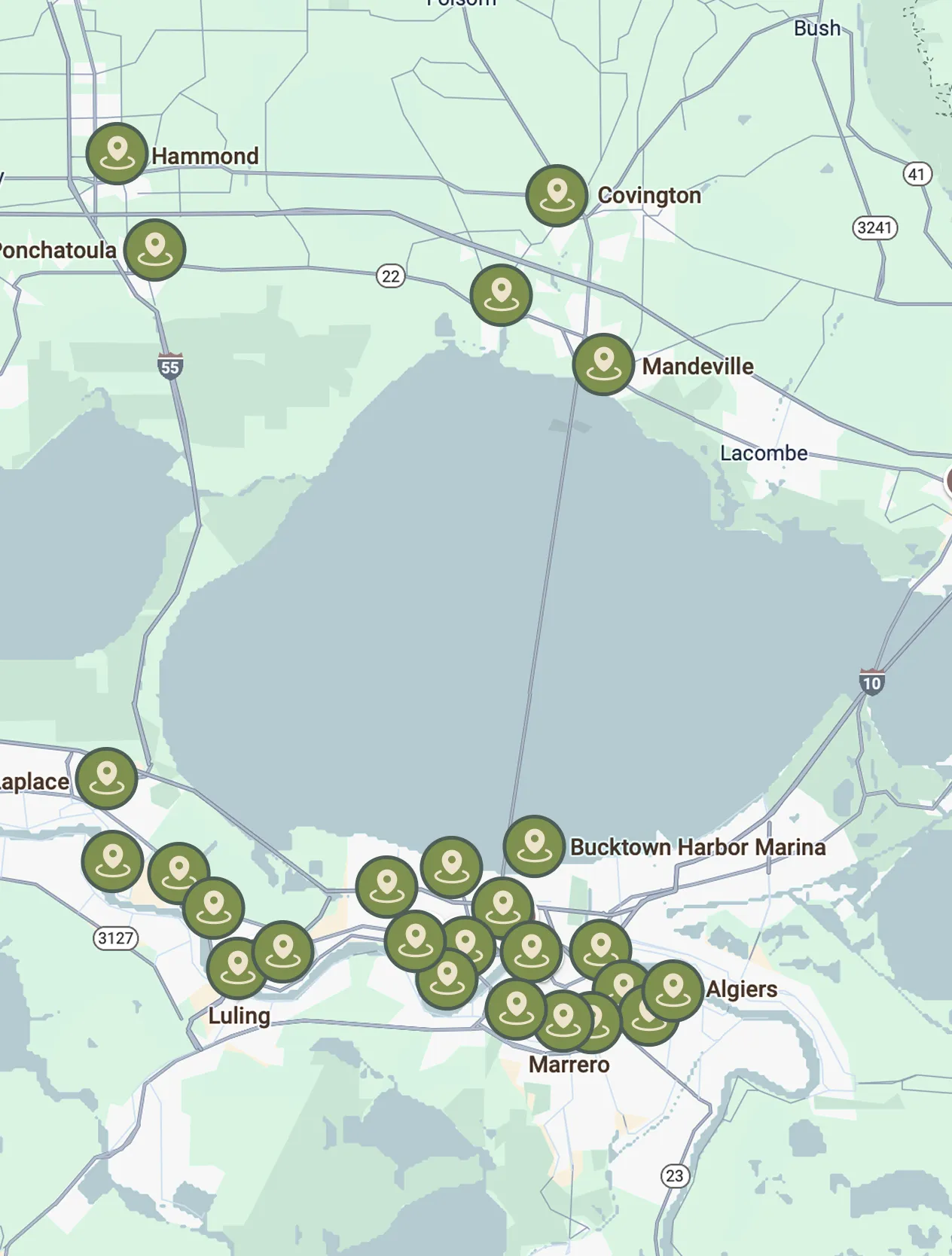
Our service areas are designed to meet the diverse needs of our clients. We focus on providing exceptional service and ensuring customer satisfaction in every location we operate.