UV Light in Luling, LA
.webp)
Cypress Cooling helps Luling, LA homeowners prevent microbial growth on coils and within ducts with our coilmounted and induct UVC systems, improving both system performance and indoor air quality. Proper placement, professional installation by our experienced technicians, and routine maintenance are key to achieving the best results. These systems are compatible with most major HVAC brands and deliver benefits such as cleaner coils, better heat transfer, reduced odors, and lower overall maintenance needs. We'll discuss costs, safety considerations, and how to integrate UVC with filtration, humidity control, and broader IAQ strategies, helping you plan a practical and effective upgrade for your home.
-min.webp)
UV Light in Luling, LA
Hot, humid conditions in Luling, LA make HVAC systems especially vulnerable to mold, biofilm, bacteria, and airborne microbes. UV-C light systems installed in your ductwork or on the HVAC coil offer a targeted way to reduce microbial growth on coils and inside ducts, restore airflow and efficiency, and lower odors and maintenance needs. This page explains how in-duct and coil-mounted UV-C light systems work, where to place them, installation and maintenance expectations, compatibility with common HVAC brands, safety considerations, expected performance, estimated costs, and how UV solutions fit into a whole-home indoor air quality strategy.
Why UV-C matters for Luling, LA homes
- High humidity and warm temperatures promote mold and biofilm buildup on coils and in drain pans, reducing heat transfer and trapping allergens.
- Coastal and riverine air can carry biological contaminants and organic material that feed microbial growth inside HVAC systems.
- UV-C light in Luling, LA homes addresses these local drivers by inhibiting microbial colonies where they form, improving system efficiency and indoor comfort.
Types of UV-C systems and how they work
- Coil-mounted UV-C: A lamp (or lamps) is installed above or along the evaporator coil and condensate pan to directly irradiate coil surfaces and keep them free of mold and biofilm. This is the most common choice when the goal is to protect the cooling coil and improve condensate drainage.
- In-duct UV-C: Lamps are mounted inside supply or return ducts to irradiate moving air and interior duct surfaces, reducing airborne microbes and limiting recontamination downstream. These systems are useful when treating a larger portion of the airflow or when multiple coils or zones are involved.
- Bulb technology: Most HVAC UV-C systems use low-pressure mercury lamps that emit near 254 nm, effective at inactivating bacteria, viruses, and mold spores. UV-C LEDs are emerging but currently have lower output and are used in niche applications.
Common UV Light issues in Luling, LA
- Coil and drain pan mold causing musty odors and reduced cooling capacity.
- Reduced heat transfer from biofilm buildup and dirt accumulation.
- Recurrent coil cleanings and frequent maintenance due to rapid microbial regrowth.
- Increased allergy triggers or occupant complaints during humid months.
Recommended placement and installation steps
- Site survey: Inspect the air handler location, coil orientation, available mounting surfaces, access for service, and electrical supply. Determine whether coil-mounted or in-duct placement best treats the problem areas.
- Coil-mounted placement: Position lamps on the discharge side facing the coil and condensate pan so line-of-sight reaches coil surfaces. For multi-row coils or large surface area, use multiple lamps spaced to ensure even coverage.
- In-duct placement: Install lamps in the supply duct downstream of the coil or in the return duct where airflow and dwell time provide effective exposure. Use reflectors or multiple lamp placements for larger ducts.
- Power and controls: Provide dedicated power and proper wiring per code. Include switches or interlocks so lamps are off during service and start with the HVAC fan if required by the system design.
- Professional mounting: Secure lamps with brackets and protective guards when accessible. Seal any duct penetrations and follow manufacturer spacing and clearance requirements.
- Verification: Measure lamp output or follow manufacturer coverage guidelines. Confirm that the coil, drain pan, and duct surfaces receive sufficient UV dose.
Maintenance and bulb replacement schedules
- Bulb life and output decline: Low-pressure mercury UV-C lamps produce maximum output early in life and lose effective output over time. Typical replacement cadence is 9 to 12 months for many residential systems; some high-output lamps may be rated for 12 to 18 months but still experience reduced intensity before end-of-life.
- Cleaning: Quartz sleeves and lamp surfaces collect dust in some duct environments. Inspect and clean sleeves every 6 to 12 months to maintain effective output.
- Ballast and driver checks: Inspect power supplies, mounts, and wiring annually. Replace ballasts as recommended by the manufacturer.
- Monitoring: Consider systems with UV intensity monitors or simple lamp-life indicators to confirm ongoing performance.
Compatibility with common HVAC brands
- UV-C systems are broadly compatible with major brands such as Trane, Carrier, Lennox, Goodman, Rheem, Bryant, and York. Selection depends on coil size, access, and available mounting locations.
- Installation may vary for compact or packaged units, and some manufacturers have preferred mounting options or approved kits. Professional installers will adapt mounts and wiring without voiding HVAC manufacturer requirements, but check any warranty stipulations before installation.
Safety considerations
- UV-C is harmful to skin and eyes on direct exposure. Ensure lamps are mounted where occupants and service personnel are not directly exposed when operating.
- Use interlocks or automatically switch off lamps when access panels are opened during service.
- Choose ozone-free lamps (primarily 254 nm) for occupied homes. Some UV products produce ozone; avoid those for indoor occupied spaces.
- Power down and lock out power before servicing lamps. Follow installer and manufacturer instructions and local electrical codes.
Performance outcomes you can expect
- Cleaner coils and drain pans leading to better heat transfer, improved cooling capacity, and more consistent indoor humidity control.
- Reduced musty odors and fewer microbiological triggers for allergy sufferers.
- Less frequent manual coil cleaning and lower maintenance time.
- Reduced microbial load in air-moving components; in-duct systems can lower airborne biological counts in treated airstreams.
- Timing for measurable benefits: visible improvements in odors and condensate drainage often occur within weeks; efficiency and run-time improvements depend on the prior condition of the system.
Estimated costs (typical residential ranges)
- Coil-mounted systems: roughly $300 to $900 depending on lamp count and access complexity.
- In-duct systems: roughly $500 to $1,200 for standard single-zone residential installations; larger ducts or multi-lamp systems cost more.
- Annual maintenance and bulb replacement: roughly $80 to $250 per year depending on lamp and labor choices.
- Exact cost depends on home layout, system access, number of lamps, and local labor rates.
How UV-C complements whole-home filtration and other IAQ measures
- Filtration and UV-C solve different problems: high-efficiency filters (MERV 13 or HEPA in dedicated systems) remove particles and allergens; UV-C targets living organisms on surfaces and in the airstream.
- In Luling, LA homes, pair UV-C with proper filtration, humidity control, routine duct and coil cleaning, and ventilation to achieve balanced indoor air quality.
- UV-C helps reduce biological growth that can bypass filters via trapped moisture on coils and surfaces, making filtration and UV-C synergistic.
ConclusionUV Light in Luling, LA homes offers a targeted, science-based method to reduce microbial growth on coils and in ductwork, improving system performance, indoor comfort, and overall indoor air quality. For humid, coastal-adjacent environments like Luling, LA, coil-mounted or in-duct UV-C systems are especially relevant to control mold, reduce odors, and lower maintenance frequency. Proper placement, professional installation, routine maintenance, and integration with filtration and humidity control deliver the best outcomes.
OUR CLIENTS HAVE TO SAY ABOUT US



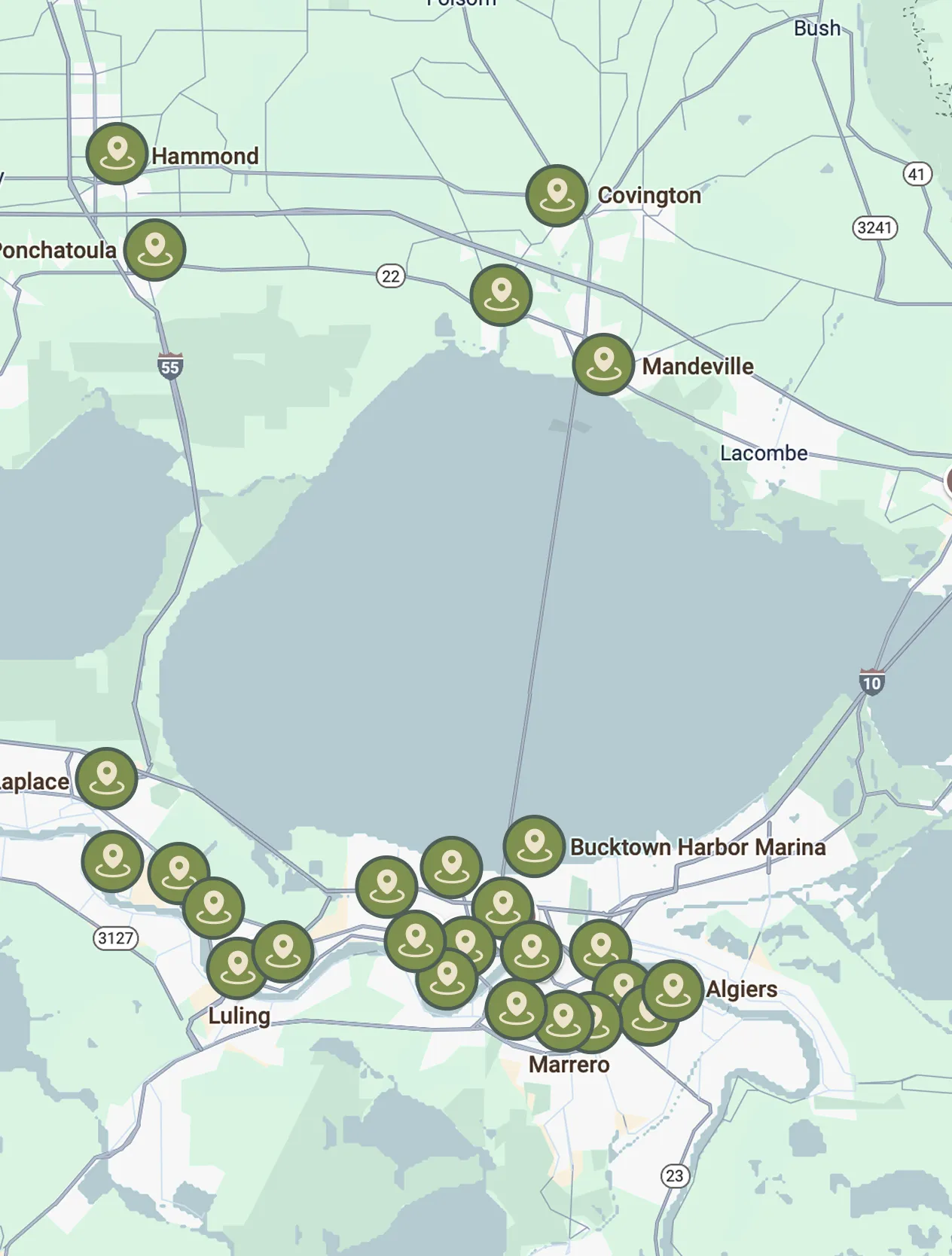
Service areas
Our service areas are designed to meet the diverse needs of our clients. We focus on providing exceptional service and ensuring customer satisfaction in every location we operate.