UV Light in Laplace, LA
.webp)
Cypress Cooling is proud to offer UVC airsanitizing systems as a lowmaintenance method to reduce microbial growth on HVAC coils and induct air, particularly beneficial in Laplace, LA. Our team can explain how coilmounted and induct UVC units work, highlighting their benefits for homes and businesses in our humid Gulf Coast environment. Professional installation by Cypress Cooling includes proper sizing, secure mounting, electrical hookups, safety interlocks, and thorough performance checks. We'll also cover essential safety information, maintenance requirements, compatible system types, expected results, and any limitations. Designed with Laplace humidity in mind, our systems emphasize reliable outcomes.
UV Light in Laplace, LA
UV light air-sanitizing systems are an effective, low-maintenance way to reduce biological growth on HVAC coils and lower airborne microbial loads in homes and businesses in Laplace, LA. With our humid Gulf Coast climate and frequent pollen and mold pressure, coil-mounted and in-duct UV-C systems address a common indoor air problem at the source — the HVAC equipment itself. This page explains how UV-C systems work, the specific benefits for Laplace properties, what professional installation looks like, safety and maintenance expectations, compatible system types, and answers to frequently asked questions.
How UV-C air-sanitizing systems work
UV-C refers to ultraviolet light in the 200–280 nanometer band. When properly positioned, UV-C photons disrupt the DNA and RNA of microorganisms, preventing replication and effectively inactivating bacteria, mold spores, and many viruses.
- Coil-mounted UV-C units are installed near the indoor cooling coil and drain pan where moisture collects. Continuous light exposure keeps coil surfaces cleaner, improves heat transfer, and reduces microbial growth that contributes to odors and reduced efficiency.
- In-duct UV-C units are placed inside the ductwork, typically downstream of the coil or in an accessible section of main trunk. These units treat air as it flows through, reducing viable microorganisms in the airstream while also protecting duct surfaces.
Both approaches work best as part of a complete HVAC health strategy that includes proper filtration, regular coil cleaning, and adequate ventilation.
Why UV-C matters in Laplace, LA
Laplace experiences high humidity, warm temperatures, and seasonal pollen — conditions that encourage mold and bacterial growth on HVAC coils and inside ductwork. Key local benefits include:
- Reduced mold and mildew growth on coils and drain pans that are otherwise constantly damp.
- Lowered odors associated with microbial colonies in systems that serve conditioned spaces.
- Improved system efficiency by keeping heat exchange surfaces cleaner, which helps reduce compressor run time in hot months.
- Health-focused indoor air improvements that complement filtration by inactivating microbes that filters alone cannot neutralize.
Common problems UV-C addresses
- Recurring mildew smell when the AC first starts
- Visible or suspected mold on evaporator coils or in drain pans
- Rapid drop in system efficiency due to fouled coils
- Occupant complaints of allergy or respiratory symptom flare-ups linked to indoor biologicals
Professional installation process
A professional install ensures correct sizing, safe operation, and optimal placement for maximum effectiveness. Typical steps include:
- Assessment: Technicians inspect the air handler, coil orientation, duct layout, and electrical access to determine the right unit type and lamp wattage.
- Selection of unit: Choose between coil-mounted (direct line of sight to coil) or in-duct models based on access and treatment goals.
- Mounting: Install brackets and position the lamp(s) to maximize exposure to coil and drain pan or airstream where specified. For coil-mounted units, lamps are often installed facing the coil at a short distance.
- Electrical hookup: Hardwire to the air handler circuit or install a dedicated power source with required safety switches and labeling.
- Interlocks and switches: Install safety interlocks or door switches so the UV lamp automatically turns off when service panels are opened.
- Performance check: Verify lamp operation, confirm no light leaks into occupied spaces, and document placement for future maintenance.
A quality install prioritizes line-of-sight exposure to the target surfaces and includes measures to prevent accidental human exposure.
Safety considerations
UV-C is effective against microbes but can be harmful to eyes and skin with direct exposure. Professionals mitigate risk by:
- Installing lamps inside ducts or behind the coil so occupants are never exposed.
- Using interlocks or door switches that immediately shut the lamp off if a technician opens the equipment access panel.
- Avoiding ozone-producing lamps; modern low-pressure mercury UV-C lamps designed for HVAC applications do not produce harmful ozone when specified correctly.
- Providing clear labeling and documentation for future service personnel.
Never attempt to install or service UV-C lamps without training and the proper safety controls in place.
Maintenance and bulb replacement schedule
UV-C systems are low-maintenance but require scheduled attention to remain effective.
- Lamp replacement: Most UV-C lamps used in HVAC systems lose effectiveness slowly and should be replaced on a regular schedule, commonly every 9 to 12 months depending on lamp type and recommended manufacturer intervals.
- Lamp cleaning: Dust and film can reduce output. Technicians typically clean lamp sleeves or reflectors during service visits.
- Annual inspection: Verify mounting integrity, electrical connections, interlocks, and lamp output as part of annual HVAC maintenance or coil cleaning visits.
- Monitoring: Some systems include lamp output indicators or remote monitoring to confirm continuous operation. Where available, these are useful in Laplace homes with long cooling seasons.
Proper maintenance ensures the UV system continues to protect coils and air quality throughout humid seasons.
Compatible system types
UV-C systems integrate with most forced-air HVAC systems, including:
- Split-system air handlers and condensers
- Packaged rooftop units
- Residential furnaces and air handlers
- Some ducted mini-split systems (subject to access)
- Commercial air handling units and makeup air systems
A site assessment will determine access and the best configuration. UV-C is not a direct replacement for high-efficiency filtration, but it works alongside MERV-rated filters and ventilation upgrades.
Limitations and realistic expectations
UV-C significantly reduces viable microbial populations on exposed surfaces and in the air, but it is not a cure-all.
- It does not remove dust or particulates; filters are still necessary.
- It reduces microbial growth over time; immediate removal of heavy mold may still require coil cleaning or remediation.
- Effectiveness depends on exposure time and intensity; poor placement reduces benefit.
- It is best used as part of a multi-pronged indoor air strategy that includes regular maintenance, filtration upgrades, and moisture control.
Frequently asked questions
Q: How quickly will I notice results?
A: Improvements in odors and coil cleanliness can be noticeable within weeks as microbial regrowth on coil surfaces is curtailed. Airborne microbial reductions are continuous while the lamp is operating.
Q: Are UV-C systems safe for my family and pets?
A: Installed correctly inside ducts or behind coils with proper interlocks and shielding, UV-C systems do not present exposure risks to occupants. Only properly trained professionals should service or replace lamps.
Q: How often do lamps need replacing?
A: Most HVAC-grade UV-C lamps are replaced annually or every 9 to 12 months, but exact intervals depend on the lamp type and manufacturer guidance.
Q: Will UV-C damage HVAC components?
A: No, when installed per manufacturer guidelines. UV-C does not harm metal coils or most plastics typically used in HVAC systems, but sensitive materials and labels may need shielding. A professional assessment avoids compatibility issues.
Q: Can UV-C remove coronavirus or influenza from the air?
A: UV-C has been shown in laboratory settings to inactivate many viruses when exposed at sufficient intensity. In HVAC applications, UV-C reduces viral load on treated surfaces and in passing air but should be combined with filtration, ventilation, and hygiene measures for broad infection-control strategies.
Q: Will a UV system replace regular coil cleaning?
A: UV systems reduce the rate of microbial accumulation, but heavy existing buildup may still require professional coil cleaning. Routine coil inspection and cleaning remain important.
Q: Which systems are not suitable for UV installation?
A: Systems with no accessible service panels, some compact ducted mini-splits, or units without a safe mounting location may require alternative approaches. A site inspection will confirm feasibility.
UV-C air-sanitizing systems are a focused solution for the common HVAC biofouling challenges found in Laplace, LA homes and businesses. When properly selected, professionally installed, and maintained, they keep coils cleaner, reduce odors, and contribute to a healthier indoor environment in a region where humidity and biological growth are persistent concerns.
OUR CLIENTS HAVE TO SAY ABOUT US



Service areas
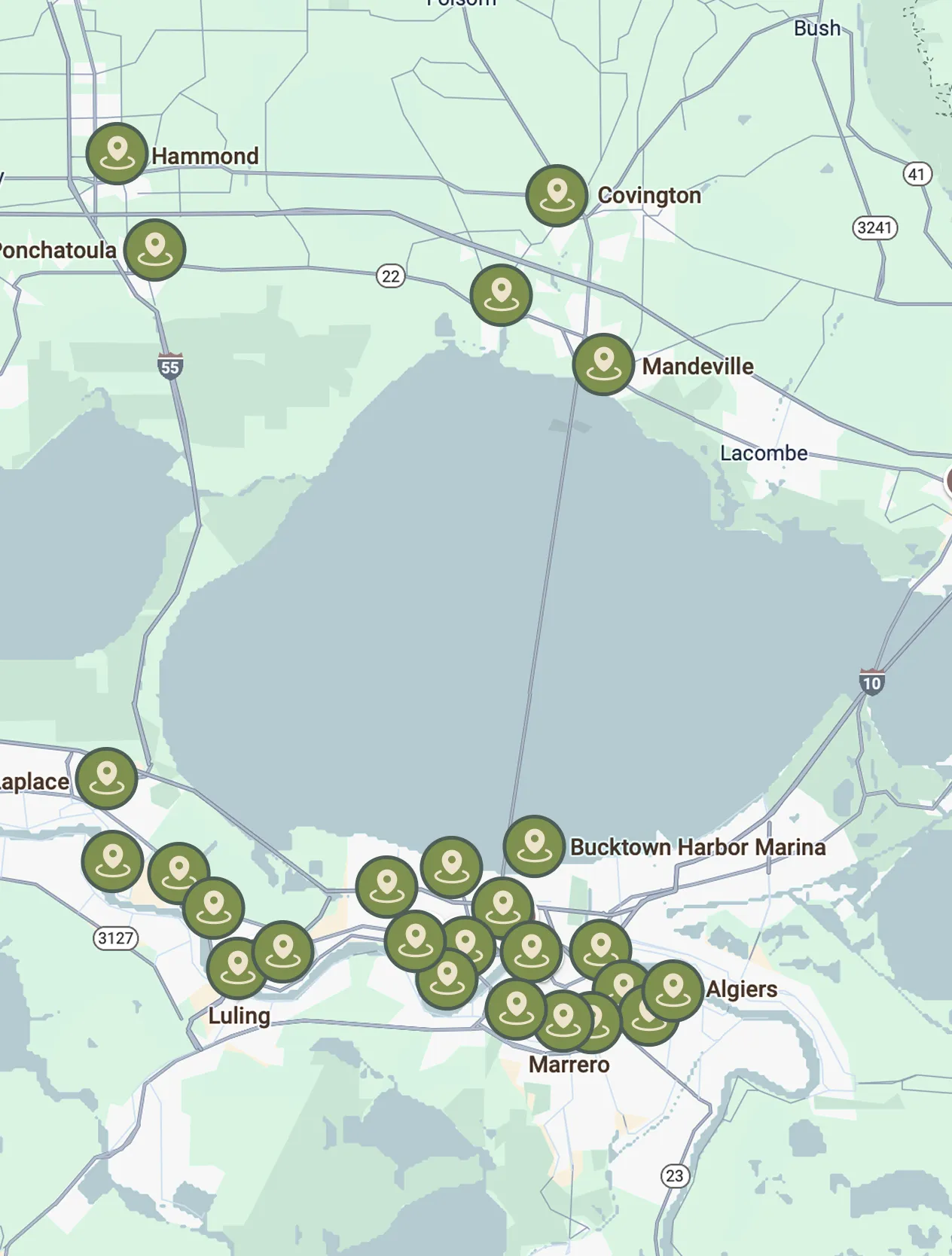
Our service areas are designed to meet the diverse needs of our clients. We focus on providing exceptional service and ensuring customer satisfaction in every location we operate.