UV Light in Harvey, LA
.webp)
In Harvey, LA, Cypress Cooling provides UV germicidal lighting, a science backed method to reduce microbial growth on coils and ductwork, improve indoor air quality, and curb unpleasant odors. UV C lamps work by disrupting the DNA and RNA of microorganisms, and they're most effective as part of a comprehensive strategy that includes proper filtration and regular maintenance. We offer both coil mounted and in duct installation options, and many projects benefit from combining both approaches. Benefits include cleaner coils, reduced odor levels, and improved system efficiency. Cypress Cooling ensures that safety, installation, and maintenance considerations are carefully addressed to guarantee reliable performance.

UV Light in Harvey, LA
UV germicidal lighting for HVAC systems is a practical, science-backed way to reduce microbial growth on coils and inside ductwork, improve indoor air quality, and reduce persistent odors. In Harvey, LA, where warm, humid conditions and frequent storms create an environment that encourages mold and bacteria, UV light can help keep HVAC components cleaner, restore system efficiency, and make indoor air healthier for occupants with allergies or respiratory sensitivities.
What UV germicidal lighting addresses in Harvey homes
- Mold and mildew on evaporator coils that reduce cooling capacity and create musty odors
- Biofilm and microbial buildup in ductwork that contribute to poor indoor air quality
- Persistent household odors that originate from microbial growth on HVAC surfaces
- Higher maintenance needs and reduced energy efficiency driven by fouled coils
- Ongoing allergy triggers from fungal spores and some bacteria
How UV-C lamps work in HVAC systems
UV germicidal lamps emit UV-C light that damages the DNA or RNA of microorganisms, preventing them from reproducing and reducing viable microbial populations on surfaces. In HVAC applications the goal is surface sterilization and biofilm control rather than instant air sterilization. UV works best as part of a layered strategy that includes filtration, humidity control, and regular HVAC maintenance.
Placement options: coil-mounted vs in-duct
Choosing the right placement depends on the specific problem and system layout.
- Coil-mounted UV
- Installed near or directly above the evaporator coil and drain pan.
- Most effective for stopping mold and biofilm on coils where humidity is highest.
- Helps keep the coil clean, which maintains cooling performance and reduces maintenance.
- Recommended for Harvey homes with frequent coil fouling due to humidity.
- In-duct UV
- Installed inside supply or return ducts, often near the air handler or in the main trunk.
- Reduces microbial growth inside duct surfaces and can help lower airborne microbial counts passing through the system.
- Useful when duct contamination or odor sources are remote from the coil, or when multiple zones are served.
Many installations combine both approaches for complete protection: coil-mounted units to protect the evaporator and in-duct lamps to address duct surfaces and airborne microbes.
Expected indoor air quality and odor improvements
- Noticeable reduction in musty odors caused by mold and mildew on coils and drain pans.
- Lower buildup of visible slime or biofilm on accessible HVAC components.
- Fewer airborne particles related to biological growth; may reduce allergy symptoms tied to mold spores.
- Improved system efficiency as coils remain cleaner, often translating to more consistent comfort levels.Realistic expectations: UV improves surface cleanliness and reduces microbial loads over weeks to months. It is not a replacement for high-efficiency filtration, source control, or dehumidification where those are needed.
Installation and compatibility with existing equipment
- UV systems are compatible with most central HVAC systems, including split systems and packaged units, as long as there is reasonable access to the coil or duct interior.
- Installation requires a secure mount point and a nearby electrical supply. Some systems use a small line-voltage connection, others include low-voltage ballasts.
- Older systems may need modifications to create safe mounting points or to run power. Accessibility for maintenance should be considered when planning placement.
- Proper orientation and distance from target surfaces are essential for effective dosing. Technicians measure and document lamp intensity to confirm performance.
Maintenance and bulb replacement schedule
- UV lamps lose intensity over time. Typical maintenance practices include:
- Regular cleaning of the quartz sleeve or lamp housing every 3 to 6 months to remove dust and grime that block UV output.
- Lamp replacement generally on an annual to yearly schedule depending on the lamp type and usage, since output falls even if the lamp remains lit.
- Periodic ballast and wiring inspections to ensure consistent electrical performance.
- UV intensity checks during routine HVAC service to verify lamps are delivering effective dosage.
- Pairing UV maintenance with routine HVAC tune-ups ensures the system stays both clean and efficient.
Safety considerations
- Direct exposure to UV-C light can harm skin and eyes. Proper installations place lamps inside the air handler or ductwork so occupants are not exposed.
- Technicians should follow safety protocols and use appropriate protective equipment if inspecting or servicing active lamps.
- Choose lamps that produce minimal or no ozone if indoor ozone generation is a concern; modern UV systems designed for germicidal use typically have very low ozone output.
- UV does not neutralize all contaminants. It is an effective surface control tool and should be combined with filtration and humidity management for comprehensive IAQ improvement.
Cost factors and warranties
- Cost drivers include system size, number of lamps required, placement complexity (coil work versus duct mounting), electrical work needed, and labor.
- Ask for details about manufacturer warranties on lamps and ballasts and whether there is any warranty on installation workmanship. Many manufacturers offer limited warranties on UV lamps and ballasts, while professional installers may offer separate workmanship warranties.
- Verify warranty transferability and what maintenance is required to keep warranties valid.
What to expect when arranging professional installation
Homeowners typically follow these steps for professional installations:
- A qualified technician performs a system assessment to evaluate coil access, duct layout, electrical availability, and target problem areas.
- A written scope outlines lamp placement options, equipment specifications, and the maintenance plan.
- Installation includes mounting the lamps, connecting power, verifying secure housings to prevent exposure, and measuring initial UV intensity.
- Post-installation checks confirm airflow is unchanged, coil condition is documented, and the homeowner receives maintenance instructions and a recommended replacement schedule.
- Ongoing service visits are scheduled based on local humidity and system usage to keep performance steady.
For Harvey, LA homes, UV germicidal lighting is a focused, effective way to reduce microbial growth on coils and inside ducts, improve persistent odor problems, and help maintain HVAC efficiency in a humid climate. When selected and maintained properly, UV systems complement filtration and dehumidification strategies to deliver meaningful indoor air quality improvements and lower long-term HVAC maintenance.
OUR CLIENTS HAVE TO SAY ABOUT US



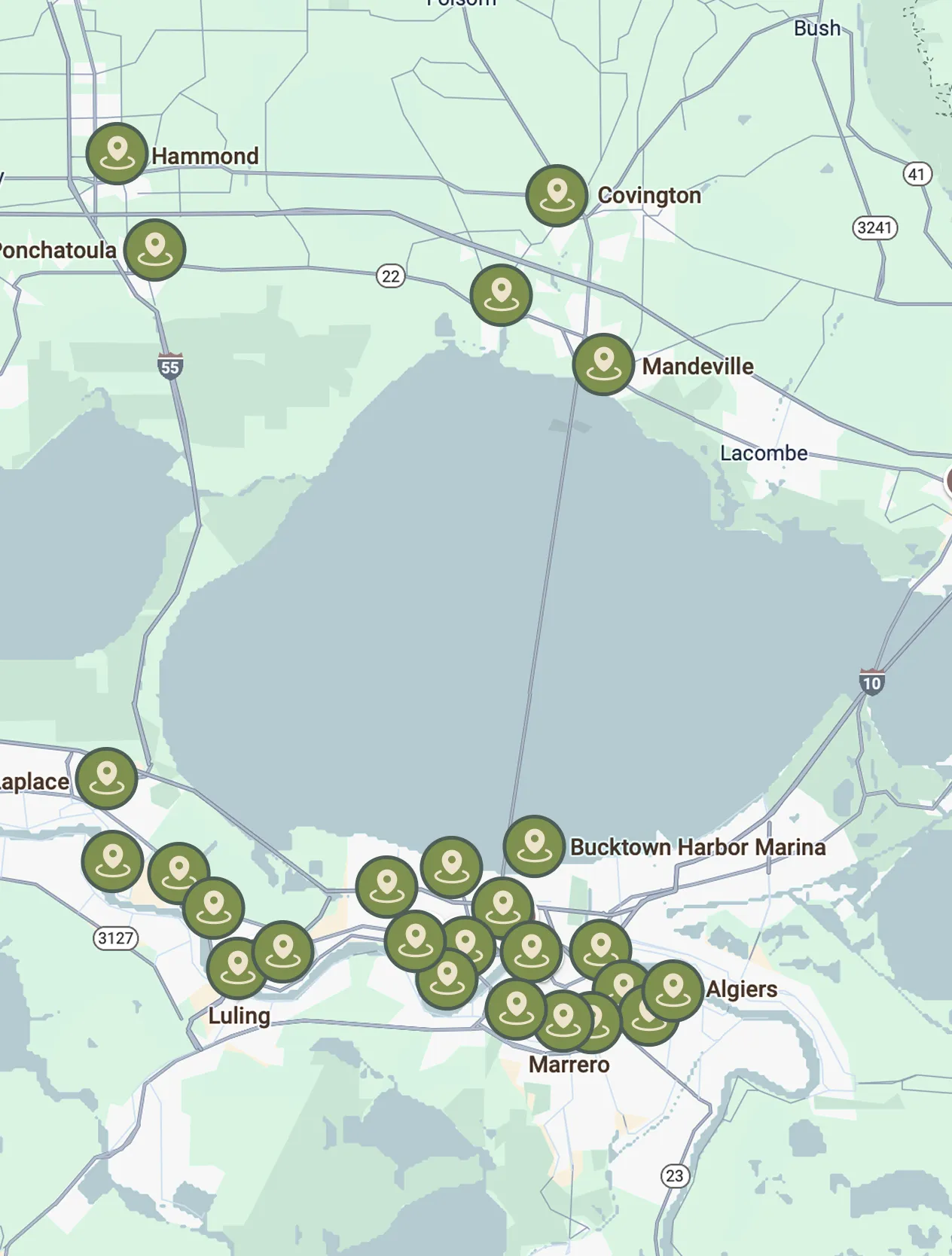
Service areas
Our service areas are designed to meet the diverse needs of our clients. We focus on providing exceptional service and ensuring customer satisfaction in every location we operate.