UV Light in Harahan, LA
.webp)
For Harahan, LA homeowners seeking to improve their indoor air quality, Cypress Cooling offers UV germicidal lights as a practical solution to reduce biofilm on coils and in ducts. We'll outline the two primary installation methods—coil mounted and in duct—and discuss important considerations for system compatibility, safety, and maintenance. We'll also cover typical installation steps, expected timelines, warranty information, practical cost factors, and the benefits these systems offer in our humidity prone environment. A professional evaluation from Cypress Cooling ensures proper matching, safe installation, and ongoing upkeep as part of a broader indoor air quality strategy.
UV Light in Harahan, LA
UV germicidal lights are an effective way to improve indoor air quality in Harahan, LA homes by reducing microbial growth on HVAC coils and in-duct surfaces. With Harahan’s humid subtropical climate and frequent high indoor humidity, HVAC coils and ducts are prone to mold, bacteria, and organic buildup that reduce system efficiency and contribute to odors and allergy symptoms. This page explains how UV lights work, which systems they’re compatible with, the installation options, safety and maintenance you should expect, typical air-quality benefits, warranty considerations, and the practical steps homeowners can expect when arranging installation or service.
Why UV Germicidal Lights matter for Harahan homes
Harahan’s warm, humid summers and occasional storm-driven moisture create ideal conditions for slime, mold, and bacteria to form on evaporator coils and duct surfaces. When biological growth accumulates:
- Coil heat transfer drops, reducing cooling capacity and increasing runtime.
- Microbial off-gassing and spores can circulate, worsening indoor odors and allergy triggers.
- System airflow and efficiency decline, raising energy use.
UV-C germicidal lamps target microorganisms on surfaces and slightly in the airstream. By keeping coils and ducts cleaner, UV lights help restore efficient airflow and reduce biological contaminants that aggravate respiratory sensitivities common in humid climates.
Common types of HVAC UV light systems
There are two primary installation approaches, each with advantages depending on your HVAC layout and indoor-air goals.
- Coil-mounted UV lights (evaporator coil sterilization)
- Installed inside the air handler, directed at the evaporator coil.
- Best for preventing and controlling mold and biofilm on coil surfaces.
- Direct coil exposure yields faster reductions in surface microbial growth and helps maintain cooling efficiency.
- In-duct UV lights (airstream disinfection)
- Mounted inside duct runs, typically downstream of the coil or at return/processing sections.
- Targets airborne microorganisms passing through the ducts and provides broader in-duct surface treatment.
- Useful in systems where the air handler is inaccessible or for treating longer duct runs.
Hybrid systems combining coil-mounted and in-duct units are sometimes used in high-risk environments or where extra airborne reduction is desired.
System compatibility and what installers check
Not every UV product fits every HVAC setup. A professional evaluation typically looks at:
- Equipment type: central split systems, packaged units, heat pumps, and some air handlers are readily compatible. Ductless mini-splits require specialized solutions and may not accept conventional coil-mounted lamps.
- Access and space: sufficient clearance around the coil or enough duct space for safe lamp mounting and wiring.
- Electrical availability: some units operate on line voltage while others need a 24V control signal tied into the furnace/air handler control board.
- Materials in the airstream: certain plastics, fibrous insulation, and rubber components can degrade with prolonged UV exposure and may require shielding or relocation.
Typical installation steps and timeline
A standard installation follows a predictable sequence so you know what to expect:
- On-site inspection to confirm system type, coil and duct accessibility, and electrical routing.
- Recommendation of coil-mounted, in-duct, or combined system based on goals and placement feasibility.
- Mounting of lamp fixtures with UV-rated housings, secure wiring per electrical code, and provision of control wiring/interlocks as needed.
- Functional testing: verify lamp power, indicator operation (if provided), and ensure no stray radiation into occupied spaces.
- Documentation of fixture model, lamp type, and warranty registration information.
Installations are typically completed in a few hours for central residential systems, with more complex jobs (tight access or additional controls) taking longer.
Safety considerations
UV-C is effective but requires careful handling:
- Direct exposure to UV-C can damage skin and eyes. Lamps must be permanently enclosed within housings or installed in locations not accessible during operation.
- Use only lamps specified as low-ozone (254 nm germicidal) to avoid ozone generation. Ozone-producing lamps are not appropriate for occupied homes.
- UV can degrade some materials over time (rubber gaskets, certain plastics). Proper placement and shielding prevent premature aging of system components.
- Access panels should include warnings, and many installations use interlocks that shut the lamp off when the access panel is opened for service.
Professional installation minimizes safety risks and ensures compliance with local electrical codes and best-practice mounting.
Maintenance and bulb replacement schedules
UV lamps do not burn out like incandescent bulbs; instead, their germicidal intensity declines over time and should be replaced routinely:
- Typical replacement interval: 9 to 12 months for most mercury-vapor UV-C lamps to maintain germicidal output.
- Ballast and fixture checks: annually inspect the power supply/ballast and lamp sleeve for dust and sleeve clouding; clean housings as needed.
- Indicator systems: some fixtures include LED indicators or sensors to show lamp operation or intensity loss—these simplify maintenance.
- Record keeping: document installation date and scheduled replacement to keep performance optimal, especially in Harahan where high humidity accelerates microbial reformation.
UV-C LED options are emerging with longer lifespans but different maintenance profiles and higher upfront cost; discuss suitability during evaluation.
Expected air-quality and system performance benefits
When properly specified and installed for Harahan homes, UV germicidal lights commonly deliver:
- Reduced visible mold and biofilm on evaporator coils, helping restore cooling capacity.
- Lower microbial loading on duct and coil surfaces, which can reduce odors and sources of allergens.
- Improved HVAC efficiency and reduced operating time due to cleaner heat-transfer surfaces.
- Supplemental reduction of airborne biological particles when in-duct units are used.
Results vary with system condition, humidity control, and ongoing maintenance practices. UV lights are most effective as part of a comprehensive indoor-air strategy that includes filtration, humidity control, and routine HVAC service.
Warranty and product considerations
Warranties vary by manufacturer and installer. Typical expectations:
- Lamp/fixture manufacturer warranty: from one year up to several years on non-consumable components; bulbs often carry shorter coverage.
- Installer workmanship warranty: many service providers offer limited warranties on their installation labor for a defined period.
- Registration and documentation: registering the product with the manufacturer and retaining installation paperwork helps preserve warranty rights.
Confirm warranty terms for both lamps and fixtures and ask how maintenance impacts coverage. Keep records of bulb replacements and annual inspections.
Factors that affect cost (what to expect without price numbers)
Several variables influence overall investment:
- Type of unit (coil-mounted vs in-duct vs hybrid)
- System accessibility and complexity of wiring or control integration
- Quantity of lamps required for duct size or multi-zone systems
- Choice between conventional mercury-vapor UV-C lamps and longer-life UV-C LED options
- Any necessary material shielding or component relocation to prevent UV-related degradation
Understanding these factors helps homeowners in Harahan evaluate proposals and choose the configuration that balances performance and long-term value.
Final considerations for Harahan homeowners
In Harahan’s humid environment, UV germicidal lights are a practical addition to reduce biological growth on coils and ducts, helping preserve HVAC performance and improving indoor air comfort. For homes with recurring mold on coils, persistent musty odors, or frequent allergy complaints tied to moist seasons, UV solutions can be a meaningful part of an integrated indoor-air quality plan. When evaluating options, prioritize proper system matching, professional installation to meet safety standards, and an annual maintenance schedule to sustain benefits.
OUR CLIENTS HAVE TO SAY ABOUT US


Service areas
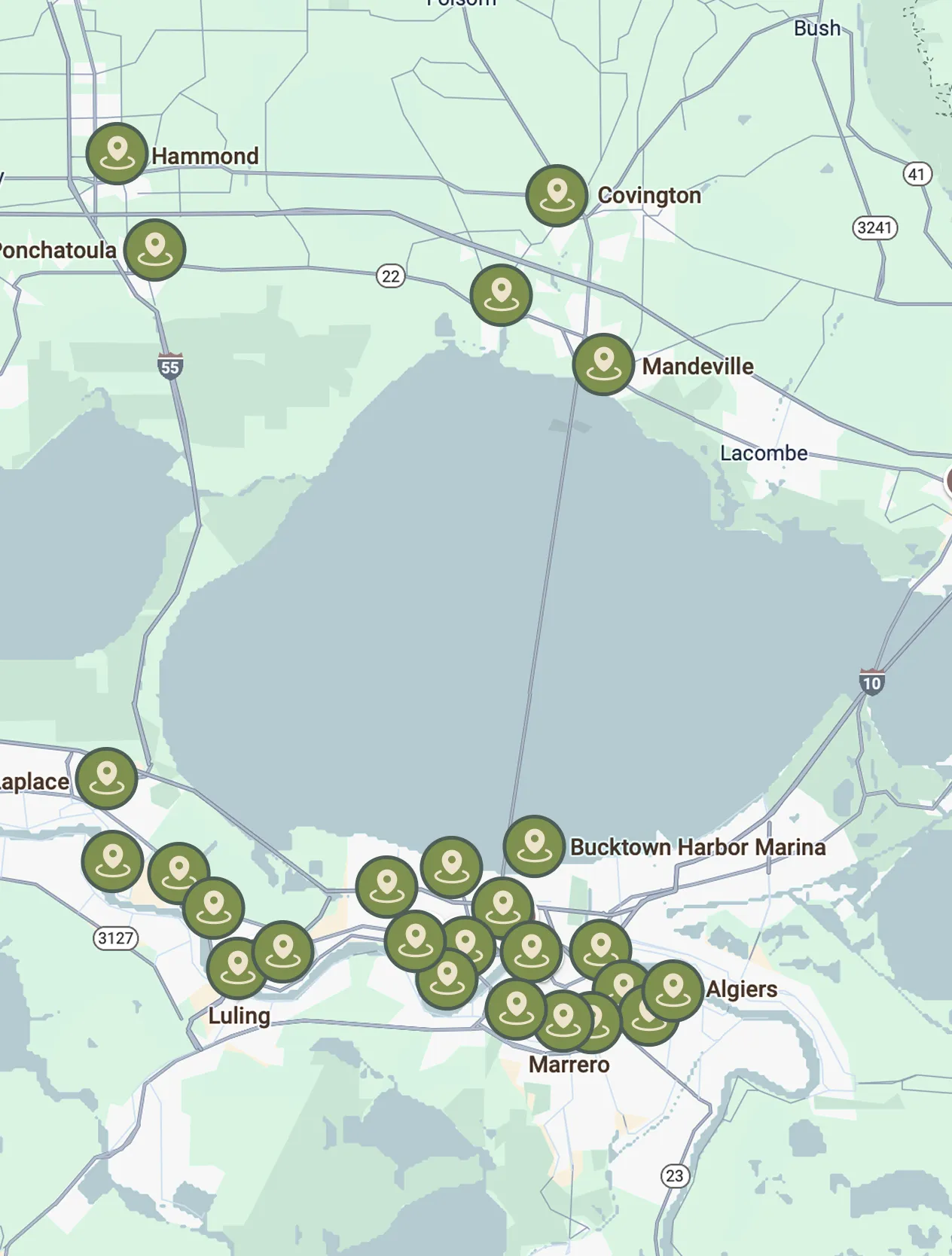
Our service areas are designed to meet the diverse needs of our clients. We focus on providing exceptional service and ensuring customer satisfaction in every location we operate.