UV Light in Hammond, LA
.webp)
Cypress Cooling presents germicidal UV light as a targeted method to reduce microbes on coils and in ducts in Hammond, LA, ultimately improving indoor air quality and system performance. Given our humid subtropical climate, mold growth is a common concern. We'll explain how UV C light disrupts microbial DNA, where the lamps are typically placed, what to expect during installation and maintenance, energy considerations, safety protocols, relevant codes, warranty options, and address common homeowner questions. Cypress Cooling emphasizes the importance of proper specification, professional installation, regular lamp replacement, and integration with routine HVAC care for a healthier home environment.

UV Light in Hammond, LA
Germicidal UV light for HVAC systems is a targeted way to reduce microbial growth on coils and in ductwork, improving indoor air quality and system performance in Hammond, LA homes. With the Gulf Coast's high humidity, frequent thunderstorms, and warm temperatures that favor mold and bacterial growth, installing UV lamps near coils and airflow paths can meaningfully reduce microbial buildup and help maintain more consistent airflow and cooling capacity. This page explains how HVAC UV systems work, where they are installed, installation and maintenance requirements, energy and safety considerations, warranty and pricing structures, and answers common questions Hammond homeowners ask when deciding on UV treatment.
Why UV light matters in Hammond, LA
Hammond's humid subtropical climate creates ideal conditions for mold and bacterial growth on evaporator coils and inside return ducts. Homes here often run air conditioning for extended months, increasing the chance that trapped moisture will encourage microbial colonies. UV-C germicidal lamps directly irradiate coil surfaces and moving air, which reduces spores and microbes that contribute to odors, reduced coil efficiency, and recurrent indoor contamination. For homeowners dealing with visible mold on vents, musty odors after storms, or allergy triggers tied to mold and bacteria, UV treatment is a practical addition to routine HVAC care.
Common HVAC microbial problems in Hammond homes
- Mold and mildew growth on evaporator coils and drip pans after heavy rain or poor drainage.
- Persistent musty odors in ductwork following high-humidity periods or water intrusion.
- Reduced cooling efficiency as microbial film insulates coils and restricts airflow.
- Increased maintenance frequency due to repeated coil cleaning and chemical treatments.
- Concerns about airborne bacteria and viral particles in high-occupancy homes or shared spaces.
How germicidal UV technology works and where lamps are installed
Germicidal UV systems use UV-C light to disrupt the DNA or RNA of microorganisms, preventing them from reproducing and thereby reducing viable mold, bacteria, and some viral particles. In residential HVAC applications, lamps are typically installed in one or both of these locations:
- Near the evaporator coil and drain pan inside the air handler to continually treat wet surfaces where mold forms.
- In the supply or return duct near airflow paths to expose moving air to UV-C for additional microbial reduction.
Lamps can be mounted internally in the air handler cabinet or in in-duct housings. Proper placement, lamp orientation, and exposure time are critical to achieving expected microbial reduction and depend on system size, airflow rate, and coil layout.
Installation requirements and what to expect
- Electrical supply: UV lamps require a dedicated low-voltage transformer or ballast tied into the HVAC system power. Typical installations need access to an outlet or a simple line run.
- Mounting access: Technicians need clear access to the coil area or a straight duct run to mount lamps safely and to seal the housing to prevent light leakage.
- Sizing and layout: A system audit determines the number and wattage of lamps needed for effective exposure based on coil surface area and airflow.
- Timeframe: Most residential installations are completed within 1 to 3 hours for a single air handler, longer if multiple zones or attic access complicates the job.
- Professional calibration: Correct lamp angle and distance, secure mounting, and verification of ballast function ensure safety and performance.
Maintenance, replacement schedules, and monitoring
- Lamp replacement: Most UV-C lamps reach end of effective output between 9 and 12 months; some specialty low-pressure lamps are rated up to 12 months of useful life. It is recommended to replace lamps on a regular schedule to maintain germicidal output.
- Ballast and electronic component checks: Ballasts and power supplies usually last several years; periodic inspection every 12 months identifies wear or failure.
- Cleaning: Lamps and nearby surfaces should be kept free of heavy dust or debris that could reduce output; a simple wipe during annual HVAC service is common.
- Monitoring options: Systems can include hour meters, indicator lamps, or remote monitoring to alert homeowners when output falls below effective levels.
Compatibility and expected energy use
- Compatibility: UV lamps are compatible with most central HVAC systems, including split systems, packaged units, and some heat pump configurations. Older or custom units may require tailored mounting solutions. A system assessment confirms mechanical fit and electrical compatibility.
- Energy use: Residential UV lamps are low-wattage devices. Typical single-lamp systems draw roughly 10 to 60 watts depending on lamp type and ballast. The incremental energy cost is small compared to the HVAC load, and cleaner coils often yield modest efficiency gains that can partially offset lamp energy use over time.
Safety considerations and regulatory notes
- UV-C safety: Direct exposure to UV-C light can harm skin and eyes. Proper installations place lamps inside the air handler or duct where light cannot escape into occupied spaces. Safety interlocks, sealed housings, and warning labels are standard.
- Ozone: Modern germicidal UV lamps designed for HVAC use operate at wavelengths that do not produce ozone. If ozone is a concern, specify ozone-free UV-C technologies.
- Codes and standards: Installations should follow industry safety practices and local electrical codes. In some cases, accessible attic installations require secure housing and labeling to prevent accidental exposure.
Warranty and pricing options
- Warranty types: Manufacturers commonly offer product warranties covering lamp and ballast defects, with separate coverage for installation workmanship in some cases. Typical warranties vary by component and manufacturer.
- Pricing structures: Residential options often include outright purchase, bundled equipment and service packages, or annual service plans that include lamp replacement and inspection. Financing or seasonal maintenance plans may be available through service providers. When evaluating options, compare lamp life, control features, and included maintenance to determine long-term value.
Frequently Asked Questions (Hammond, LA specific)
Q: Will UV light stop mold in my ducts and on my coils?
A: Properly sized and positioned UV-C lamps significantly reduce active microbial growth on coils and in the immediate airstream. They are most effective when combined with good moisture control, proper drainage, and routine HVAC maintenance.
Q: How long before I notice a difference in odors or system performance?
A: Odor reduction and cleaner coils can be noticeable within weeks, but full benefits depend on existing buildup. In severe cases, an initial coil cleaning followed by UV installation yields the fastest improvement.
Q: Is it safe around children and pets?
A: Yes when installed inside the air handler or duct with no direct human exposure. UV-C should not be used in occupied spaces without proper shielding. Confirm installation follows safety practices.
Q: Do UV lamps produce ozone?
A: HVAC-grade UV-C lamps are typically ozone-free. If ozone generation is a concern, select lamps explicitly rated as ozone-free.
Q: Can I install UV in older or window unit systems common in older Hammond houses?
A: Many central systems and some window or packaged units can be retrofitted. Older or non-standard equipment may need custom solutions or in-duct housings.
Q: Will UV help with pollen and common allergens in Hammond?
A: UV targets microbes and does not remove large particles like pollen. Combining UV with high-efficiency filtration addresses both biological contaminants and airborne particles.
Q: Do I need permits to install a UV system?
A: Most residential installations do not require special permits beyond standard electrical work if a new circuit is added. Local electrical codes apply.
Q: Is UV effective against viruses such as influenza or other respiratory viruses?
A: UV-C inactivates many viruses under laboratory conditions and can reduce viral particles passing through treated areas. It should be part of a layered approach to indoor air health, not a standalone medical solution.
This overview is designed to help Hammond homeowners evaluate germicidal UV for HVAC systems, matching local climate challenges with practical installation and maintenance expectations. Properly specified and maintained UV-C systems reduce microbial growth, support system efficiency, and contribute to healthier indoor environments in humid subtropical climates like Hammond, LA.
OUR CLIENTS HAVE TO SAY ABOUT US



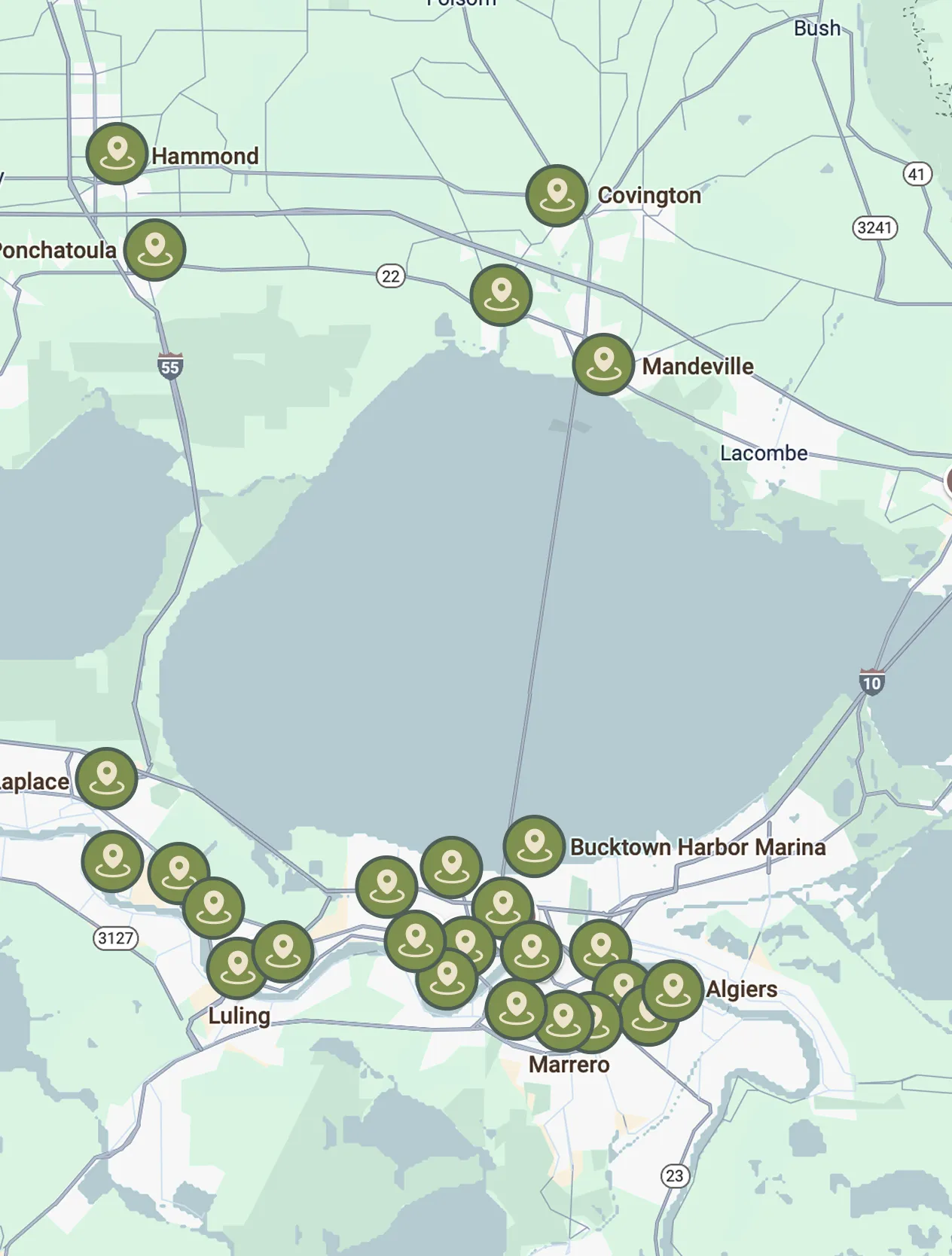
Service areas
Our service areas are designed to meet the diverse needs of our clients. We focus on providing exceptional service and ensuring customer satisfaction in every location we operate.