UV Light in Destrehan, LA
.webp)
UV germicidal lights in Destrehan homes offer a targeted approach to reducing microbial growth on coils, drains, and within ducts, improving indoor air quality and system efficiency. Cypress Cooling explains how UV C works and the two primary installation options—coil mounted and in duct—and when a combination may be appropriate. We'll discuss compatibility with common equipment, the typical installation timeline, safety and maintenance requirements, and realistic expectations. Cypress Cooling reminds you that UV is not a substitute for filtration or humidity control but a valuable IAQ enhancement when properly applied.
-min.webp)
UV Light in Destrehan, LA
Indoor air quality matters in Destrehan homes. Warm, humid Gulf Coast conditions encourage mold, bacteria, and biofilm buildup on HVAC coils and inside ductwork, which can reduce system efficiency and contribute to musty odors or allergy symptoms. Installing a UV germicidal light in your HVAC system is a targeted way to reduce microbial growth and improve airflow and indoor comfort. This page explains what UV germicidal lights do, the installation options, expected benefits for Destrehan households, compatibility with common systems, the installation timeline, safety and maintenance requirements, and answers to common questions.
What are UV germicidal lights and how they work
UV germicidal lights emit ultraviolet-C (UV-C) radiation that inactivates bacteria, viruses, and mold spores by disrupting their DNA or RNA. When installed properly, UV-C prevents microbes from reproducing on surfaces it reaches—most importantly on evaporator coils and the airstream passing through ducts. In humid climates like Destrehan, this helps prevent slime and mold that thrive on wet coils and drip pans.
Key points:
- UV-C reduces microbial load on coils and in-duct airflow but does not filter out dust or remove gases.
- Works best as part of a full indoor air quality strategy including filtration, ventilation, and humidity control.
Types of UV installations
There are two primary installation types used in residential HVAC systems:
- Coil-mounted (or coil-side) UV
- Mounted near the evaporator coil or drain pan inside the air handler.
- Directly targets coil surfaces where mold and biofilm form in humid environments.
- Most effective for preventing coil fouling, improving heat transfer, and reducing odors caused by microbial growth.
- In-duct (or in-duct/airstream) UV
- Installed inside the supply or return duct to treat moving air.
- Reduces airborne microbes passing through the system and helps sanitize duct interior surfaces.
- Useful in homes with occupants who have allergies, asthma, or frequent respiratory illness.
In some situations, both coil-mounted and in-duct units are used for comprehensive control: coil-mounted to keep the coil clean and in-duct to reduce airborne organisms.
Expected benefits for Destrehan homes
- Reduced mold and bacterial growth on evaporator coils and in drain pans — especially important in Destrehan’s humid climate.
- Improved system efficiency and airflow when coils stay cleaner longer, which can help the system reach set temperatures with less strain.
- Fewer musty or “dirty sock” odors caused by microbial growth on coils and duct surfaces.
- Lower microbial counts in the airstream, which may reduce triggers for allergy and respiratory sufferers.
- Less frequent coil cleanings and related maintenance when UV is used in combination with proper filtration and moisture control.
Note: UV lights are not an air filter. They do not remove dust, pollen, or volatile organic compounds. UV works best combined with quality filters and proper humidity control.
Compatibility with existing HVAC equipment
UV systems are compatible with most forced-air HVAC systems common in Destrehan homes:
- Central split systems and air handlers: both coil-mounted and in-duct units can usually be installed.
- Furnaces with attached air handlers: coil-mounted units may be installed at the evaporator coil if accessible.
- Packaged rooftop units (residential/commercial): in-duct or coil options are typically available.
- Ductless mini-splits: coil-mounted UV options are limited but some manufacturers offer solutions for air handlers.
What may require additional work:
- Older systems with tight or poorly accessible plenums may need minor duct modifications or inspection panels.
- Electrical access: UV units need a safe power source. In most cases they connect to the air handler or a nearby junction, sometimes requiring a dedicated circuit or switched power tied to the HVAC thermostat or fan for control.
A professional assessment confirms compatibility and recommends the best configuration for your system and home layout.
Installation process and timeline
Typical steps and what to expect:
- Assessment (30–60 minutes)
- Technician inspects your air handler, coil access, ductwork, and electrical availability to recommend coil-mounted, in-duct, or combination installation.
- Preparation (same visit or scheduled follow-up)
- Power is shut off to the air handler. Minor duct panels may be opened to locate optimal mounting positions.
- Mounting and wiring (1–3 hours)
- UV fixture(s) are mounted and secured in the selected location. Wiring is connected to a switched or constant power source as appropriate.
- Ballast or LED driver is located safely outside the airstream.
- Testing and commissioning (15–30 minutes)
- Unit is powered on, output verified, and safety covers installed. Technician confirms that the system operates correctly with the UV installed.
- Final inspection
- Technician provides inspection results and maintenance schedule recommendations.
Most residential installs are completed within a single day, depending on access and system complexity.
Safety and maintenance
Safety
- UV-C radiation can harm skin and eyes with direct exposure. Proper installations isolate lamps inside ducts or behind coil access panels so occupants are not exposed during normal operation.
- All electrical connections must meet code and be performed by qualified technicians.
Maintenance
- UV lamp output degrades over time. Industry practice is to replace traditional UV-C mercury lamps approximately every 9–12 months to maintain germicidal effectiveness; some systems with specialty lamps or LED UV solutions may have longer service intervals—check the manufacturer guidelines installed.
- Quartz sleeves (if present) should be inspected and cleaned periodically to remove dust or residue that reduces UV transmission.
- Ballasts or LED drivers should be checked annually during HVAC maintenance.
- Keep coils and drain pans accessible for inspection; UV reduces fouling but does not eliminate the need for routine cleaning when heavy buildup occurs.
Be sure to follow manufacturer instructions for replacement parts and schedule annual inspections to confirm performance.
Limitations and realistic expectations
- UV reduces microbial growth but does not remove particulates; continue using quality filters appropriate to your needs.
- It is not a cure-all for existing indoor air quality issues caused by high humidity, leaks, or poor ventilation. Address moisture sources and ventilation for lasting results.
- Results vary: in humid Destrehan homes you’ll often see faster improvements in coil cleanliness and odor reduction than in drier climates, but UV works best as part of a multi-pronged IAQ approach.
Common FAQs
Q: How quickly will I notice an improvement?
A: Odor and coil-related issues often improve within weeks as UV reduces slime and microbial buildup. Airborne microbial reductions can be observed sooner, but symptom relief for allergies may vary.
Q: Are UV lights safe for families and pets?
A: Properly installed coil-mounted or in-duct UV units are enclosed and pose no direct exposure risk. Technicians ensure the lamps are mounted so occupants cannot see or be exposed to the UV-C output.
Q: How often do UV lamps need replacing?
A: Most traditional UV-C lamps are replaced on a roughly 9–12 month schedule to maintain effective germicidal output. Some newer LED-based UV products have longer lifespans—check the product specifications.
Q: Will a UV light prevent mold after a flooding event?
A: UV helps prevent microbial regrowth on HVAC surfaces but does not remove water-damaged materials or address building envelope moisture. After flooding, thorough drying and remediation are required.
Q: Can UV damage my HVAC system?
A: When installed correctly, UV units do not harm ductwork or components. Avoid direct exposure of certain plastics to prolonged UV; professionals select lamp placement to prevent issues.
Q: Is a UV light a replacement for a HEPA filter or ventilation improvements?
A: No. UV complements filtration and ventilation strategies. Use UV to control microbes and filters to catch particles.
UV germicidal lights can be a valuable tool for improving indoor air quality and system performance in Destrehan’s humid climate when selected and installed to match your HVAC system. Proper assessment, professional installation, and routine maintenance keep the system effective and safe for your home.
OUR CLIENTS HAVE TO SAY ABOUT US



Service areas
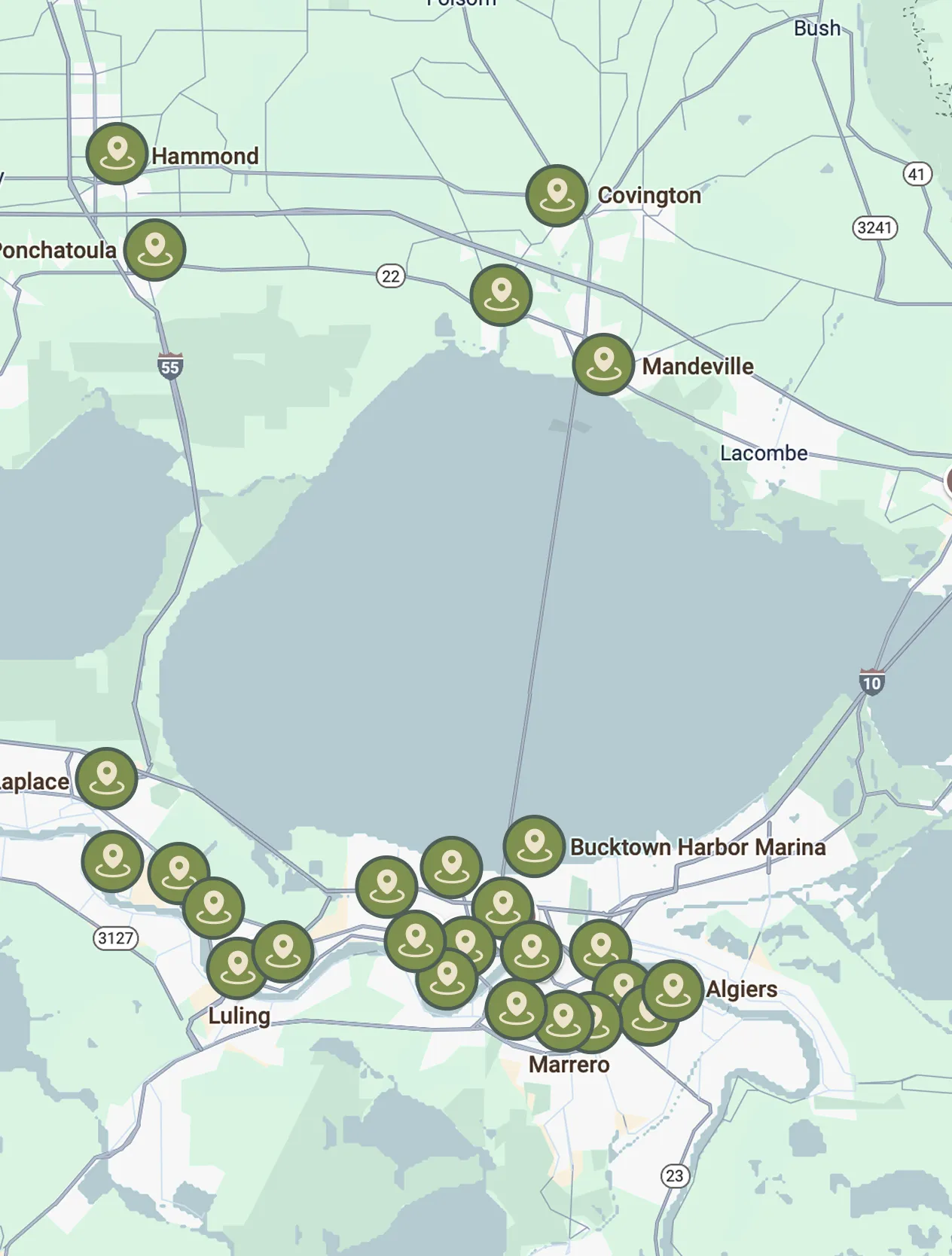
Our service areas are designed to meet the diverse needs of our clients. We focus on providing exceptional service and ensuring customer satisfaction in every location we operate.