UV Light in Covington, LA
.webp)
In Covington, LA, in duct UV light systems protect indoor air quality by targeting the evaporator coil and moving air to slow microbial growth, improve odor control, and preserve cooling efficiency. Cypress Cooling explains how UV C disrupts microorganisms and where to place lamps (coil mounted or duct mounted). We also integrate them with Amana and Goodman equipment. We'll cover installation steps, maintenance schedules, safety and warranty considerations, and the long term air quality and performance benefits homeowners can expect when UV lighting is properly sized and maintained by Cypress Cooling.
UV Light in Covington, LA
In Covington, LA, where high humidity and warm temperatures create ideal conditions for mold and bacterial growth inside HVAC systems, an in-duct UV light is a targeted, long-term solution to protect indoor air quality and preserve system efficiency. In-duct UV-C lamps focus germicidal ultraviolet energy on the evaporator coil and moving airstream to reduce microbial buildup that causes odors, reduced airflow, and degraded heat exchange. This page explains how in-duct UV light solutions work, where to place them, how they integrate with Amana and Goodman systems, installation and maintenance expectations, safety and warranty considerations, and the realistic air quality benefits Covington homeowners can expect.
How in-duct UV light works and why it matters in Covington, LA
- UV-C light penetrates cell walls and disrupts the DNA or RNA of microorganisms, reducing their ability to reproduce.
- In-duct systems are designed to irradiate the evaporator coil surface and the airstream inside the return or supply duct, preventing mold and biofilm that thrive in humid climates.
- In Covington homes, seasonal humidity and frequent heavy rain increase coil condensation and damp duct surfaces, making UV-C particularly effective at slowing recurring microbial growth and associated odors.
Common HVAC microbial problems in Covington homes
- Mold and mildew growth on evaporator coils and drain pans that cause musty smells.
- Bacterial contamination that contributes to allergen loads and diminished perceived air quality.
- Reduced coil performance and airflow restriction due to biofilm accumulation, which lowers cooling efficiency in summer.
- Recurring visibility of black residue on return vents and reduced effectiveness of filtration alone in high-humidity environments.
Recommended placements and compatibility with Amana and Goodman systems
- Coil-mounted in-duct UV: The most common placement is directly over the evaporator coil or on the coil access panel so the lamp shines across the coil face. This directly targets the primary microbial hot spot.
- Duct-mounted air sterilization: Additional lamps can be installed farther down the return or supply duct to reduce airborne microbes passing through the system.
- Compatibility with Amana and Goodman: Most Amana and Goodman air handlers, split systems, and packaged units have accessible coil access panels and standard electrical connections that support retrofit coil-mount UV kits. Confirm model-specific clearances, coil orientation, and electrical supply. Some Goodman and Amana models offer OEM-compatible mounting points; others accept universal kits with adjustable brackets. Always verify space around the coil and thermostat wiring routing prior to selecting a kit.
Typical installation steps
- Inspect system layout to determine optimal lamp location, clearances, and wiring access. Identify the evaporator coil face and measure for lamp coverage.
- Select a UV kit sized to deliver adequate irradiance across the coil surface. Kits include lamp(s), power supply or ballast, mounting brackets, and wiring harness.
- Mount lamp holders to the coil access panel or duct wall using provided brackets. Ensure the lamp is positioned so the quartz sleeve faces the coil with no obstructions.
- Route wiring to a safe power source. Standard installations use 120V line voltage or a low-voltage transformer depending on kit design. Provide strain relief and secure conduit or protective conduit as required by local code.
- Install safety labels and, where needed, interlocks that interrupt power when the access panel is opened.
- Power up the system and verify lamp operation and ballast function. Confirm no direct UV exposure to occupied spaces when panels are open.
Lamp replacement schedules and ongoing maintenance
- Lamp life: UV-C germicidal lamps lose effective output even while still glowing. Replace lamps on a scheduled basis, typically every 9 to 12 months, to maintain germicidal intensity. Follow manufacturer recommendations for the specific lamp type.
- Routine checks: Inspect lamps and ballast annually. Clean lamp quartz sleeves and reflectors every 6 to 12 months in dusty or humid environments to preserve output. Check wiring and mounting hardware for corrosion or looseness.
- Coil and drain pan care: While UV reduces microbial growth, periodic coil cleaning and drain pan flushing remain important for maximum efficiency and to remove nonliving debris that UV cannot vaporize.
- Common maintenance issues: Flickering lamps typically indicate ballast failure or end-of-life lamp. Diminished effectiveness often stems from dirty sleeves or incorrect lamp placement.
Expected air quality improvements and system performance
- Reduced microbial colonization on the evaporator coil and drain pan reduces musty and mildew odors and helps maintain steady airflow.
- Cleaner coils translate into steadier heat exchange, meaning the HVAC system can run more efficiently, especially important during Covington summer cooling months.
- Many homes see noticeable improvement in perceived indoor air freshness and fewer visible signs of mold on vents and registers within months of installation.
- UV does not replace filtration. Pairing in-duct UV with proper filtration provides the best protection against particulate and biological contaminants.
Warranty and safety information
- Safety: UV-C light can cause skin and eye irritation with direct exposure. In-duct systems are designed to contain UV light inside the duct or coil cabinet. Ensure safety labels are intact and access panel interlocks, if present, are functional.
- Lamp disposal: UV lamps contain small amounts of mercury. Follow local guidelines for disposal or recycling of used lamps.
- Warranty: Manufacturer warranties vary by lamp and kit. Typical warranties cover ballast and lamp components for defined periods. Note that improper installation, exposure to water, or use of non-approved replacement lamps can void warranties. For Amana and Goodman equipment, confirm whether modifications affect equipment warranty and follow any manufacturer guidance for accessory installations.
Conclusion: long-term benefits for Covington homeowners
In-duct UV light systems address the recurring microbial problems that are amplified by Covington, LA climate conditions. When properly sized, installed, and maintained, UV-C lamps reduce mold and bacterial growth on coils and in ducts, improve indoor air quality and comfort, and help HVAC systems run cleaner and more consistently. Combining in-duct UV with routine coil cleaning and proper filtration maximizes performance and longevity, making it a practical long-term investment for homes facing high humidity and microbial challenges.
OUR CLIENTS HAVE TO SAY ABOUT US



Service areas
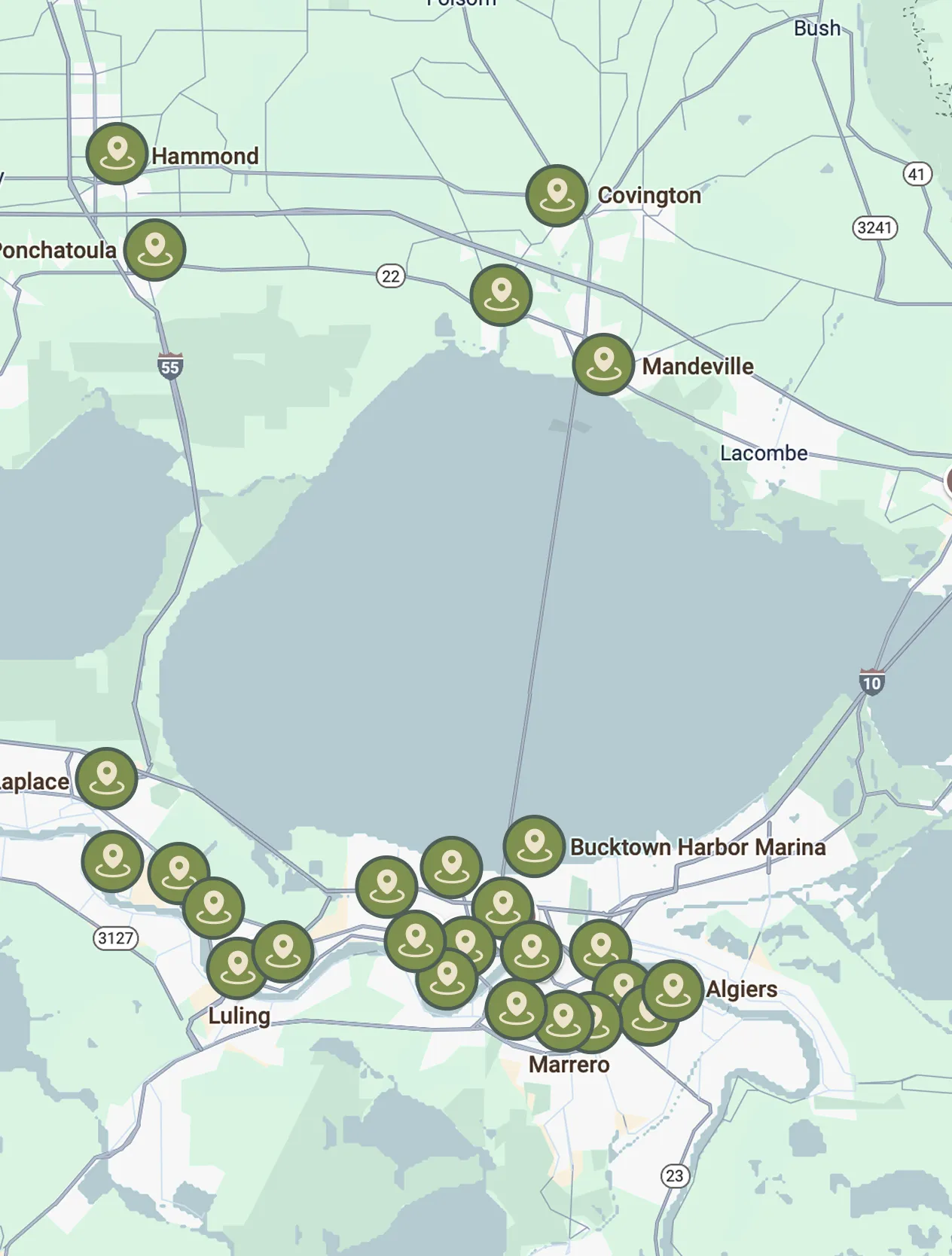
Our service areas are designed to meet the diverse needs of our clients. We focus on providing exceptional service and ensuring customer satisfaction in every location we operate.