Duct Cleaning in Madisonville, LA
.webp)
Homeowners in Madisonville can significantly improve their indoor air quality and HVAC efficiency with professional duct cleaning services from Cypress Cooling. We explain when duct cleaning is appropriate, how our inspectors assess access points and contamination levels, and the specific steps we take to remove dust, fibers, mold spores, and debris. Cypress Cooling also addresses potential mold remediation when necessary, provides post clean verification to ensure effectiveness, and recommends maintenance measures such as sealing leaks and using higher MERV filters. Our clients can expect reduced dust, fewer odors, and lower energy consumption. We adhere to NADCA guidelines and provide tailored long term plans to maintain a healthy and efficient HVAC system.
-min.webp)
Duct Cleaning in Madisonville, LA
Keeping your ductwork clean is a high-impact way to improve indoor air quality, reduce allergens, and restore HVAC efficiency in Madisonville homes. With the Gulf Coast climate, seasonal pollen, high humidity, and frequent renovation or storm-related debris, ducts can accumulate dust, fibers, mold spores, and other contaminants that reduce comfort and drive up energy use. This page explains when professional duct cleaning is appropriate, what a thorough inspection and cleaning involves, expected results, and recommended follow-up steps for long-term performance.
Why duct cleaning matters in Madisonville, LA
Madisonville sits on Lake Pontchartrain and experiences humid, subtropical conditions that increase the risk of mold and biological growth inside poorly sealed ducts. Many local homes are older or have undergone renovations after storms, which can leave construction dust and insulation particles inside the HVAC system. Typical local factors that make duct cleaning especially relevant:
- High humidity and occasional flooding that can introduce moisture into systems
- Spring and summer pollen loads that enter ducts through intake vents
- Renovation activity after storm repairs that deposits heavy dust and debris
- Older ductwork with gaps, insulation degradation, or pest intrusion
When ducts are contaminated, occupants often notice more dust on surfaces, persistent odors, increased allergy symptoms, short cycling or uneven comfort, and higher energy bills.
Common signs you need duct cleaning
Consider a professional evaluation if you notice one or more of the following:
- Visible dust blowing from registers after system start-up
- Persistent musty or mildew odors when the HVAC runs
- New or worsening allergy and asthma symptoms indoors
- Recent home renovation, roof or attic work, or pest infestation
- Visible mold growth inside vents or on duct surfaces
- Excessive debris, rodent droppings, or insulation fragments in registers
- Uneven heating or cooling that airflow diagnostics link to blocked ducts
Inspection and assessment
A proper service begins with a complete inspection to identify access points, contamination levels, and any system vulnerabilities:
- Visual assessment of accessible supply and return registers
- Camera inspection of main trunks and branch lines when needed to locate debris, mold, or structural damage
- Measurement of airflow and static pressure to quantify performance loss
- Evaluation of the blower compartment, evaporator coil, and filter housing
- Identification of gaps, disconnected seams, or insulation failures that may require sealing or repair
This assessment determines whether cleaning alone is appropriate or whether repairs or mold remediation are needed first.
The professional duct cleaning process
Effective cleaning follows source-capture and agitation techniques that remove contaminants without redistributing them into the living space. Typical steps include:
- Prepare and protect the home: covers on registers, protective drop cloths, and containment to prevent dust spread.
- Create negative pressure: a high-capacity HEPA-filtered vacuum is connected to the duct system to capture debris at the source.
- Agitate and dislodge debris: rotary brushes, air whips, and mechanical agitation tools are used to loosen settled dust, insulation fragments, pet hair, and light biological growth from duct walls.
- Brush and vacuum sequence: debris is guided toward the vacuum intake as brushes run through trunks and branch lines, while the HEPA vacuum continuously captures particles.
- Clean associated components: the furnace or air handler blower, accessible coils, and registers are cleaned to restore system cleanliness and reduce recirculation of contaminants.
- Post-clean verification: a final visual or camera inspection confirms removal of contaminants, and airflow measurements are repeated to document improvements.
Equipment used in professional services typically includes rotary brush systems, air agitation tools, and HEPA-filtered source-capture vacuums to meet indoor air quality objectives.
Handling mold and biological contamination
In high-humidity areas like Madisonville, you may find mold or microbial growth in ducts. Important considerations:
- Surface mold found within ducts is addressed through agitation and HEPA vacuuming, followed by drying and source control.
- Active or widespread mold growth, visible colonies, or contaminated insulation may require mold remediation specialists before or in parallel with duct work.
- Disinfectants or antimicrobial treatments are used selectively and in accordance with industry guidance; these are not a substitute for cleaning and moisture control.
A responsible service will document findings and recommend corrective steps to prevent recurrence, such as addressing moisture sources, improving ventilation, or replacing contaminated duct sections.
Expected results and air quality improvements
After professional cleaning you can expect:
- Noticeably reduced dust accumulation on furniture and surfaces
- Fewer visible particulates exiting vents, resulting in cleaner supply air
- Reduced odors caused by trapped debris or light biological growth
- Improved airflow and more consistent heating/cooling due to clearer passages
- Potential energy savings from reduced system strain and improved efficiency
- Reduced allergen and irritant load for occupants, especially those with pet allergies or seasonal sensitivities
Results depend on system condition, presence of active moisture issues, and how well the home is maintained going forward.
Duct sealing, repairs, and recommendations
Cleaning often uncovers opportunities to improve long-term performance:
- Sealing leaks and gaps with approved mastic or metal-backed foil tape reduces infiltration of dust and moisture and improves HVAC efficiency.
- Repairing or replacing damaged duct sections, insulation, and register boots limits pest access and condensation risk.
- Upgrading filters (higher MERV ratings compatible with your system) and ensuring proper filter fit helps keep cleaned ducts cleaner longer.
- Addressing attic and crawlspace insulation or ventilation issues reduces the amount of outdoor debris entering the duct system.
Recommendations should be tailored to Madisonville homes and consider local climate impacts like humidity and salt-laden air near the lake.
Standards, documentation, and maintenance plans
Quality duct cleaning follows nationally recognized methods and provides transparent documentation:
- Services aligned with NADCA standards and industry best practices focus on source capture and HEPA filtration.
- Before-and-after documentation typically includes photos of registers and internal camera footage, airflow and static pressure readings, and a written scope of work.
- Maintenance plans commonly pair periodic inspections and cleanings every 3 to 5 years with scheduled filter changes, seasonal system checks, and prioritized repairs to prevent recontamination. Homes with pets, active renovations, or moisture challenges may need more frequent service.
A documented report helps homeowners verify the work performed and plan preventative steps.
Final notes
For Madisonville homes, proactive duct cleaning can be an important part of a comprehensive indoor air quality and HVAC performance strategy. Addressing moisture sources, sealing ducts, maintaining filters, and scheduling periodic professional inspections will keep systems running efficiently and help protect indoor comfort and health. When assessing the need for cleaning, focus on visible contamination, occupant health signals, and recent changes to the home such as renovations or storm damage. Professional inspection and documented cleaning provide clarity on the right next steps for lasting results.
OUR CLIENTS HAVE TO SAY ABOUT US



Service areas
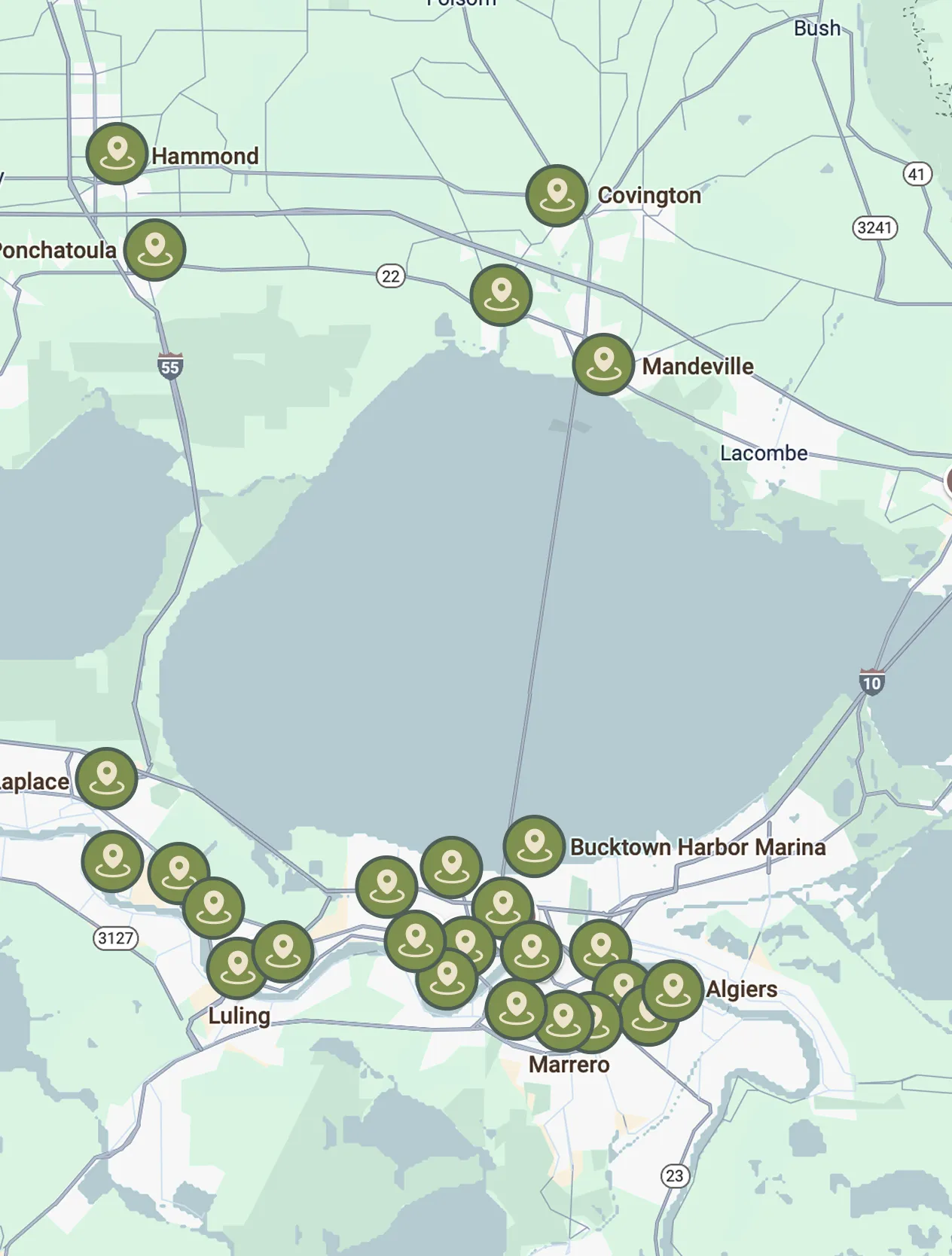
Our service areas are designed to meet the diverse needs of our clients. We focus on providing exceptional service and ensuring customer satisfaction in every location we operate.