Duct Cleaning in Harvey, LA
.webp)
Address your indoor air quality concerns with Cypress Cooling's professional duct cleaning for Harvey, LA homes. We'll explain why cleaning matters, common issues, the inspection process, cleaning methods, scope of work, and expected results. We explain how mold, salt air, and debris impact airflow and indoor air quality, what a thorough inspection evaluates, and how agitation, HEPA vacuuming, coil cleaning, and containment minimize disruption. Cypress Cooling also covers maintenance, cost considerations, and complementary IAQ upgrades to maximize longterm HVAC performance.
-min.webp)
Duct Cleaning in Harvey, LA
Professional duct cleaning is an effective way to restore airflow, reduce indoor dust and allergens, and remove persistent odors from homes in Harvey, LA. With the Gulf Coast climate, older construction, and periodic storm debris in the area, many homeowners find duct cleaning improves comfort and indoor air quality. This page explains what a thorough duct cleaning includes, common issues seen in Harvey homes, the cleaning process, realistic expectations, health considerations, and complementary indoor air quality upgrades.
Why duct cleaning matters in Harvey, LA
Harvey’s humid subtropical climate encourages mold and mildew growth inside HVAC systems, especially if systems are not regularly maintained. Salt air and seasonal storms can introduce debris into ducts, and many local homes have attic and crawl space conditions that lead to increased dust and pest infiltration. Poor duct condition can mean reduced airflow, higher energy use, more dust on surfaces, increased allergy symptoms, and lingering musty or stale odors.
Common duct cleaning issues in Harvey, LA homes
- Accumulated dust and pet dander on supply, return, and trunk lines
- Mold and mildew growth on ducts or evaporator coils in high-humidity conditions
- Pollen and outdoor allergen intrusion after storms or during pollen season
- Debris and rodent nesting material in vents and plenums in older homes
- Reduced airflow caused by heavy buildup or collapsed flexible duct sections
- Odors trapped in insulation or on coil surfaces leading to recurring smells when the system runs
What a professional inspection and assessment includes
A thorough service begins with a complete inspection to identify problem areas and develop a scope of work. Typical inspection tasks:
- Visual assessment of accessible registers, grilles, main trunks, and the air handler
- Use of flashlights and small cameras to evaluate remote sections and supply/return plenums
- Testing airflow and noting pressure drops that indicate blockages or leaks
- Checking the evaporator coil and condensate pan for mold or buildup
- Documenting damaged duct insulation, disconnected joints, or rodent evidence
This assessment determines whether cleaning alone is enough or if targeted repairs, coil work, or IAQ upgrades are recommended.
Cleaning methods explained: agitation, HEPA vacuuming, coil cleaning
A professional duct cleaning uses controlled, documented methods to remove contaminants without scattering them into the living space.
- Agitation: Mechanical agitation loosens settled dust from duct walls and registers. Tools range from rotary brushes to air-whip devices. Agitation dislodges particulate so it can be removed by the vacuum system.
- HEPA vacuuming: High-efficiency particulate air vacuum systems capture dislodged dust and allergens at the source. HEPA-grade filtration prevents recontamination of the home by trapping particles down to 0.3 microns.
- Coil cleaning: The evaporator coil and condensate pan are common sources of moldy odors. Coil cleaning removes biological growth and buildup that reduce heat transfer and encourage microbial growth.
- Targeted hand cleaning: Registers, grilles, and accessible plenum areas are hand-cleaned and wiped to remove remaining dust and ensure a neat finish.
- Containment and negative pressure: Technicians often use negative pressure to pull dust into the vacuum system, minimizing airborne spread during cleaning.
Scope of work: what gets cleaned
A complete service covers all major duct components to ensure consistent results:
- Supply ducts and registers
- Return ducts and return grilles
- Main trunk lines and branch lines
- Air handler area, including blower compartment and accessible plenums
- Vents and grilles throughout the living space
- Evaporator coil and condensate drain when included in the scope
Technicians will document cleaned areas and describe any sections that require repair or remain inaccessible.
Recommended cleaning frequency and before-and-after expectations
Recommended frequency depends on household factors. General guidance for Harvey homes:
- Typical homes with pets, seasonal allergies, or average occupancy: every 3 to 5 years
- Homes with smokers, recent remodeling, or evidence of heavy contamination: sooner, potentially annually until conditions stabilize
- Homes with mold growth, water intrusion, or pest infestation: immediate cleaning plus follow-up to address underlying problems
Before cleaning, expect visible dust at registers, reduced airflow, or intermittent odors. After a professional cleaning, you should notice:
- Improved airflow and more consistent room temperatures
- Reduced visible dust accumulation on furniture and floors
- Fewer allergy symptoms or less sneezing for sensitive occupants
- Diminished musty or stale odors when the system runs
- Cleaner blower compartment and evaporator coil performance
Realistic results depend on addressing source issues. If mold or moisture sources remain, regrowth can occur.
Health considerations and safety
Duct cleaning can reduce airborne allergen loads but is not a cure-all. Considerations specific to Harvey homes:
- Mold: If mold is extensive or linked to active moisture intrusion, cleaning ducts alone will not resolve the problem. Identify and correct leaks, humidity, or condensation issues first.
- Sensitive occupants: For households with severe asthma or immune compromise, an evaluation of overall indoor air quality and targeted IAQ testing is advisable before and after cleaning.
- Pesticides and chemical residues: If past pest treatments or stored chemicals are present in ducts or attics, disclose this during inspection so technicians can take appropriate precautions.
A professional service follows containment practices and uses HEPA filtration to minimize risk during cleaning.
Pricing structure (what influences cost)
Pricing for duct cleaning is typically based on factors rather than flat numbers. Common cost drivers include:
- Size and complexity of the duct system, number of zones, and total register count
- Condition and level of contamination found during inspection
- Accessibility of ducts, attic or crawlspace access, and need for special equipment
- Need to include coil cleaning, blower cleaning, or condensate system work
- Required repairs, remediation of mold, or replacement of damaged duct sections
Estimates are usually provided after an inspection so the scope and any necessary repairs are clear.
Complementary services to consider
To maximize benefits, pair duct cleaning with other indoor air quality improvements:
- Filtration upgrades: Higher MERV-rated filters or true HEPA solutions for improved particle capture
- UV germicidal lights: Installed near the coil to reduce biological contaminants on coil surfaces
- IAQ testing: Baseline particulate, microbial, and allergen testing to measure impact and guide follow-up
- Duct sealing and repair: Address leaks, disconnected ducts, and deteriorated insulation to maintain improvements
- Dehumidification: Humidity control to prevent mold regrowth in Harvey’s humid climate
Final notes on value and long term maintenance
Duct cleaning restores system efficiency and indoor comfort when done thoroughly and combined with moisture control and filtration upgrades. In Harvey, LA, where humidity and storm exposure increase the risks of duct contamination, periodic inspections and a tailored maintenance plan help protect indoor air quality and HVAC performance. Proper documentation of the work performed, combined with follow-up IAQ checks when needed, sets realistic expectations and ensures lasting benefit.
OUR CLIENTS HAVE TO SAY ABOUT US



Service areas
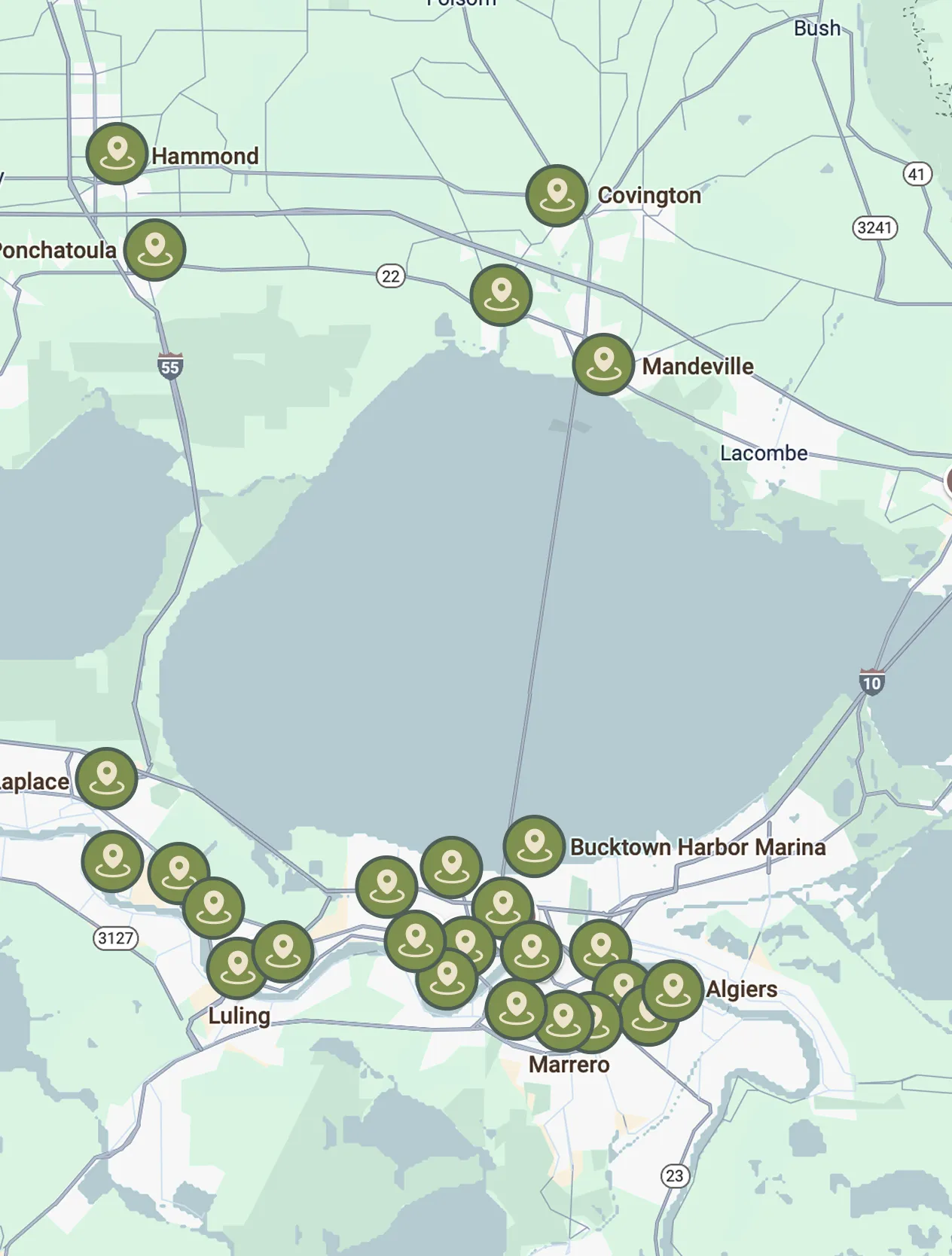
Our service areas are designed to meet the diverse needs of our clients. We focus on providing exceptional service and ensuring customer satisfaction in every location we operate.