Duct Cleaning in Gretna, LA
.webp)
Cypress Cooling provides duct cleaning in Gretna, LA to improve your indoor air quality by removing dust, mold, and allergens from return and supply paths while boosting HVAC efficiency. Our service begins with diagnostics, including visual, camera, airflow, and moisture checks, to map contamination and baseline conditions. A controlled, multistep cleaning follows: containment, agitation, highpowered vacuuming, coil and register cleaning, and targeted sanitization when needed. Expect cleaner vents, better airflow, and a detailed beforeandafter report from Cypress Cooling, with maintenance options to sustain results.
-min.webp)
Duct Cleaning in Gretna, LA
Clean, well-maintained ductwork matters in Gretna homes. High humidity, seasonal pollen, coastal salt air, and occasional storm-driven debris all increase the risk that return and supply ducts will collect dust, mold spores, allergens, and particles that reduce indoor air quality and force HVAC systems to work harder. Professional duct cleaning in Gretna, LA focuses on measurable inspection, targeted cleaning, and follow-up recommendations so your home breathes cleaner and your system runs more efficiently.
Why duct cleaning matters in Gretna, LA
- Humid subtropical climate promotes mold and microbial growth inside ducts when moisture gets trapped.
- Pollen from Gulf Coast vegetation and ash/dust from storm events enter homes more easily through gaps in older duct systems.
- Salt and fine coastal particulates accelerate buildup on coils and registers, reducing airflow and heat transfer.
- Many Gretna homes have attics or crawlspaces that allow dust and insulation fibers into the return plenum.
Addressing contaminated ductwork improves indoor air quality, removes odors, reduces allergen exposure for sensitive occupants, and restores proper airflow—helping the HVAC system maintain comfort with less strain.
Common duct problems we find in Gretna homes
- Visible dust and debris collected at registers and in main trunks
- Mold or microbial spotting inside returns, especially after heavy storms or plumbing leaks
- Animal or insect debris in attics and duct cavities
- Loose or disconnected ducts causing negative pressure and increased particulates
- Dirty evaporator coils and clogged blower compartments reducing efficiency
Inspection and pre-clean diagnostics
A thorough service begins with diagnostics:
- Visual inspection of accessible registers, returns, and plenums
- Camera inspection into main trunks to map contamination and locate obstructions
- Assessment of airflow and static pressure to identify blockages or leaks
- Moisture check around coils, drain pans, and duct joints to detect mold risk
These diagnostics establish a baseline so cleaning is targeted and you know exactly what to expect in the before-and-after comparison.
Step-by-step cleaning methodology
Professional duct cleaning follows a controlled, multi-step process designed to remove debris without spreading it through the home.
- Containment and negative pressure
- Establish negative air pressure at a central extraction point to keep dust from re-entering living spaces.
- Agitation
- Use mechanical agitation tools (rotating brushes, air whips) to dislodge debris from duct walls and bends.
- High-powered vacuuming
- Connect a truck- or truck-mounted vacuum system to the duct network and extract loosened particulates at high capacity.
- Coil and register cleaning
- Clean evaporator coils, blower compartments, and supply/return registers to restore airflow and heat exchange efficiency.
- Targeted sanitization (when appropriate)
- If diagnostics reveal microbial growth, apply EPA-registered antimicrobial treatments to affected areas following industry best practices.
- Final inspection and reporting
- Re-run camera checks and airflow tests; provide a clear before-and-after summary of findings and completed work.
What to expect before and after cleaning
Before: reduced airflow, visible dust at registers, lingering odors, increased run times and uneven cooling/heating.
After: noticeably cleaner registers, improved airflow and system response, fewer airborne dust particles, reduced musty odors when mold is addressed, and a clear diagnostic report documenting the results.
Expect short-term minimal dust during entry points; containment protocols keep that to a minimum. Longer-term benefits depend on whether underlying issues like negative pressure or poor filtration are also addressed.
Recommended frequency for Gretna homes
- Typical homes: every 3 to 5 years as a baseline.
- Homes in high-humidity, storm-exposed areas—or those with mold history, smokers, multiple pets, recent renovations, or known pests: every 2 to 3 years is often more appropriate.
- Renovation or water intrusion events: inspect immediately and clean as needed.
Frequency should be based on diagnostics and lifestyle factors; routine inspections help tailor a schedule that protects indoor air without unnecessary service.
Packages and service options (what each level typically includes)
- Basic Cleaning
- Visual inspection, register and main trunk vacuuming, register/grille cleaning, basic coil brush cleaning.
- Standard Cleaning
- Camera inspection, full-system agitation and vacuuming, coil and blower cleaning, before-and-after reporting.
- Comprehensive Cleaning
- All standard items plus targeted antimicrobial treatment if required, dryer vent cleaning add-on, and detailed moisture assessment.
Add-ons commonly paired with duct cleaning: dryer vent cleaning, HVAC coil deep-clean, attic debris removal, and camera documentation.
How duct cleaning pairs with filtration, UV, and maintenance plans
- Filtration: Upgrading to a higher-efficiency pleated filter (appropriate MERV rating for your system) reduces particulates entering ducts. Duct cleaning removes the accumulated load so new filters can be effective.
- UV Lights: UV-C mounted at the coil and drain pan reduces microbial growth on the coil surface and downstream duct areas. UV works best as a companion measure after cleaning and coil treatment.
- Maintenance Plans: Regular HVAC tune-ups—filter changes, coil inspections, and airflow checks—extend the benefits of duct cleaning and prevent recontamination. Combining scheduled maintenance with periodic duct cleaning protects both air quality and system life.
Final considerations for Gretna homeowners
Duct cleaning in Gretna, LA is not a one-size-fits-all service. Properly executed cleaning begins with diagnostics and ends with a plan that addresses local climate risks—humidity, storms, pollen, and salt air. When paired with better filtration, UV where appropriate, and routine HVAC maintenance, professional duct cleaning reduces allergens and odors, restores airflow, and helps systems run closer to designed efficiency. For homes with recurring moisture or mold concerns, prioritize moisture control and targeted antimicrobial treatment along with duct cleaning to achieve lasting results.
OUR CLIENTS HAVE TO SAY ABOUT US



Service areas
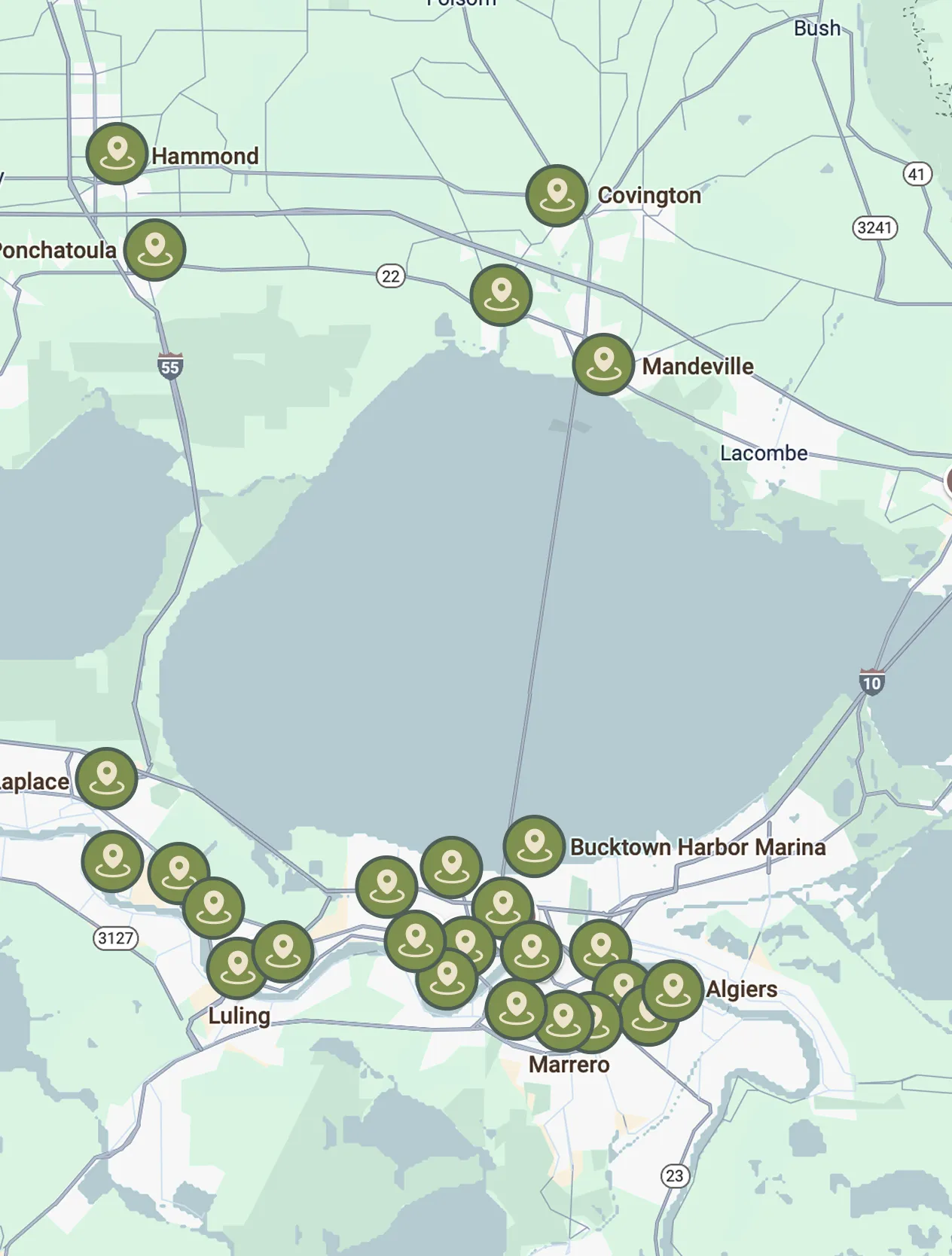
Our service areas are designed to meet the diverse needs of our clients. We focus on providing exceptional service and ensuring customer satisfaction in every location we operate.