Air Scrubbers in Westwego, LA
.webp)
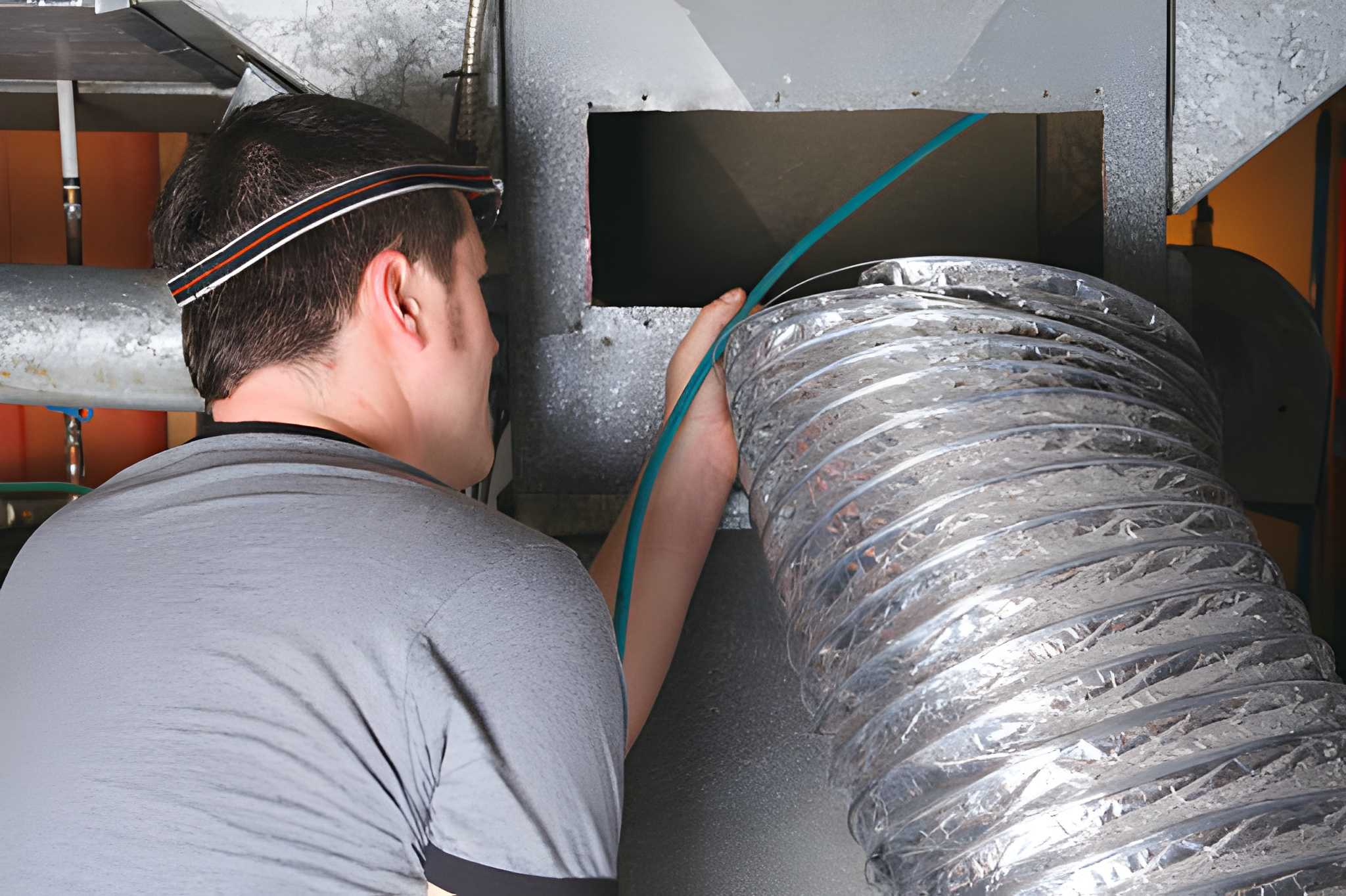
Indoor air quality is a significant factor in Westwego, LA. With high humidity, frequent storms, nearby wetlands, and seasonal pollen, homes and businesses face elevated risks from mold, airborne allergens, volatile organic compounds, and lingering odors. Air scrubbers are an effective, professional grade solution to reduce these contaminants, protect HVAC system performance, and improve occupant comfort and health. Cypress Cooling installs and supports air scrubber systems engineered for both residential and commercial spaces across Westwego, with options that integrate into existing HVAC equipment and maintenance programs tailored to local conditions. We're committed to providing Westwego with cleaner, healthier air.
Air Scrubbers in Westwego, LA
Indoor air quality matters in Westwego, LA. With high humidity, frequent storms, nearby wetlands, and seasonal pollen, homes and businesses face elevated risks from mold, airborne allergens, volatile organic compounds, and lingering odors. Air scrubbers are an effective, professional-grade solution to reduce those contaminants, protect HVAC system performance, and improve occupant comfort and health. Cypress Cooling Company installs and supports air scrubber systems engineered for both residential and commercial spaces across Westwego, with options that integrate into existing HVAC equipment and maintenance programs tailored to local conditions.
Why Westwego homes and businesses need air scrubbers
Westwego’s subtropical climate creates an environment where moisture-loving microbes, mildew, and mold spores proliferate. Combined with indoor sources such as cleaning chemicals, building materials, and cooking emissions, indoor air can become significantly poorer than outdoor air. Common problems in the area include:
- Elevated mold and mildew growth in attics, crawl spaces, and wall cavities due to humidity and storm-related water intrusion.
- Seasonal spikes in pollen and outdoor allergens that track indoors.
- Persistent odors after flooding, storm repairs, or building renovations.
- Sensitivity and health complaints among occupants such as sneezing, congestion, headaches, and aggravated asthma.
Air scrubbers address these issues at the system level, reducing particle counts, neutralizing certain gases and odors, and lowering biological contaminants that thrive in humid climates. For many Westwego residents and business owners, air scrubbers are a practical step toward healthier indoor environments and longer-lasting HVAC equipment.
How air scrubbers work: oxidation, photocatalytic, and advanced filtration explained
Air scrubber technology falls into two broad categories: oxidation-based systems (including photocatalytic oxidation) and advanced filtration systems. Each uses a different approach to capture or neutralize contaminants.
- Photocatalytic oxidation (PCO)
- Uses a light-activated catalyst, typically titanium dioxide, combined with UV light to produce oxidizing agents that break down organic compounds, odors, and some pathogens at a molecular level.
- Particularly effective against volatile organic compounds (VOCs), odors, and certain bacteria and viruses.
- Works continuously when powered, reducing contaminant load within the conditioned air stream.
- Oxidation and reactive oxygen species
- Some systems generate controlled amounts of reactive oxygen species to neutralize biological contaminants and odors. These systems are designed to operate within safe concentration ranges for occupied spaces.
- Properly engineered units target harmful compounds without producing unsafe byproducts.
- Advanced filtration (HEPA and enhanced MERV)
- High-efficiency particulate air (HEPA) filters and enhanced MERV-rated filters physically capture airborne particles, including dust, pollen, mold spores, and pet dander.
- Filtration is ideal for reducing particulate load but does not chemically neutralize gases or odors.
- Hybrid systems
- Many modern air scrubbers combine active purification (PCO or oxidation) with enhanced filtration to provide both particle removal and VOC/odor neutralization.
- Integration of technologies offers broad-spectrum IAQ benefits while maintaining HVAC compatibility.
Understanding these differences helps property owners choose a system tuned to their priorities: particle reduction, odor and VOC removal, biological control, or a combination model.
Health and allergen reduction benefits in Westwego
Air scrubbers deliver measurable benefits for occupant health and comfort, particularly in areas like Westwego where humidity and airborne allergens are common. Key health-related outcomes include:
- Reduced airborne allergens such as pollen, mold spores, and dust mite fragments, which can ease seasonal allergy symptoms and reduce the frequency of asthma triggers.
- Lower concentrations of VOCs and chemical odors from cleaning products, paints, and household materials, contributing to fewer headaches and improved indoor comfort.
- Decreased microbial load in the air stream, which can reduce the spread of some airborne bacteria and viruses within buildings.
- Fewer particles circulating through the HVAC system, which helps maintain cleaner ductwork, more consistent airflow, and more efficient system operation.
For families with infants, elderly occupants, or people with respiratory conditions, improving indoor air through professionally selected and installed air scrubbers can be an important part of a comprehensive health strategy.
Typical residential and commercial applications
Air scrubbers are versatile and can be specified for a range of settings:
- Residential
- Single-family homes and townhouses dealing with seasonal pollen, indoor odors, or post-flood moisture issues.
- Older homes with legacy ductwork or attics prone to moisture and mold.
- New construction and remodeling projects to control construction dust, VOCs, and lingering odors.
- Commercial
- Offices, medical clinics, dental practices, and child care facilities where occupant health and perceived cleanliness are critical.
- Restaurants and bakeries needing odor control and grease-laden particulates management.
- Retail spaces and gyms where high occupant density increases the need for consistent air quality control.
- Hospitality and multiunit residential buildings where central HVAC integration can improve air quality building-wide.
Each application requires careful sizing and selection to match airflow, occupancy, and contaminant profiles.
Compatibility with existing HVAC systems
Air scrubbers can often be integrated with existing HVAC equipment, but compatibility depends on system design and desired performance.
- Inline and duct-mounted units
- Many air scrubbers are designed to mount inside the return plenum or along the duct run, working with the HVAC airflow to treat the whole building.
- Proper placement ensures treated air is distributed throughout living spaces while minimizing pressure drop.
- Standalone units
- Portable or standalone units can be used as supplements in specific rooms or during remediation work. They provide targeted treatment but do not condition whole-building air.
- Impact on airflow and filters
- Professional installation evaluates potential airflow impacts and selects components that avoid excessive static pressure.
- Integration plans include matching the scrubber with existing filter stages and ensuring maintenance access.
- Controls and safety
- Integration with HVAC controls allows scheduling and monitoring. Systems that generate reactive species are installed with safeguards to remain within safe operating concentrations for occupied spaces.
Cypress Cooling Company technicians assess existing ductwork, airflow characteristics, and building use to specify a system that complements your HVAC equipment without compromising performance.
Professional installation process in Westwego
A proper installation protects system performance, occupant safety, and long-term effectiveness. Typical steps in a professional installation include:
- On-site assessment
- Inspect HVAC equipment, duct layout, filter stages, and typical occupancy patterns.
- Identify moisture intrusion risks, past IAQ complaints, and specific contaminant concerns.
- System selection and placement
- Choose a model and configuration suited to airflow, space size, and contaminant profile.
- Determine optimal mounting location for whole-building treatment or targeted performance.
- Mechanical installation
- Install the unit within the return plenum or duct run, or set up standalone units where appropriate.
- Seal and support duct connections, confirm no added significant static pressure, and maintain access for maintenance.
- Electrical and control integration
- Wire the unit to the HVAC system or a dedicated circuit as required.
- Configure controls and timers to balance continuous treatment with energy use.
- Commissioning and testing
- Verify airflow, check for leaks, and confirm the system operates within manufacturer performance parameters.
- Review maintenance needs and filter replacement schedules with the property owner.
In Westwego, installations often include additional attention to moisture-prone areas and the potential need for supplemental dehumidification to maximize IAQ benefits.
Recommended maintenance and filter replacement schedules
Air scrubber maintenance maintains performance, preserves warranty coverage, and ensures safe operation. Typical maintenance tasks include:
- Filter replacement
- HEPA and high-efficiency filters typically require replacement every 6 to 12 months depending on usage and airborne load.
- Pre-filters may need more frequent replacement, often every 1 to 3 months in high-dust or post-remediation scenarios.
- Photocatalytic and oxidation components
- UV lamps should be inspected annually and replaced per manufacturer recommendations, usually every 12 to 24 months.
- Catalyst surfaces and optical components require periodic cleaning to maintain effectiveness.
- System inspection
- Annual inspections confirm electrical connections, airflow integrity, and control operation.
- Ductwork should be checked for moisture, mold, and integrity, especially after storms or flooding.
- Performance testing
- Periodic particle count or VOC testing can quantify effectiveness and inform maintenance timing.
In Westwego, where humidity and seasonal airborne contaminants can accelerate filter loading, an inspection every 6 months is a prudent schedule for many properties. Cypress Cooling Company commonly recommends tailored maintenance plans that align with local conditions and occupancy patterns.
Warranty and performance expectations
Understanding warranties and realistic performance helps set expectations:
- Manufacturer warranties
- Most air scrubber manufacturers provide warranties on critical components such as fans, UV lamps, and electronic controls. Typical warranties range from 1 to 5 years depending on the component.
- Warranties often require proof of professional installation and adherence to recommended maintenance schedules.
- Performance expectations
- Air scrubbers reduce airborne particles, odors, and certain VOCs and biological contaminants, but no single system can eliminate all contaminants instantly.
- Performance depends on system sizing, existing HVAC filtration, maintenance, and the severity of indoor pollutant sources.
- For best results, air scrubbers are part of a layered strategy that includes source control, proper ventilation, and humidity management.
- Post-installation verification
- A professional commissioning process includes verifying that the system achieves expected airflow and basic IAQ improvements. Quantitative testing can be arranged to document performance for sensitive environments.
Clear documentation of warranty terms and maintenance obligations ensures long-term reliability in Westwego’s challenging climate.
Financing, inspection, and maintenance plan options
Property owners often seek flexibility when investing in IAQ improvements. Commonly available options include:
- Financing programs
- Many providers offer financing to spread installation costs over time, often with options structured to match typical equipment life cycles.
- Financing terms and availability vary; documentation and credit criteria are standard components of these programs.
- Free IAQ inspections
- As part of evaluation services, some providers offer complimentary or included indoor air quality inspections that assess moisture risk, visible mold, filter condition, and basic VOC concerns.
- These inspections help determine whether an air scrubber is the right solution and which model is appropriate.
- Maintenance plans
- Ongoing maintenance agreements typically cover scheduled filter changes, lamp replacements, and annual performance checks.
- Maintenance plans save property owners time, ensure warranty compliance, and help the system perform optimally in Westwego’s humid environment.
These options are intended to make long-term IAQ strategies manageable while ensuring equipment remains effective.
Choosing the right air scrubber solution for your property
Selecting an air scrubber requires matching the technology to the problem:
- For particulate-heavy problems such as dust, pollen, and mold spores, prioritize high-efficiency filtration with a robust pre-filter stage.
- For odor, VOC, and chemical concerns after renovations or flooding, consider photocatalytic systems or hybrid models that combine filtration with active oxidation.
- For commercial or healthcare settings where microbial control is a priority, select systems with validated performance data and flexible maintenance protocols.
- Consider system footprint, integration complexity, and ongoing maintenance when comparing options.
A professional assessment that includes an evaluation of HVAC capacity, occupancy patterns, and local environmental factors ensures a solution that delivers measurable improvements.
Broader benefits and long-term IAQ strategy for Westwego
Air scrubbers are a component of an effective indoor air quality program. When combined with other measures, they contribute to a healthier, more comfortable, and more efficient indoor environment:
- HVAC performance and longevity
- Reducing particulate load protects heat exchangers and fan motors, maintaining efficiency and reducing repair needs.
- Energy and comfort
- Cleaner systems can maintain designed airflow and temperature distribution, contributing to consistent comfort and potentially reducing energy waste.
- Resilience against storms and floods
- Post-storm remediation that includes air treatment helps address lingering odors, VOCs, and microbial contamination common after water intrusion.
- Occupant wellbeing
- Reduced allergen and pollutant exposure contributes to fewer sick days, better sleep, and improved indoor comfort for residents and employees.
Cypress Cooling Company integrates air scrubbers into comprehensive IAQ plans that acknowledge Westwego’s environmental challenges and building types, helping property owners protect both occupants and assets.
Q: How do I know if an air scrubber is right for my Westwego home or business?A: A professional IAQ inspection assesses your HVAC system, moisture risks, occupant sensitivities, and contaminant sources. If you have ongoing allergy or mold concerns, persistent odors, recent water intrusion, or frequent HVAC maintenance issues, an air scrubber is often a suitable addition.
Q: Will an air scrubber eliminate mold in my home?A: Air scrubbers reduce airborne mold spores and can lower the overall biological load, but they do not eliminate mold growth on surfaces or within structures. Addressing moisture intrusion and remediating existing mold are necessary steps alongside air treatment to fully resolve mold problems.
Q: How often do filters and UV lamps need replacement?A: Filter replacement depends on usage and airborne load; pre-filters often require replacement every 1 to 3 months, while HEPA or high-efficiency filters may last 6 to 12 months. UV lamps are commonly replaced every 12 to 24 months per manufacturer guidance. Local conditions in Westwego, such as humidity and pollen, can shorten these intervals.
Q: Can an air scrubber integrate with my existing HVAC system?A: Many air scrubbers are designed to integrate with existing ductwork and HVAC systems. A professional assessment ensures proper sizing, placement, and controls integration to avoid adverse effects on airflow or system balance.
Q: Do air scrubbers produce ozone or other harmful byproducts?A: Properly designed and installed air scrubbers operate within safe parameters and are not intended to produce harmful levels of ozone. Systems that use oxidation are engineered to remain within safe limits for occupied spaces; professional installation and adherence to manufacturer specifications are essential.
Q: What performance improvements should I expect after installation?A: You can expect measurable reductions in airborne particles, odors, and certain VOCs and biological contaminants. Improvements depend on system type, proper sizing, maintenance, and the severity of existing indoor pollution sources. Ongoing maintenance helps sustain performance over time.
Q: Are there options to help manage the cost of installation and maintenance?A: Financing and structured maintenance programs are commonly available to spread installation costs and ensure regular upkeep. Complimentary IAQ inspections may be offered to help identify the right solution and maintenance schedule tailored to your property.
Q: How often should I schedule IAQ inspections in Westwego?A: For many Westwego properties, a semi-annual inspection aligns with seasonal changes and humidity-driven risks, while annual inspections may suffice for low-risk buildings. Post-storm or after flood events, an immediate inspection is recommended to assess moisture and contamination risks.
OUR CLIENTS HAVE TO SAY ABOUT US



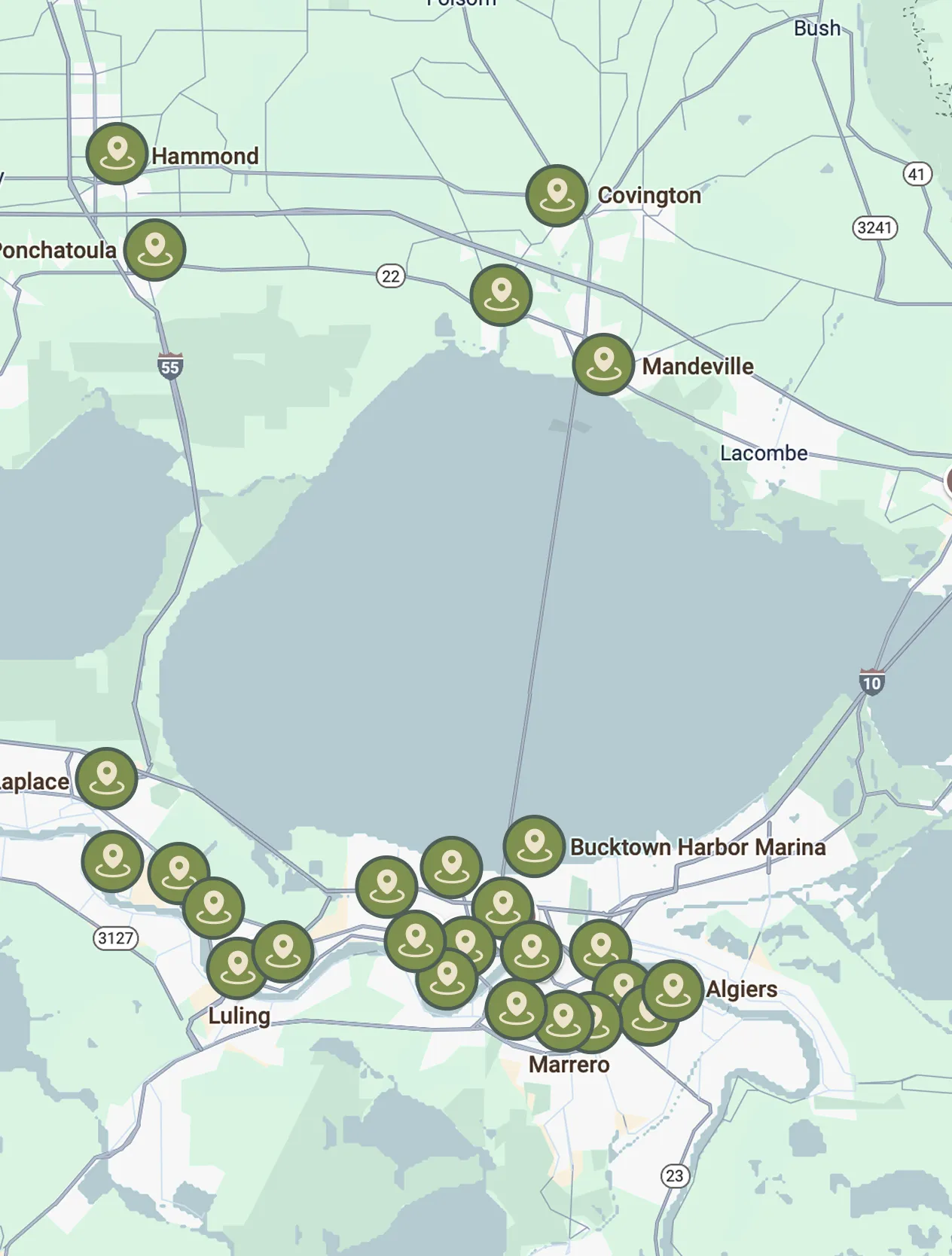
Service areas
Our service areas are designed to meet the diverse needs of our clients. We focus on providing exceptional service and ensuring customer satisfaction in every location we operate.