Air Scrubbers in St. Rose, LA
.webp)
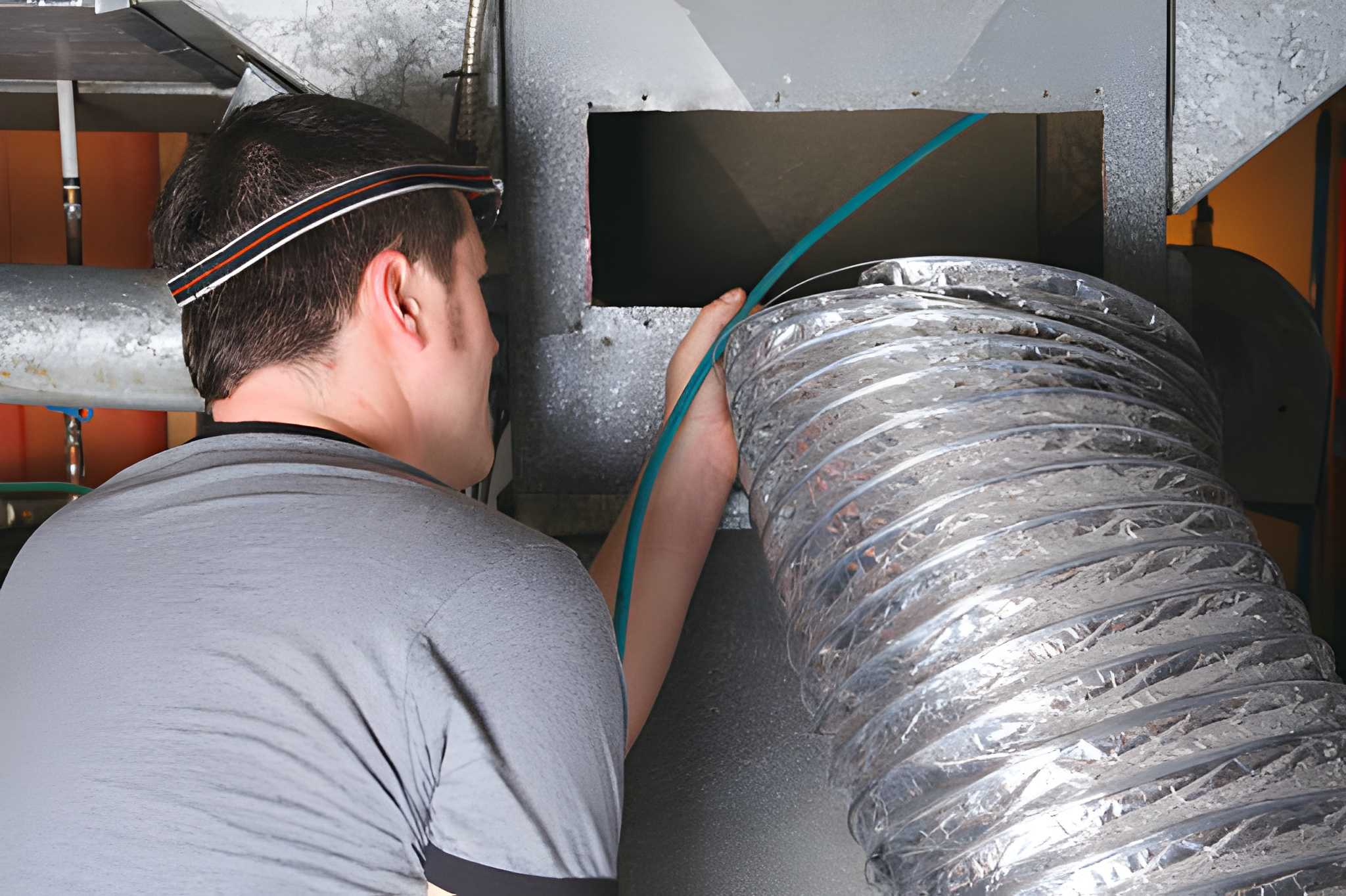
Air quality is a year round concern in St. Rose, LA. That's why Cypress Cooling is dedicated to providing expert guidance and professional installation of air scrubber systems. These systems are specifically designed to reduce particulates, odors, VOCs, smoke, and biological contaminants that commonly affect homes along the Mississippi River corridor. We'll explain what air scrubbers are, compare whole home and localized options, and describe how Cypress Cooling integrates them with your existing HVAC equipment for optimal performance. We'll also detail the professional installation process, outline realistic performance expectations, and cover maintenance, warranty, and service considerations specific to St. Rose homes. Trust Cypress Cooling to help you breathe easier and improve your indoor air quality.
Air Scrubbers in St. Rose, LA
Air quality matters year round in St. Rose, LA. Cypress Cooling Company provides expert guidance and professional installation of air scrubber systems designed to reduce particulates, odors, VOCs, smoke, and biological contaminants that commonly affect homes along the Mississippi River corridor. This page explains what air scrubbers are, compares whole-home and localized options, describes how they integrate with existing HVAC equipment, details the professional installation process, outlines realistic performance expectations, and covers maintenance, warranty, and service considerations specific to St. Rose homes.
What air scrubbers are and how they improve indoor air quality
An air scrubber is a device that removes contaminants from indoor air using a combination of filtration and air treatment technologies. Typical components include:
- Mechanical filtration (pre-filters, MERV-rated filters, or HEPA elements) to capture dust, pollen, and fine particles.
- Adsorption media such as activated carbon to reduce odors and many volatile organic compounds (VOCs).
- Photocatalytic oxidation (PCO) or ultraviolet (UV) light systems to treat biological contaminants and reduce microbial growth on surfaces within the airstream.
- In some designs, advanced media or ionization technologies to address smoke and very small particles.
Air scrubbers improve indoor air quality by reducing airborne particulates that aggravate allergies and asthma, lowering concentrations of VOCs that cause odors and off-gassing, and decreasing viable biological contaminants like mold spores and bacteria. In humid climates like St. Rose, where mold and mildew risk increases after heavy storms or persistent humidity, an air scrubber supplements moisture control and source remediation by lowering airborne spore loads and reducing odor.
Common indoor air quality issues in St. Rose, LA
St. Rose presents several regional factors that influence indoor air quality:
- High humidity and frequent summer storms promote mold and mildew growth in poorly ventilated spaces.
- Proximity to industrial and river traffic can mean occasional odors, VOCs, and soot from combustion or chemical emissions.
- Seasonal pollen and outdoor dust increase particulate loads brought indoors.
- Hurricane season and storm-related water intrusion can lead to mold outbreaks and lingering musty odors if not addressed promptly.
- Cooking, smoking, and renovation activities in older homes produce smoke and VOCs that linger without adequate filtration.
An air scrubber, when properly sized and installed, helps reduce these common contaminants, but it should be part of a broader indoor air quality strategy that includes moisture control, source elimination, and proper ventilation.
Whole-home units vs localized air scrubbers: which is right for your home?
Choosing between a whole-home air scrubber and a localized unit depends on your needs, budget, and the layout of your home.
Whole-home air scrubbers
- Mounted in the HVAC return plenum or ductwork to treat all the air circulated by your central system.
- Pros: Continuous treatment for the entire home, centralized maintenance, integration with existing filters, improved comfort without moving equipment between rooms.
- Cons: Higher initial cost and requires professional matching to your HVAC’s airflow and static pressure limits.
Localized or portable air scrubbers
- Standalone units that serve individual rooms or specific problem areas, such as a bedroom, kitchen, or a room with mold issues.
- Pros: Lower upfront cost, quick deployment, targeted treatment where it is needed most, useful in homes without central HVAC.
- Cons: Limited coverage area, noise level considerations, separate maintenance for each unit.
For many St. Rose homes with central HVAC, a whole-home system delivers the best balance of performance and convenience. Portable units are valuable for targeted applications: renovation cleanup, smoke events, or when you need intensive air cleaning in a specific space.
How air scrubbers integrate with existing HVAC systems
Integration with your HVAC system ensures efficient whole-home air treatment without disrupting airflow or system performance. Key considerations include:
Assessment and sizing
- Professional assessment measures the HVAC system’s airflow, static pressure, duct layout, and return locations.
- Units are sized to match the system’s cubic feet per minute (CFM) to avoid reducing airflow or forcing the blower to operate outside its design limits.
Placement and installation
- Whole-home scrubbers are typically installed in the return plenum or main return duct near the furnace or air handler. This placement allows the scrubber to treat air before the HVAC system conditions it.
- Proper sealing and mechanical fastening prevent bypass and ensure treated air moves through the system efficiently.
Electrical and controls
- Inline fans, UV lamps, and electronic controls require hardwiring to the HVAC system or the home electrical panel. Integrating with the HVAC control board enables the scrubber to run on fan cycles or continuously, according to system design.
- Control options can include run-on timers, purge cycles after system shutdown, or smart integration with thermostats for demand-based operation.
Ensuring HVAC compatibility
- Adding a whole-home air scrubber changes pressure and resistance in the air path. Cypress Cooling Company evaluates the combined pressure drop of filters and media to maintain proper airflow.
- Upgrading the HVAC filter or blower may sometimes be recommended to optimize the combined system.
The professional installation process
Professional installation protects system performance and warranty coverage while delivering predictable results. A typical installation process includes:
- Initial consultation and on-site inspection
- A technician inspects ductwork, the existing filtration setup, HVAC capacity, and the specific air quality concerns you have in your St. Rose home.
- System selection and sizing
- Based on home square footage, HVAC CFM, and contaminant types, the appropriate whole-home unit or localized model is selected.
- Pre-installation preparation
- Any required duct modifications, electrical runs, or access panel preparations are planned and scheduled. Recommendation of complementary HVAC improvements, such as improved return sealing or upgraded filtration, is provided.
- Installation
- The unit is mounted in the return plenum or secured as a portable unit. Electrical connections are made to code, duct transitions sealed, and control wiring integrated with the HVAC or standalone controls.
- Commissioning and testing
- The system is started and balanced. Technicians verify airflow, pressure drop, fan performance, UV lamp output (if applicable), and control functions. Indoor air parameters may be measured before and after installation to document improvement.
- Customer orientation and documentation
- You receive instructions on maintenance frequency, filter/media replacement procedures, warranty documents, and the maintenance schedule for follow-up service.
Typical performance expectations
Air scrubbers are effective tools, but realistic expectations are important:
- Particulate removal: When paired with HEPA filtration, air scrubbers can capture up to 99.97 percent of particles 0.3 microns and larger within the treated airstream. Whole-home systems will reduce airborne particulates throughout the house over time, with faster results in smaller homes or those with higher air-change rates.
- Odor and VOC reduction: Activated carbon and specialized adsorption media can substantially reduce many household odors and common VOCs from paints, cleaners, and off-gassing materials. Complete elimination depends on source strength and ventilation; persistent or high concentration sources may require additional source control.
- Smoke and wildfire particles: HEPA and high-MERV filtration effectively capture smoke particles. During intense smoke events, localized high-CADR (Clean Air Delivery Rate) units can provide rapid relief in occupied rooms.
- Biological contaminants: UV and PCO technologies reduce viable microbial counts on surfaces and in the airstream, and HEPA filtration captures spores and bacteria. These treatments help lower exposure but are not a substitute for proper mold remediation when active growth or water damage is present.
Performance variables
- Home size, existing ventilation, source strength of contaminants, and how often windows or doors are open all affect results.
- Continuous operation typically yields the best reduction in contaminants because the system treats air each time the HVAC fan runs or the unit is running.
Maintenance schedules and filter/media replacement
Routine maintenance is essential to keep an air scrubber performing as intended. Typical maintenance intervals are as follows, though manufacturer recommendations vary:
Pre-filters
- Inspect monthly and replace or clean every 1 to 3 months depending on dust load. Pre-filters extend the life of downstream media.
HEPA or high-efficiency filters
- Replace every 12 to 36 months depending on usage, environmental conditions, and system loading. Homes with heavy particulate sources or smokers will need more frequent replacement.
Activated carbon or adsorption media
- Replace every 6 to 12 months for homes with frequent odors or high VOCs. For lighter use, replacement may be extended to 12-24 months based on measured performance.
UV lamps
- UV lamp output declines over time; replace annually to maintain antimicrobial effectiveness. Lamp housings should be inspected for dust or film that reduces light transmission.
Fans and electronics
- Inspect fans, motors, and electronic components yearly. Lubricate as required and check electrical connections.
Duct and cabinet cleaning
- Inspect and clean the scrubber housing and adjacent ductwork during filter changes or at least annually to prevent buildup and maintain airflow.
Operational checks
- Monitor differential pressure across filters to know when replacements are needed. Technicians can provide baseline readings at installation and compare during maintenance visits.
Service plans
- Enrolling in an annual service plan from a qualified HVAC provider ensures scheduled filter replacement, lamp changes, and performance checks. This keeps warranties valid and preserves system efficiency.
Warranty and service options
Warranty and service structures vary by manufacturer and installer. Typical elements include:
- Manufacturer warranty for mechanical and electronic components, often ranging from 1 to 5 years.
- Limited lifetime warranty coverage in some higher-end units for certain components when installed by a certified contractor.
- Service agreements that include scheduled visits for filter replacement, system checks, and priority scheduling for repairs.
- Extended warranty options or component-specific protection for UV lamps and fans, which are wear items.
Cypress Cooling Company recommends reviewing warranty terms carefully to understand what voids coverage (for example, failure to perform scheduled maintenance) and what is included. A professional installer documents installation details and provides the records necessary to maintain coverage.
Limitations and realistic outcomes
While air scrubbers are powerful tools, they are not a cure-all. Important limitations include:
- Source control is primary: Removing or isolating the contaminant source (e.g., fixing water leaks, stopping indoor smoking, using low-VOC materials) produces the most significant long-term air quality improvements.
- Ventilation balance: Scrubbers treat recirculated air; they are most effective when combined with adequate ventilation that controls humidity and introduces fresh outdoor air when conditions permit.
- Not a replacement for mold remediation: If there is active mold growth due to water intrusion, remediation of the affected materials is required. Air scrubbers help reduce airborne spores during and after remediation but do not remove mold entrenched in building materials.
- Technology trade-offs: Some advanced technologies, such as certain ionization methods, may generate low levels of ozone. Professional guidance ensures selection of technologies with proven safety and efficacy.
Why St. Rose homes benefit from professional air scrubber solutions
St. Rose is subject to unique environmental and community conditions that make professional-grade air cleaning especially valuable:
- High humidity and hurricane season increase the risk of mold and odor issues, which an appropriately selected air scrubber can help control alongside remediation and moisture management.
- Occasional industrial odors and VOCs from nearby river and manufacturing activity can be reduced by adsorption media and whole-home treatment.
- Older construction and recent renovations can produce ongoing off-gassing; a whole-home system paired with increased ventilation reduces occupant exposure.
- For allergy and asthma sufferers, consistent reduction of particulates and biological contaminants across all living spaces improves indoor comfort and can reduce cleaning frequency.
Cypress Cooling Company approach
- Cypress Cooling Company evaluates homes in St. Rose with local climate, building age, and occupant needs in mind. Recommendations balance efficacy, energy impacts, and maintenance practicality to deliver durable indoor air quality improvements that fit local living patterns.
OUR CLIENTS HAVE TO SAY ABOUT US



Service areas
Our service areas are designed to meet the diverse needs of our clients. We focus on providing exceptional service and ensuring customer satisfaction in every location we operate.