
Air Scrubbers in Slidell, LA
.webp)
In Slidell, LA, maintaining good indoor air quality is crucial for your comfort, health, and the longevity of your home's systems. The area's high humidity, frequent storms, coastal salt, and long pollen seasons can lead to persistent airborne contaminants like mold, mildew, VOCs, and unpleasant odors. At Cypress Cooling, we understand these challenges and offer professional air scrubber solutions designed to tackle them head on. We'll explain how these systems work, how Cypress Cooling integrates them seamlessly with your existing HVAC equipment, which sizes are best suited for Slidell homes, and what you can expect in terms of installation, maintenance, performance, and warranties. This information is designed to help homeowners and property managers make informed decisions about reliable, whole house air cleaning.
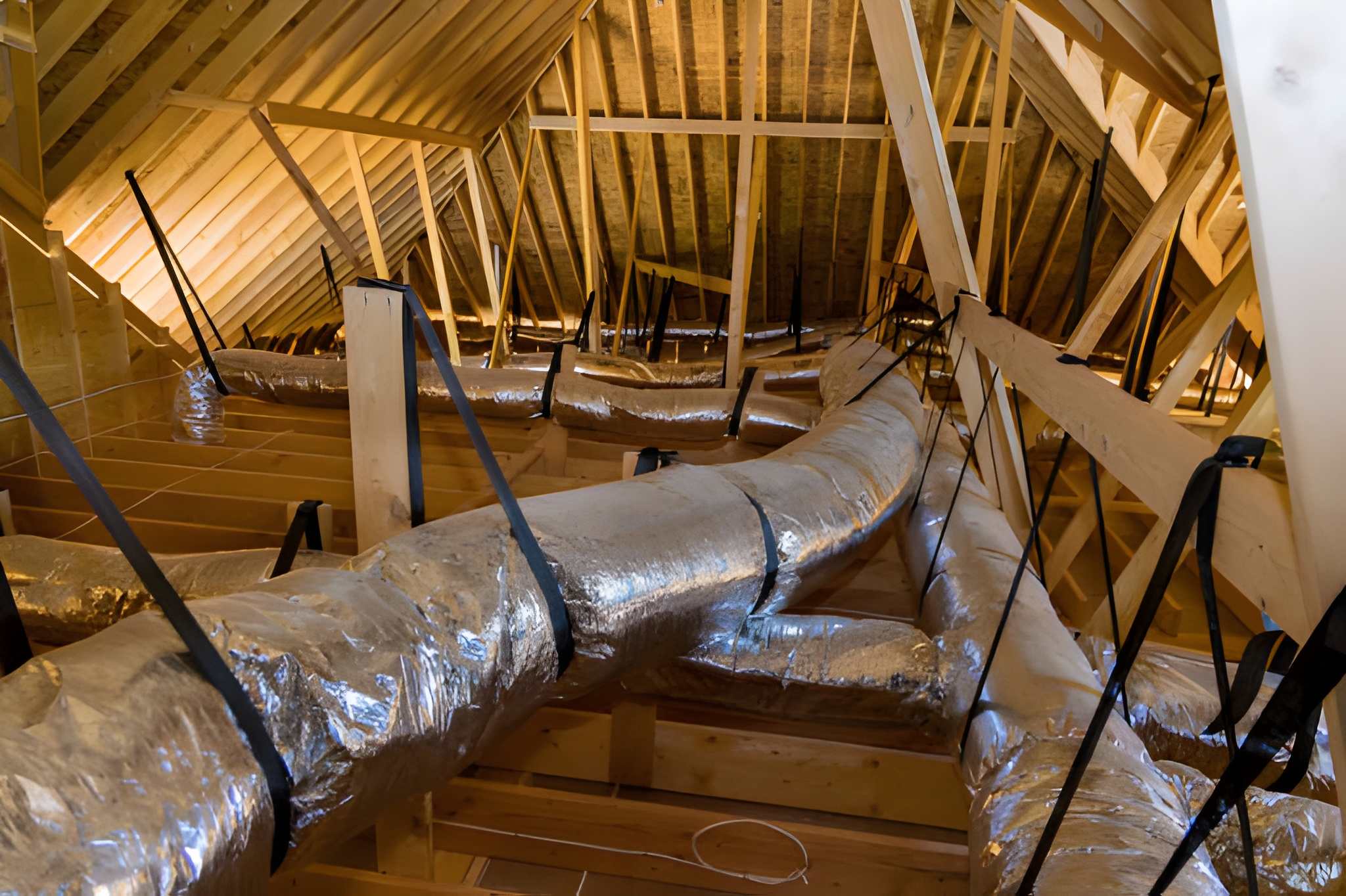
Air Scrubbers in Slidell, LA
Indoor air quality directly affects comfort, health, and the longevity of your home systems in Slidell, LA. With high humidity, frequent storms, coastal salt, and a long pollen season, Slidell homes face persistent airborne contaminants: mold spores, mildew odors, VOCs from household products, cooking and pet odors, and seasonal pathogens. Cypress Cooling Company explains how professional air scrubber solutions work, how they integrate with existing HVAC equipment, which systems and sizes best suit local homes, and what to expect from installation, maintenance, performance, and warranties. This page is designed for homeowners and property managers ready to make a measured decision about reliable whole-house air cleaning.
Why air scrubbers matter in Slidell homes
- High humidity and occasional flooding increase mold and mildew risk. Mold spores and microbial volatile organic compounds worsen indoor air quality and odors after storms.
- Coastal salt and airborne particulates from yards and nearby wetlands increase load on filtration and HVAC components.
- Extended allergy seasons in southeast Louisiana bring elevated pollen and outdoor allergens into homes.
- VOCs from paints, household cleaners, and building materials accumulate in well-sealed homes, impacting long-term health and comfort.
An air scrubber helps reduce these contaminants at the source or while recirculating air through your HVAC system. For Slidell homeowners, the right system reduces odors, lowers particulate counts, and can reduce airborne microbial load, making indoor spaces more comfortable and healthier for occupants with allergies, asthma, or chemical sensitivities.
Common indoor air problems in Slidell and how air scrubbers help
- Mold and mildew odors after high-humidity periods or water intrusion: Air scrubbers that incorporate UV light or photocatalytic oxidation and enhanced filtration reduce spores and airborne microbial byproducts that create odors.
- Persistent cooking and pet odors in open-plan homes: Systems with activated carbon or catalytic VOC removal reduce odor-causing gases and volatile organic compounds.
- Dust, pollen, and fine particulates from outdoor air: HEPA-grade in-duct or portable scrubbers capture particles down to 0.3 micron, reducing allergy triggers.
- Chemical and off-gassing from renovations and new furnishings: PCO and activated carbon technologies reduce many VOCs common in paints, adhesives, and new materials.
- HVAC performance decline due to particulate accumulation: Cleaner air extends coil and duct life, maintaining system efficiency and reducing maintenance frequency.
Types of air scrubber technologies and how they perform
- In-duct HEPA filtration with carbon stage: Combines high-efficiency particle removal with an activated carbon stage for odors and VOCs. Best for homes with central HVAC and sufficient fan capacity.
- Photocatalytic oxidation (PCO): Uses UV light and a catalyst surface to oxidize VOCs and some pathogens. Effective for VOC reduction and odor control; performance depends on airflow and catalyst exposure time.
- UV-C germicidal lamps: Target microbes and reduce microbial growth on coils and in ductwork. Most effective as a supplemental treatment combined with filtration.
- Electronic air cleaners and ionization systems: Neutralize or charge particles for capture. Modern, professionally specified systems can reduce particles and odors but should be chosen carefully to avoid byproducts such as ozone; reputable installers balance performance and safety.
- Portable air scrubbers: Useful for targeted rooms, renovation sites, or temporary remediation after water intrusion. They provide high Clean Air Delivery Rate (CADR) for particles and are often combined with carbon filters for VOCs.
How air scrubbers integrate with existing HVAC systems in Slidell homes
- In-duct integration: Most whole-house air scrubbers are mounted in the return plenum or adjacent to the air handler. This placement treats air before it passes over the coil or into supply ducts, improving overall distribution and protecting equipment.
- Matching to fan capability: Proper integration checks the existing air handler CFM and static pressure tolerance. Cypress Cooling Company technicians evaluate whether the air handler needs adjustments or if a supplemental fan is required.
- Zoning and multi-level homes: For split systems or zoned ductwork, one central scrubber may suffice if sizing is correct. In some cases, localized units for basements, attics, or second-floor living areas produce better results.
- Portable supplementation: Portable scrubbers can be used alongside in-duct systems for rooms with heavy odor sources, garages converted to living spaces, or during renovations.
Recommended models and sizing guidelines for Slidell residencesSizing is critical. Correct sizing depends on home volume, target air changes per hour (ACH), and contaminant type. Common sizing approach:
- Calculate cubic footage: square footage times ceiling height. Example: a 2,000 square foot home with 9-foot ceilings is roughly 18,000 cubic feet.
- Determine desired ACH: For general improvement, aim for 2 to 4 ACH. For homes with severe odor or post-remediation needs, 4 to 6 ACH may be appropriate.
- Convert ACH to required CFM: CFM = (cubic feet x ACH) / 60. Example for 2,000 sq ft, 9 ft ceilings, and 4 ACH: CFM = (18,000 x 4) / 60 = 1,200 CFM.
- Match to system capacity: Many residential air handlers operate in the 800 to 1,500 CFM range. Cypress Cooling Company recommends sizing air scrubbers and placement so the total system resistance stays within the air handler tolerances. For homes with lower-capacity air handlers, choose high-efficiency, low-pressure-drop media or consider a dedicated in-line blower for the scrubber.
- Portable solutions: Look for CADR ratings that meet room size guidelines. A living area of 300 square feet typically needs a CADR capable of several hundred CFM to achieve meaningful ACH.
Recommended configurations for typical Slidell homes
- Older single-family with central HVAC: In-duct HEPA plus carbon stage with UV-C on the coil to control mold and odors. Sized for 3 ACH during occupied hours.
- Newer, well-sealed homes: PCO or combined HEPA-carbon systems to manage VOCs and long-term off-gassing. Emphasize lower ozone-producing technologies.
- Homes with frequent water intrusion or post-flood remediation: Portable high-efficiency scrubbers for targeted drying phases, plus a permanent in-duct system for ongoing prevention.
- Vacation or rental properties: Balance performance and operating cost. Consider systems with programmable run times and filters that are accessible for quick replacement.
Professional installation process explained
- Initial assessment and walkthrough: A Cypress Cooling Company technician inspects the HVAC layout, measures system airflow, checks duct condition, identifies odor sources and moisture risks, and measures indoor environmental factors if requested. This step establishes scope for whole-house or targeted solutions.
- System specification and planning: The technician recommends a system type, location for installation, and filter/media stages. Factors include air handler CFM, static pressure, return-plenum space, and any zoning concerns.
- Installation steps:
- Power and control integration: The scrubber is wired to the air handler or dedicated circuit, with controls set to run with the HVAC fan or independently per homeowner preference.
- Physical mounting: Modules are secured in the return plenum, adjacent duct, or installed as an in-line housing. Proper sealing and vibration isolation are applied.
- Filter and media staging: HEPA filters, carbon beds, PCO cells, or UV lamps are installed per system design. Access panels are left for service.
- Commissioning and airflow verification: Post-installation testing checks airflow, static pressure, and ensures the system meets target ACH without overloading the air handler. Any needed fan adjustments are completed.
- System demonstration: Cypress Cooling Company technicians explain operation, filter access, and maintenance requirements. They supply a system profile and recommended operational settings for Slidell climate patterns.
- Typical timeline: Most whole-house in-duct installations are completed in a single day for standard systems. Complex retrofits, zoning work, or homes with restricted access may require additional time.
Routine maintenance and replacement schedules
- Pre-filters: Replace or clean every 1 to 3 months, depending on household dust, pets, and local air quality during pollen season. Pre-filters protect main media and keep static pressure low.
- HEPA and high-efficiency media: Expected life is 12 to 24 months in typical residential use. Homes in Slidell with higher pollen and particulate load may require annual replacement.
- Activated carbon and catalytic media: Lifespan varies with VOC load and usage; budget for replacement every 6 to 18 months. Strong or persistent odors indicate saturation.
- UV lamps and PCO catalysts: UV lamps commonly require replacement every 12 months to maintain germicidal output. Catalyst surfaces should be inspected annually and cleaned if accessible.
- Electronic cells and ionizers: Clean per manufacturer schedule, typically every 3 to 6 months, to maintain performance. Cypress Cooling Company includes a recommended maintenance checklist tailored to local conditions.
- Performance monitoring: Periodic indoor air quality testing or particle counting provides objective confirmation that the system meets expectations; testing after heavy pollen seasons or post-storm events is recommended.
Performance specifications you can expect
- Particulate reduction: Professional HEPA in-duct systems typically capture 99.97 percent of particles 0.3 micron and larger when airflow is optimized. Real-world whole-house reduction depends on ACH and leak rates in ductwork.
- VOC and odor reduction: Activated carbon and PCO stages reduce a broad range of VOCs and odor compounds. Typical reductions vary widely; combined systems show noticeable odor and VOC drops within days to weeks of operation.
- Microbial load reduction: UV-C and PCO components reduce microbial growth on coils and in the air stream. These technologies significantly reduce airborne bacteria and many viruses under proper exposure conditions. Results vary based on residence time and contaminant concentration.
- Energy and operational considerations: Modern air scrubbers are designed for low pressure drop to avoid undue strain on the air handler. Properly specified systems have modest energy use in relation to the air handler and can improve HVAC efficiency over time by keeping coils and ducts cleaner.
Warranty and financing overview
- Typical warranty terms: Many residential air scrubber components carry manufacturer warranties ranging from 1 to 5 years on mechanical parts and 1 year on consumables like lamps. Cypress Cooling Company matches manufacturer warranty coverage and provides a service-level warranty for installation workmanship.
- Extended warranties: Homeowners can opt for extended service plans covering annual maintenance, parts replacement, and priority service for a multi-year horizon, which is especially useful in coastal climates that accelerate wear.
- Financing options: For many homeowners, device and installation costs can be spread over monthly payment plans. Financing programs often include terms that align payments with seasonal income patterns for local residents. Cypress Cooling Company outlines typical financing structures during the assessment phase and assists in selecting options that fit the homeowner’s budget. Note that terms and availability vary.
Before-and-after examples specific to Slidell properties
- Case example 1: Historic bungalow in Olde Towne Slidell experienced persistent musty odors after a near-by storm and attic moisture. Cypress Cooling Company installed an in-duct HEPA-carbon scrubber, added UV-C at the coil, and sealed return leaks. Within four weeks occupants reported a marked drop in odors and fewer allergy symptoms. Duct cleaning combined with the scrubber decrease maintenance calls for the HVAC system.
- Case example 2: A three-bedroom modern home near Lakeshore had strong off-gassing after an interior renovation. A combined strategy of enhanced filtration and a PCO module sized to the home’s volume reduced detectable VOCs and restored comfortable indoor air within days. Periodic indoor VOC readings confirmed sustained improvement.
- Case example 3: Vacation rental property with high turnover showed repeated complaints of lingering cooking and pet smells. Cypress Cooling Company installed an in-duct system that automatically runs higher fan speeds during turnover times and a portable scrubber for quick remediation between guests. Complaints dropped, and management reported improved guest satisfaction.
What to expect during a consultation and assessment
- Pre-visit checklist: Collect information on home square footage, number of levels, current HVAC equipment, known odor or mold history, recent renovations, and typical occupancy patterns. This helps refine initial estimates and system recommendations.
- On-site evaluation: A Cypress Cooling Company technician evaluates HVAC capacity, duct layout, existing filtration, signs of moisture, and common pollutant sources. Measurements may include airflow readings and humidity checks. If requested, basic particle or VOC testing can be performed to quantify indoor conditions.
- Customized proposal: You receive a written outline of recommended system type, sizing calculations, maintenance schedule, warranty details, and financing options where applicable. The proposal explains expected performance and monitoring recommendations for verification.
- Timeline and logistics: The proposal specifies typical installation duration, any required access modifications, and the sequence of work (such as pre-cleaning ducts before installation if required). For properties with recent water intrusion, remediation steps are prioritized.
OUR CLIENTS HAVE TO SAY ABOUT US



Service areas
Our service areas are designed to meet the diverse needs of our clients. We focus on providing exceptional service and ensuring customer satisfaction in every location we operate.

