
Air Scrubbers in Shrewsbury, LA
.webp)
The quality of your indoor air is a decision that directly impacts your comfort, health, and the long term protection of your property. In Shrewsbury, LA, where we experience hot, humid summers, seasonal pollen, and occasional storm driven moisture, homes and businesses are particularly vulnerable to mold, odors, and elevated particulate levels. That's why an air scrubber, professionally installed and maintained by Cypress Cooling, can be one of the most effective upgrades you can make to your ventilation or HVAC system. Cypress Cooling offers expert guidance on what air scrubbers do, how they work, what you can expect in terms of performance and maintenance, and how to choose the right solution for your Shrewsbury home or commercial space. We're here to help you breathe easier and enjoy a healthier indoor environment.
Air Scrubbers in Shrewsbury, LA
Indoor air quality is a decision that affects comfort, health, and the long term protection of your property. In Shrewsbury, LA, where hot humid summers, seasonal pollen, and occasional storm-driven moisture make homes and businesses vulnerable to mold, odors, and elevated particulate levels, an air scrubber can be one of the most effective upgrades to a ventilation or HVAC system. Cypress Cooling Company provides expert guidance on what air scrubbers do, how they work, what to expect from performance and maintenance, and how to choose the right solution for your Shrewsbury home or commercial space.
Why an air scrubber matters in Shrewsbury, LA
- High humidity and warm temperatures encourage mold growth and dust mite populations. An air scrubber reduces airborne mold spores and microscopic allergens before they settle on surfaces.
- Seasonal pollen and outdoor particulates enter through doors, windows, and HVAC systems. Scrubbers help lower particle counts indoors, improving comfort for allergy sufferers.
- VOCs from household cleaners, paints, and building materials can build up inside tight, energy-efficient homes. Certain scrubber technologies specifically target VOC removal and odor control.
- Storms and flooding events common to the Gulf Coast can introduce moisture and microbial contamination. Rapid air cleaning after remediation helps speed recovery and reduce ongoing indoor exposure.
What is an air scrubberAn air scrubber is an indoor air quality device designed to remove contaminants from the air. Air scrubbers come in several forms, but they share the same goal: reduce airborne particles, gases, odors, and in some cases microorganisms, delivering cleaner air to living and working spaces. They may be installed in-duct as part of an HVAC system, mounted at the air handler, or used as portable standalone units in specific rooms.
Common air scrubber technologies and how they work
- Mechanical filtration (HEPA and MERV filters)
- Captures particles by forcing air through a dense filter media. HEPA filters remove very small particles, down to 0.3 microns, with high efficiency. MERV-rated filters help balance filtration efficiency with HVAC airflow needs.
- Best for removing dust, pollen, pet dander, and many mold spores.
- Activated carbon filtration
- Uses porous carbon to adsorb gases and odors, including many VOCs from cleaning products, paints, and off-gassing materials.
- Often paired with particle filters to deliver both particulate and odor/VOC control.
- Ultraviolet germicidal irradiation (UVGI)
- Uses UV-C light to inactivate bacteria, viruses, and mold on surfaces and in the airstream. Effective when designed with the proper UV intensity and exposure time.
- Typically used in combination with filtration because UV does not remove particles.
- Photocatalytic oxidation (PCO)
- Combines UV light and a photocatalyst, like titanium dioxide, to convert VOCs and some biological contaminants into simpler, less harmful compounds.
- Effective at reducing odors and certain gases, but performance varies by design and airflow.
- Bipolar ionization and needlepoint ionization
- Generate charged particles that attach to airborne contaminants, causing them to clump and be more easily captured by filters or to settle out of the air.
- These technologies can reduce particulates and some odors, but installation specifics and maintenance affect results.
- Electronic air cleaners and electrostatic precipitators
- Electrically charge particles and collect them on plates. They can be very effective for fine particles, but maintenance to clean collection plates is required, and some older designs can produce ozone as a byproduct.
Types of air scrubber installations
- Whole-house in-duct units
- Installed directly in the HVAC return or supply duct or at the air handler. Treat the entire conditioned space when the system runs.
- Best for homes and businesses seeking continuous, system-wide air quality improvement.
- Portable standalone units
- Moved room to room or used in specific areas that need extra treatment, such as basements, living rooms, or workspaces.
- Useful for supplemental cleaning where whole-house integration is not available.
- Commercial-grade and jobsite scrubbers
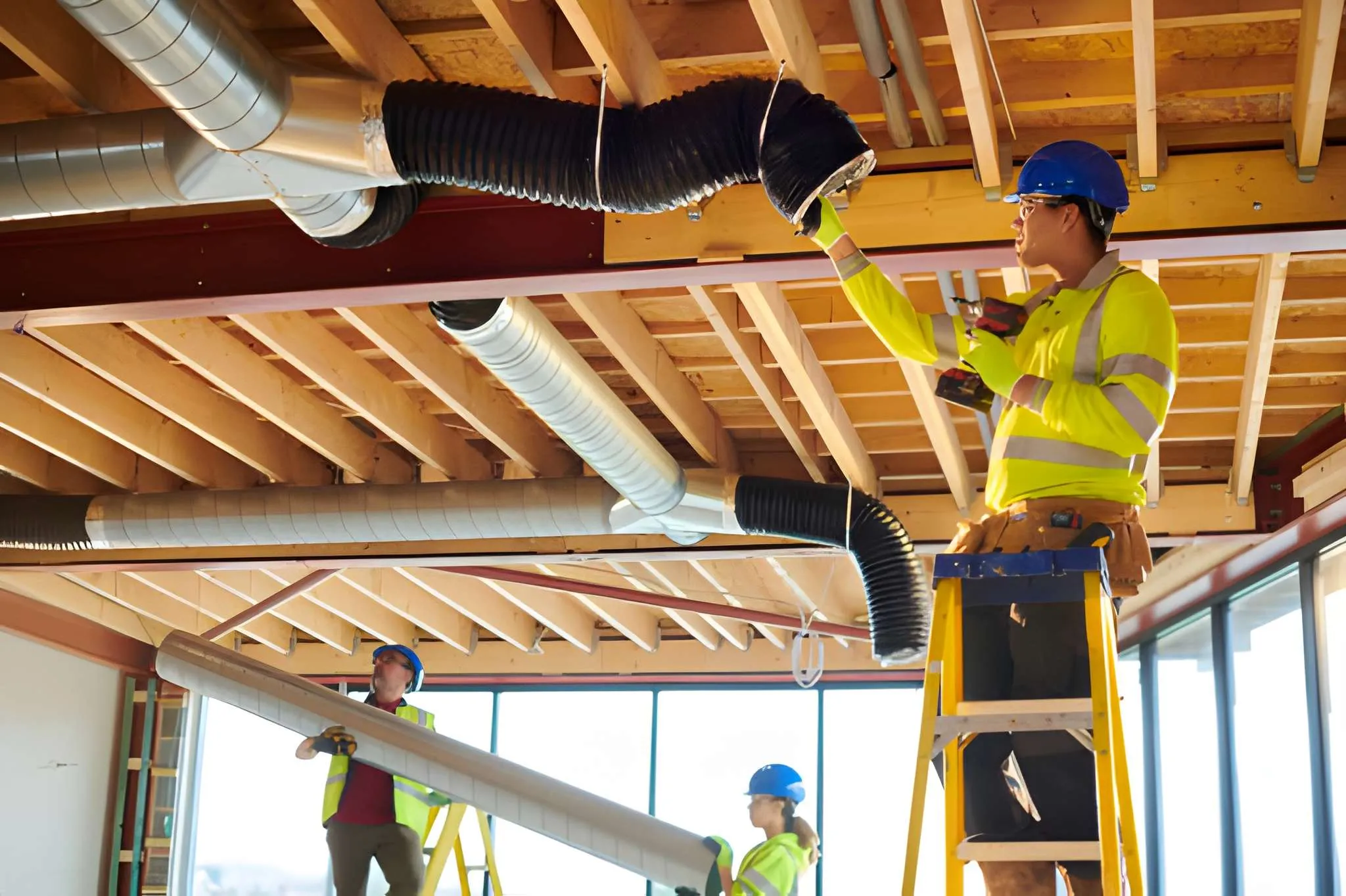
- High-capacity systems used during construction, renovation, or remediation to remove dust, VOCs, and pathogens from jobsite air.
- Designed for heavy loads and continuous operation for short or medium durations.
How air scrubbers improve indoor air quality
- Reduce particulates
- Efficient filtration and ionization systems lower airborne particle counts, producing measurable reductions in dust, pollen, and pet dander.
- Lower VOC and odor levels
- Activated carbon and PCO technologies remove or neutralize many volatile organic compounds and persistent odors from cooking, pets, cleaners, and building materials.
- Control biological contaminants
- UV and PCO technologies can inactivate or reduce airborne bacteria, viruses, and mold spores, reducing the potential for spread and regrowth.
- Protect HVAC systems
- Cleaner air means less dust and particulate buildup on coils and components, improving system efficiency and reducing maintenance needs.
Selecting the right air scrubber for homes or businesses in ShrewsburyChoosing the right air scrubber depends on the specific indoor air issues, building size, HVAC setup, and occupancy patterns. Consider these factors when selecting a unit:
- Primary goal
- Particulate reduction for allergy relief
- VOC and odor removal for kitchens, new finishes, or chemical sensitivities
- Microbial control for mold-prone basements or healthcare settings
- Jobsite or remediation use to manage construction dust and contaminants
- Space size and airflow
- For whole-house systems, sizing is based on HVAC airflow (CFM), duct layout, and the conditioned volume of the building.
- Portable units require capacity rated for the room square footage and desired air changes per hour (ACH).
- Existing filtration and HVAC compatibility
- Some high-efficiency filters may restrict airflow if your HVAC system is not sized for them. Integration with the air handler should preserve proper system operation.
- In-duct installations need space and electrical access near the air handler or return plenum.
- Occupants and sensitivities
- Households with asthma, severe allergies, infants, or elderly residents may benefit from HEPA-class filtration plus targeted VOC control.
- Commercial spaces with high occupancy or specific regulatory needs will require commercial-grade solutions.
- Noise and aesthetics
- Whole-house in-duct options are quiet and largely invisible. Portable units vary in noise output and should be chosen with occupant comfort in mind.
- Maintenance capability
- Consider filter replacement frequency, access for cleaning, and whether the building owner wants to handle maintenance or prefer a service plan.
Professional installation process and what to expectA proper installation ensures performance and compatibility with your HVAC system. Typical steps performed by Cypress Cooling Company technicians include:
- Free indoor air quality inspection
- A technician assesses current IAQ issues, inspects the HVAC system, measures airflow, and identifies sources of contaminants specific to Shrewsbury homes and businesses.
- The inspection informs the recommendation of technology and sizing.
- System selection and sizing
- The right model is chosen based on airflow, duct layout, and contaminant targets. For in-duct units, the location is selected for optimal treatment and access.
- Mechanical integration
- Installation may require mounting an in-duct module on the return or supply side, attaching to the air handler, or placing a portable unit in recommended rooms.
- Electrical connections are made per local code, and controls are integrated so the scrubber runs with the HVAC or on its own cycle as specified.
- Commissioning and testing
- After installation, the system is tested for airflow, noise levels, and basic IAQ performance parameters.
- The technician documents settings and provides maintenance guidance tailored to the system and local environmental stressors, such as Shrewsbury humidity.
- Compatibility checks
- Compact or older HVAC systems may need adjustments to accommodate higher-efficiency filters or in-duct modules. Recommended changes are reviewed during the inspection.
Routine maintenance and filter replacement schedulesOngoing maintenance is essential to sustain performance and preserve manufacturer warranties. Typical maintenance items include:
- Particle filter replacement
- MERV or HEPA filters should be inspected regularly and replaced on the manufacturer schedule or sooner if visibly soiled or airflow is reduced.
- In homes with pets or heavy dust, expect more frequent replacements.
- Activated carbon media replacement
- Carbon cartridges lose effectiveness over time as they saturate with VOCs and odors. Replacement intervals depend on VOC load and the cartridge size.
- UV lamp replacement
- UV-C lamps degrade and should be replaced per manufacturer intervals to maintain germicidal effectiveness.
- Ionization and electronic component checks
- Electronic collectors or ionization modules require periodic inspection and cleaning to remove buildup and ensure safe operation.
- System cleaning and airflow checks
- Annual inspections should confirm that the scrubber and HVAC system are operating efficiently and that there are no airflow restrictions.
- Performance monitoring
- Some systems include status indicators, smart controls, or sensors to alert when maintenance is needed. Regular visual checks between service visits help catch issues early.
Performance expectations and limitationsUnderstanding realistic outcomes helps set appropriate expectations. Typical performance characteristics:
- Particle removal
- High-efficiency systems can dramatically reduce fine and coarse particles. Measurable reductions in visible dust and allergy symptoms are common when the system is properly sized and maintained.
- VOC and odor reduction
- Activated carbon and PCO technologies reduce many VOCs and strong odors. Complete elimination depends on source strength and continuous ventilation.
- Microbial control
- UV and PCO can reduce viable airborne microbes, but they are not a substitute for moisture control. Mold growth still requires addressing leaks and excess humidity.
- Timeframe for noticeable improvement
- Improvements in dust and particulate levels can be noticeable within hours to days. Odor and VOC reductions may take longer depending on source persistence.
- Energy use and system impact
- In-duct units add minimal electrical load to the HVAC system. High-efficiency filters can increase fan workload if the HVAC system is not sized for them. A professional assessment prevents negative impacts on heating and cooling performance.
- Limitations
- No single technology removes every air contaminant; integrated solutions often provide the best results. Source control and ventilation are still fundamental parts of a comprehensive IAQ strategy.
Warranties, financing, options and pricing considerationsSelecting an air scrubber involves more than model choice. Consider these financial and protection elements:
- Manufacturer warranties
- Warranties typically cover defects in materials and workmanship for a specified period. UV lamps and filters are often considered consumables and may have different coverage.
- Extended warranties or service agreements can provide longer-term protection and predictable maintenance.
- Service and maintenance plans
- Regular maintenance plans keep systems performing as designed and can include filter changes, lamp replacement, and annual inspections.
- Financing and payment options
- Many homeowners and businesses choose financing or payment plans to spread the investment over time. Financing availability depends on the installer and program terms.
- Pricing considerations
- Total cost depends on system type (in-duct, portable, commercial), technology mix (HEPA, activated carbon, UV, ionization), required capacity, and complexity of installation.
- Additional costs may include duct modifications, electrical work, or HVAC adjustments to maintain proper airflow.
- Value factors
- Consider long-term savings from reduced cleaning, improved HVAC efficiency, and potential health-related productivity gains in commercial settings.
- Warranties and included maintenance can increase upfront value by reducing future out-of-pocket maintenance expenses.
What to expect from Cypress Cooling Company in ShrewsburyCypress Cooling Company integrates local knowledge of Shrewsbury environmental factors with technical expertise to recommend systems that address the most common indoor air challenges in the area. With the companys free indoor air quality inspection and IAQ offers, clients receive:
- A targeted assessment of indoor air issues unique to the property and region
- Clear explanations of recommended technologies and why they are a fit for the property
- Professional installation that preserves HVAC performance and follows local codes
- A maintenance plan that aligns with manufacturer recommendations and local conditions, including the high humidity common to Shrewsbury
Common scenarios where an air scrubber is a practical solution
- Allergy or asthma relief
- Homes with allergy sufferers benefit from HEPA-class filtration combined with source control and humidity management.
- Persistent household odors
- Kitchens, pet areas, and spaces with strong or lingering smells see improvement with activated carbon and combined technologies.
- Post-remediation or storm recovery
- After water intrusion or remediation, temporary or in-duct air scrubbers expedite removal of airborne spores and particulates while longer-term repairs are completed.
- Renovation and remodeling
- Construction and renovation generate dust and VOCs; jobsite-rated scrubbers protect occupants and reduce cleaning time.
- Commercial spaces with heavy occupancy
- Offices, schools, and healthcare settings often require commercial-grade solutions matched to regulatory and occupancy demands.
Maintenance checklist for Shrewsbury homes and businesses
- Inspect filters monthly for visible dirt in high-dust or high-occupancy settings
- Replace particle filters per manufacturer schedule or when airflow drops
- Replace activated carbon cartridges based on odor persistence or manufacturer guidance
- Replace UV lamps on schedule, typically annually, or as recommended
- Schedule annual system checks with a qualified technician to test airflow, electrical connections, and component integrity
- Monitor indoor humidity and address moisture sources to reduce microbial growth
Realistic improvements you can count on
- Noticeably cleaner air in hours to days for particulate-focused systems
- Progressive VOC and odor reduction over days to weeks with carbon or PCO systems
- Reduced visible dust accumulation and fewer HVAC coil cleanings when whole-house filtration is used
- Measurable reductions in airborne microbial load when properly designed UV or PCO systems are installed with attention to airflow and exposure times
OUR CLIENTS HAVE TO SAY ABOUT US



Service areas
Our service areas are designed to meet the diverse needs of our clients. We focus on providing exceptional service and ensuring customer satisfaction in every location we operate.