Air Scrubbers in Pontchartrain Gardens, LA
.webp)
Indoor air quality is a crucial factor for comfort and health in Pontchartrain Gardens, LA homes. Our humid subtropical climate, with its frequent summer humidity, seasonal pollen, and occasional flooding or storm related moisture, creates common challenges like airborne allergens, mold spores, volatile organic compounds (VOCs), and unpleasant odors. Cypress Cooling offers a proven, long term solution: whole home air scrubbers. These systems effectively reduce particulates, VOCs, odors, and pathogens throughout your entire HVAC distributed living space. We provide professional evaluation, selection, and seamless integration of air scrubber systems, ensuring your home systems perform efficiently and your indoor air is measurably cleaner, contributing to a healthier and more comfortable living environment.
.webp)
Air Scrubbers in Pontchartrain Gardens, LA
Indoor air quality is a critical comfort and health consideration for homes in Pontchartrain Gardens, LA. With humid subtropical weather, frequent summer humidity, seasonal pollen, and occasional flooding or storm-related moisture intrusion, airborne allergens, mold spores, volatile organic compounds (VOCs), and odors are common challenges for local households. Whole-home air scrubbers offer a proven, long-term way to reduce particulates, VOCs, odors, and pathogens throughout the entire HVAC-distributed living space. Cypress Cooling Company provides professional evaluation, selection, and integration of air scrubber systems so your home systems perform efficiently and your indoor air is measurably cleaner.
What is a whole-home air scrubber and how does it work
A whole-home air scrubber is an in-duct or whole-house device designed to treat the air that circulates through your HVAC system. Rather than treating air only in a single room, a whole-home unit conditions the entire interior by operating in concert with the furnace or air handler. Modern systems use one or more of the following technologies:
- Mechanical filtration (HEPA or high-MERV prefilters) to capture particles such as dust, pollen, and some bacteria.
- Activated carbon or catalytic media to adsorb and neutralize VOCs and household odors.
- Ultraviolet germicidal irradiation (UVGI) to inactivate bacteria, viruses, and mold spores on air handler surfaces and in passing air streams.
- Photocatalytic oxidation (PCO) or selective catalytic reduction to break down VOCs and odors into harmless compounds.
- Bipolar ionization or electronic cell technologies that agglomerate fine particles and help remove them more effectively through filtration.
These technologies can be combined in a single unit to address multiple contaminants. In Pontchartrain Gardens homes, where moisture-driven mold growth and seasonal pollen are frequent, a combined approach—mechanical filtration plus targeted VOC/odor media and UV or PCO—often produces the best balance of particle removal and odor control.
Why air scrubbers matter in Pontchartrain Gardens, LA
Pontchartrain Gardens faces several local factors that make whole-home air treatment particularly beneficial:
- High humidity and warm temperatures encourage mold and mildew growth on building materials and within ductwork or insulation cavities. Air scrubbers with UV or PCO components reduce viable mold spores and microbial re-growth.
- Proximity to Lake Pontchartrain and coastal influences increase salt-laden air and corrosion potential; cleaner air and well-maintained filters reduce particulate buildup that accelerates system corrosion.
- Older homes and duct systems in the area are more likely to have particulate leaks and gaps that circulate dust and allergens. Whole-home systems reduce indoor particulates efficiently across all rooms.
- Weather events and hurricane season increase the risk of indoor air contamination after flooding or storm damage. An integrated air scrubber system helps reduce lingering odors and VOCs released from damaged materials.
Understanding these regional influences helps specify the right technology mix for performance and longevity in local homes.
Common indoor air quality problems an air scrubber addresses
Whole-home air scrubbers are designed to help with:
- Allergens and seasonal pollen that exacerbate allergic rhinitis and asthma symptoms.
- Dust and fine particulates from renovations, pet dander, cooking, and outdoor pollution.
- Mold spores and microbial contaminants that thrive in humid, warm environments.
- Volatile organic compounds (VOCs) from paints, cleaning products, building materials, and furniture that produce odors and potential health effects.
- Persistent household odors such as cooking smells, tobacco smoke, and musty mildew odors after moisture events.
Each issue calls for a slightly different combination of filtration, adsorption, and disinfection components. Cypress Cooling Company evaluates the dominant contaminants to specify the right configuration.
Duct-mounted vs standalone units: which is right for your home
Choosing between a duct-mounted whole-home air scrubber and standalone room units depends on your objectives, home layout, and HVAC system.
Duct-mounted whole-home units
- Coverage: Treats the air throughout the entire conditioned space via the existing ductwork. Best for continuous, integrated protection.
- Installation: Mounted on or inside the return plenum or near the air handler. Requires professional sizing and electrical tie-in.
- Maintenance: Centralized maintenance with accessible media and lamp replacement at the air handler or plenum.
- Performance: Consistent distribution when ducts are sealed and balanced. Filtration efficiency depends on complementary furnace filters.
Standalone units or portable scrubbers
- Coverage: Effective for targeted rooms, such as bedrooms, home offices, or living areas. Useful when whole-home installation is not feasible.
- Installation: Plug-and-play with no ductwork changes. Easier for renters or temporary needs.
- Maintenance: Requires regular filter replacement and surface cleaning for each unit.
- Performance: High performance in single rooms but limited to localized air treatment; multiple units needed for whole-house coverage.
For most Pontchartrain Gardens homes dealing with humidity-driven mold and district-wide pollen, a duct-mounted solution integrated with the HVAC system is the most practical and effective approach. Portable units can supplement in bedrooms or areas with unique needs.
Professional installation and integration with existing HVAC systems
Professional installation is critical for safe, effective whole-home air scrubber performance. A typical installation and integration process includes:
- Home evaluation and diagnostic testing
- Assess duct layout, airflow rates, static pressure, and existing filter sizes.
- Identify sources of contamination, moisture intrusion, and duct leakage.
- Recommend technology mix and sizing based on square footage, occupancy, and local IAQ challenges.
- Equipment selection and planning
- Select a unit that is compatible with the air handler’s airflow and static pressure characteristics.
- Decide whether the unit will be installed in the return plenum, side of the air handler, or within the duct run.
- Plan electrical supply, controls, and any required bypass or zoning integrations.
- Installation and integration
- Mount the air scrubber securely to minimize vibration and noise transmission.
- Connect to the HVAC control system so the scrubber runs with the blower or on a dedicated schedule if needed.
- Ensure the unit does not produce excessive pressure drop; if necessary, upgrade the blower or adjust filter strategy to maintain system efficiency.
- Seal and re-insulate any duct penetrations made during installation to preserve system efficiency.
- Start-up, testing, and documentation
- Verify airflow, measure static pressure, and confirm electrical connections.
- Test operational modes and, if applicable, verify UV lamp intensity or ionization output.
- Provide documentation of system settings, maintenance intervals, and performance expectations.
Correct professional installation minimizes noise, prevents negative effects on HVAC efficiency, and ensures intended air changes and contaminant reduction are achieved.
Routine maintenance and media/filter replacement intervals
Routine service is essential to preserve performance and protect the HVAC system. Suggested intervals—tailored to local conditions and usage—include:
- Prefilters (MERV 8 to MERV 11): Inspect every 1 to 3 months; replace every 3 months or sooner if visibly loaded. High humidity, pet dander, or renovation dust will shorten intervals.
- HEPA or high-efficiency final filters: Replace every 12 to 36 months depending on loading and manufacturer recommendations.
- Activated carbon or catalytic media: Replace or recharge every 6 to 12 months depending on odor load and VOC levels.
- UV lamps: Replace annually to maintain germicidal irradiance; some lamps list longer lifespans but performance declines with use.
- Photocatalytic or catalytic cells: Inspect every 6 months; replace per manufacturer guidance, often every 1 to 3 years.
- Electronic cells and ionization collectors: Clean every 3 to 6 months to remove accumulated particulates, following safety procedures and power isolation.
- System inspection: Annual professional inspection to verify electrical safety, airflow, media condition, and control settings.
In Pontchartrain Gardens, elevated humidity and seasonal pollen often require more frequent filter checks—monthly visual inspections are a practical habit, with replacements timed to loading rather than a strict calendar.
Performance expectations and measurable outcomes
While no single device eliminates all indoor contaminants, a properly specified and maintained air scrubber integrated with a well-sealed and balanced HVAC system can deliver significant improvements:
- Particulate reduction: With a high-efficiency mechanical filter and correct airflow, expect reductions of small particles (0.3 to 1.0 microns) by up to 85 to 99 percent in the treated air stream, depending on filter efficiency and system leakage.
- VOC and odor reduction: Activated carbon or catalytic media can reduce common household VOC concentrations and odors substantially; actual reductions depend on media volume, airflow, and contaminant concentration. Media saturation will reduce effectiveness over time, so replacement intervals are important.
- Microbial control: UV and PCO technologies reduce viable microbial counts on surfaces and in passing air. Typical in-duct UV installations can inhibit mold and bacterial growth on coil surfaces, improving system hygiene and reducing musty odors.
- Overall indoor air quality: When combined with proper ventilation, humidity control, and filtration, occupants often notice fewer allergy symptoms, reduced dust accumulation, less lingering odors, and better perceived air freshness.
It is important to note that performance varies with duct leakage, HVAC system condition, occupant behavior (smoking, cooking, use of chemicals), and outdoor air quality. Whole-home air scrubbers are most effective when used as part of a holistic indoor air quality strategy that includes ventilation, dehumidification, and source control.
Certifications, ratings, and what to look for
When selecting equipment, consider units with recognized performance testing and safety listings. Relevant indicators include:
- MERV rating for mechanical filters; higher MERV (13 to 16) for fine particulate capture where HVAC fan capability allows.
- HEPA classification for high-efficiency particulate removal in systems designed for the pressure drop.
- CADR (Clean Air Delivery Rate) where provided for room units; in-duct systems may provide particulate removal rates based on airflow and efficiency.
- UL listing for electrical safety and compliance with recognized standards.
- Manufacturer test data for VOC and microbial reduction, and independent lab verification when available.
- Warranty and documented installation and service guidelines.
Cypress Cooling Company typically selects systems that meet industry safety standards and provides transparent documentation of expected performance and maintenance needs to align homeowner expectations with measurable outcomes.
Inspections, maintenance plans, and financing options
To ensure consistent indoor air quality over time, many homeowners enroll in inspection and maintenance plans that include scheduled filter and media replacements, annual or semiannual inspections, and prioritized service. Typical benefits of a structured plan include predictable maintenance scheduling, reduced risk of premature component failure, and sustained performance in humid or high-allergen environments.
Inspection checklist items include:
- Visual check of filter and media condition.
- Measurement of static pressure across the system to confirm acceptable airflow.
- Verification of UV lamp output and replacement schedule.
- Cleaning of electronic cells or ionization collectors.
- Leak detection at installation points and verification of ductwork connections.
- Functional check of controls and operation with the HVAC blower.
Financing options are often available to spread equipment and installation costs over time. Common approaches include energy-efficient financing programs, HVAC equipment loans, or bundled financing through lending partners. When evaluating financing, consider loan term, interest rate, and any available tax incentives or utility rebates tied to energy efficiency or indoor air quality improvements in your area. Cypress Cooling Company can provide information on typical financing frameworks and the documentation needed for homeowner evaluation without making specific financial promises.
Integration with other home IAQ strategies
Whole-home air scrubbers perform best when combined with other indoor air quality measures:
- Proper ventilation: Ensure adequate outdoor air exchange to dilute indoor contaminants while managing humidity.
- Dehumidification: In Pontchartrain Gardens, controlling relative humidity below about 50 percent reduces mold and dust mite proliferation.
- Source control: Limit use of high-VOC products indoors, store chemicals outside of living spaces, and use low-VOC paints and finishes.
- Regular HVAC maintenance: Clean coils, repair duct leaks, and maintain drainage to prevent moisture buildup that promotes biological growth.
- Localized filtration: Use HEPA portable units in critical rooms if needed for extra protection.
A coordinated IAQ strategy reduces reliance on any single technology and produces more reliable, measurable improvements.
Common questions about installation and longevity
Homeowners frequently ask how their HVAC system will be affected. Properly installed units should not significantly increase energy use if airflow and pressure drop are managed correctly. A well-specified scrubber balances filtration efficiency with the system blower capacity, and routine maintenance prevents undue strain on the blower. UV and PCO elements produce minimal energy draw compared to the HVAC fan, but their effective life depends on operating hours and the local air quality. In coastal or high-humidity areas, corrosion-resistant materials and regular inspections help preserve longevity.
Why professional evaluation matters
Every home is different: duct size, airflow characteristics, existing filter use, occupancy patterns, and local environmental factors alter system performance and the best technology choice. Professional evaluation ensures appropriate sizing and placement, avoids negative impacts on HVAC efficiency, and establishes a maintenance plan tailored to Pontchartrain Gardens conditions. Trained installers also provide safety assurances when working with electrical components and UV equipment.
Cypress Cooling Company applies years of local experience to match system selection, installation technique, and maintenance intervals to regional climate and building types to deliver consistent indoor air quality improvements.
Q: How quickly will I notice improvements after installing a whole-home air scrubber?A: Improvements in odors and reduction of visible dust can be noticeable within days as the system reduces airborne particulates and VOCs. More gradual changes in allergy symptom frequency or microbial load depend on maintenance, ventilation, and the degree of pre-existing contamination. Full performance is best evaluated after a few weeks with regular system operation.
Q: Will an air scrubber remove mold already growing in my home?A: Air scrubbers help reduce airborne mold spores and inhibit re-growth on coils and surfaces, especially when UV or PCO components are used. However, they do not remove mold from building materials or surfaces. Addressing the source of moisture and performing mold remediation where growth exists is necessary for full remediation.
Q: Are any air scrubbers unsafe or do they produce ozone?A: Some air cleaning technologies can generate ozone if not properly designed or certified. It is important to choose systems that meet safety standards and have documentation showing ozone generation is below health-based limits. Cypress Cooling Company recommends equipment that complies with recognized safety listings and provides manufacturer data on ozone emissions when applicable.
Q: How often should filters and media be replaced in Pontchartrain Gardens?A: Typical schedules are prefilters every 1 to 3 months, activated carbon media every 6 to 12 months, HEPA filters every 12 to 36 months, and UV lamps annually. Homes with higher humidity, pets, or renovation activity will require more frequent replacement. Regular inspections and a maintenance plan ensure timing matches actual loading.
Q: Can a whole-home air scrubber reduce COVID-19 or other viral transmission risk?A: Whole-home air scrubbers can reduce airborne particles and some pathogens as part of a layered approach that includes source control, ventilation, and hygiene practices. They are not a standalone solution or a guarantee against infection. For pathogen risk reduction, choose systems with documented inactivation capabilities and use alongside other public health measures.
Q: Does installation require changes to my ductwork or HVAC system?A: Many installations involve mounting on the return plenum or air handler and require secure electrical connections. Minor duct modifications or sealing may be necessary for optimal performance. A professional evaluation will identify any required adjustments and verify the system will operate within the HVAC’s airflow capacity.
Q: What performance metrics should I expect from a whole-home air scrubber?A: Expect significant reductions in airborne particulates when paired with high-efficiency filters, measurable VOC and odor reduction with adequate carbon media, and reduced microbial growth with UV or catalytic elements. Actual metrics depend on system sizing, maintenance, duct integrity, and local contaminant loads. Independent test data and in-home assessments provide the best commitment for expected outcomes.
OUR CLIENTS HAVE TO SAY ABOUT US



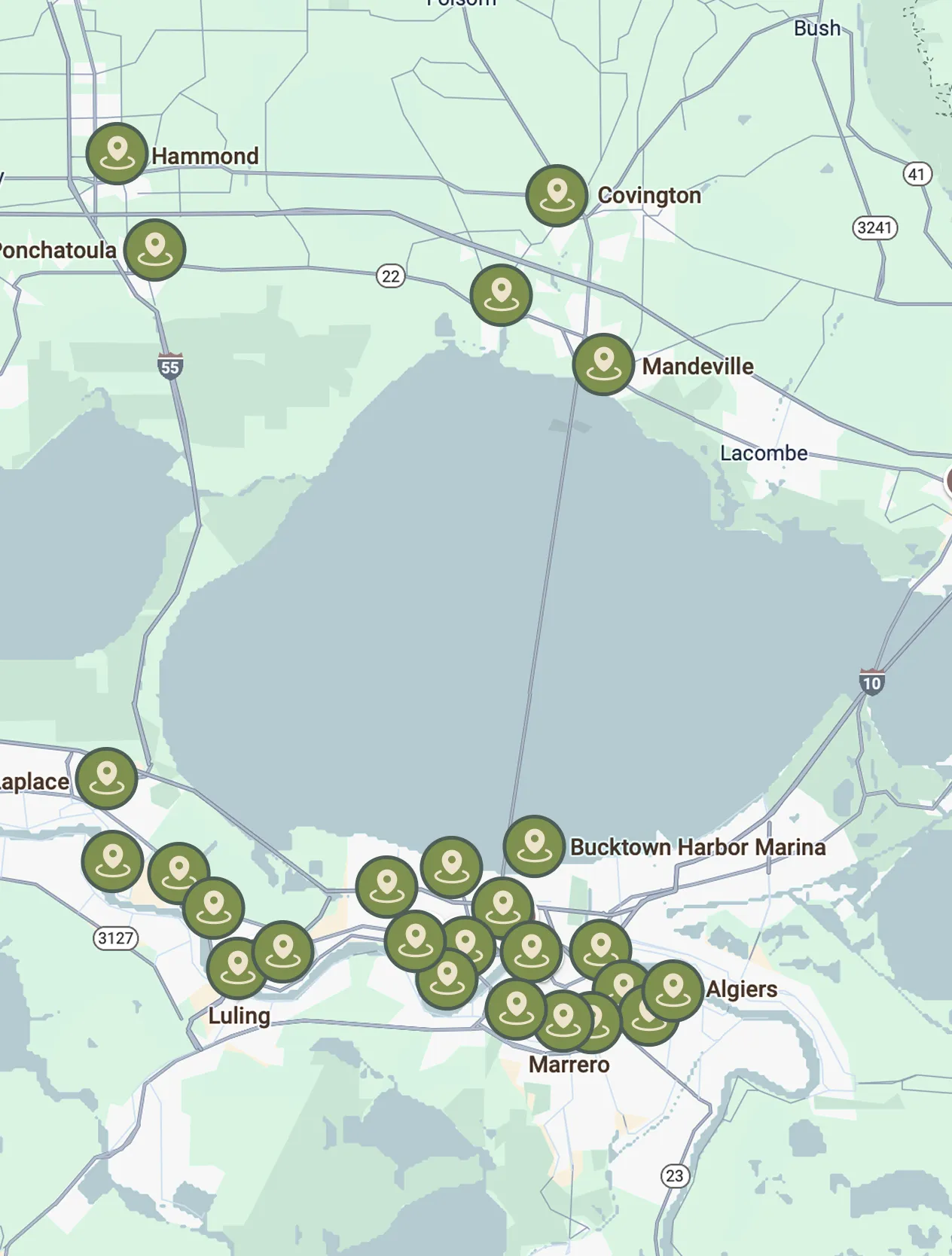
Service areas
Our service areas are designed to meet the diverse needs of our clients. We focus on providing exceptional service and ensuring customer satisfaction in every location we operate.