Air Scrubbers in Ponchatoula, LA
.webp)
Maintaining good indoor air quality is a year round necessity in Ponchatoula, LA. High humidity, seasonal pollen, frequent storms, and older homes with central HVAC systems can create conditions where particulates, odors, volatile organic compounds (VOCs), and biological contaminants accumulate. Cypress Cooling is dedicated to helping homeowners and businesses understand how air scrubbers work, determine which type is best for their specific needs, and know what to expect in terms of performance and maintenance. We aim to empower you to make informed and confident decisions about your indoor air quality.
Air Scrubbers in Ponchatoula, LA
Indoor air quality matters year round in Ponchatoula, LA. High humidity, seasonal pollen, frequent storms, and older homes with central HVAC systems create conditions where particulates, odors, volatile organic compounds (VOCs), and biological contaminants can accumulate. Cypress Cooling Company helps homeowners and businesses understand how air scrubbers work, which type is right for each situation, and what to expect in terms of performance and maintenance so you can make an informed, confident decision.
What an air scrubber does and why it matters in Ponchatoula
An air scrubber is a device or system that removes airborne contaminants from indoor air. Depending on the technology, air scrubbers can capture particulates such as dust, pollen, and pet dander; adsorb or oxidize VOCs and odors from paints, cleaners, and building materials; and reduce viable biological contaminants such as mold spores, bacteria, and viruses. In Ponchatoula, common drivers for installing air scrubbers include:
- Seasonal pollen and outdoor allergens from local trees and plants
- High indoor humidity that encourages mold and mildew growth
- Post-storm water intrusion and the subsequent need for mold remediation
- Post-construction or renovation off-gassing from new materials
- Smoke and odor events (wildfire smoke, nearby burnings, or kitchen smoke)
Air scrubbers can improve occupant comfort, reduce allergy and asthma triggers, help control odors, and provide measurable reductions in airborne contaminants when properly specified and installed.
Types of air scrubbers and how they work
Air scrubbers come in several forms. Each has strengths and limitations, and the right choice depends on your home, concerns, and existing HVAC configuration.
- Portable units (standalone room purifiers)
- Typically contain a pre-filter, HEPA filter, and often an activated carbon stage.
- Best for targeted rooms such as bedrooms, living rooms, or a home office.
- Useful for renters, temporary post-construction cleanup, or supplemental filtration.
- Look for CADR ratings and HEPA certification for particle removal.
- In-duct or whole-home systems
- Installed directly into the return plenum or ductwork to treat all air circulated by the HVAC system.
- Can combine a high-efficiency filter (MERV 13 or higher for particle capture), activated carbon modules for VOCs, and UV-C for microbial control.
- Provides continuous whole-home air treatment when the HVAC blower runs; ideal for occupants needing whole-house coverage.
- Professional-grade air purifiers and specialized scrubbers
- High-capacity units used by remediation professionals during mold abatement or post-flood cleanup.
- Commercial-grade filtration (true HEPA, large carbon beds), negative pressure containment options, and higher airflow to deliver rapid contaminant removal.
- Often used for renovation projects, healthcare settings, and commercial properties.
Technologies commonly used inside scrubbers:
- HEPA filtration: Captures at least 99.97% of particles down to 0.3 microns. Excellent for pollen, dust, and many airborne allergens.
- Activated carbon: Adsorbs VOCs and odors; effectiveness scales with carbon mass and contact time.
- UV-C (germicidal ultraviolet): Inactivates microorganisms on air-exposed surfaces or while passing through the lamp zone; not a particle removal technology.
- Photocatalytic oxidation and bipolar ionization: Emerging or supplemental technologies that aim to break down VOCs or aggregate particles. Performance depends heavily on device design and independent verification.
- Electrostatic precipitation: Removes particles by charging and collecting them; efficiency varies and may require maintenance.
Installation options and integration with existing HVAC systems
Choosing the right installation approach begins with assessing your home’s layout and HVAC system:
- Portable units: Plug-and-play. Choose units sized for the square footage and consider noise levels and runtime schedules. Place them where occupants spend the most time or where contaminants are concentrated.
- Return-plenum or in-duct installation: Professional installation places the scrubber or filtration module in the HVAC return to treat all circulating air. Key considerations:
- System sizing: Unit must be sized to the HVAC airflow to avoid significant pressure drop.
- Duct condition: Leaky or poorly insulated ducts reduce overall effectiveness. Address duct sealing when needed.
- Blower capacity: High-efficiency filters increase static pressure; older blowers may require upgrade or motor adjustments.
- Location for UV-C: UV chambers are typically mounted near the air handler where airflow and exposure are predictable.
- Bypass or dedicated ducted units: Some installations use a dedicated duct loop for the scrubber so the main HVAC operation is less impacted. This is useful when the primary system cannot handle added static pressure.
- Professional-grade temporary systems: During mold remediation or construction, portable negative-air scrubbers are positioned to create controlled airflows and filtration while work is performed.
Cypress Cooling Company evaluates duct size, airflow, static pressure, and indoor contamination sources to recommend the most effective integration option for each property in Ponchatoula.
Expected performance metrics and how to interpret them
Understanding published metrics helps set realistic expectations:
- HEPA efficiency: True HEPA filters capture 99.97% of particles 0.3 microns in diameter. This performance is effective for pollen, smoke particles, and many airborne pathogens attached to droplets or aerosols.
- CADR (Clean Air Delivery Rate): Measured in cubic feet per minute (CFM), CADR indicates the amount of clean air a portable unit provides for smoke, dust, and pollen. Choose a CADR that matches or exceeds the room volume and desired air changes per hour (ACH).
- Air changes per hour (ACH): The number of times the air in a room is replaced with filtered air each hour. For allergy or asthma relief, higher ACH (3 to 6 or more) provides better results; for general comfort, 1 to 2 ACH may be adequate.
- VOC reduction metrics: Activated carbon and catalytic media reduce VOC concentration depending on carbon mass, airflow rate, and contact time. Expect meaningful reductions of common household odors and solvents with properly sized carbon beds, though single-pass reductions are lower than particulate capture.
- Microbial log reductions: UV-C systems reduce live microorganisms according to exposure time and intensity. Correctly designed UV-C modules can achieve significant log reductions for airborne microbes but are less effective on settled mold without mechanical cleaning.
Real-world performance depends on unit sizing, placement, continuous runtime, and source control. In Ponchatoula, where humidity and mold risk are elevated, pairing filtration with moisture control yields the best results.
Routine maintenance and what to expect
Air scrubbers deliver consistent performance only when maintained. Common maintenance tasks include:
- Pre-filter replacement or cleaning: Pre-filters trap larger particles and protect downstream media. Replace or wash according to manufacturer guidance—typically every 1 to 3 months for heavy use.
- HEPA filter replacement: Even high-quality HEPA filters require replacement when loaded with particulates. Typical intervals vary from 6 to 24 months depending on usage, airborne particle load, and fan runtime.
- Activated carbon/cartridge replacement: Carbon capacity is finite. Replace carbon modules when odors return or per scheduled intervals; heavy VOC environments shorten life.
- UV lamp replacement: UV-C lamps lose intensity over time. Most systems require lamp replacement every 9 to 14 months for optimal germicidal performance. Lamps should be cleaned of dust to preserve output.
- Professional inspection and service: Annual or semi-annual professional inspections ensure the system is working as intended, check for leaks, verify static pressure, and confirm electrical safety.
Cypress Cooling Company provides maintenance guidance tailored to each installed system and explains expected service intervals so homeowners in Ponchatoula can plan for routine upkeep and sustained performance.
Typical use cases in Ponchatoula homes and businesses
Air scrubbers are effective tools in several common scenarios:
- Allergy and asthma relief: For occupants sensitive to pollen, dust mites, and pet dander, HEPA filtration combined with source control and humidity management reduces triggers.
- Mold remediation and post-flood cleanup: After water intrusion events common during hurricane and storm seasons, portable professional-grade scrubbers with HEPA and activated carbon containment are used during cleaning and drying to reduce airborne spores.
- Post-construction and renovation: New paint, adhesives, and cabinetry off-gas VOCs. Air scrubbers with robust carbon beds and high airflow remove much of the VOC load while construction odors dissipate.
- Odor control: Cooking, pet odors, and intermittent smoke events are mitigated by activated carbon stages sized for the odor load.
- Smoke and particulate reduction: During regional smoke events or localized burning, HEPA filtration reduces fine particulate matter that aggravates respiratory conditions.
- Healthcare and commercial settings: Where elevated hygiene is required, whole-building or room-based scrubbers with validated performance profiles help maintain cleaner air.
Selecting the right blend of filtration and treatment is critical. For example, mold remediation requires containment, high air exchange, and HEPA-grade filtration, while allergy relief in a bedroom may be accomplished with a well-sized portable HEPA unit and a MERV 13 filter at the HVAC return.
Certifications, standards, and safety considerations
When evaluating air scrubbers, look for verified performance and safety certifications:
- HEPA and MERV ratings: HEPA (true HEPA) meets particle capture standards of 99.97% at 0.3 microns. MERV ratings (from ASHRAE 52.2 testing) give a comparative measure of filter effectiveness in HVAC applications.
- CADR ratings and AHAM verification: CADR scores help compare room air cleaners on validated removal rates for smoke, pollen, and dust.
- UL, ETL, and CE listings: These indicate electrical safety testing and compliance with recognized safety standards.
- CARB and UL 2998: For ionization technologies or products that may generate ozone, California Air Resources Board (CARB) compliance and UL 2998 zero-ozone-emissions verification are important. Ozone can be harmful, especially in high-humidity environments common to Ponchatoula, so verified low or zero ozone emissions are essential.
- Manufacturer testing and independent lab validation: Look for independent test reports for claims about microbial inactivation or VOC reduction.
Cypress Cooling Company prioritizes systems and components that meet recognized industry standards and follows best practices for safe installation, especially when UV-C or ionization technologies are part of the solution.
Common installation challenges and how they are handled
Air scrubber performance depends on proper installation and system compatibility. Typical challenges include:
- Duct leakage and poor airflow: Leaky or undersized ducts reduce effective air changes. Sealing and balancing the duct system is often recommended alongside installation.
- Static pressure impacts on HVAC systems: High-efficiency filters and additional modules can increase static pressure and reduce airflow. Assessing blower capacity and adjusting as needed prevents strain on the HVAC system.
- Electrical and space constraints: In-duct modules and professional-grade scrubbers may require dedicated mounting space and power. Early site assessment avoids surprises during installation.
- Noise preferences: Higher airflow means more noise in portable units. Matching CADR needs with acceptable noise levels, or using whole-home solutions, mitigates occupant disturbance.
- Humidity and microbial growth: In Ponchatoula, humidity management is part of IAQ. Air scrubbers address airborne particulates and many VOCs, but controlling indoor moisture via dehumidification and moisture-proofing is essential to prevent recontamination.
Cypress Cooling Company evaluates these factors during an on-site assessment to recommend systems that integrate smoothly with your home’s HVAC and lifestyle needs.
How to assess what system you need
Choose an effective system by answering a few critical questions:
- What are the primary indoor air concerns (allergies, mold, odors, VOCs, smoke)?
- Is treatment needed for one room or the whole home?
- What is the size and layout of the space, and what type of HVAC system is present?
- Are there special constraints such as frequent renovations, water intrusion risk, pets, or smokers?
- What are noise and maintenance preferences?
Portable HEPA-plus-carbon units are appropriate for focused relief. In-duct, whole-home systems provide continuous coverage and lower noise. For remediation or construction, professional-grade units are necessary for rapid contaminant reduction and containment.
Long-term benefits of proper air scrubbing and maintenance
When correctly specified, installed, and maintained, air scrubbers provide measurable health and comfort benefits:
- Reduced allergy and asthma symptoms through consistent particle removal.
- Lower household odors and fewer complaints from occupants and visitors.
- Faster recovery and safer conditions after water intrusion or construction when used with remediation best practices.
- Potentially extended lifespan of HVAC equipment by reducing particulate load on coils and ducts.
- Improved peace of mind for households with sensitive occupants, including children, elders, or people with compromised immune systems.
Pairing air scrubbing with moisture control, routine duct maintenance, and source-removal strategies (choosing low-VOC materials, proper ventilation during painting) multiplies the benefits and leads to healthier indoor environments.
OUR CLIENTS HAVE TO SAY ABOUT US



Service areas
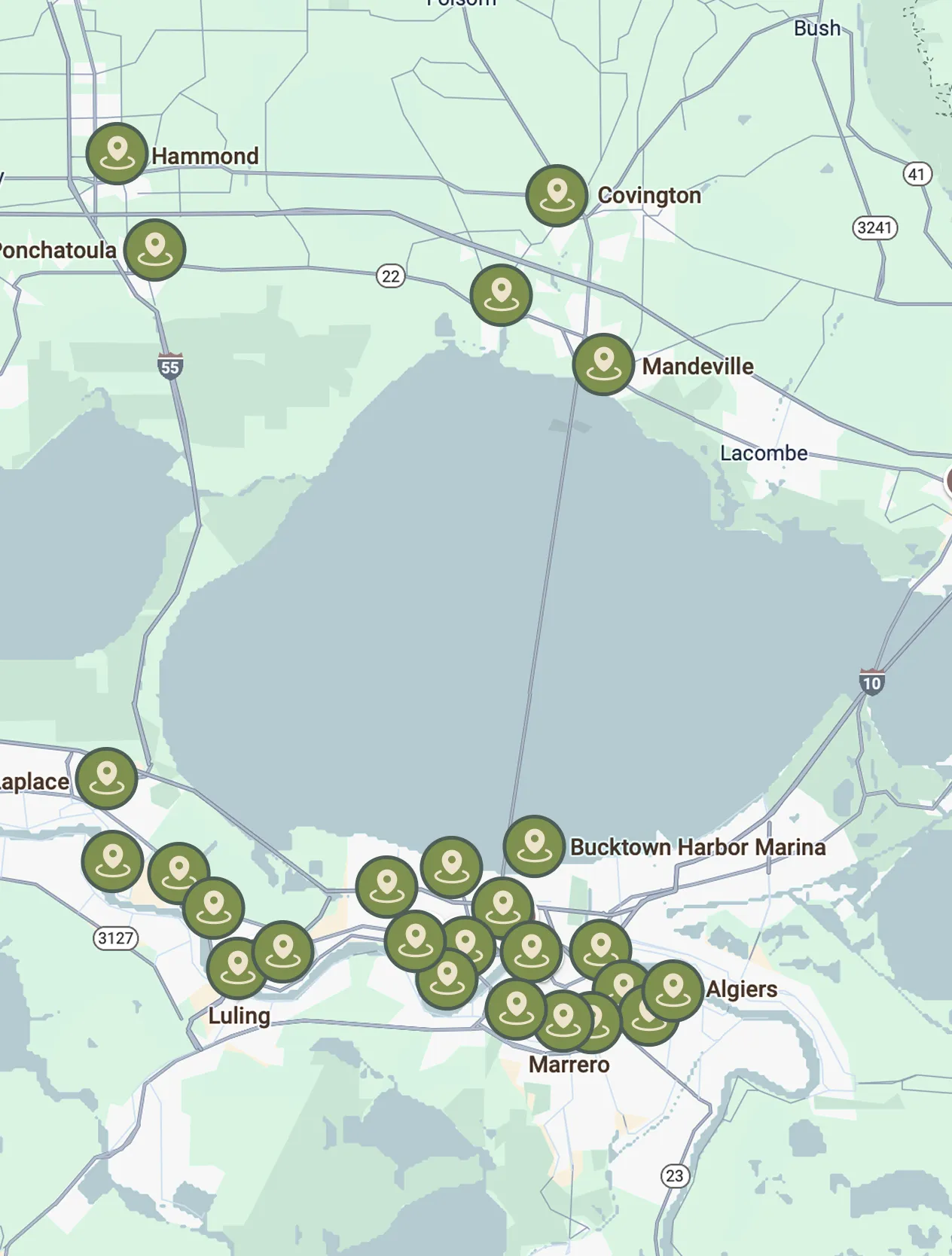
Our service areas are designed to meet the diverse needs of our clients. We focus on providing exceptional service and ensuring customer satisfaction in every location we operate.