Air Scrubbers in New Orleans, LA
.webp)
Indoor air quality is paramount in New Orleans homes. The combination of high humidity, extended warm seasons, frequent storms, and older housing stock creates an environment where pollutants can thrive. Cypress Cooling offers whole home air scrubber solutions designed to combat these issues. Our systems reduce particulates, VOCs, odors, and microbial contaminants by integrating advanced air purification technology with your existing HVAC system. We'll explain how air scrubbers work, why they are particularly valuable in New Orleans, and discuss system types and compatibility. Cypress Cooling will also guide you through the assessment and installation process, maintenance expectations, warranty options, and answer common questions to help you decide if an air scrubber is right for your property.
Air Scrubbers in New Orleans, LA
Indoor air quality matters in New Orleans homes. High humidity, extended warm seasons, frequent storms, older housing stock, and seasonal pollen all combine to create an environment where particulates, mold spores, volatile organic compounds, and odors can compromise comfort and health. Cypress Cooling Company provides whole-home air scrubber solutions designed to reduce particulates, VOCs, odors, and microbial contaminants by integrating advanced air purification technology with your existing HVAC system. This page explains how air scrubbers work, why they are particularly valuable in New Orleans, system types and compatibility considerations, the professional assessment and installation process, maintenance expectations, warranty and financing options, and answers to common homeowner questions to help you decide if an air scrubber is right for your property.
Why New Orleans homes benefit from whole-home air scrubbers
New Orleans has a humid subtropical climate that encourages mold and mildew growth in attics, crawl spaces, and within wall cavities. High indoor humidity combined with older building envelopes can make it difficult to maintain consistently healthy indoor air. Common indoor air quality concerns in this region include:
- Increased mold and fungal spores after heavy rain or hurricane-related flooding.
- Elevated levels of pollen and outdoor particulates during spring and fall.
- Persistent household odors and VOC offgassing from furniture, paints, and cleaning products.
- Increased dust and particulate buildup in older duct systems or homes with pets.
- Higher risk of respiratory irritation for allergy and asthma sufferers due to combined humidity and biological contaminants.
A whole-home air scrubber installed as part of your HVAC system reduces the overall burden of these contaminants throughout the entire living space rather than treating only a single room. For New Orleans homeowners managing humidity-related contaminants and seasonal allergens, this broader protection helps create a more consistent indoor environment and can reduce the triggers that aggravate asthma and allergies.
How air scrubbers improve indoor air quality
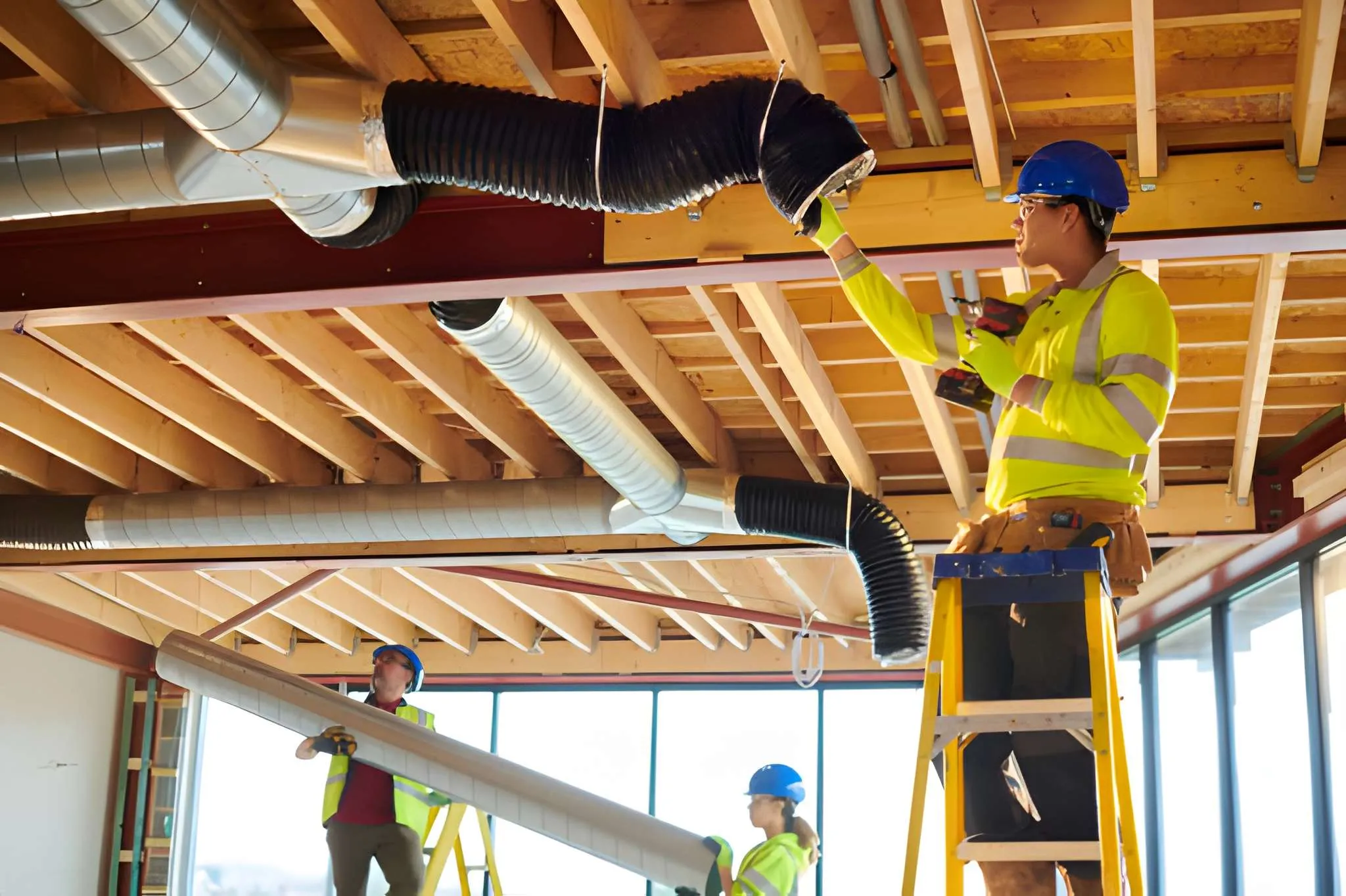
Air scrubbers are whole-house devices that work in conjunction with your HVAC system to treat the air that circulates through the home. Depending on the technology used, they can:
- Neutralize or reduce volatile organic compounds (VOCs) that cause odors and offgassing.
- Reduce airborne particulates including dust, pollen, and pet dander.
- Inactivate microbial contaminants such as bacteria, mold spores, and some viruses.
- Minimize persistent odors from cooking, pets, smoke, and household chemicals.
Instead of relying solely on passive filtration, many air scrubber technologies actively alter contaminants to render them inert or easier to capture by your HVAC filters. This active treatment provides a measurable improvement in overall indoor air quality across every room served by the central air system.
Common air scrubber technologies and how they differ
There are several proven methods used in whole-home air scrubbers. Each technology has strengths and considerations, and the right choice depends on the contaminants you want to address and how your HVAC system is set up.
- Photocatalytic Oxidation (PCO)
- How it works: Uses ultraviolet light and a catalytic surface to produce oxidizing agents that break down VOCs and some microbes into harmless byproducts like water and carbon dioxide.
- Benefits: Effective at reducing odors and VOCs that standard filters cannot trap.
- Considerations: Performance depends on proper lamp intensity and catalyst surface; periodic maintenance is required.
- Ultraviolet Germicidal Irradiation (UVGI)
- How it works: Uses UV-C light to damage the DNA or RNA of microorganisms, preventing replication and reducing viable microbes in the airstream.
- Benefits: Proven to reduce mold growth on coils and lower microbial loads in ductwork.
- Considerations: Primarily targets biological contaminants; does not remove particulates or VOCs on its own.
- Bipolar Ionization
- How it works: Releases positive and negative ions that attach to particles and microbes, causing them to cluster and become easier to capture by filters or settle out of the breathing zone.
- Benefits: Can reduce airborne particles and some odors; often implemented as a low-maintenance option.
- Considerations: Performance varies by unit design and the concentration of ions produced.
- Activated Carbon and Catalytic Media
- How it works: Uses porous carbon or catalytic materials to adsorb or chemically convert VOCs and odors.
- Benefits: Strong at odor and VOC control, especially in homes with smoke or chemical smells.
- Considerations: Media becomes saturated and needs scheduled replacement.
- Electronic Air Cleaners (Electrostatic Precipitators)
- How it works: Charges particles that are then captured on collector plates or surfaces.
- Benefits: Effective at removing fine particulates when maintained properly.
- Considerations: Collector plates require regular cleaning; some designs can produce low levels of ozone.
Many modern systems combine technologies to provide multi-faceted protection. During an assessment, Cypress Cooling Company evaluates your home and HVAC system to recommend the technology or combination of technologies that best addresses your indoor air quality needs.
Benefits for allergy and asthma sufferers
For residents with allergies or asthma, whole-home air scrubbers offer both immediate and long-term benefits:
- Reduced airborne allergens: Continuous treatment lowers pollen, dust mite debris, and pet dander levels throughout the home, not just in single rooms.
- Lower microbial exposure: Mold spores and bacteria can exacerbate respiratory conditions. Technologies like UVGI and PCO reduce microbial counts in circulating air and on HVAC coils.
- Fewer odor triggers: VOCs and odors that irritate sensitive airways are reduced by activated carbon and catalytic processes.
- Less cleaning burden: With fewer particulates circulating, surfaces accumulate less dust and allergen buildup, supporting better daily symptom control.
- Support for HVAC function: Reducing biological growth on coils and inside ductwork can improve system efficiency and reduce conditions that fuel mold growth.
These health-related improvements are particularly relevant in New Orleans where humidity and outdoor allergen load commonly elevate symptom triggers.
Compatibility and integration with existing HVAC equipment
Whole-home air scrubbers are designed to integrate with central heating and cooling systems. Compatibility considerations include:
- Location of installation: Units can be installed in the return plenum, near the air handler, or directly inside ductwork. The chosen position affects efficiency and maintenance access.
- System capacity: An assessment will verify that your current HVAC airflow and blower capacity are compatible with the scrubber to ensure proper distribution.
- Filter and media coordination: Air scrubbers complement, not replace, primary filtration. Maintaining appropriate MERV-rated filters that match your system and scrubber design maximizes effectiveness.
- Electrical requirements: Many air scrubbers require a low-voltage or line-voltage connection. Cypress Cooling Company evaluates your electrical setup and integrates power safely into the installation.
- Control integration: Units can often be wired to operate with the HVAC blower or run continuously. Integration with smart thermostats or control systems is reviewed during the design phase to meet your preferences for continuous or event-driven operation.
A careful site assessment ensures the chosen air scrubber works with your current system without compromising airflow or energy efficiency.
Professional assessment and installation process
Cypress Cooling Company follows a structured assessment and installation process to deliver consistent results and ensure long-term performance.
- Initial consultation and walkthrough
- Our technicians evaluate the home layout, HVAC equipment, typical occupant concerns, and any visible signs of moisture, mold, or poor ventilation.
- We document existing filtration, duct condition, attic or crawl space issues, and indoor activities that may affect air quality.
- Diagnostic testing and measurement
- If appropriate, indoor air quality testing can quantify particulate levels, relative humidity, and identify odor or VOC presence.
- Inspection of ductwork, air handler, and coil condition provides insight into potential sources of contaminants and any repairs needed to maximize system effectiveness.
- Recommendation and system selection
- Based on findings, Cypress Cooling Company recommends a tailored solution that may combine technologies such as PCO for VOCs, UVGI for microbial control, and activated carbon for odors.
- Compatibility with your HVAC system, proposed installation location, and maintenance plan are reviewed in plain language.
- Professional installation
- Licensed technicians install the air scrubber in the selected location, integrate electrical connections, and ensure safe and secure mounting.
- The system is balanced to preserve airflow, and any necessary adjustments to blower settings or filter upgrades are implemented.
- After installation, technicians perform a functional test, demonstrate basic operation, and document initial system performance.
- Post-installation follow-up
- Cypress Cooling Company provides a recommended maintenance schedule and documents warranty registration and model specifics. An inspection checklist confirms the system was installed to specification.
This structured approach reduces surprises, confirms system compatibility, and sets clear expectations for maintenance and long-term performance.
Routine maintenance and filter replacement schedules
Maintaining your air scrubber and HVAC system is crucial to sustained performance, especially in a humid climate like New Orleans.
- Regular inspections
- Visual inspections of the air scrubber and surrounding ductwork every three to six months help ensure there is no visible media saturation, lamp discoloration, or buildup on collector plates.
- Routine checks are more frequent if your household has pets, smokers, or ongoing remodeling activities.
- UV lamp and catalyst maintenance
- UV lamps used in UVGI and PCO systems dim over time and typically need replacement on a manufacturer-recommended schedule to retain efficacy.
- Catalyst surfaces may require cleaning or replacement depending on exposure to dust and contaminants.
- Media and filter replacement
- Activated carbon or catalytic media will absorb VOCs and odors until saturated; replacement intervals depend on household contaminant levels and the system design.
- Primary HVAC filters should be maintained according to the recommended MERV rating and schedule. In many homes, filter changes every 1 to 3 months are appropriate; in New Orleans where particulates and humidity are present, more frequent replacement often delivers better performance.
- Cleaning electronic components
- Electrostatic collectors and ionization collectors require careful, periodic cleaning to prevent performance degradation. Follow manufacturer guidelines to avoid damage.
- Professional service checks
- Annual or semi-annual professional maintenance verifies lamp output, electrical connections, airflow performance, and media condition. Cypress Cooling Company documents each visit and recommends corrective action if needed.
A predictable maintenance routine protects your investment and ensures the air scrubber continues to reduce contaminants effectively.
Warranty and financing options
Air scrubber systems come with manufacturer warranties covering defects in materials and performance for a specified period. Cypress Cooling Company registers systems as required and explains warranty coverage related to lamps, media, and electronic components. Warranty terms vary by technology and manufacturer, and coverage typically depends on adherence to recommended maintenance schedules.
Financing options are available to help spread installation costs over time. When selecting financing, consider warranty alignment, maintenance requirements, and projected operating costs, including lamp replacements and media changes. Cypress Cooling Company provides transparent documentation of warranty terms and estimated maintenance needs so homeowners can make informed financial decisions that match long-term value.
What to expect in performance and measurable outcomes
While every home and system is unique, homeowners can generally expect measurable improvements after installing a properly sized and maintained air scrubber:
- Noticeable reduction in household odors and VOC-related smells within weeks.
- Lower occurrence of visible dust accumulation and fewer allergy symptoms in many occupants.
- Reduced microbial growth on HVAC coils, which can also improve system efficiency and reduce energy use over time.
- Improved perceived freshness of indoor air and fewer complaints about stuffy or stale air.
For precise expectations, Cypress Cooling Company can provide baseline indoor air quality measurements and follow-up testing to quantify the improvement from installation.
Tips for maximizing the effectiveness of your air scrubber system
To get the most value and performance, pair your air scrubber with good ventilation practices and routine HVAC care:
- Maintain appropriate humidity levels, ideally between 40 and 50 percent, to limit mold growth without over-drying the air.
- Keep primary filters clean and choose the correct MERV rating for your system and goals.
- Address visible sources of moisture, leaks, or water intrusion in attics, crawl spaces, and basements promptly to prevent persistent microbial problems.
- Use low-VOC paints and building materials, and minimize indoor smoking to reduce load on the scrubber media and filters.
- Schedule regular HVAC tune-ups and coil cleanings to maintain system efficiency and reduce microbial habitat.
These practices extend system life, enhance performance, and reduce the frequency of media replacement in a humid climate like New Orleans.
Why professional installation matters
Proper selection and installation are critical to achieving the desired indoor air quality outcomes. Improper placement, mismatched technologies, or neglecting required maintenance can reduce effectiveness and, in some cases, introduce unwanted byproducts. Cypress Cooling Company technicians are trained to perform thorough assessments, select the most appropriate technology mix for local conditions, and install systems that maintain HVAC airflow and efficiency. Professional installation also ensures warranty coverage and provides documented maintenance plans to protect long-term performance.
Long-term benefits for homeowners in New Orleans
Investing in a whole-home air scrubber delivers more than immediate reductions in odors and allergens. Over time, homeowners may notice:
- Fewer respiratory irritations and better daily comfort for occupants sensitive to allergens.
- Less microbial buildup inside HVAC equipment, contributing to better system performance and potentially lower repair costs.
- Improved longevity of filter media and reduction in deep cleaning frequency for living spaces.
- Consistent indoor air quality in a climate that can otherwise rapidly degrade air through humidity and storm events.
For older homes common in many New Orleans neighborhoods, integrating an air scrubber into a comprehensive HVAC care plan can be a practical step toward healthier indoor living.
OUR CLIENTS HAVE TO SAY ABOUT US



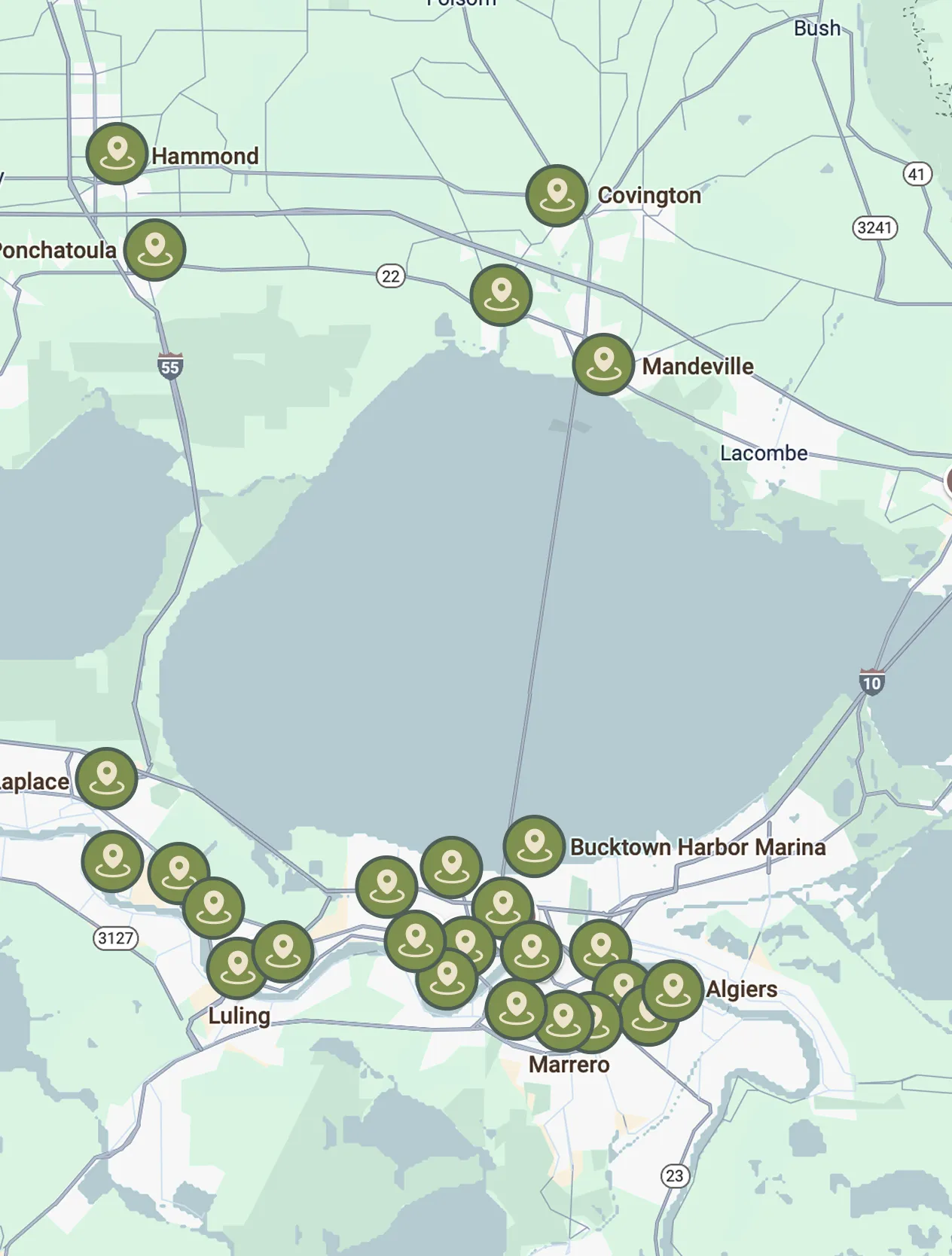
Service areas
Our service areas are designed to meet the diverse needs of our clients. We focus on providing exceptional service and ensuring customer satisfaction in every location we operate.