Air Scrubbers in Metairie, LA
.webp)
Indoor air quality is an increasing concern for homeowners and businesses in Metairie, LA. High humidity, seasonal pollen, mold friendly conditions, and proximity to urban and industrial areas can lead to indoor air containing more particulates, volatile organic compounds (VOCs), odors, and biological contaminants than you might expect. Air scrubbers are a proven, professional grade solution to reduce these contaminants at the source and within your ductwork, improving comfort, health, and the overall performance of your HVAC systems. Cypress Cooling provides technical guidance on how air scrubbers work, which technologies are best suited for different needs, how systems integrate with existing heating and cooling equipment, expected performance metrics and testing, and practical maintenance and warranty considerations for Metairie homes and businesses.
.webp)
Air Scrubbers in Metairie, LA
Indoor air quality is a growing concern for homeowners and businesses in Metairie, LA. High humidity, seasonal pollen, mold-friendly conditions, and proximity to urban and industrial sources can make indoor air contain more particulates, volatile organic compounds (VOCs), odors, and biological contaminants than you expect. Air scrubbers are a proven, professional-grade solution to reduce these contaminants at the source and in-duct, improving comfort, health, and the overall performance of HVAC systems. Cypress Cooling Company provides technical guidance on how air scrubbers work, which technologies fit different needs, how systems integrate with existing heating and cooling equipment, expected performance metrics and testing, and practical maintenance and warranty considerations for Metairie homes and businesses.
Why Air Scrubbers Matter in Metairie, LA
Metairie experiences warm, humid summers and frequent vegetation and pollen in spring and fall. Those conditions increase the risk of mold growth, dust mite activity, and airborne allergens. Many local properties have older ductwork or intermittent HVAC use that permits buildup of dust, microbial growth, and odors. For businesses such as restaurants, medical offices, and hospitality facilities, indoor air quality directly affects occupant comfort and regulatory compliance. Air scrubbers are designed to reduce airborne particles, VOCs from cleaning products and building materials, cooking or sewer odors after storms, and biological contaminants that can aggravate asthma and allergies.
What an Air Scrubber Does
An air scrubber is a whole-house or whole-building device that actively removes and neutralizes airborne contaminants. Installed in ductwork or placed as standalone units, air scrubbers use one or more technologies to:
- Reduce airborne particulates (dust, pollen, pet dander)
- Capture and remove VOCs and odors (cooking, cleaning chemicals, offgassing)
- Inactivate biological contaminants (mold spores, bacteria, some viruses)
- Improve perceived air freshness and reduce odors that settle in carpets, fabrics, and ducts
Systems can be designed to treat the airstream passing through the HVAC system or to operate independently in high-risk spaces. Properly specified and installed, an air scrubber will improve indoor air quality metrics and reduce the need for frequent deep cleaning.
Common Air Scrubber Technologies and How They Work
Understanding the technologies helps you choose the right system for a Metairie home or business. Each has benefits and tradeoffs depending on goals, building characteristics, and maintenance expectations.
- HEPA filtration
- How it works: High Efficiency Particulate Air (HEPA) filters mechanically capture 99.97 percent of particles 0.3 microns and larger.
- Strengths: Excellent at removing particulates such as pollen, dust, and pet dander.
- Limitations: Does not remove gases or odors; higher pressure drop can increase HVAC energy use if installed in-duct without adjustments.
- Activated carbon adsorption
- How it works: Carbon media adsorbs VOCs and odors from the airstream.
- Strengths: Effective against many odors and VOCs common in homes and restaurants.
- Limitations: Media becomes saturated and requires periodic replacement.
- Photocatalytic oxidation (PCO)
- How it works: UV light activates a catalyst, typically titanium dioxide, breaking down VOCs into simpler compounds.
- Strengths: Continuous VOC reduction when airflow and UV intensity are appropriate.
- Limitations: Performance varies with air exchange and humidity; some systems require proper sizing to avoid incomplete byproducts.
- Ultraviolet germicidal irradiation (UVGI)
- How it works: UV-C light damages the DNA or RNA of microorganisms, reducing viable microbes.
- Strengths: Effective against bacteria and some viruses and helps control microbial growth on coils and drains.
- Limitations: Does not capture particulates or remove gases; requires proper exposure time and lamp maintenance.
- Bipolar ionization and needlepoint ionization
- How it works: Generates charged ions that attach to particles and pathogens, causing them to clump and settle or be captured more easily by filters.
- Strengths: Can reduce particulates and some biological contaminants when integrated properly.
- Limitations: Variability in real-world efficacy; some systems require monitoring for ozone generation.
- Electrostatic precipitators
- How it works: Electrically charges particles then collects them on plates.
- Strengths: Effective for particulate removal with low pressure drop.
- Limitations: Requires regular cleaning of collection plates and can generate small amounts of ozone if not properly designed.
- Combined systems
- How it works: Many modern air scrubbers combine HEPA filtration, activated carbon, UVGI, and other technologies to target multiple contaminant classes.
- Strengths: Comprehensive treatment of particles, gases, odors, and microbes.
- Limitations: Higher initial cost and more complex maintenance schedules.
Choosing the right technology in Metairie means balancing removal goals (particulates vs VOCs vs microbes), building airflow patterns, humidity impact on certain technologies, and maintenance willingness.
Model Options and Sizing Considerations
Air scrubber systems come in in-duct models sized for residential furnaces and central AC units, commercial inline units for larger air handlers, portable units for targeted rooms, and negative-air machines for restoration or construction environments. Key sizing factors include:
- Home or business square footage and ceiling height
- HVAC airflow rates (CFM) and duct configuration
- Occupancy levels and typical activities (cooking, heavy cleaning, smoking)
- Sources of contamination (pets, renovation, nearby industrial emissions)
- Required Air Changes per Hour (ACH) for the space type
A properly sized system is essential. For example, achieving a targeted number of air changes per hour for a home with an open floor plan differs from sizing a medical office or restaurant kitchen exhaust space. Cypress Cooling Company assesses actual airflow and contaminant sources before recommending models to ensure the chosen air scrubber meets performance expectations.
Compatibility with Existing HVAC Systems
Air scrubbers can be integrated with most existing HVAC systems, but compatibility depends on system age, blower capacity, and duct condition.
- In-duct installations
- These are mounted inside the return or supply plenum. They treat all the air circulated by the HVAC system, offering whole-home or whole-building improvement.
- Considerations: Check blower capacity to compensate for any added pressure drop from filters. Older systems with leaky ducts may need sealing to maximize effectiveness.
- Inline and modular units
- Often used in commercial settings, these attach to larger air handlers or duct trunks to serve specific zones.
- Considerations: Require balanced airflow and may need adjustments to damper settings.
- Portable and standalone units
- Used where duct installation is impractical or for supplemental room treatment. Portable scrubbers are useful in rental units, temporary workspaces, and during remediation projects.
- Considerations: Portables treat a single space and require correct placement and adequate capacity for the room size.
- Rooftop and dedicated equipment rooms
- For larger commercial buildings, dedicated air cleaning modules can be installed on rooftops or mechanical rooms to treat fresh air and return streams.
- Considerations: Weatherproofing and energy implications must be evaluated for Metairie’s humid, hurricane-prone climate.
Before installation, Cypress Cooling Company evaluates the HVAC system, checks static pressure limits, inspects duct cleanliness, and discusses options such as prefiltration upgrades to protect the air scrubber and maintain blower efficiency.
Professional Installation Process
Professional installation ensures safety, performance, and compliance with manufacturer guidelines. Typical steps include:
- Site assessment
- Inspect ducts, measure airflow (CFM), identify contaminant sources, and determine the best equipment location.
- System selection and pre-install customization
- Choose technology mix and model based on the assessment. Recommend prefilters, media types, and electrical needs.
- Mechanical installation
- Secure mounting in the return plenum, duct trunk, or mechanical room. Ensure proper sealing around penetrations to prevent bypass leakage.
- Electrical hookup and controls
- Connect to existing HVAC control systems or provide dedicated controls for standalone units. Program controls for run schedules or integration with building management systems.
- Commissioning and airflow balancing
- Test airflow, adjust dampers, verify static pressures, and ensure the unit is operating within manufacturer specifications.
- Baseline IAQ testing
- Perform initial indoor air quality testing using particle counters, VOC meters, or microbiological sampling to establish a pre-install baseline.
A professional installation minimizes risk of underperformance and ensures the scrubber integrates well with the existing HVAC system for optimal energy use and contaminant removal.
Expected Performance Improvements and Testing Metrics
Air scrubber performance is measurable. Typical improvements and how they are tested include:
- Particulate reduction
- Metric: Particles per liter for various size bins (0.3, 0.5, 1.0, 2.5 microns).
- Expectation: A well-sized whole-house HEPA-equipped system can reduce fine particulate counts by 80 percent or more compared with baseline, depending on source control and ACH.
- VOC reduction
- Metric: Total VOC (TVOC) measured in parts per billion (ppb) or micrograms per cubic meter.
- Expectation: Activated carbon or PCO-equipped scrubbers can significantly reduce TVOCs. Realistic reductions vary with source loading and ventilation.
- Microbial load reduction
- Metric: Colony forming units (CFU) from air or surface swabs, ATP testing for biological residues.
- Expectation: UVGI and properly designed ionization can reduce viable microbial counts; results depend on exposure time and microbial species.
- Odor control
- Metric: Subjective occupant surveys and VOC/odor compound measurements.
- Expectation: Carbon adsorption is most effective for persistent odors. Odor reduction is often noticeable quickly, with further improvement as fabrics and duct surfaces offgas less over time.
- Air changes per hour (ACH) and clean air delivery rate (CADR)
- Metric: ACH for entire space; CADR measured in cubic feet per minute for specific particles and gases.
- Expectation: Target ACH depends on space use: living spaces may aim for 2 to 4 ACH, higher for healthcare or high-occupancy spaces. CADR values help compare units for room-based treatment.
Testing before and after installation is recommended to document improvement. Cypress Cooling Company can perform baseline and post-install IAQ testing using particle counters, VOC meters, and microbial sampling to quantify system effectiveness.
Routine Maintenance and Filter Replacement Schedules
Maintenance keeps performance consistent. A typical maintenance schedule includes:
- Prefilter inspection and replacement
- Frequency: Every 3 to 6 months, depending on contaminant load and manufacturer guidance.
- Purpose: Protects HEPA and media filters, preserves airflow, and extends service life.
- HEPA filter replacement
- Frequency: Every 12 to 24 months, depending on usage and particulate loading.
- Purpose: Maintains high particulate capture efficiency and keeps pressure drop acceptable.
- Activated carbon media replacement
- Frequency: Every 6 to 12 months for homes and more frequently for high-VOC environments like commercial kitchens.
- Purpose: Ensures continued VOC and odor adsorption capacity.
- UV lamp replacement
- Frequency: Annually or per manufacturer recommended operating hours.
- Purpose: UV-C intensity declines over time; replacing lamps maintains microbial inactivation rates.
- Ionization and electrostatic component checks
- Frequency: Semiannually to annually.
- Purpose: Verify output levels and clean collector plates if present.
- System cleaning and duct inspection
- Frequency: Annual checkups with deeper cleaning every 2 to 5 years, depending on local conditions.
- Purpose: Prevents buildup of biological material and maintains airflow efficiency.
- Sensor calibration and performance verification
- Frequency: Annually or as specified.
- Purpose: If the system includes VOC or particulate sensors, calibration ensures accurate monitoring.
Maintenance tasks are best performed by qualified technicians. Regular service helps avoid unexpected loss of performance, particularly in Metairie where humidity and biological loads can accelerate media saturation.
Warranty and Financing Options
Manufacturers commonly offer warranties that cover defects in materials and workmanship for a specified period. Typical warranty elements include:
- Standard warranty duration
- Many systems carry a 1 to 5 year limited warranty on parts, with some extended warranty options available.
- Extended warranties and service agreements
- Extended plans can cover additional years of parts and labor, prioritized service, and scheduled maintenance visits.
- Warranty limitations
- Warranties often require documented professional installation and adherence to recommended maintenance schedules. Damage from improper use or environmental exposure may not be covered.
Financing options vary among providers and are intended to make higher-performance systems accessible. Common structures include:
- Low-interest financing plans
- Fixed monthly payments spread over 12 to 60 months, subject to credit approval.
- Deferred payment or promotional periods
- Interest may be deferred for an initial term; terms and eligibility vary.
- Leasing or equipment rental arrangements
- Monthly fees for equipment use with options to purchase at term end.
- Service plan bundles
- Combined equipment purchase and maintenance service agreements with predictable recurring costs.
When considering warranties or financing, review terms carefully for exclusions, required maintenance obligations, and transferability for business or property sales. Cypress Cooling Company can outline typical warranty expectations and financing structures so clients in Metairie can make an informed decision.
Choosing the Right System for Your Home or Business in Metairie
Selecting the right air scrubber depends on multiple factors. Use the following checklist to match needs with technology and configuration:
- Identify primary contaminants
- Are allergies and pollen your main concern? HEPA filtration will be key.
- Are odors and chemical offgassing the primary issue? Prioritize activated carbon or PCO.
- Are you focused on microbial control after water intrusion or frequent humidity-related growth? Incorporate UVGI and moisture management.
- Consider space type and occupancy
- High-occupancy commercial spaces or medical facilities may require higher ACH and combined technologies.
- Single-family homes may be well served by in-duct solutions sized to system CFM.
- Evaluate existing HVAC capability
- Verify whether the furnace blower can handle added resistance from filters or whether upgrades are needed.
- Check duct leakage and insulation, especially in older Metairie homes prone to humidity-driven condensation.
- Assess maintenance capacity
- If you prefer low-maintenance solutions, choose systems with longer-lasting media or enroll in a service plan.
- For business operations, plan scheduled maintenance to align with building maintenance cycles.
- Factor in energy and operational considerations
- Some systems impose a pressure drop that increases energy use; balance performance gains with expected operating costs.
- Integrations with controls allow run scheduling during occupied hours to optimize efficiency.
- Match scale and budget realities
- Portable units can be a temporary, lower-cost option; whole-building in-duct systems offer the best long-term, comprehensive performance.
Cypress Cooling Company evaluates each property holistically—considering Metairie climate impacts, building age, occupant sensitivity, and operational needs—to recommend a system that aligns with performance goals and lifecycle costs.
Benefits Beyond Cleaner Air
Installing an air scrubber yields practical benefits beyond measured IAQ improvements:
- Reduced HVAC strain
- Cleaner air means less particulate accumulation on coils and components, which can improve HVAC efficiency and reduce repair frequency.
- Improved occupant comfort and productivity
- Lower allergen counts and fewer odors contribute to better sleep and daily comfort for residents and employees.
- Protection of sensitive environments
- For businesses in healthcare, childcare, or food service, improved air quality supports health and regulatory needs.
- Resilience during seasonal events
- During high-pollen seasons or after storm-related indoor contamination, an air scrubber helps accelerate recovery and reduce lingering odors.
- Potential property value benefits
- Documented IAQ improvements and professional installation records can be favorable for property management and leasing decisions.
OUR CLIENTS HAVE TO SAY ABOUT US



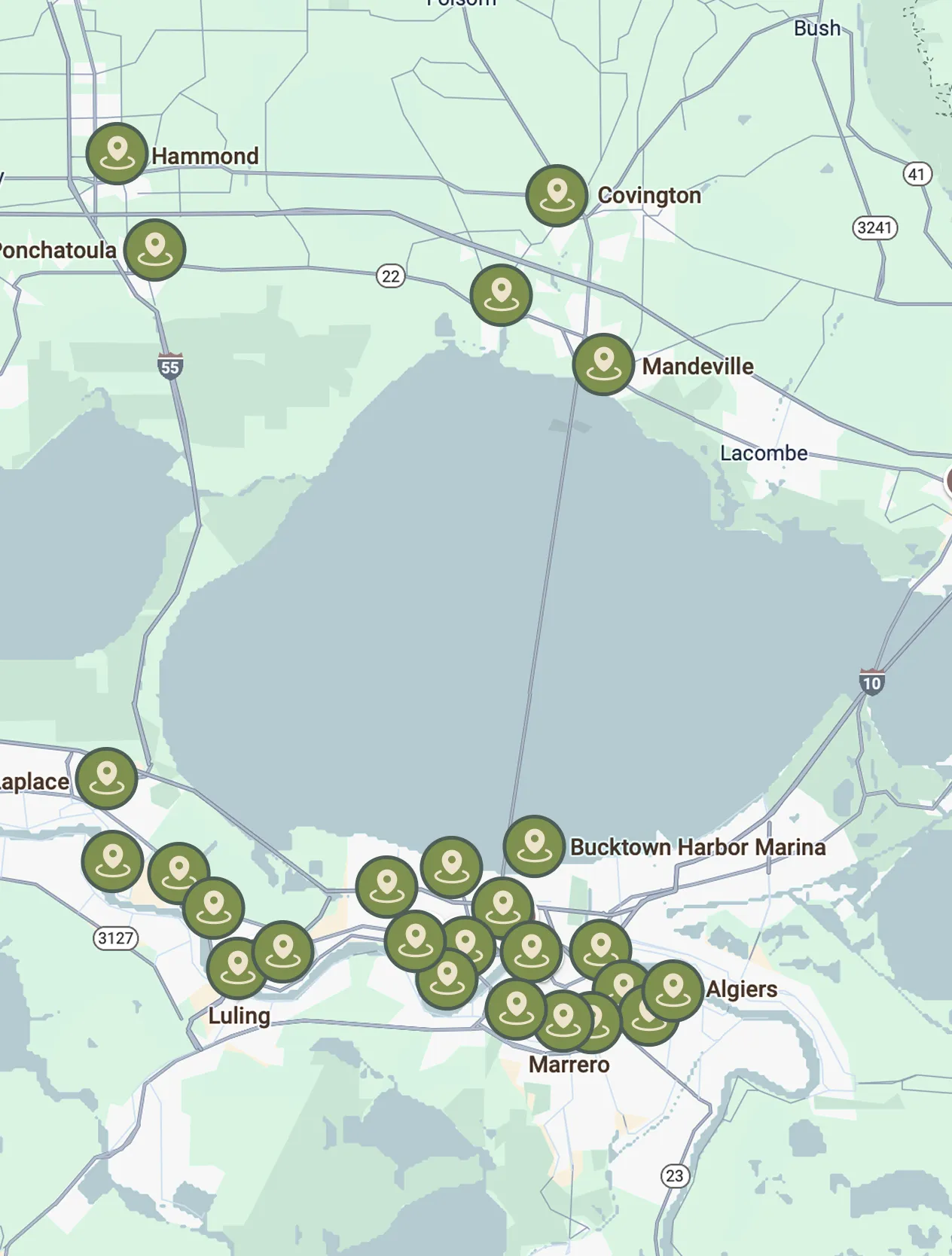
Service areas
Our service areas are designed to meet the diverse needs of our clients. We focus on providing exceptional service and ensuring customer satisfaction in every location we operate.