Air Scrubbers in Marrero, LA
.webp)
If you own a home or business in Marrero, LA, upgrading to air scrubbers is a practical and impactful way to improve your indoor air quality. Here at Cypress Cooling, we install and service a variety of whole house and portable air scrubber technologies, all designed to tackle allergens, volatile organic compounds (VOCs), odors, and airborne pathogens. Given Marrero's humid, subtropical climate, exposure to salt air, seasonal pollen, and the potential for mold growth, integrated air cleaning provides measurable health and comfort benefits. Cypress Cooling believes it's also a smart investment for your property, helping to protect your HVAC equipment and building surfaces.
Air Scrubbers in Marrero, LA
Air scrubbers are a practical, high-impact upgrade for improving indoor air quality in Marrero, LA homes and businesses. At Cypress Cooling Company we install and service a range of whole-house and portable air scrubber technologies designed to reduce allergens, volatile organic compounds (VOCs), odors, and airborne pathogens. Given Marreros humid, subtropical climate, salt air exposure, seasonal pollen, and high mold potential, integrated air cleaning adds measurable health and comfort benefits while protecting HVAC equipment and building surfaces.
Why air scrubbers matter in Marrero, LA
Marrero faces a combination of factors that increase the need for enhanced indoor air quality controls:
- High humidity and frequent storms encourage mold and mildew growth inside attics, crawlspaces, and wall cavities.
- Salt-laden coastal air and industrial emissions can accelerate odor and particulate accumulation on surfaces and inside ducts.
- Pollen seasons and pet ownership contribute to persistent allergen loads in homes and workplaces.
- Older residential construction and mixed-use commercial properties may have aging ductwork and less effective filtration.
Air scrubbers complement existing HVAC filtration by addressing contaminants that standard particle filters cannot remove effectively, such as VOCs, odors, and many microorganisms. Properly specified and professionally installed air scrubbers can reduce occupant symptoms, extend HVAC life, and improve overall indoor air quality.
What is an air scrubber and how does it work?
An air scrubber is a device that reduces airborne contaminants through one or more removal or neutralization mechanisms. Air scrubbers used for residential and commercial HVAC integration typically fall into two categories:
- Whole-house in-duct systems that integrate with the central HVAC air handler and treat all circulated air.
- Portable stand-alone units designed for targeted spaces, remediation events, or temporary use.
Common technologies and how they work:
- Photocatalytic Oxidation (PCO): Uses ultraviolet light in combination with a catalyst to convert VOCs and organic contaminants into harmless byproducts, typically carbon dioxide and water vapor.
- Bipolar Ionization (or Ion Generators): Produces charged ions that attach to particles, causing them to clump and become easier to filter or to inactivate certain pathogens.
- UV-C Germicidal Irradiation: Targets microorganisms by disrupting DNA and RNA, reducing viable bacteria, viruses, and mold spores on surfaces or in passing airflow.
- Activated Carbon/Carbon Impregnated Filters: Adsorb VOCs, smoke, and many odors that particle filters cannot capture.
- HEPA (High Efficiency Particulate Air) filtration: Captures very fine particulate matter, though true whole-house HEPA systems require modifications to airflow and fan capacity.
- Multi-stage systems: Combine technologies, for example ionization or UV with carbon filtration and HEPA, for broader contaminant control.
Each technology has strengths and limitations. For example, HEPA is excellent for particulates but does not remove gases or odors; activated carbon handles gases well but not microorganisms. Professional system design selects complementary technologies based on the clients specific indoor air concerns.
Types and models suited for Marrero homes and businesses
When selecting an air scrubber for a Marrero property, consider the building size, HVAC configuration, occupant sensitivities, and local environmental exposures. Typical options include:
- In-duct whole-house PCO units: Treat all air that passes through the HVAC system without obstructing airflow. Good for homes where VOCs and odors from cooking, cleaning, or nearby industry are a concern.
- In-duct bipolar ionization modules: Retrofit-friendly, they are compact and often mounted near the air handler to reduce particulates and some pathogens as air circulates.
- UV-C air and coil systems: Installed near the coil to reduce microbial growth on the evaporator, improving coil efficiency and indoor air hygiene.
- Stand-alone portable air scrubbers with HEPA and carbon stages: Useful for remediation after water intrusion, for rooms with heavy odor load, or in commercial settings with focused needs.
- Multi-stage professional units: Combine HEPA, activated carbon, UV, and ionization for the broadest contaminant control in sensitive environments like medical offices or commercial kitchens.
Selecting the right brand and model requires matching performance data, verified removal rates, electrical and airflow compatibility, and maintenance requirements to the propertys needs.
Compatibility with residential and commercial HVAC systems
Air scrubbers can be integrated into most modern residential and commercial HVAC systems, but compatibility checks are essential:
- Airflow and static pressure: Some filtration media, like high-MERV or HEPA, increase static pressure. The air handler fan must have capacity to maintain adequate airflow. Many in-duct air scrubbers are designed to avoid major pressure drops.
- Physical space: In-duct options need enough straight duct length and access near the return or air handler. Smaller units may be mounted inside the plenum or on the return duct.
- Electrical requirements: UV and ionization modules require power near the air handler. Some units operate on low-voltage control circuits, while others need line voltage.
- Control integration: Professional installation can integrate scrubber operation with HVAC controls so the device runs when the system circulates air, maximizing effectiveness and efficiency.
- Commercial systems: Larger rooftop units and multi-zone systems may need multiple modules or dedicated air handling solutions to ensure even treatment across zones.
A qualified technician from Cypress Cooling Company completes a site assessment, measuring airflow, inspecting duct condition, and recommending units that maintain system performance while delivering targeted indoor air improvements.
Professional installation process and sizing considerations
Professional installation ensures safe, effective, and code-compliant integration of an air scrubber. Key steps include:
- Site assessment: Inspect the HVAC system, measure airflow and static pressure, evaluate duct layout, and identify contaminants of concern. In Marrero, special attention is given to mold-prone areas and recent water intrusion.
- Sizing: Select a unit rated for the homes or buildings cubic footage and HVAC airflow (CFM). Whole-house systems are sized to treat the volume of air moved by the air handler while portable units are sized by room volume and desired air changes per hour.
- Model selection: Choose technologies and configurations that address specific issues such as VOCs, odors, allergens, or microbial control. Consider combined-stage solutions if multiple contaminant types are present.
- Mounting and integration: Secure the unit within ductwork or on the air handler, connect electrical power, and install any required bypass or access panels. For UV installations near the coil, technicians ensure safe placement and shielding to protect occupants and service staff.
- Commissioning: Verify airflow, measure static pressure, and confirm the unit operates within manufacturer specifications. Technicians may perform initial performance checks, such as verifying UV lamp output or ionization current.
- Documentation and owner briefing: Provide clear guidance on maintenance tasks, filter replacement intervals, and safety precautions relevant to the chosen technology.
Professional installation avoids common pitfalls like reduced system airflow, improper lamp placement, or ineffective placement relative to the HVAC circulation path.
Maintenance, replacement schedules, and performance monitoring
Different air scrubber technologies have distinct maintenance needs. Regular maintenance ensures continued performance and avoids unintended side effects.
Typical maintenance guidelines:
- UV lamps: Replace annually or per manufacturer hours because UV output declines with use, reducing germicidal effectiveness.
- Activated carbon filters: Replace based on odor breakthrough and manufacturer guidance. High VOC or odor environments may require more frequent replacement.
- HEPA or high-MERV filters: Inspect every 3 to 6 months and replace when loading increases pressure drop. HEPA may require professional access considerations.
- Ionization modules: Periodic cleaning and electrode replacement may be required. Follow manufacturer cleaning procedures to maintain ion output and prevent ozone generation in older designs.
- Complete system inspection: Schedule annual or biannual inspections to check electrical connections, verify airflow, assess duct cleanliness, and ensure the unit is free of debris.
Performance monitoring options:
- Visual and sensory checks: Noticing fewer odors, reduced dust deposition, and fewer allergy symptoms are useful practical indicators.
- Professional testing: Indoor air quality testing for particulates, VOCs, or microbial load before and after installation can document effectiveness.
- Mechanical checks: Pressure and airflow measurements during maintenance visits confirm the system is operating within design parameters.
Routine maintenance in Marrero should also include checks after storm events or periods of high humidity, since water intrusion and mold risks increase during such events.
Performance benefits: what you can expect
Air scrubbers deliver measurable improvements when matched to the right contaminant profile and installed correctly. Common performance benefits include:
- Allergen reduction: Decreased levels of pollen, pet dander, and fine dust, which lowers triggers for allergy and asthma sufferers.
- VOC and odor control: Chemically active stages like activated carbon or PCO reduce smells from cooking, paint, cleaners, and nearby industrial sources.
- Reduction of microbial load: UV-C and PCO reduce viable mold, bacteria, and some viruses in airborne and surface contexts when sized for the application.
- Less visible dust and cleaner surfaces: By reducing suspended particulates, occupants often notice less settling dust on furniture and surfaces.
- Extended HVAC efficiency and lifespan: Cleaner coils and reduced particulate loading on the air handler help the system run more efficiently and require less frequent deep duct cleaning.
- Improved comfort and perceived air freshness: Especially in humid coastal climates, eliminating stale odors and microbial sources enhances overall indoor comfort.
While no single air scrubber removes every contaminant, combined-stage systems and professional design bring broad-spectrum improvements appropriate for Marrero homes and businesses.
Safety considerations and common misconceptions
Understanding limitations and safe use of air scrubbers prevents disappointment and potential hazards:
- Not a replacement for ventilation: Air scrubbers improve indoor air quality but do not substitute for adequate ventilation with outdoor air when needed.
- Ozone concerns: Some older ionization and electrostatic systems can produce ozone. Modern bipolar ionization units and reputable manufacturers design to minimize ozone production. Professional selection emphasizes low-ozone or ozone-free options.
- Filter restrictions: Installing very dense filters without compensating fan capacity can reduce airflow and HVAC efficiency. Professionals account for static pressure and air handler capability.
- Maintenance is mandatory: Performance degrades without scheduled lamp and filter changes or cleaning. Budget for ongoing service to keep systems effective.
- Not an instant cure for existing mold infestations: Air scrubbers help reduce airborne spores but a significant mold problem requires source remediation, drying, and repair of the underlying moisture issue.
Cypress Cooling Company evaluates these factors and recommends solutions that meet the needs of Marrero occupants while prioritizing safety and performance.
Warranty, financing, and long-term value
Most reputable air scrubber manufacturers and professional installers provide warranties that cover defects, parts, and in some cases labor for specified periods. Typical warranty coverage addresses:
- Manufacturer component warranty: Covers defects in the unit and electrical components for the period specified by the manufacturer.
- Lamp and consumable items: UV lamps and filters commonly have separate replacement recommendations rather than long-term warranties.
- Installation workmanship: Professional installers may offer limited warranty terms on installation work or integration with the HVAC system.
Financing and payment options vary by installer. Many property owners choose financing or payment plans to spread the investment over time, especially when combining air scrubber installation with other HVAC upgrades like new air handlers or duct improvements.
When evaluating long-term value, consider:
- Health and productivity benefits: Fewer allergy symptoms, reduced sick days at home or work, and better sleep quality can translate into meaningful benefits over time.
- Energy and maintenance savings: Cleaner coils and reduced particulate loading can improve system efficiency and reduce repair frequency.
- Property protection: Reducing VOCs, odors, and microbial growth helps protect finishes, fabrics, and stored items from degradation.
Cypress Cooling Company advises clients on warranty terms and maintenance schedules, and explains financing pathways and long-term return on investment in practical terms tailored to Marrero properties.
Typical use cases and problem scenarios
Air scrubbers are chosen for many specific scenarios in Marrero and similar coastal communities:
- Homes with persistent indoor odors from cooking, pets, or nearby industry.
- Properties with a history of water intrusion or visible mold where airborne spores are a concern.
- Households with allergy or asthma sufferers seeking reduced triggers.
- Commercial kitchens, clinics, multifamily buildings, or offices where indoor air quality is a regulatory or reputational concern.
- Renovations and remodeling projects where paint, adhesives, and VOCs increase indoor contaminant loads.
Matching the technology to the problem, such as carbon filtration for odors or UV for microbial control, ensures the system addresses the primary indoor air quality drivers in each situation.
How to gauge success after installation
Evaluate system performance through a mix of objective checks and occupant feedback:
- Air quality testing: Independent pre- and post-installation measurements of particulates, VOCs, or microbial indicators provide the most definitive evidence.
- HVAC performance metrics: Monitoring energy consumption and airflow can indicate reduced strain on the air handler following cleaner coils and better filtration.
- Occupant experience: Fewer allergy symptoms, less odor, and cleaner surfaces are meaningful indicators of improvement.
- Maintenance records: Adherence to scheduled filter and lamp replacement maintains consistent performance and validates system longevity.
A documented maintenance plan and periodic inspections help ensure that the initial performance gains persist over time.
OUR CLIENTS HAVE TO SAY ABOUT US



Service areas
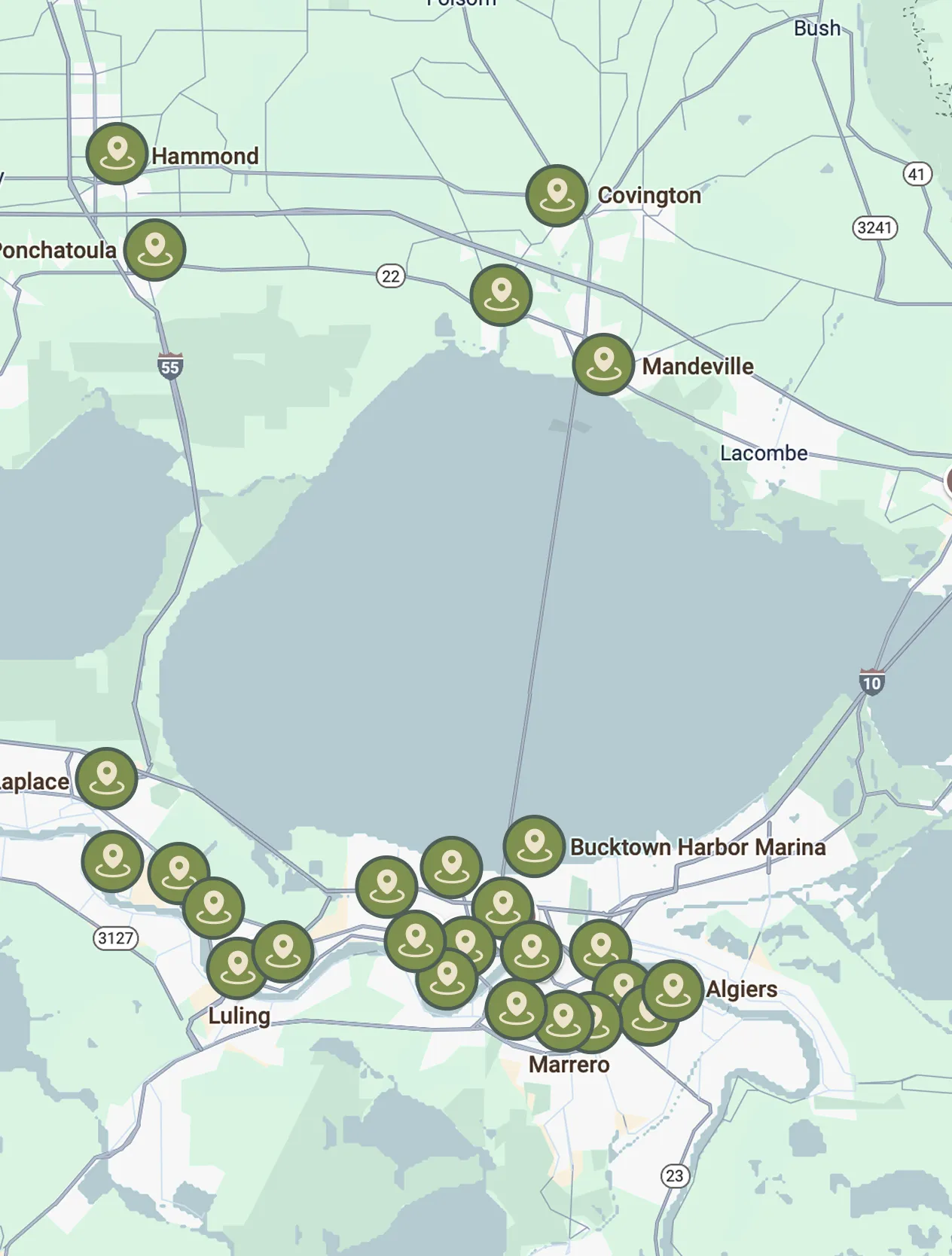
Our service areas are designed to meet the diverse needs of our clients. We focus on providing exceptional service and ensuring customer satisfaction in every location we operate.