Air Scrubbers in Madisonville, LA
.webp)
Indoor air quality is a major concern for homeowners and businesses in Madisonville, LA. High humidity, coastal breezes, heavy pollen seasons, and occasional smoke from regional wildfires can create an indoor environment that aggravates allergies, triggers asthma, encourages mold growth, and reduces overall comfort. Air scrubbers are a proven method to reduce airborne contaminants at the source and within your HVAC system, improving breathing comfort, protecting home surfaces, and helping your HVAC equipment run more efficiently. Cypress Cooling provides expert guidance on how air scrubbers work, how they integrate with existing HVAC systems in Madisonville homes, what to expect during installation and maintenance, and how to choose the right technology and brand for lasting results.
Air Scrubbers in Madisonville, LA
Indoor air quality is a critical concern for Madisonville, LA homeowners and businesses. High humidity, coastal breezes, heavy pollen seasons, and the occasional smoke from regional wildfires or nearby prescribed burns combine to create an indoor air environment that can aggravate allergies, trigger asthma, encourage mold growth, and reduce overall comfort. Air scrubbers are a proven way to reduce airborne contaminants at the source and inside your HVAC system, improving breathing comfort, protecting home surfaces, and helping HVAC equipment run more efficiently. Cypress Cooling Company provides practical, expert guidance about how air scrubbers work, how they integrate with existing HVAC systems in Madisonville homes, what to expect from installation and maintenance, and how to choose the right technology and brand for lasting results.
Why air quality matters in Madisonville, LA
Madisonville sits in a humid subtropical climate with long, hot summers and mild winters. Periods of elevated humidity and storm events increase the risk of indoor mold and mildew. The area also experiences significant tree pollen and seasonal agricultural allergens. Many homes in the region are designed to be tightly sealed for energy efficiency, which can trap indoor pollutants including cooking particulates, pet dander, volatile organic compounds VOCs from household products, and odors. Proper ventilation helps, but when outdoor air is contaminated or when you need active removal of particles and chemicals, an air scrubber provides targeted filtration and purification that works continuously with your HVAC system.
Common indoor air problems in Madisonville, LA homes
- Elevated humidity encouraging mold spores and dust mite activity
- Seasonal pollen infiltration during spring and fall
- Smoke and odor from regional wildfire events or local burns
- Persistent cooking odors, VOCs from paints and cleaners, and off gassing
- Pet dander and hair contributing to allergies and asthma symptoms
- Poor ventilation in older or tightly sealed homes leading to stale air
- HVAC ducts that re-circulate contaminants without effective filtration
Understanding which of these problems affect your home helps determine the best air scrubber technology and system placement. Cypress Cooling Company evaluates local conditions and indoor complaints when recommending solutions.
What is an air scrubber and how does it improve indoor air quality
An air scrubber is a device that removes airborne contaminants from the circulating air in a building. Unlike a single-point air purifier, many air scrubbers are designed to work in-line with an HVAC system, treating the air for the whole home while the system runs. Air scrubbers reduce particle counts, neutralize odors, decrease microbial loads, and capture VOCs depending on the technology used. For Madisonville residents, that means fewer allergens during pollen season, less mold spore recirculation during humid months, and reduced smoke or odor impacts during regional events.
Key benefits include:
- Removal of allergens such as pollen, dust, and pet dander
- Reduction of mold spores and microbial activity on surfaces and in ducts
- Capture and neutralization of smoke particles and associated odors
- Reduced levels of volatile organic compounds from household products
- Overall improvement in perceived air freshness and comfort
- Potential to reduce HVAC load and improve system longevity by keeping components cleaner
Common air scrubber technologies and how they compare
Selecting the proper technology is essential because each approach targets different contaminants. Below are the most common technologies used in whole-home air scrubbers and a simple explanation of what they do.
- HEPA filtration
- Captures 99.97 percent of particles down to 0.3 microns.
- Excellent for removing pollen, dust, and pet dander.
- Does not remove gases or kill microbes by itself; used in conjunction with other technologies when needed.
- Activated carbon filtration
- Adsorbs odors and many VOCs.
- Effective for smoke, cooking odors, and chemical smells.
- Requires periodic media replacement when saturated.
- Ultraviolet germicidal irradiation UVGI
- Uses UV-C light to inactivate bacteria, viruses, and mold spores.
- Works best when positioned where air stream passes close to the light; not a particle filter.
- Often used alongside HEPA or carbon.
- Photocatalytic oxidation PCO
- Combines UV light and a catalyst like titanium dioxide to break down VOCs and microbes.
- Can reduce odors and organic chemicals when designed well.
- Performance varies by design and air contact time.
- Bipolar ionization / needlepoint ionization
- Generates ions that attach to particles, causing them to aggregate and fall out of the air or be captured more easily by filters.
- Can reduce certain VOCs and microbial loads.
- Requires proper sizing and validation; some designs have raised concerns around ozone generation, so certified low-ozone units are preferred.
- Electronic air cleaners / electrostatic precipitators
- Use electric charge to capture particles on collector plates.
- Effective for particles but generally require regular cleaning of the plates.
- Some older models can produce ozone; modern certified systems are designed to minimize emissions.
Each technology has strengths and limitations. In Madisonville, a combined approach is often best: a high-efficiency particle filter or HEPA element for particulates, activated carbon for odors and VOCs, and UVGI or validated ionization for microbial control. Cypress Cooling Company reviews indoor complaints, home layout, and existing HVAC configuration to recommend the right mix.
How air scrubbers integrate with existing HVAC systems
Air scrubbers can be installed in different ways depending on the home and HVAC equipment:
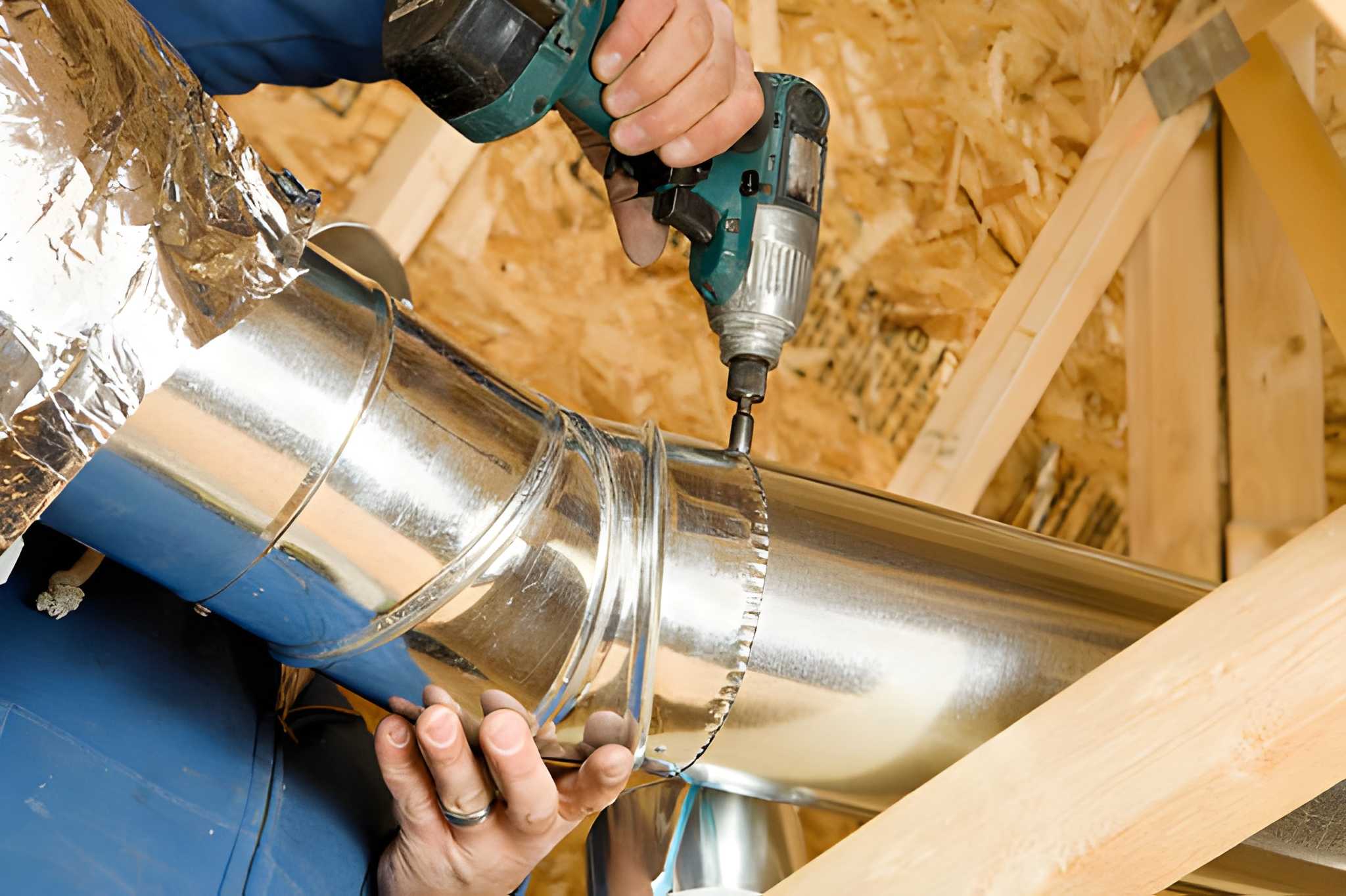
- In-duct whole-house units
- Installed directly in the return or supply plenum of the HVAC system.
- Treats all air passing through the system while it is running.
- Offers whole-house coverage without additional floor-standing equipment.
- Return-vent mounted units
- Smaller units that mount at a primary return grill.
- Easier to install in many existing systems and still provide broad coverage.
- Stand-alone portable units
- Useful for spot treatment in a single room but do not provide whole-home protection.
- May supplement in-duct systems during high pollution events.
Sizing and placement guidance
- Match air scrubber capacity to the HVAC system and home size.
- Units are rated by airflow capacity (CFM) and contaminant removal efficiency.
- For whole-home performance, the air scrubber should handle the peak airflow produced by your furnace or air handler.
- Install in the return plenum for the most effective whole-house treatment.
- Returning air contains contaminants pulled from every room, providing efficient processing before conditioned air is delivered.
- Avoid placement where high moisture can affect electronics unless the unit is rated for it.
- In Madisonville, where humidity is high, select units with protective coatings or humidity-tolerant designs.
- Consider multi-stage installations for homes with specific needs.
- Example: HEPA plus activated carbon plus UV in sequence for allergen, odor, and microbial control.
Cypress Cooling Company evaluates ductwork layout, air handler size, and occupancy patterns to determine optimal placement and capacity for a given Madisonville home.
Sizing, selection, and performance expectations
Proper sizing and realistic performance expectations make the difference between perceived success and disappointment.
- Calculate home airflow needs
- Use HVAC system rated airflow and home square footage to estimate how frequently the air scrubber will cycle the house air.
- A system that cycles whole-house air multiple times per hour provides faster contaminant reduction.
- Understand removal targets
- Particulates: A properly sized HEPA or high-efficiency filter can reduce indoor particle counts by 80 to 99 percent depending on run time and air exchange rates.
- VOCs and odors: Activated carbon reduces many VOCs, with performance dependent on media volume and contact time. Expectations should be set for incremental improvements rather than instant elimination for high sources.
- Microbes: UVGI and validated PCO systems can significantly reduce viable microbial counts in the airstream and on coil surfaces, which helps with mold control but does not sterilize a space.
- Time to noticeable improvement
- You may notice reduced odors and smoother breathing within hours for point-source issues.
- Significant reductions in airborne particulates and pollen typically occur within 24 to 72 hours of consistent HVAC operation with an in-duct system.
- Mold spore reductions and improvements in surface mold conditions are more gradual and often require humidity control along with air treatment.
- Measure and verify
- Consider particle counter readings or indoor air quality tests before and after installation to quantify improvements.
- Monitoring helps validate performance in the Madisonville environment and adjust operating schedules if needed.
Installation process and what to expect
A professional installation ensures safety, performance, and compatibility with existing equipment. Typical steps include:
- On-site evaluation
- Assess HVAC equipment, return plenum, duct layout, and electrical access.
- Identify specific indoor air complaints and any evidence of mold or duct contamination.
- Unit selection and sizing
- Select an air scrubber model designed to work with the system airflow and address target contaminants.
- Installation
- Mount the unit in the return plenum, at the return grill, or as specified.
- Make necessary electrical connections to power the unit and, where applicable, to the HVAC fan so the scrubber runs with the system.
- Ensure secure sealing of ducts around the unit to prevent bypass.
- Commissioning
- Verify operation, check airflow, and confirm there are no unusual sounds or odors.
- Provide homeowner guidance on operating patterns, filter replacement intervals, and integration with HVAC controls.
Because Madisonville homes often face high humidity, Cypress Cooling Company inspects for potential moisture pathways and ensures installations minimize any risk of corrosion or performance loss due to moisture exposure.
Routine maintenance and service intervals
Air scrubbers require regular maintenance to sustain performance. The intervals depend on the technology used, home conditions, and local pollutant loads.
- HEPA and particle filters
- Inspect every 6 months in typical households.
- Replace every 12 to 24 months depending on loading and occupancy. Homes with pets or heavy pollen may need more frequent replacement.
- Activated carbon media
- Replace every 6 to 12 months in high-odor or high-VOC homes.
- Media bed size affects lifespan; heavily contaminated homes will shorten service intervals.
- UV lamps
- Replace annually in most systems to maintain germicidal intensity.
- Clean protective quartz sleeves periodically if present.
- Ionization or electronic collectors
- Clean collector plates or electrodes every 3 to 6 months.
- Schedule professional inspection annually to check emissions and performance.
- Annual professional checkup
- Validate system performance, inspect electrical connections, and confirm the unit is not producing ozone or other byproducts above recommended levels.
- Clean duct surfaces and check for any new moisture or mold hotspots in the system.
Regular maintenance protects indoor air improvements and prevents reduced performance that can result from saturated carbon media, clogged filters, or dirty collector plates. Cypress Cooling Company provides maintenance recommendations tailored to local conditions in Madisonville, including higher frequency during pollen season or after storm events that elevate indoor moisture.
Expected performance improvements and measurable outcomes
After a correctly sized and installed air scrubber system, homeowners in Madisonville can reasonably expect:
- Significant reduction in airborne pollen and dust, often measurable as a 50 to 95 percent drop in particle counts depending on runtime and filtration level.
- Noticeable reduction in odors and cooking or smoke smells within hours to days, depending on VOC load and carbon media capacity.
- Fewer visible dust layers and less frequent HVAC filter clogging when particulate filtration is included.
- Reduced microbial load in the airstream and on the cooling coil when UVGI or validated microbial technologies are used, which can help reduce mold regrowth and maintain coil efficiency.
- Enhanced overall comfort, fewer allergy symptoms for sensitive occupants, and potentially lower HVAC operating stress because equipment stays cleaner.
It is important to align expectations with the source of the contamination. For example, persistent indoor sources of VOCs such as ongoing painting or new furniture will continue to off-gas until the source diminishes, so air scrubbers help manage exposure but do not eliminate off-gassing at the source.
Warranty and brand options
Choosing a reputable brand with solid warranty coverage and local service support is important for long-term satisfaction. When evaluating options for Madisonville homes, consider:
- Manufacturer warranty for the unit and components
- Typical warranties cover defects for one to five years, with extended warranties available for certain brands or components.
- Verify what is covered: electronics, lamps, housing, and replaceable media may have different warranty terms.
- Availability of replacement parts and filters locally
- Brands with a strong distribution presence make routine maintenance easier and faster.
- Local service availability ensures timely maintenance after coastal storms or during peak pollen seasons.
- Certifications and emissions testing
- Choose systems tested for low ozone emissions and validated performance by independent labs.
- Look for compliance with recognized indoor air quality standards.
- Service support
- Local HVAC providers familiar with Madisonville humidity and air quality challenges can recommend brands that hold up well in this climate.
- Consider warranty support that includes local technician network maintenance.
Cypress Cooling Company often works with several leading air scrubber brands to match technology and warranty options to homeowner needs in Madisonville. Comparing warranties side by side and confirming local parts availability helps avoid future service delays.
Long-term strategies and combined solutions
Air scrubbers are highly effective when combined with other strategies:
- Maintain proper humidity control
- Use dehumidification to keep indoor relative humidity below 60 percent to limit mold growth and dust mite activity.
- Seal and insulate ducts
- Prevent outdoor pollen and dust from entering the system through leaky ducts.
- Source control
- Reduce indoor VOCs by choosing low-VOC products and limiting indoor smoking.
- Regular HVAC service
- Clean coils and change primary filters to maintain system efficiency and airflow for optimal air scrubber performance.
Integrating an air scrubber into a broader indoor air quality plan yields the best results in Madisonville where humidity and pollen are recurring challenges.
Q: How do I know if an in-duct air scrubber is better than a portable unit for my Madisonville home?A: An in-duct air scrubber provides whole-house coverage by treating air whenever the HVAC system runs and is generally preferred for consistent, homewide contaminant reduction. Portable units can help treat a single room or supplement an in-duct system, but they do not provide continuous whole-home protection. Consider house size, HVAC runtime, and specific problem areas when choosing.
Q: Will an air scrubber eliminate mold problems in my home?A: Air scrubbers help reduce airborne mold spores and can lower microbial load on surfaces when combined with UV or validated technologies. However, they do not address the root cause of mold such as water intrusion or high humidity. Effective mold control requires moisture management, source repair, and sometimes targeted remediation along with air treatment.
Q: How often should filters and media be replaced in the Madisonville climate?A: Typical intervals are 6 to 12 months for activated carbon and 12 to 24 months for HEPA in normal households. In Madisonville, higher pollen seasons and indoor humidity may require more frequent inspections and replacements. Annual professional checkups provide a tailored schedule.
Q: Do ionizers produce ozone and is that a concern?A: Some older or poorly designed ionizers can generate ozone. Choose certified low-ozone models and consult manufacturer test data. Cypress Cooling Company recommends technologies with validated low emissions and performs post-installation checks when indicated.
Q: Will installing an air scrubber reduce energy costs for my HVAC system?A: Indirectly yes. By keeping coils and duct surfaces cleaner, an air scrubber can help HVAC equipment run more efficiently and maintain heat transfer performance. However, energy savings depend on system condition, filter maintenance, and runtime. Air scrubbers themselves use some electricity to operate.
Q: Can air scrubbers remove VOCs from paint and new furniture?A: Activated carbon and certain PCO systems can reduce many VOCs, but performance depends on media volume and contact time. Air scrubbers help manage exposure but are not a complete substitute for source control like ventilation and selecting low-VOC materials.
Q: Are there any health risks from air scrubber technologies?A: Reputable manufacturers design systems to avoid harmful byproducts. Avoid units that emit ozone above recommended levels. Proper installation and verified low-emission models mitigate health risks. Professional evaluation ensures the chosen technology is appropriate for your household.
Q: How long after installation will I notice improvement in air quality?A: Some improvements, such as reduced odors, can be noticeable within hours. Particle reductions and allergy symptom relief typically become evident within 24 to 72 hours of continuous HVAC operation with an in-duct system. Microbial reductions and surface improvements may take longer and should be combined with humidity control.
Q: Can I add an air scrubber to any existing HVAC system?A: Many modern systems can accept an in-duct unit or a return-mounted unit, but compatibility depends on available space, airflow, and electrical access. A professional assessment determines feasibility and recommends any modifications needed for optimal performance.
Q: What should I expect from the professional installation process in Madisonville?A: Expect a site evaluation, system selection based on home size and complaints, careful installation in the return plenum or at the return grill, electrical connections, and commissioning. The installer should explain maintenance intervals, filter types, and how the system will operate with your HVAC.
Cypress Cooling Company draws on local experience to recommend technologies, brands, and maintenance patterns that match Madisonville, LA conditions. Properly selected and installed air scrubbers provide measurable improvements in indoor air quality, helping occupants breathe easier, reduce allergy triggers, and protect homes and HVAC equipment from the effects of high humidity and airborne contaminants.
OUR CLIENTS HAVE TO SAY ABOUT US



Service areas
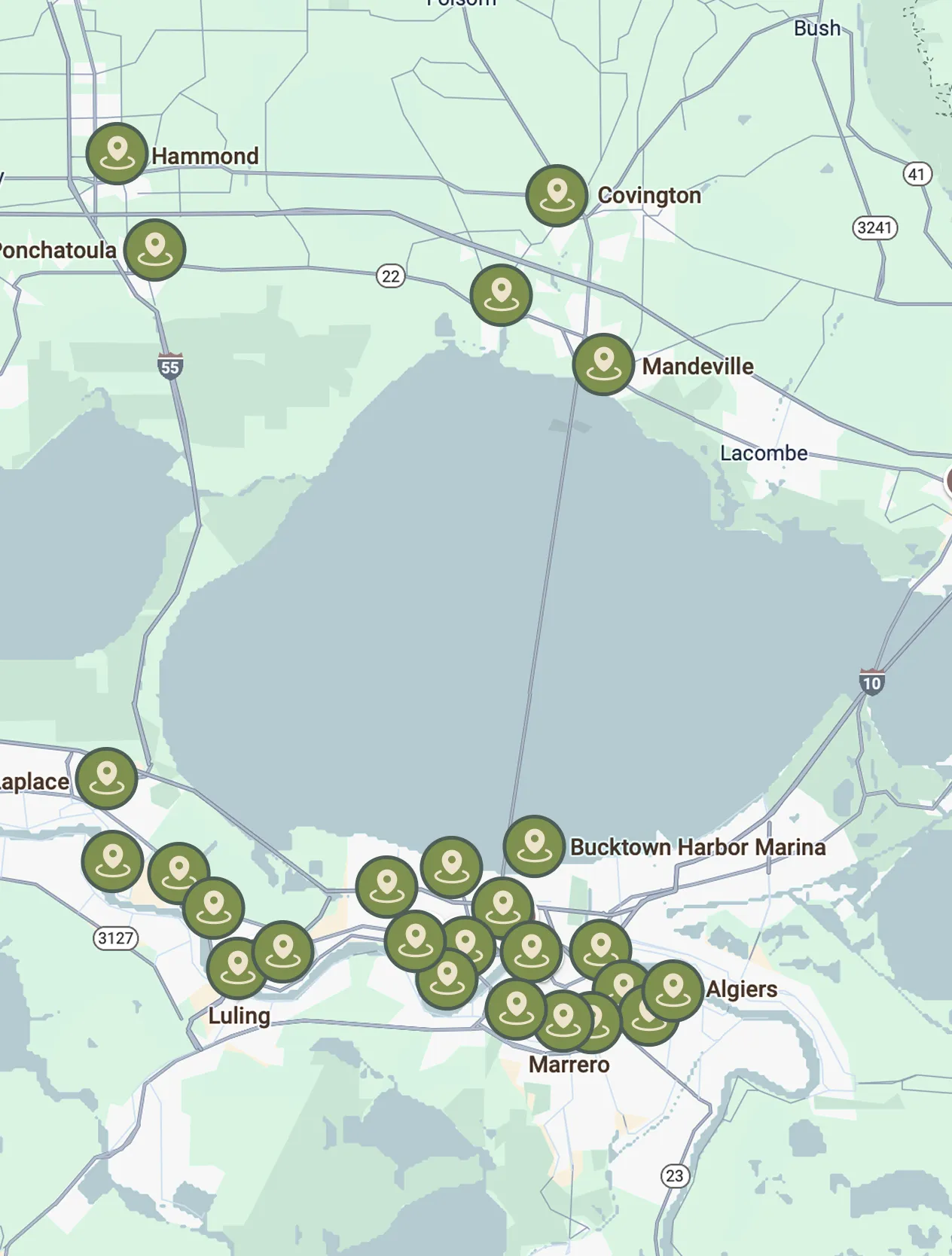
Our service areas are designed to meet the diverse needs of our clients. We focus on providing exceptional service and ensuring customer satisfaction in every location we operate.