Air Scrubbers in Laplace, LA
.webp)
Indoor air quality significantly impacts comfort, health, and the long term performance of your HVAC system in Laplace, LA homes. Given our high humidity, seasonal pollen, mold risks after heavy rains, and even localized odors from cooking, pets, or nearby industry, air scrubber systems can offer noticeable improvements in air cleanliness and odor control when integrated with your home's heating and cooling. At Cypress Cooling, we understand these challenges and want to help you find the right solution. We'll explain the different types of air scrubbers available, how they connect to your existing system, the benefits you can expect regarding allergies and odors, guidance on installation and sizing, routine maintenance requirements, performance specifications for comparison, warranty and financing options, and what you can typically expect during a local estimate in Laplace. Let Cypress Cooling help you breathe easier!
Air Scrubbers in Laplace, LA
Indoor air quality directly affects comfort, health, and long term HVAC performance in Laplace, LA homes. With high humidity, seasonal pollen, mold risk after heavy rains, and localized odors from cooking, pets, or nearby industry, air scrubber systems can provide measurable improvements in air cleanliness and odor control when integrated with your home HVAC. Cypress Cooling Company explains the types of air scrubbers available, how they connect to existing systems, what benefits you can expect for allergies and odors, installation and sizing guidance, routine maintenance needs, performance specifications to compare, warranty and financing considerations, and what typically happens during a local estimate in Laplace.
Why Air Scrubbers Matter in Laplace, LA
Laplace experiences a warm, humid climate much of the year. Higher humidity and frequent wet weather increase the likelihood of biological growth such as mold and mildew in ducts, crawlspaces, and on building materials. At the same time, Gulf Coast pollen, grass and oak pollens, and particulate from road dust can make indoor air quality worse. Standard HVAC filtration reduces some particles, but air scrubbers add targeted technologies that go beyond typical filters, addressing gases, odors, microbes, and ultrafine particles that aggravate allergies, asthma, and general discomfort.
Cypress Cooling Company understands these local challenges and installs systems chosen to perform in humid, high-allergen environments while minimizing maintenance impacts on your HVAC system.
Types of Air Scrubbers and How They Work
Choosing the right air scrubber depends on the indoor contaminants you want to remove. Below are the most common technologies used in whole-home, in-duct systems.
- Electrostatic Precipitators
- How they work: Use an electrostatic charge to attract and capture particles onto collector plates or filters.
- Best for: Capturing pollen, dust, pet dander, and smoke particles. Effective at removing submicron particles when properly maintained.
- Pros: Long-life metal collection plates with periodic cleaning; low replacement filter cost.
- Cons: Collector plates require regular cleaning; older designs may produce trace ozone if not certified to low-ozone standards.
- Adsorption and Chemical Filtration (Activated Carbon and Chemisorption)
- How they work: Pass air through media such as activated carbon or impregnated sorbents that physically adsorb or chemically bind volatile organic compounds (VOCs), odors, and gaseous contaminants.
- Best for: Eliminating cooking odors, tobacco smoke residues, VOCs from household products, and pet odors.
- Pros: Strong odor and gas removal capability; complementary to particulate filtration.
- Cons: Media eventually saturates and needs periodic replacement; performance varies by media thickness and contact time.
- UV and Photocatalytic Oxidation (PCO)
- How they work: UV lamps irradiate a photocatalyst such as titanium dioxide to produce reactive species that oxidize organic contaminants, microbes, and some VOCs.
- Best for: Reducing microbial populations on surfaces and in HVAC coils, helping inhibit mold and bacteria growth.
- Pros: Continuous disinfection of coil surfaces and drain pans; can reduce biological regrowth inside the system.
- Cons: PCO effectiveness on VOCs is limited unless designed with appropriate residence time and catalyst surface; UV lamps require periodic replacement.
Many effective installations combine technologies: particulate capture via high-efficiency filters or electrostatic collection, activated carbon for odors and VOCs, and UV for microbial control. Cypress Cooling Company evaluates your home environment to recommend the right mix.
How Air Scrubbers Integrate with Existing HVAC Systems
Most whole-home air scrubbers are designed to integrate with the return duct or air handler near the furnace or air handler unit. Common integration considerations include:
- Location: Installing the scrubber in the main return plenum or at the air handler maximizes contact with the whole-house airflow. Mounted upstream of the air handler allows the system to treat air before it circulates through the coils and ductwork.
- Airflow and Static Pressure: Any in-duct system adds some resistance. Proper selection ensures the static pressure increase stays within your HVAC blower capacity to avoid reduced airflow and comfort issues.
- Electrical Requirements: Scrubbers require a power connection; most systems draw modest power similar to small appliances. Installation typically uses a 120V branch circuit or draws power from the air handler with a relay.
- Controls and Integration: Many modern scrubbers connect to the HVAC control circuit or include built-in controls and timers. Some models can be set to run continuously, on demand during programmed cycles, or triggered by an IAQ sensor.
- Compatibility: Split systems, packaged units, and heat pumps are all compatible when the scrubber is sized correctly and installed by a trained technician to avoid voiding equipment warranties.
Cypress Cooling Company technicians assess your duct layout, blower capacity, and electrical access to specify placement and configuration that maximizes effectiveness without compromising HVAC performance.
Benefits for Allergy and Odor Reduction
Air scrubbers provide targeted improvements you will notice in daily living:
- Reduced airborne allergens: Pollen, dust mites, pet dander, and many mold spores are captured or neutralized, producing measurable reductions in allergy symptoms for many residents.
- Odor control: Activated carbon and chemisorption systems adsorb and remove persistent odors from cooking, pets, and paints or cleaners, improving perceived indoor freshness.
- Microbial control: UV and some PCO systems reduce microbial loading on coils and drain pans, lowering the chance of musty smells and mold growth inside the system—particularly important in Laplace where humidity promotes microbial growth.
- Cleaner HVAC components: By targeting particulates and biological growth, scrubbers help keep coils and fans cleaner, preserving efficiency and lowering long-term maintenance needs.
- Smoke and VOC reduction: While no single system removes 100 percent of VOCs or smoke, combining particulate capture with carbon adsorption and appropriate oxidation technologies can significantly reduce both visible smoke and lingering odors.
Realistic expectations: Performance depends on system choice, home airtightness, and pollutant sources. A well-installed, correctly sized system can reduce particulates and allergens by a large percentage in a single pass and produce noticeable odor reduction over days to weeks of continuous operation.
Installation and Sizing Guidance
Proper sizing is a crucial element for performance. Sizing involves several factors:
- Home square footage and volume: Larger homes or homes with open floor plans may need more treatment capacity or multiple units.
- HVAC system airflow (CFM): Scrubber performance is tied to the air handler’s cubic feet per minute. Systems must be matched to this flow to ensure sufficient contact time without excessive pressure drop.
- Source of contaminants: Homes with residents who smoke, have pets, severe allergies, or frequent cooking may benefit from higher-capacity systems or additional carbon media.
- Duct layout and compartmentalization: Homes with multiple HVAC zones or long duct runs may not achieve uniform treatment from a single in-duct unit; zoning or supplemental units may be recommended.
- Indoor activities and occupancy: More occupants and high-activity homes generate more particulates and VOCs.
Typical installation steps:
- Initial assessment of HVAC specifications, ductwork, and indoor environment.
- Selection of system type and model based on contaminants and CFM.
- Placement planning: return plenum or near air handler for whole-home coverage.
- Installation: secure mounting, electrical connection, and integration with blower controls.
- Commissioning: verify airflow, check pressure changes, and confirm controls and timers.
- Owner orientation on operating modes and maintenance needs.
Cypress Cooling Company provides professional sizing assessments to balance performance with HVAC compatibility.
Routine Maintenance and Filter Replacement Needs
Maintenance requirements vary by technology but are essential to sustained performance.
- Electrostatic collectors: Require cleaning at intervals depending on contaminant load. In Laplace, heavy pollen or high pet dander can push cleaning to every 1 to 3 months; in lower-occupancy homes, 3 to 6 months may be sufficient.
- Pre-filters and particulate filters: Many systems use a disposable pre-filter to capture large debris and protect the collection media. Replace pre-filters on the same cycle as your regular HVAC filter, often every 1 to 3 months in high-use seasons.
- Activated carbon cartridges: Replace intervals vary widely by exposure to VOCs and odors. Typical replacement ranges from 6 to 12 months for average homes; homes with heavy odor loads may need more frequent replacement.
- UV lamps: Most UV lamps lose effective intensity after 12 to 24 months and should be replaced per manufacturer recommendations to maintain disinfection performance.
- System cleaning and inspection: Annual check-ups should include verifying seals, electrical connections, and any buildup on collectors or catalysts.
Signs you need maintenance:
- return or supply odors return or worsen
- decline in allergy symptom improvement
- visible dust accumulation on vents or coil surfaces
- increased static pressure or reduced airflow
Routine maintenance maintains system efficiency, helps protect HVAC equipment, and preserves indoor air improvements.
Performance Specifications to Compare
When comparing air scrubbers, evaluate measurable specifications rather than marketing claims:
- Single-pass efficiency: Percent of particles removed on one pass through the unit at system CFM. Higher single-pass efficiency equates to faster reductions in airborne particulates.
- Clean Air Delivery Rate (CADR): Often used for portable units, CADR expressed in cubic feet per minute gives a practical sense of how quickly the system clears particulates in a room.
- MERV equivalent or particulate reduction rating: Helpful when comparing to traditional filters; note that some technologies target ultrafine particles not fully captured by MERV ratings.
- Gas and VOC removal capacity: Look for specified adsorption capacity or tested reductions for common VOCs. Media depth and contact time are important.
- Static pressure increase: Measure of how much resistance the unit adds to airflow; keep this within your blower capacity to avoid performance loss.
- Ozone emissions and safety: Some ionizing technologies can generate trace ozone. Choose systems with low ozone emissions that comply with safety guidelines.
- Energy consumption and noise: Expect modest power draw; noise levels vary by design and should be compatible with living areas if the system runs continuously.
- Independent lab testing: Seek products with third-party performance verification for particulate and VOC reduction where available.
Cypress Cooling Company can provide spec comparisons and help interpret numbers relative to your specific HVAC blower and home layout.
Warranty and Financing Options
Warranties and financing affect long-term ownership cost and peace of mind:
- Manufacturer warranty: Typically covers parts and defects for a defined period. Look for clear terms on lamp replacements, media, and housings.
- Installation and labor warranty: Professional installation warranties cover workmanship for a set period. Verify what services are included and whether periodic maintenance is required to keep warranty coverage.
- Performance guarantees: Some systems offer specific performance metrics backed by warranty language. Review conditions that must be met to qualify.
- Transferability: If you plan to sell a home, a transferable warranty can add value.
- Financing options: Many homeowners finance whole-home indoor air quality improvements using contractor financing programs, home improvement loans, or payment plans. Financing terms vary by provider and may include deferred interest, fixed-interest monthly payments, or leasing structures. When evaluating financing, consider total interest, payment term length, and how the cost compares to the expected benefits and energy impacts.
Always review warranty fine print for maintenance obligations, excluded consumables (like filters and lamps), and the process for making a claim.
What to Expect from a Local Estimate in Laplace, LA
An in-home estimate gives a tailored recommendation and outlines expected outcomes without guesswork. The typical estimate process includes:
- Home survey and homeowner interview: The technician documents square footage, floor plan, occupancy, pets, known odor or allergy concerns, and HVAC make and model.
- Measurement of HVAC performance: Documenting the air handler’s nominal CFM, filter location, and duct layout helps determine suitable scrubber size and placement.
- Visual inspection: Look for evidence of moisture intrusion, mold, recent water events, or duct damage that may require remediation before or alongside scrubber installation.
- IAQ baseline: Some estimates include spot testing for humidity, surface mold, particle counts, or VOCs to set performance expectations.
- Recommendation: A specific system type and placement recommendation, maintenance schedule, expected single-pass efficiency and performance improvements for your home conditions, and an installation timeline.
- Documentation: An itemized list of included components, expected maintenance intervals, warranty coverage, and typical lamp and media replacement intervals.
In Laplace, where humidity and occasional storm-related water intrusion are considerations, the estimate often highlights moisture control, duct cleaning needs, and UV or microbial-focused strategies to prevent regrowth following heavy rains.
Seasonal and Local Considerations for Laplace Homes
- Spring and fall pollen spikes: High pollen loads mean you may need more frequent pre-filter or collector maintenance during peak seasons.
- High humidity and mold prevention: After storms, prioritize microbial control strategies and ensure the HVAC drain pan and coils are kept clean. UV and coil cleaning protocols can reduce the chance of musty odors.
- Hurricane season preparedness: If your home experiences flooding or significant water intrusion, air scrubbers will be part of a larger remediation plan. Scrubbers help maintain air quality after remediation but are not a substitute for repairing water damage.
- Continuous vs. demand operation: Running scrubbers continuously during high-allergen seasons yields the most consistent reduction in airborne contaminants; in off-seasons, scheduled cycles are often sufficient.
Cypress Cooling Company factors these local conditions into system recommendations so your solution works year-round in Laplace.
Final Notes on Choosing an Air Scrubber System
Selecting the right air scrubber requires matching technology to the specific contaminants present in your home, ensuring proper integration with your HVAC system, and committing to routine maintenance. Evaluate systems based on measured performance metrics, long-term maintenance costs, warranty coverage, and compatibility with your HVAC blower and ductwork.
Cypress Cooling Company brings local knowledge of Laplace climate impacts, common pollutant sources, and typical home HVAC configurations to help choose a system that delivers meaningful indoor air quality improvements. A properly specified and installed air scrubber will reduce allergens, control odors, limit microbial growth on HVAC components, and contribute to a healthier, more comfortable indoor environment.
OUR CLIENTS HAVE TO SAY ABOUT US



Service areas
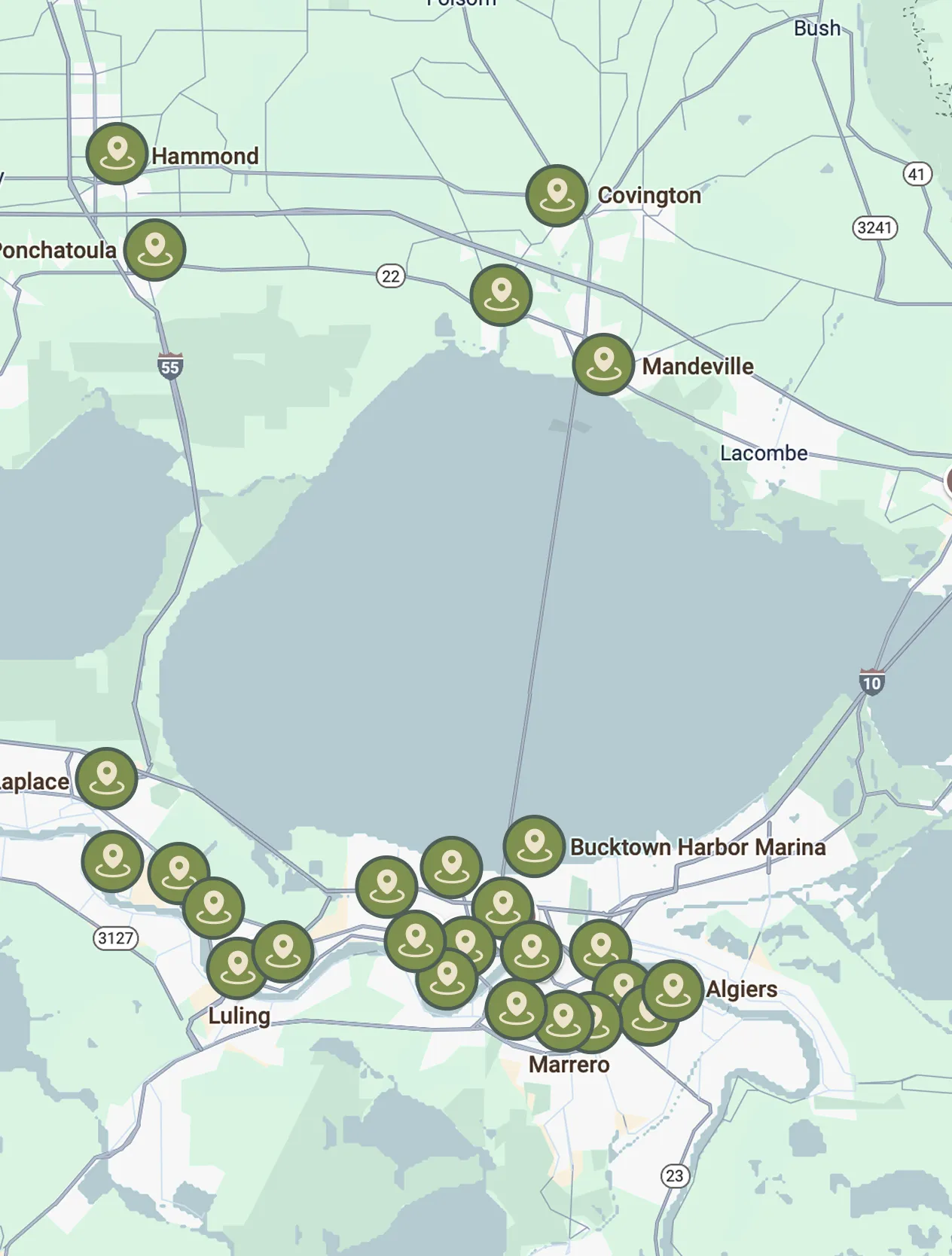
Our service areas are designed to meet the diverse needs of our clients. We focus on providing exceptional service and ensuring customer satisfaction in every location we operate.