
Air Scrubbers in Kenner, LA
.webp)
Maintaining good air quality is crucial for home comfort and health, often more than we realize. In Kenner, LA, factors like high humidity and seasonal pollen can significantly impact indoor air. That's where in duct air scrubbers come in as a practical, whole house solution. At Cypress Cooling, we specialize in installing and servicing these systems, designed to reduce particulates, VOCs, odors, and airborne pathogens. Our air scrubbers seamlessly integrate with your existing HVAC equipment, ensuring a cleaner and healthier home environment. We're here to help you understand how air scrubbers work, explore the different technologies available, discuss compatibility and installation, and outline the expected performance, health benefits, and maintenance needs. Let Cypress Cooling guide you through scheduling a site assessment and installation for your Kenner home.
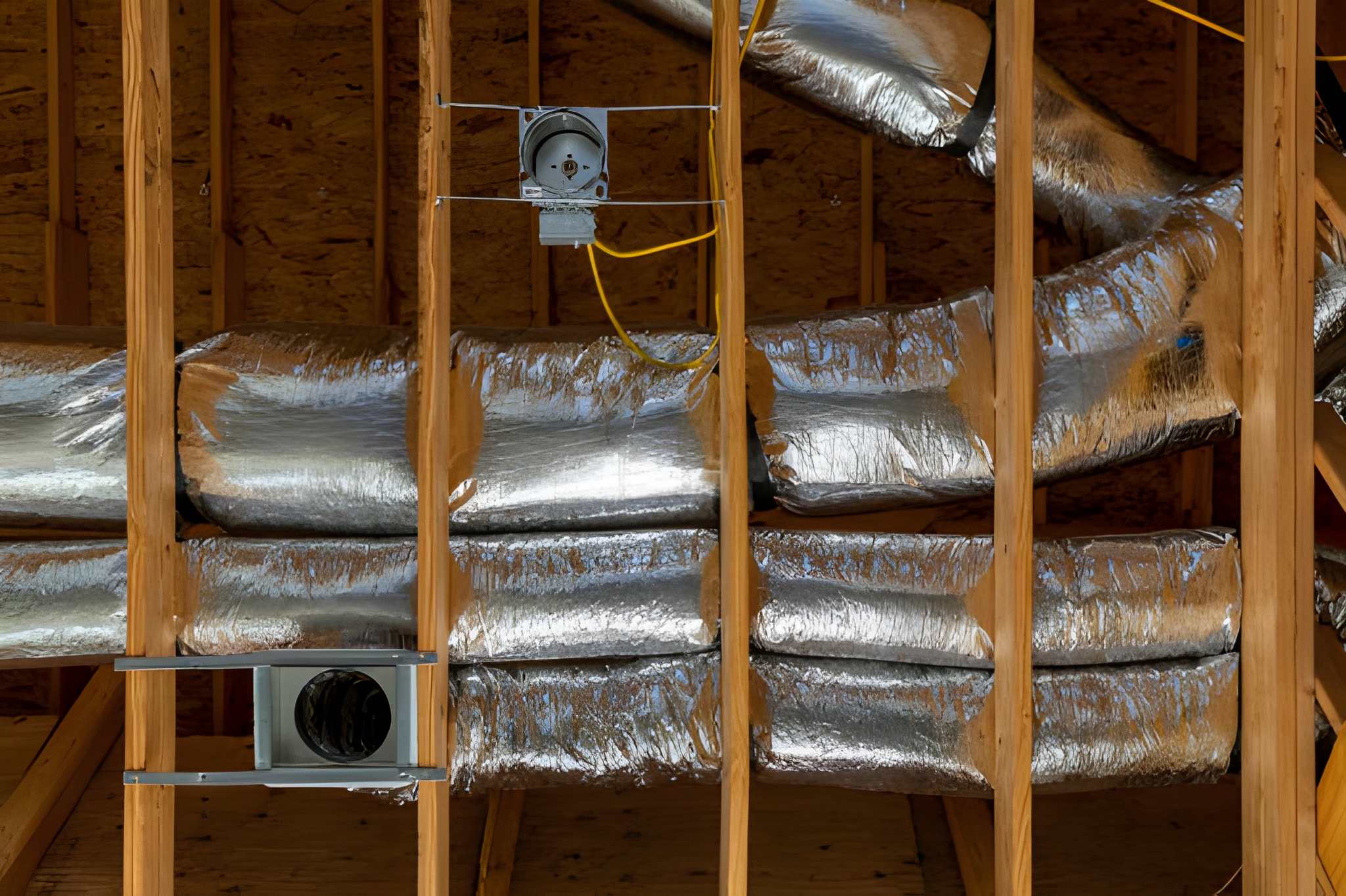
Air Scrubbers in Kenner, LA
Air quality is an often overlooked element of home comfort that directly affects health, odor control, and HVAC performance. In Kenner, LA, where high humidity, seasonal pollen, and older building stock increase the risk of indoor pollutants, in-duct air scrubbers offer a practical, whole-house solution. Cypress Cooling Company installs and services in-duct air scrubber systems designed to reduce particulates, volatile organic compounds (VOCs), odors, and airborne pathogens while integrating with your existing HVAC equipment. This page explains how air scrubbers work, the different technologies available, compatibility and installation details, expected performance and health benefits, routine maintenance needs, warranty and service considerations, and the typical process for scheduling a site assessment and installation in Kenner homes.
Why an in-duct air scrubber matters in Kenner, LA
Kenner experiences a subtropical climate with high humidity for much of the year. That environment encourages mold growth, elevates dust mite populations, and can make odors and VOCs more persistent in indoor spaces. Many homes in Kenner also have older HVAC systems or ductwork that may not meet modern filtration and airflow standards. An in-duct air scrubber is installed directly in the HVAC air stream so it treats all the air circulated through the system, helping to:
- Reduce airborne particulates that aggravate allergies and asthma
- Lower concentrations of common VOCs from household products and paints
- Minimize odors from cooking, pets, and outdoor sources
- Disrupt some airborne biological contaminants such as mold spores and certain viruses and bacteria
Cypress Cooling Company brings experience installing these systems in local homes, taking into account regional factors like humidity, storm-season house sealing, and typical indoor activities that influence air quality.
Common indoor air problems in Kenner homes
Homes in Kenner commonly face several indoor air quality challenges that an in-duct air scrubber can address:
- Elevated humidity-related mold and mildew in ducts, attics, and basements
- Seasonal pollen infiltration and persistent dust from nearby green space
- VOC accumulation from new finishes, cleaning products, and household materials
- Lingering odors from cooking, tobacco, pets, and flood-related issues
- Recirculation of airborne bacteria and viruses during cold and flu seasons
Knowing which problems are present in your home helps determine the optimal air scrubber technology and configuration.
Common types of in-duct air scrubbers
There are several proven technologies used in in-duct air scrubbers. Each has strengths and considerations relating to performance, maintenance, and compatibility with your HVAC system. Below are the most common types Cypress Cooling Company installs and supports.
Photocatalytic Oxidation (PCO)
- How it works: PCO systems combine ultraviolet light with a photocatalyst surface (commonly titanium dioxide) to produce reactive oxidizing agents that break down VOCs and some organics into simpler, less odorous compounds.
- Strengths: Effective at reducing VOCs and some odors; operates continuously when the HVAC fan runs.
- Considerations: Performance can vary with airflow and contaminant load; requires periodic maintenance to keep lamps and catalytic surfaces clean.
Bipolar Ionization (Cold Plasma)
- How it works: This technology generates positive and negative ions that attach to airborne particles, causing them to cluster and fall out of the breathing zone or be more easily captured by filters. Ions can also interact with gases and airborne microbes.
- Strengths: Low pressure drop, works with existing filters, and is effective at reducing particulates and some odors.
- Considerations: Ion concentrations and placement are critical for effectiveness; modules require periodic inspection and possible cell replacement.
UV-Based Systems (Germicidal UV)
- How it works: Ultraviolet-C light damages the DNA or RNA structure of microorganisms, reducing viable bacteria, viruses, and mold spores. UV lamps can be placed near the coil to reduce microbial growth and downstream in ducts to treat air directly.
- Strengths: Proven for controlling microbial growth on coils and in air streams, which improves HVAC efficiency and reduces biological contamination.
- Considerations: UV does not remove particulates or VOCs by itself; lamp replacement on a steady schedule is required.
Hybrid Systems and Supplemental Technologies
- Many in-duct scrubbers combine technologies (for example, UV plus PCO or ionization with enhanced filtration) to broaden the scope of contaminant removal.
- High-efficiency filtration (MERV-rated filters) is often used in conjunction with scrubbers for optimal particulate control.
Selecting the right technology depends on the specific indoor air issues in your home, HVAC configuration, and homeowner preferences.
Compatibility with existing HVAC equipment
In-duct air scrubbers are designed to be compatible with most residential HVAC systems, but proper integration is important for safety, performance, and manufacturer compliance.
Key compatibility considerations:
- Duct layout and available straight-run space for mounting in the return or supply plenum
- Electrical availability near the installation point for powering lamps, modules, or control boxes
- Airflow rates and fan operation, because some technologies perform best at certain velocities and run times
- Filter type and pressure drop: some systems may need stronger furnace fans or filter adjustments
- Coil access: UV germicidal lamps are often mounted near the cooling coil to prevent microbial buildup and maintain coil efficiency
A professional site assessment identifies any modifications required to mount and wire the air scrubber, ensuring it does not compromise system airflow or safety.
Typical installation process for in-duct air scrubbers
A professional, code-compliant installation usually follows these steps. Cypress Cooling Company's technicians adhere to manufacturer specifications and local standards to ensure safe, reliable performance.
- Pre-installation assessment
- Evaluate the HVAC system, duct layout, and return plenum to determine optimal placement.
- Review homeowner air quality goals and any specific problem areas (mildew, odors, allergies).
- Recommend a technology or combination of technologies and estimated maintenance needs.
- Equipment selection and preparation
- Select the appropriate air scrubber model sized for the system airflow and home square footage.
- Prepare mounting hardware, electrical connections, and any required duct transitions.
- Physical installation
- Install the air scrubber module in the return duct or near the air handler per manufacturer guidance.
- Secure electrical connections to a dedicated circuit or existing controlled circuit.
- Install any sensor or control wiring needed for operation with the HVAC system.
- Commissioning and testing
- Power up the system and verify lamp start-up, ionizer activation, or UV operation.
- Measure airflow and confirm there is no undue pressure drop or obstruction.
- Perform basic indoor air quality baseline tests when applicable and document initial readings.
- Homeowner orientation
- Explain expected performance, maintenance intervals, and any observable changes to expect after commissioning.
- Follow-up
- Schedule routine maintenance and any necessary performance checks.
Installation times vary by home complexity, but a standard single-family Kenner home installation can often be completed in a single day.
Expected performance and health benefits
In-duct air scrubbers are not a single cure-all, but when properly selected and maintained they deliver measurable indoor air quality improvements that affect comfort and health.
Performance expectations:
- Particulate reduction: When combined with proper filtration, air scrubbers can meaningfully reduce airborne dust, pollen, and particulates recirculated through the system.
- VOC and odor reduction: PCO and some ionization technologies reduce the concentration of common household VOCs and odors, improving overall indoor scent and air quality.
- Microbial control: UV and certain ionization systems reduce microbial growth on HVAC surfaces and lower airborne microbial counts during system operation.
- HVAC system benefits: By reducing microbial growth on coils and within ducts, systems with UV near the coil can maintain heat exchange efficiency and reduce maintenance frequency.
Health and comfort benefits commonly reported:
- Reduced allergy and asthma triggers through lower particle loads
- Fewer odor complaints and improved indoor freshness
- Reduced frequency of coil or duct cleaning related to biological fouling
- Better perceived air cleanliness for occupants with respiratory sensitivity
It is important to set expectations: the degree of improvement depends on the existing indoor environment, ventilation rates, pollutant sources, and maintenance discipline. In many Kenner homes, a combination of source control, ventilation, filtration, and an in-duct scrubber yields the best results.
Routine maintenance needs and lifecycle
Routine maintenance preserves performance, extends equipment life, and maintains manufacturer warranty coverage. Typical maintenance tasks and intervals include:
- UV lamp replacement: Most UV lamps decline in output over time and are typically replaced every 9 to 18 months depending on the model and run hours.
- Photocatalytic surface cleaning or replacement: PCO surfaces can accumulate deposits that reduce reactivity; periodic inspection and cleaning or replacement may be necessary.
- Ionization cell or module checks: Depending on the design, ionization cells may require cleaning, inspection, or replacement after a set service life.
- Filter replacement: While not part of the scrubber itself, maintaining the HVAC filtration (recommended MERV level based on system capability) complements scrubber performance.
- Electrical and mechanical inspection: Annual inspections of wiring, mounting integrity, and system function ensure safe operation.
- Performance verification: Periodic IAQ measurements or particulate counts can verify continued effectiveness and signal when adjustments are needed.
Documenting maintenance dates and parts replaced helps keep warranty coverage intact and makes it easier to evaluate long-term performance.
Warranty and service options
Most reputable manufacturers offer limited warranties on in-duct air scrubber components such as lamps or ionization modules, and installers often provide a workmanship warranty for the installation itself. Typical elements to understand:
- Manufacturer warranty: Covers defects in parts for a specified period. Lamp output is usually not covered once the lamp has aged, so scheduled lamp replacement is recommended.
- Installation warranty: Covers installation workmanship for a set period. This protects against installation-related issues like mounting failures or improper wiring.
- Service agreements: Many homeowners choose a recurring service plan with scheduled inspections, lamp or module replacements, and priority scheduling for repairs. Service agreements simplify maintenance budgeting and help ensure continued performance.
- Replacement parts: Availability of replacement lamps, cartridges, and modules varies by manufacturer; choosing a widely supported product typically ensures long-term parts availability.
Cypress Cooling Company works with customers to explain manufacturer warranty terms and offers service options that align with local needs and expectations in Kenner.
How scheduling a site assessment and installation typically works
While each installer manages appointments slightly differently, the typical process for a site assessment and installation in Kenner looks like this:
- Initial inquiry and information gathering
- Share basic home information and HVAC details so the installer can prepare for the assessment.
- On-site assessment
- A trained technician visits the home, inspects the HVAC system and ducts, and identifies the best mounting location and technology options based on observed indoor air quality concerns.
- The technician documents airflow, available electrical supply, and any duct modifications needed.
- Proposal and recommendation
- The installer provides a written recommendation outlining the chosen technology, expected benefits, maintenance schedule, and any modifications required to the HVAC system.
- The proposal should list warranty details and anticipated installation timeline.
- Scheduling the installation
- Once a proposal is accepted, the installer coordinates a date and prepares parts and personnel for the job. Typical single-day installations are planned with contingencies for additional work.
- Installation and commissioning
- The technician installs the scrubber, performs start-up checks, and documents initial performance conditions.
- Homeowners receive a maintenance plan and lamp or module replacement schedule.
- Follow-up service
- After the installation, periodic maintenance visits and performance checks are scheduled per the agreed plan.
This transparent, stepwise approach ensures the air scrubber is correctly selected, installed, and maintained for lasting performance.
Choosing the right system for your Kenner home
Selecting an in-duct air scrubber depends on several factors specific to Kenner homes:
- Primary indoor air concerns: Are odors and VOCs the biggest issue, or are particulates and pollen the main problem? Hybrid systems can address multiple concerns.
- HVAC system age and capacity: Older systems may need careful integration planning to avoid airflow restrictions or electrical issues.
- Home occupants: Homes with young children, elderly residents, or individuals with respiratory conditions may benefit from more aggressive multi-technology solutions.
- Maintenance willingness: Some technologies require more frequent lamp or cartridge changes; choosing a solution aligned with your maintenance preferences helps sustain performance.
An on-site assessment by a qualified technician provides the data needed to match technology to needs while accommodating the unique characteristics of Kenner's climate and housing.
Final notes on long-term value and practical expectations
An in-duct air scrubber is most effective when used as part of a layered indoor air quality strategy that includes source control, proper ventilation, and adequate filtration. In Kenner, where humidity and seasonal allergens are ongoing factors, well-maintained air scrubbers can reduce indoor exposures, improve comfort, and help maintain HVAC efficiency by preventing microbial buildup on coils.
Cypress Cooling Company installs and services in-duct air scrubbers tailored to local needs, and provides transparent information about expected performance, maintenance schedules, and warranty coverage. Proper selection, professional installation, and regular maintenance are key to realizing the health, comfort, and system benefits that in-duct air scrubbers can provide.
OUR CLIENTS HAVE TO SAY ABOUT US



Service areas
Our service areas are designed to meet the diverse needs of our clients. We focus on providing exceptional service and ensuring customer satisfaction in every location we operate.