
Air Scrubbers in Harvey, LA
.webp)
In Harvey, LA, indoor air quality is crucial for both health and comfort. The area's high humidity, frequent storms, and seasonal pollen can lead to the accumulation of dust, mold spores, volatile organic compounds, and unpleasant odors in homes and businesses. Air scrubber systems provide a targeted approach to reducing these airborne contaminants, improving HVAC performance, and protecting occupants, especially those with allergies, asthma, or sensitivities to pollutants. Cypress Cooling Company offers expert guidance on selecting, installing, and maintaining air scrubbers that seamlessly integrate with your existing HVAC systems in the Harvey area, ensuring optimal performance and cleaner air.
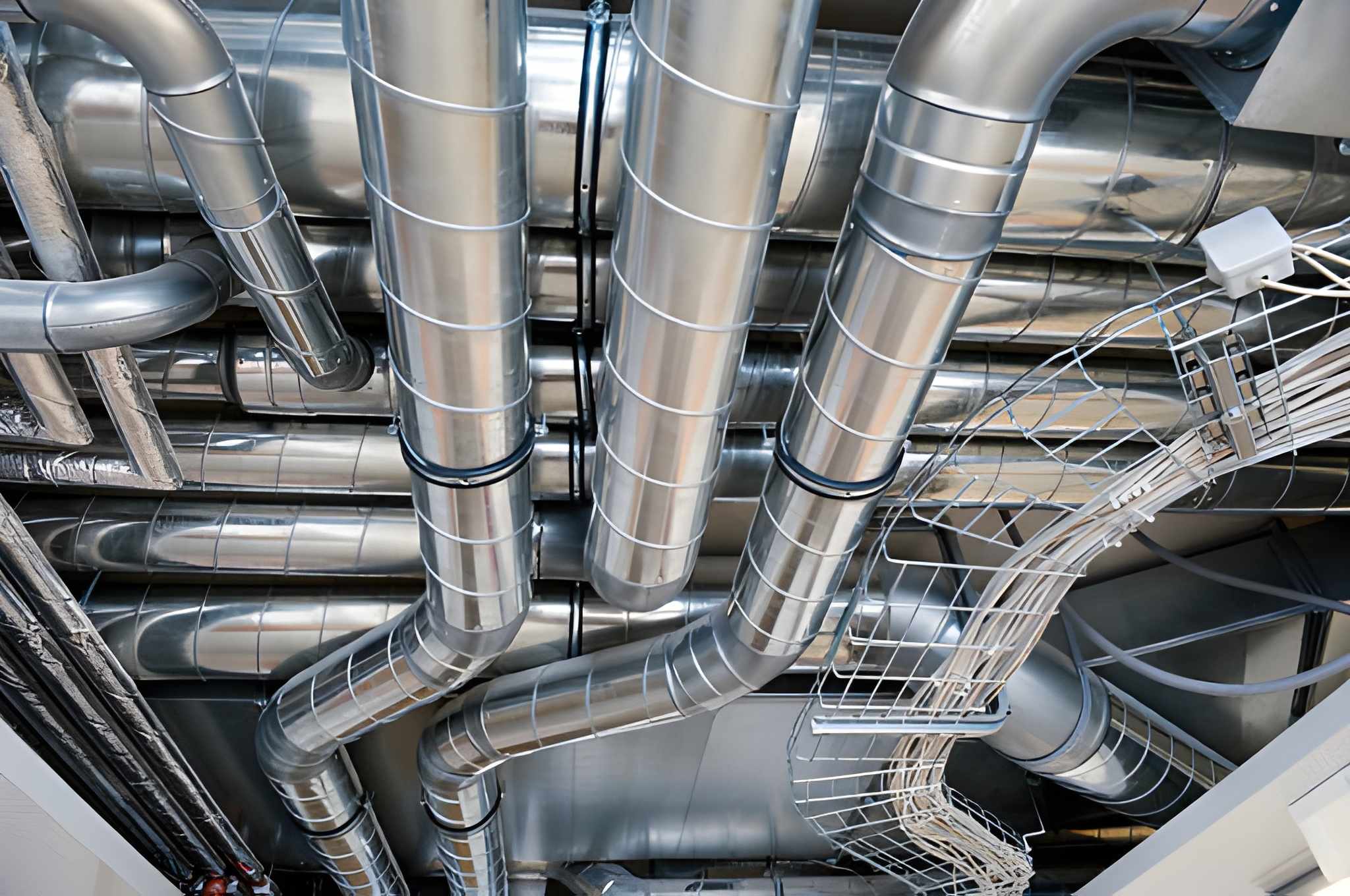
Air Scrubbers in Harvey, LA
Indoor air quality is a health and comfort priority in Harvey, LA. High humidity, frequent storms, and seasonal pollen create conditions where dust, mold spores, volatile organic compounds, and odors can accumulate in homes and businesses. Air scrubber systems offer a targeted way to reduce airborne contaminants, improve HVAC performance, and help protect occupants with allergies, asthma, or sensitivity to pollutants. Cypress Cooling Company provides expert guidance on selecting, installing, and maintaining air scrubbers that integrate with existing HVAC systems in the Harvey area.
Why Air Scrubbers Matter in Harvey, LA
Harvey and the surrounding Jefferson Parish face several local factors that increase the need for enhanced indoor air cleaning:
- High relative humidity promotes mold and dust mite growth in attics, crawlspaces, and poorly ventilated rooms.
- Frequent summer storms and the hurricane season can lead to occasional flooding and lingering mold risks after water intrusion.
- Nearby industrial areas and transportation corridors can raise particulate matter and odor levels periodically.
- Salt-laden coastal air can accelerate corrosion of HVAC components if contaminants are not controlled.
- Older housing stock with limited ventilation often traps indoor-generated pollutants from cooking, cleaning, and building materials.
Air scrubbers work to reduce these burdens by targeting particles, microbes, and gases before they circulate through living spaces. When correctly sized and maintained, they complement filtration and ventilation strategies to deliver measurable improvements in air quality for Harvey homes and commercial spaces.
Common Air Quality Problems Addressed by Air Scrubbers
Air scrubbers are effective against a broad set of indoor air quality (IAQ) problems commonly reported in Harvey, LA:
- Elevated dust and fine particulates that settle on surfaces and aggravate allergies.
- Mold spores and fungal fragments following humidity surges or minor leaks.
- Odors from cooking, tobacco, pets, or nearby industrial activity.
- Volatile organic compounds from cleaning products, paints, adhesives, and new furnishings.
- Bacterial and viral aerosols that contribute to illness transmission in shared spaces.
- Persistent musty smells after storm-related moisture events.
Different air scrubber technologies target these contaminants in different ways, and selecting the right solution depends on the primary contaminants and the building layout.
Typical Air Scrubber Technologies
Understanding the technologies helps match the system to the problem. Common types you will encounter include:
- Advanced Filtration: High-efficiency particulate filters, including HEPA or MERV-rated media, capture a large percentage of airborne particles. Filters are rated differently based on particle size capture. Filtration is reliable for dust and particulate control but less effective on gases and odors without specialized media.
- UV and Photocatalytic Oxidation: Ultraviolet light combined with a photocatalyst generates oxidative reactions that can break down organic compounds and reduce microbial loads. This technology is effective at inactivating bacteria, viruses, and mold spores when properly configured.
- Bipolar Ionization: Ionization devices release charged ions that attach to particles, causing them to agglomerate and fall out of the breathing zone or be captured more effectively by filters. This method can reduce particulates and certain VOCs when used as part of a multi-stage IAQ strategy.
- Carbon and Chemisorption Media: Activated carbon or specialized chemisorption media adsorb gases and odors. These are typically integrated with filtration systems to handle VOCs and smell issues.
- Hybrid Systems: Many modern air scrubbers combine two or more technologies to address a wider contaminant spectrum. For instance, a unit may pair HEPA-grade filtration with UV treatment and activated carbon.
Selection should consider the predominant contaminants, maintenance requirements, compatibility with existing HVAC components, and any regulatory considerations for commercial environments.
How Air Scrubbers Integrate with HVAC Systems
Air scrubbers are typically installed as in-duct units or as standalone whole-house systems that work with the central HVAC fan. Proper integration ensures effective distribution of treated air and minimal disruption to system performance.
- In-duct Installation: Units mount directly in the return or supply ductwork near the air handler. This placement treats air before it is conditioned and re-distributed, limiting the spread of contaminants through ductwork.
- Return-Side Placement: Installing the scrubber on the return side allows the system to process the air before it reaches the air handler, reducing dust loading on coils and improving system efficiency.
- Standalone Whole-House Units: Some systems attach to the furnace or air handler housing to treat air regardless of airflow cycles. These units often include their own fans and controls.
- Zoning and Multi-Unit Homes: For zoned HVAC systems or larger homes common in Harvey, multiple smaller units or a centralized higher-capacity scrubber may be required to ensure even coverage room to room.
- Impact on Airflow: Proper sizing prevents undue pressure drop across filters and avoids reducing HVAC efficiency. Professional integration includes airflow measurements and adjustments to maintain balanced system performance.
Professionally performed integration also includes verifying electrical requirements, control interlocks with thermostats or building management systems, and safe placement relative to other HVAC components.
Selection and Sizing Guidance
Choosing the right air scrubber involves balancing capacity, technology, and the unique characteristics of the building. Key considerations include:
- Square Footage and Ceiling Height: Calculate total treated volume rather than floor area alone. High ceilings in older Harvey homes can increase the required capacity.
- Occupancy and Activity Level: Homes with pets, smokers, frequent cooking, or occupants with respiratory conditions warrant higher performance systems.
- Source of Contaminants: Prioritize technologies based on whether the main issue is particulates, biological contaminants, odors, or VOCs.
- HVAC System Compatibility: Verify duct sizes, existing filter frames, and blower capacity to determine whether an in-duct unit or standalone system is best.
- Local Environmental Stressors: For properties near busy roads or industrial areas, emphasize particulate and odor reduction. For moisture-prone properties, prioritize technologies proven to reduce mold spores and microbial load.
- Efficiency and Pressure Drop: Review manufacturer specifications showing clean air delivery rate (CADR) and pressure drop. A system with high CADR and low pressure drop is preferable for maintaining HVAC performance.
- Noise and Location: Select units with acceptable noise levels for occupied spaces and choose locations that avoid vibration transfer to living areas.
A site evaluation provides the most accurate sizing. Professionals will measure airflow, assess leaks, and identify primary pollutant sources before recommending a system capacity and configuration.
Professional Installation Process
A professional installation ensures safety, performance, and longevity. Typical steps performed by experienced technicians include:
- Site Assessment: Inspect ductwork, air handler access, electrical panel capacity, and identify pollutant sources. This step also evaluates return and supply layout and any existing filtration.
- System Selection: Recommend a model and configuration tailored to the home or business, taking into account the technologies needed to address the target contaminants.
- Pre-Installation Preparation: Verify measurements, order any supplemental ductwork or electrical components, and prepare a work plan that minimizes disruption to occupants.
- Physical Installation: Mount the unit in the return duct, air handler, or standalone space. Secure electrical connections and ensure proper orientation for airflow and service access.
- Integration and Controls: Connect to the HVAC fan, thermostat, or building controls as required. Program run cycles or continuous operation modes per the desired IAQ strategy.
- Commissioning and Performance Testing: Measure airflow and static pressure, verify electrical loads, and perform initial air quality tests if available. Inspect for leaks and confirm that the HVAC system maintains proper operation.
- Documentation and Handover: Provide operation details, maintenance schedules, and warranty information. Demonstrate filter access and any user controls.
Proper installation reduces the chance of performance shortfalls and minimizes the maintenance burden over the life of the system.
Maintenance and Filter Replacement Schedules
Routine maintenance is essential for continued contaminant reduction and HVAC health. Typical maintenance items include:
- Filter Inspections: Check particulate filters every 3 months initially, then adjust frequency based on loading. Homes with pets, smokers, or recent renovations will require more frequent changes.
- Carbon or Chemisorption Media Replacement: Replace activated carbon cartridges per manufacturer guidance, usually every 6 to 12 months depending on pollutant loads.
- UV Lamp Replacement: UV lamps lose ultraviolet output over time. Replace bulbs annually or as specified to maintain microbial control.
- Ionization Cell Cleaning: Bipolar ionization components may require periodic cleaning to remove residue. Follow manufacturer instructions for cleaning intervals.
- Electrical and Fan Checks: Inspect fans, motors, and electrical connections during annual HVAC tune-ups to verify continued performance.
- System Sanitization After Flood or Mold Events: If the home experienced flooding, professional sanitation and a re-evaluation of the system is recommended to avoid redistributing contaminated dust or microbial residues.
A formal maintenance plan with scheduled inspections extends the life of the air scrubber and ensures reliable contaminant reduction. Cypress Cooling Company can document recommended schedules tailored to the building and environmental conditions in Harvey.
Expected Contaminant Reduction Performance
Performance expectations vary by technology, capacity, and installation quality. General outcomes supported by industry data and field use include:
- Particle Reduction: High-efficiency filters and HEPA-grade systems can capture 99.97 percent of particles 0.3 microns and larger when operated in appropriate airflow conditions. In practical application, many systems achieve significant reductions in dust and pollen over weeks of operation.
- Microbial Load Reduction: Properly designed UV and photocatalytic systems can inactivate a substantial percentage of airborne bacteria and viruses passing through the treated zone. These reductions depend on exposure time and UV intensity.
- Odor and VOC Control: Activated carbon and chemisorption media reduce the concentration of many common VOCs and odors. The effectiveness depends on media surface area and airflow rates.
- Combined Systems: Hybrid units that combine filtration, UV, and carbon typically deliver the broadest contaminant control and are effective at reducing a mix of particulates, microbes, and gases.
- Realistic Expectations: It is important to understand that no single device eliminates all contaminants instantly. Air scrubbers reduce concentrations and improve overall indoor air quality, but results will be influenced by source control, ventilation, and occupant behavior.
Quantitative pre- and post-installation air testing can document improvements and guide further IAQ measures as needed.
Warranty and Service Plan Options
Warranty and service offerings vary by manufacturer and installer. Typical elements to evaluate when choosing a plan include:
- Manufacturer Warranty: Many air scrubbers carry a limited warranty covering defects in materials and workmanship for a defined period. Confirm what components are covered and any registration requirements.
- Labor Warranty: Installation labor warranties cover work performed by the installer for a certain period. This protects against installation-related issues.
- Extended Service Plans: These plans bundle annual maintenance visits, filter or media replacement, and priority scheduling for repairs. They simplify upkeep and help maintain peak performance.
- Replacement Parts Coverage: Check whether critical parts such as UV lamps, ionization cells, or fans are covered and for how long.
- Transferability and Limitations: For resale considerations, understand whether warranties transfer to a new owner and any exclusions such as negligence or improper maintenance.
A structured service plan helps maintain contaminant reduction performance over time and protects the investment in the air scrubber system.
Case Examples
Below are anonymized case examples representing typical local scenarios where air scrubbers provided measurable benefits:
Case Example 1: Family Home with Recurring Musty SmellsA mid-century Harvey home with an unfinished attic reported ongoing musty odors after heavy rain events. An in-duct hybrid air scrubber combining UV and activated carbon was integrated on the return near the air handler. The system reduced musty odors within days and lowered visible dust on surfaces over several weeks. Annual UV lamp replacement and semi-annual carbon filter changes maintained the improvement.
Case Example 2: Small Office Near Industrial CorridorA small professional office experienced intermittent odors and employee complaints about sore throats. A whole-building assessment identified elevated VOCs and particulate spikes during certain wind conditions. A high-capacity in-duct scrubber with HEPA-level filtration and additional carbon cartridges was installed. Post-install monitoring showed a significant drop in reported odors and a measurable decrease in VOC readings during the most problematic periods.
Case Example 3: Flood Recovery and Mold PreventionAfter a localized flooding event in a ground-level unit, a property manager used targeted air cleaning and professional HVAC cleaning to reduce spores before reoccupation. A temporary portable scrubber with HEPA filtration and UV treatment was used during remediation. Once the building was dried and repaired, a permanent in-duct scrubber was installed to reduce the risk of future mold recurrence.
These examples demonstrate how technology selection, placement, and maintenance tailored to local conditions can materially improve air quality.
Benefits Beyond Air Quality
Air scrubbers offer ancillary advantages that matter for Harvey homes and businesses:
- HVAC Protection: Reducing dust and particulate load on coils and ductwork improves airflow and can extend the life of HVAC components.
- Comfort Improvements: Cleaner air can reduce dust accumulation on surfaces and improve perceived indoor comfort.
- Health and Productivity: Lower airborne contaminant levels reduce triggers for allergies and respiratory symptoms, which can benefit occupants and employees.
- Odor Control: Carbon-enhanced units help mitigate odors from cooking, pets, and nearby industrial activity.
- Post-Event Recovery: After storms or flooding, air scrubbers assist remediation efforts by lowering airborne spores and particulate levels during cleaning and drying.
When combined with source control, ventilation upgrades, and humidity management, air scrubbers form a strong component of a holistic IAQ plan.
Practical Maintenance and Operation Tips for Harvey Residents
To sustain performance and protect indoor air quality, consider these practical tips:
- Keep Humidity Under Control: Use dehumidification or HVAC settings to keep indoor relative humidity below 60 percent to deter mold growth.
- Address Moisture Sources Promptly: Repair leaks, roof issues, and plumbing problems quickly to prevent mold proliferation that no air scrubber can fully resolve by itself.
- Change Filters on Schedule: Follow manufacturer recommendations for filter and media replacement; homes with pets or smokers may need more frequent changes.
- Regular HVAC Tune-Ups: Annual or biannual HVAC service maintains airflow and efficiency, which helps the air scrubber operate as designed.
- Monitor Indoor Air: Consider periodic air quality checks if occupants experience ongoing symptoms. Pre- and post-install measurements provide documented performance baselines.
- Use Source Control: Reduce use of high-VOC products indoors and ensure proper ventilation during activities like painting or heavy cleaning.
Simple, consistent practices keep air scrubbers operating at peak effectiveness and protect occupant health.
OUR CLIENTS HAVE TO SAY ABOUT US



Service areas
Our service areas are designed to meet the diverse needs of our clients. We focus on providing exceptional service and ensuring customer satisfaction in every location we operate.