Air Scrubbers in Harahan, LA
.webp)
Air quality is a top priority for Harahan, LA homeowners, and for good reason. Local climate and lifestyle factors can significantly increase the presence of allergens, odors, and airborne contaminants indoors. An air scrubber system offers a solution by reducing particles, gases, and microorganisms, creating a cleaner, healthier indoor environment. Cypress Cooling is here to explain how air scrubbers work, the different technologies available, and how to choose the right system for your Harahan home. We'll also cover installation, routine maintenance, and what performance you can realistically expect. Let Cypress Cooling help you achieve better air quality in your home.
Air Scrubbers in Harahan, LA
Air quality is a central concern for Harahan, LA homeowners because local climate and lifestyle factors increase the chance of allergens, odors, and airborne contaminants indoors. An air scrubber system reduces particles, gases, and microorganisms to create a cleaner, healthier indoor environment. Cypress Cooling Company explains how air scrubbers work, the different technologies available, how to choose and size a system for Harahan homes, what installation and routine maintenance involve, and what performance you can realistically expect.
Why indoor air quality matters in Harahan, LA
Harahan experiences hot, humid summers and mild winters with frequent rainfall and high humidity year round. Those conditions promote mold and dust mite growth and make drying damp materials more difficult after storms or routine humidity spikes. The area also has seasonal pollen from oak, cedar, and ragweed, along with localized sources of odors and volatile organic compounds, such as cooking, renovations, and nearby traffic or light industrial activity. These local factors make indoor air purification not just a comfort upgrade but a practical solution for allergy relief, odor control, and long term building material protection.
Air scrubbers are designed to address these specific risks by targeting particulate matter, odors, smoke, mold spores, VOCs, and airborne pathogens. For homeowners and property managers in Harahan, understanding the different air scrubber technologies and how they integrate with existing HVAC systems is essential when making an informed decision.
Common indoor air problems in Harahan homes
- Increased indoor humidity and mold spores after storms or during summer months.
- Seasonal allergy symptoms from high pollen counts moving indoors.
- Persistent cooking or seafood odors trapped by traditional ventilation.
- Construction or renovation dust and VOC off gassing from paints and adhesives.
- Tobacco or wildfire smoke intrusion during regional events.
- Recirculated particulate matter from pets, carpets, and upholstered furniture.
Recognizing the dominant sources of contamination in a specific home helps determine whether a portable unit, whole-home duct-mounted system, or a hybrid solution is the best fit.
What is an air scrubber and how it improves indoor air quality
An air scrubber is a device that removes contaminants from the air through filtration, adsorption, or active treatments like ultraviolet light. While the term is broad, air scrubber systems generally fall into clear technology categories. Each has strengths and limitations depending on the intended use, contaminant type, and home layout.
- HEPA filtration: High Efficiency Particulate Air filters capture at least 99.97 percent of particles 0.3 micrometers in diameter. HEPA is effective for pollen, dust, pet dander, and many mold spores. It is a passive method that relies on airflow through a dense filter media.
- Activated carbon: Carbon removes odors and many volatile organic compounds by adsorption. It is commonly used behind pre-filters or in combination with HEPA to tackle gases and smells that particle filters cannot.
- UV and photocatalytic oxidation: Ultraviolet lamps and photocatalytic systems target biological contaminants like bacteria, mold spores, and some viruses. Photocatalytic oxidation pairs UV with a catalyst to produce reactive species that can break down VOCs. These systems are active treatments rather than simple filters.
- Combined technologies: Many modern air scrubbers use a layered approach—pre-filter, HEPA, carbon, and UV or photocatalytic stages—to capture particles, adsorb gases, and inactivate biological contaminants for broad-spectrum performance.
Cypress Cooling Company typically evaluates the contaminant profile and homeowner priorities to recommend the appropriate technology or combination.
Portable air scrubbers vs whole-home/duct-mounted systems
Choosing between a portable air scrubber and a whole-home or duct-mounted system involves weighing coverage needs, portability, maintenance, and integration with existing HVAC equipment.
Portable units
- Coverage: Best for single rooms, temporary remediation, or targeted problems such as a recently remodeled space or a room used by someone with allergies.
- Flexibility: Can be moved to address seasonal issues or specific rooms.
- Power and noise: Larger portable units provide higher airflow but may produce noticeable noise in living spaces.
- Maintenance: Filter replacement and periodic cleaning are the main requirements.
- Use cases: Rental units, short-term remediation after water events, bedrooms for allergy relief, and small apartments.
Whole-home and duct-mounted systems
- Coverage: Integrated with the home HVAC system for continuous, housewide treatment. Ideal for whole-home solutions in Harahan where allergens and moisture influence multiple rooms.
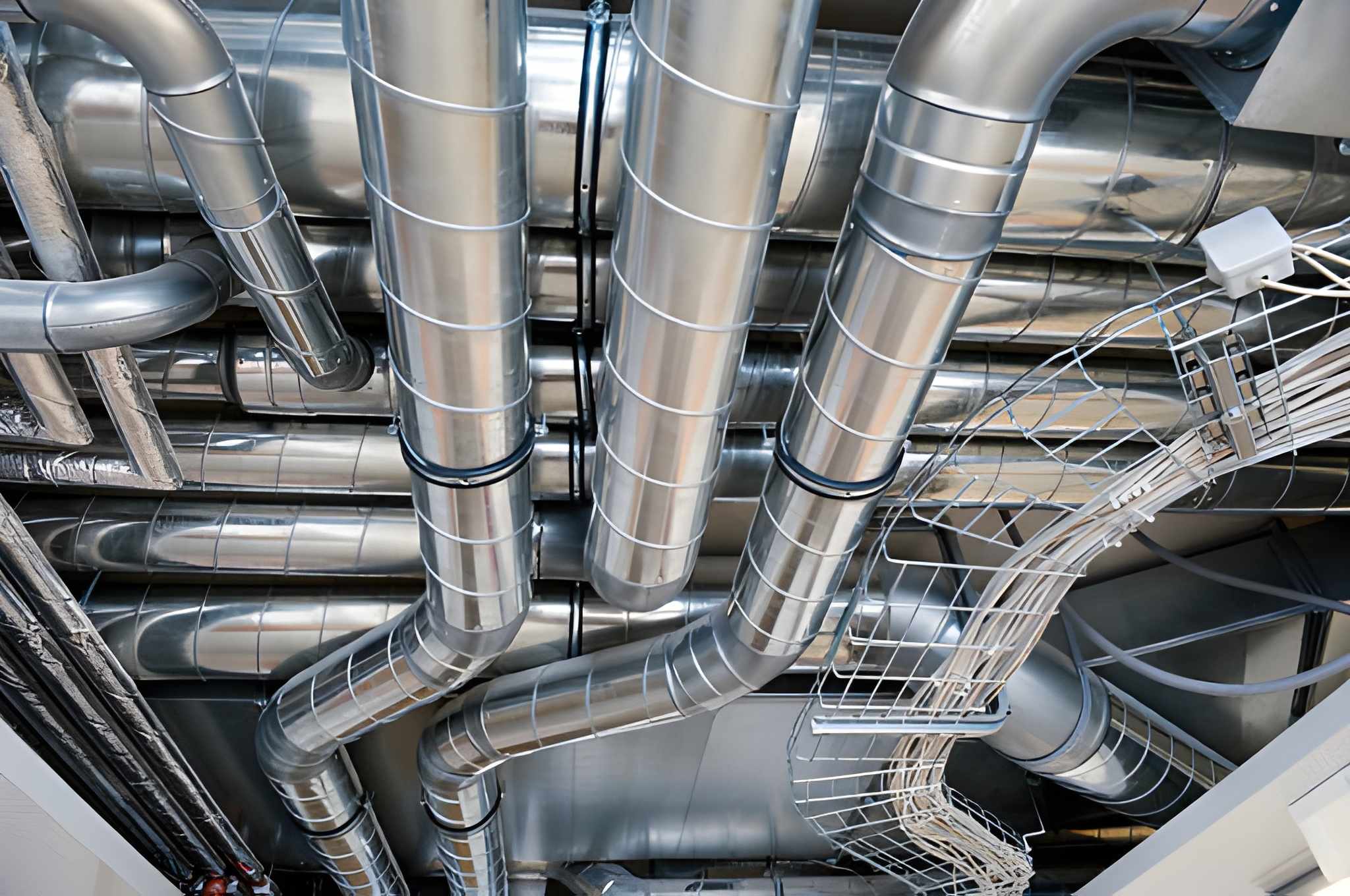
- Integration: Installed in the return duct, these systems treat all the air circulated by the furnace or air handler, improving overall indoor air quality without adding noise in living areas.
- Performance consistency: Because they operate in tandem with HVAC runtime, they provide regular purification whenever the system runs.
- Maintenance: Typically involves annual inspections plus scheduled filter and lamp replacements.
- Use cases: Homes with central HVAC, households prioritizing consistent allergy reduction, properties with persistent odors or family members sensitive to pollutants.
Typical use cases and what to expect
Air scrubbers are not one-size-fits-all. Below are common scenarios and the typical outcomes you can expect in Harahan homes.
Allergy relief
- A HEPA-based or combined system reduces pollen, pet dander, and dust mite particles that trigger allergies. Expect measurable reductions in airborne particulate counts and often improved sleep and fewer daytime symptoms when the system is sized and positioned correctly.
Smoke and odor removal
- Activated carbon stages and photocatalytic systems are particularly effective for smoke, cooking, and strong household odors. For episodic wildfire smoke or neighborhood smoke incursions, a combination of high-efficiency filtration plus increased fresh-air pressure control in the home can reduce indoor smoke smells and PM2.5 levels.
VOC reduction from renovations and new furniture
- Photocatalytic oxidation and activated carbon are helpful in reducing volatile organic compounds from paints, adhesives, and off gassing. These technologies accelerate the breakdown or capture of gaseous compounds that HEPA filters cannot remove.
Post-water intrusion and mold management
- After leaks or hurricane-related water events, air scrubbers with HEPA and UV treatment can help remove airborne spores and reduce recontamination during remediation. They are a supportive tool but should be paired with thorough drying and surface remediation.
Hospitality, office, and high-occupancy areas
- Duct-mounted systems maintain consistent air quality in multiroom properties and commercial spaces, reducing the spread of airborne contaminants over repeated occupancy.
Sizing and performance expectations
Proper sizing is critical for effectiveness. Performance is influenced by the square footage, ceiling height, room layout, HVAC airflow, and local contaminant load. Key sizing considerations include:
- Clean Air Delivery Rate (CADR): CADR measures how quickly a unit reduces particulate matter in a space and is an important metric for portable units. Higher CADR values mean faster and more effective particle removal.
- Air changes per hour (ACH): Whole-home systems and remediation scenarios often target 4 to 8 ACH depending on severity—general living spaces may aim for 4 ACH, while remediation and medical needs may require higher rates.
- HVAC compatibility: For duct-mounted systems, the system must match the home’s airflow characteristics so it does not impede air distribution or the HVAC’s efficiency.
- Contaminant concentration: Heavily impacted spaces (e.g., post-construction or indoor smoking areas) require larger systems or higher ACH to reach the same indoor air quality as lightly impacted homes.
In Harahan, consider seasonal spikes in pollen and humidity-related mold risks; sizing for higher seasonal loads provides better year-round performance. Cypress Cooling Company evaluates square footage, HVAC capacity, occupant sensitivities, and local contaminant sources to recommend appropriate CADR and ACH targets.
Installation options and process
Installation differs by device type and home configuration. The typical processes are:
Portable units
- Placement: Identify the most affected rooms and choose units with appropriate CADR and noise profiles.
- Setup: Plug-and-play operation with filter seating and initial run-in. Follow manufacturer instructions for placement and operating speeds for optimal ACH.
- Monitoring: Use particle counters or simple ADS indicators to verify improvement where applicable.
Duct-mounted / whole-home units
- Assessment: Inspect the home HVAC system, ductwork layout, and return-air location to determine the best mounting point and ensure adequate clearance and airflow.
- Installation: Mounted in the return plenum or near the air handler to treat air before heated or cooled distribution. Wiring for power and control may be run to existing HVAC connections. UV lamp fixtures require safe positioning and access for lamp changes. Activated carbon and filter cartridges are installed in accessible housing.
- Balancing: Confirm that the installed system does not restrict airflow. If necessary, adjust fan speed or ductwork to maintain HVAC performance.
- Commissioning: Measure airflow, static pressure, and in some cases particle counts to validate system performance relative to intended ACH and CADR targets.
Installation must account for Harahan homes’ common HVAC types, attic spaces, and typical duct materials. Proper sealing and placement reduce bypass and ensure maximum contaminant capture.
Routine maintenance and lifecycle expectations
Maintenance frequency affects performance and long-term cost. Typical maintenance tasks include:
- Pre-filters: Replace or clean every 1 to 3 months depending on load; pre-filters protect HEPA and carbon stages and are inexpensive to maintain.
- HEPA filters: Replace every 12 to 24 months depending on usage and contaminant load; heavily impacted environments may require more frequent replacement. Expect visual and performance checks annually.
- Activated carbon: Replace on a schedule based on odor/VOC levels; heavy VOC loads may require changes every 6 to 12 months. Some cartridges can be regenerated, but replacement is common.
- UV lamps: Replace annually or per manufacturer recommendations because output declines with time even if the lamp appears operational. UV performance directly influences biological inactivation rates.
- Photocatalytic surfaces: Clean and inspect during annual service to ensure catalyst surfaces remain effective and not blocked by dust.
- Unit cleaning and motor inspection: For duct-mounted systems, have HVAC-trained technicians inspect housing and fans, verify electrical connections, and test for proper operation annually.
Documented maintenance improves warranty compliance. A regular service cadence maintains ACH and CADR performance and avoids exacerbating HVAC system strain.
Compatibility with existing HVAC systems
Most whole-home air scrubbers are designed to integrate with typical forced-air HVAC systems, but compatibility checks are essential.
- Air handler capacity: Ensure the air handler is capable of the added resistance from filters or the air scrubber housing. Excessive static pressure can reduce system efficiency and lifespan.
- Electrical and control integration: UV lamps and active components require safe wiring and sometimes control interfaces with the furnace or air handler.
- Duct sizing and return location: Proper placement in the return duct ensures full-house circulation without short-circuiting or bypass.
- Zoning and multi-system homes: Multi-zone or homes with multiple air handlers may require multiple units or a centralized approach to ensure uniform treatment.
- Older systems: Homes with older or fragile ductwork may need sealing or duct upgrades for optimal performance and reduced leakage.
Cypress Cooling Company assesses the existing HVAC system and recommends solutions that maintain or improve efficiency while delivering the intended air quality benefits.
Warranty and financing options
Manufacturer warranties typically cover defects in materials and workmanship for defined periods. Common warranty elements include:
- Filter and consumable coverage: Filters and carbon cartridges are consumables and are generally not covered beyond a limited replacement guarantee.
- Component warranties: Electronic components, fan motors, and housings often carry 1 to 5 year warranties depending on the manufacturer. UV lamps and lamps’ ballast assemblies may have distinct warranty terms.
- Performance assurances: Some vendors provide performance-based assurances when products are installed and maintained per specification, but specifics vary by manufacturer.
Financing options commonly available for air quality upgrades include:
- Equipment financing programs through third-party lenders tailored to home improvement projects.
- HVAC service plan bundling that spreads replacement and maintenance into predictable payments.
- Manufacturer low-interest promotions for qualifying products.
When planning installation, review warranty terms alongside maintenance obligations to ensure compliance and protect long-term performance. Clarify what actions are required to maintain warranty coverage, such as documented annual inspections and use of approved replacement parts.
Performance benchmarks and realistic expectations
Air scrubbers can dramatically reduce airborne particulates and odors but must be sized, installed, and maintained correctly. Set realistic expectations:
- Particle reduction: For well-sized systems, expect measurable reductions in airborne PM2.5 and PM10 within hours; full-room or whole-home stabilization depends on ACH and contaminant source control.
- Odor control: Activated carbon and catalytic systems can significantly reduce odors; however, persistent source emissions require source abatement for permanent removal.
- Biological contaminants: UV and photocatalytic stages reduce viable bacteria and some viruses when air passes through treatment zones; they do not replace surface cleaning or source control.
- Continuous improvement: Systems perform best as part of a comprehensive approach that includes source control, humidity management, and routine cleaning.
Environmental and behavioral changes—like managing indoor humidity during Harahan’s humid months and increasing filtration during pollen season—work synergistically with air scrubbers for the best outcomes.
Maintenance tips and best practices for Harahan homeowners
- Control humidity: Use dehumidification strategies during the humid season to limit mold and dust mite proliferation. Air scrubbers reduce airborne spores but do not dry wet surfaces.
- Address sources: Fix leaks, ventilate during cooking, and limit indoor smoking to reduce VOCs and particulates at their source.
- Maintain HVAC: Regular HVAC tune-ups and duct sealing improve air scrubber effectiveness and prolong equipment life.
- Seasonal filter checks: Replace pre-filters more frequently during pollen season or after renovations.
- Monitor indoor air: Use basic particle counters or indoor air quality monitors to track changes and validate system performance over time.
- Document service: Keep a maintenance log for filter and lamp changes to preserve warranty coverage and make future troubleshooting straightforward.
OUR CLIENTS HAVE TO SAY ABOUT US



Service areas
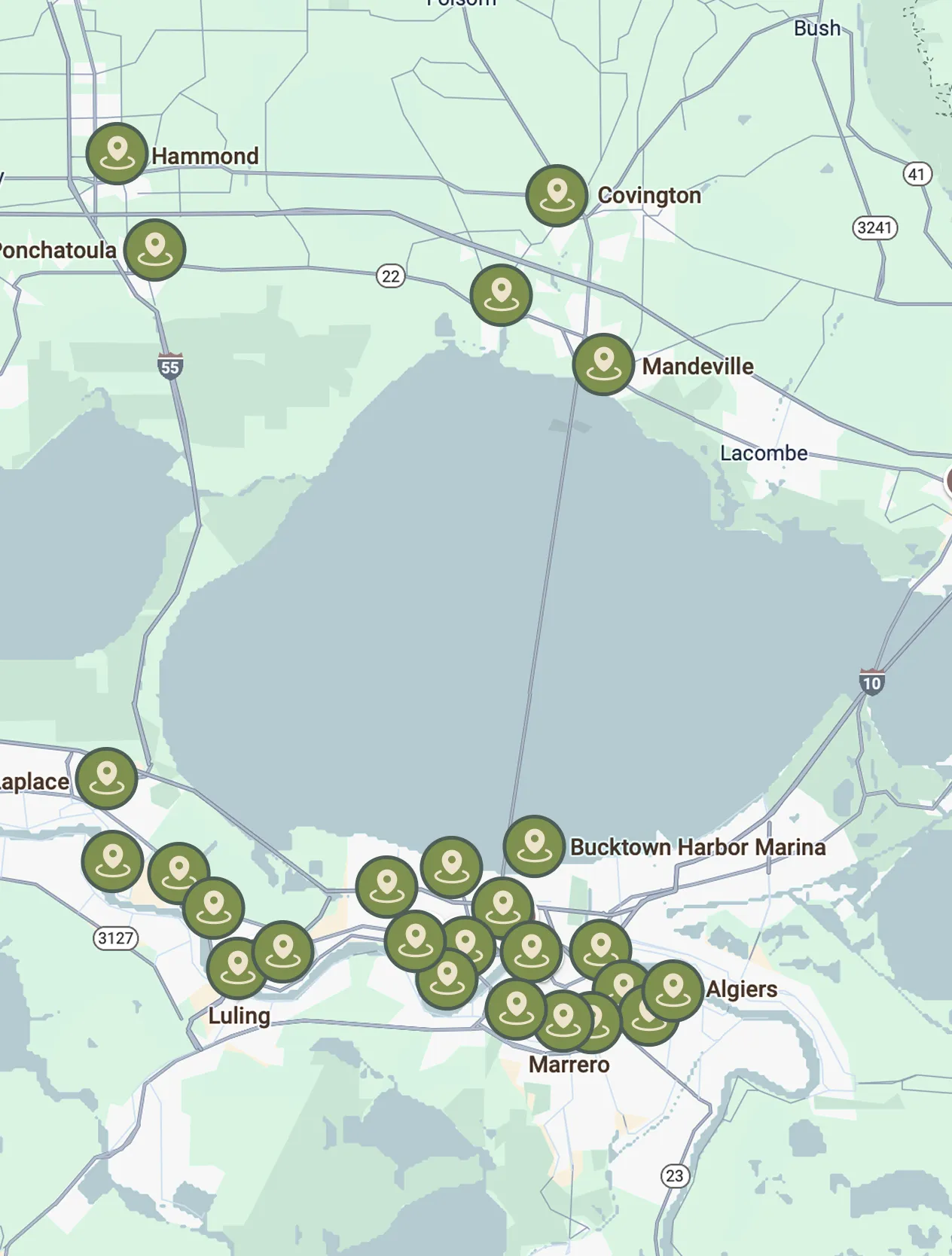
Our service areas are designed to meet the diverse needs of our clients. We focus on providing exceptional service and ensuring customer satisfaction in every location we operate.