
Air Scrubbers in Algiers, LA
.webp)
Often, indoor air quality issues are invisible until they start affecting your health, comfort, or even the structure of your home. In Algiers, LA, where humidity, older buildings, coastal weather, and local air pollution can increase the risk of mold, odors, and particulate buildup, a properly specified air cleaning system can make a significant difference. Cypress Cooling offers expert guidance on air scrubbers, helping homeowners and small businesses select the ideal system to reduce particulates, volatile organic compounds (VOCs), smoke, and biological contaminants. We'll explain what air scrubbers do, how they work, the differences between in duct and standalone units, sizing and installation considerations for Algiers homes, routine maintenance, expected health and property benefits, and practical warranty and financing information.
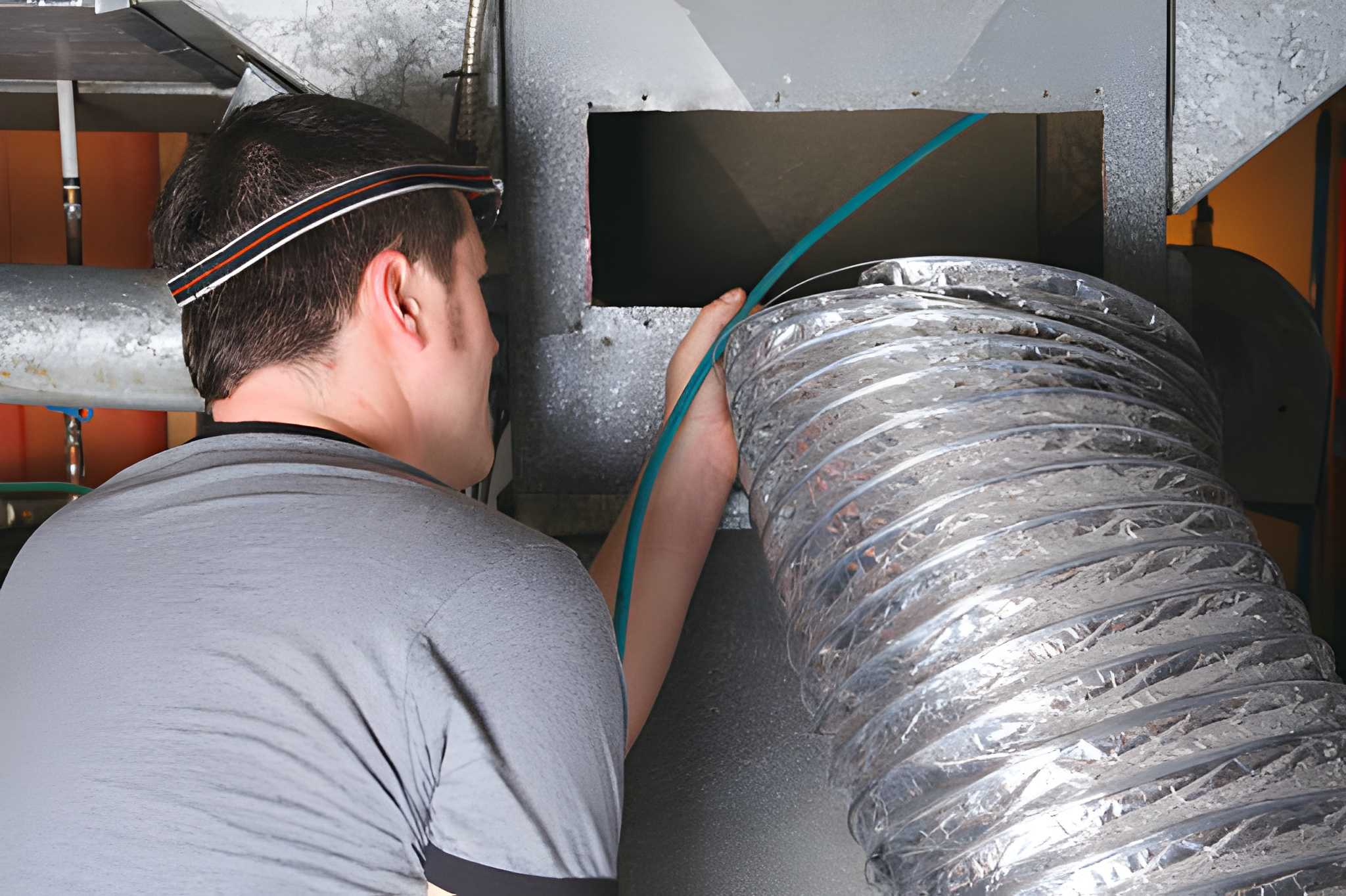
Air Scrubbers in Algiers, LA
Indoor air quality is usually invisible until it affects your health, comfort, or the longevity of your home. In Algiers, LA, where humidity, older housing stock, coastal weather events, and local air pollution create a higher risk for mold, odors, and particulate buildup, properly specified air cleaning makes a measurable difference. Cypress Cooling Company provides expert guidance on air scrubbers so homeowners and small businesses can choose the right system to reduce particulates, volatile organic compounds (VOCs), smoke, and biological contaminants. This page explains what air scrubbers do, how they work, the differences between in-duct and standalone purge units, sizing and installation considerations for Algiers homes, routine maintenance, expected health and property benefits, and practical warranty and financing realities.
Why indoor air quality matters in Algiers, LA
Algiers sits in a humid subtropical climate with hot, humid summers and mild winters. High humidity accelerates mold and mildew growth inside wall cavities, attics, and ductwork after rain events or minor flooding. Many Algiers homes are older and may have more air leaks, aging HVAC systems, and materials that can emit VOCs. Proximity to traffic corridors and industrial areas on both sides of the river can increase particulate matter levels during certain weather patterns. Additionally, regional events like wildfires or controlled burns in nearby parishes can introduce smoke and ultrafine particles into homes.
All of these local factors mean indoor air filtration and contaminant reduction are not luxuries but practical measures to protect respiratory health, reduce allergy triggers, and preserve building materials. Air scrubbers are particularly relevant when mold, smoke, lingering odors, or chronic allergy symptoms are present.
What is an air scrubber and how does it improve indoor air quality
An air scrubber is a device that removes airborne contaminants through filtration, absorption, or chemical oxidation. Unlike standard HVAC filters that mainly capture larger particles, air scrubbers are designed to reduce a wider range of pollutants including:
- Particulates down to submicron sizes, such as dust, pollen, and smoke
- Volatile organic compounds (VOCs) from paints, cleaners, and building materials
- Biological contaminants including mold spores, bacteria, and viruses
- Odors and volatile gases
Air scrubbers use one or more technologies: mechanical filtration (HEPA or high-MERV media), activated carbon or other adsorbents for VOCs and odors, and advanced media or reactors that use photocatalytic oxidation or ionization to neutralize biological contaminants. The goal is to lower the concentration of harmful or irritating substances in the indoor air and in some cases reduce contaminants in the HVAC system itself.
Types of air scrubbers: in-duct vs standalone purge units
Understanding the differences helps you match the solution to your home or business needs.
- In-duct air scrubbers
- Installed directly into the return or supply plenum of an existing HVAC system.
- Treat the circulated air continuously while the system runs.
- Often combine filtration media (high-MERV or HEPA in hybrid designs) with carbon canisters or catalytic media.
- Advantage: whole-house treatment with minimal additional noise or separate footprint.
- Consideration: performance depends on HVAC runtime and proper sizing of the unit relative to system airflow.
- Standalone or purge air scrubbers
- Portable units used for targeted treatment of a single room or for short-term remediation.
- Common in remediation after fire, smoke, renovation, or water intrusion because they can run at high air changes per hour.
- Can be HEPA only, HEPA plus activated carbon, or include specialized reactors for VOCs and odors.
- Advantage: very effective for immediate contamination events and for rooms with localized problems.
- Consideration: not a substitute for whole-house systems when chronic issues exist.
Many modern strategies combine both: an in-duct unit for continuous whole-house protection and a portable purge unit for remediation or particularly sensitive rooms.
Key technical features and performance metrics explained
When comparing models, pay attention to practical performance details rather than marketing terms.
- CADR (Clean Air Delivery Rate)
- Measures the effective rate of particle removal for specific particle sizes. Higher CADR means faster cleaning for a given room size.
- ACH (Air Changes per Hour)
- Indicates how many times the unit can replace the air in a given space per hour. For whole-house solutions, aim for continuous low-level treatment; for remediation, higher ACHs (4 to 12+) are desirable.
- MERV and HEPA ratings
- MERV ratings indicate the ability to capture particles of different sizes. MERV 13 or higher is recommended for enhanced filtration in residential settings. HEPA captures 99.97 percent at 0.3 microns and is used for very fine particulates, including smoke and many biologicals.
- VOC and odor capacity
- Measured by the amount and type of adsorbent media (activated carbon weight and type) or by specific VOC reduction rates. For homes in Algiers where cooking, humidity, or off-gassing are concerns, look for larger carbon beds or catalytic media designed for the contaminants expected.
- Pressure drop and airflow impact
- Higher performance filters increase resistance and can reduce HVAC airflow if installed in-duct without system adjustments. Choose systems designed to maintain proper airflow or ensure the HVAC equipment can handle the additional pressure.
- Noise levels
- Important for portable units in living areas. In-duct units are quieter because they operate in the plenum and use existing system airflow.
Sizing and selecting the right model for Algiers homes and businesses
Right-sizing is critical to achieve the expected benefits. Oversizing wastes money and may create unnecessary pressure drops; undersizing fails to control contaminants.
- For whole-house in-duct systems
- Start with the HVAC system’s designed airflow in cubic feet per minute (CFM). Multiply CFM by 60 to understand hourly air movement.
- A unit should be rated to treat the system CFM without exceeding recommended pressure drops. For example, if your system moves 800 CFM, the in-duct scrubber should handle that airflow at acceptable pressure drop levels.
- Consider the home layout: open floor plans allow easier whole-house treatment; multi-zone systems or multi-story homes may need multiple units or zoned solutions.
- For portable or purge units
- Calculate room volume (square feet times ceiling height). Use CADR or CFM to determine ACH. For ongoing control in bedrooms or living spaces, 2 to 4 ACH can be sufficient. For remediation after smoke or mold activity, target 6 to 12 ACH depending on severity.
- Match media to the problem
- Smoke and wildfire particulates: HEPA plus deep carbon bed for VOCs and odors.
- Mold-prone homes after flooding: HEPA and UV or photocatalytic components to neutralize biologicals if required by remediation protocol.
- VOCs from remodeling: high-capacity activated carbon or chemisorption media and a unit capable of maintaining sufficient ACH during off-gassing periods.
Cypress Cooling Company recommends an on-site assessment to measure current HVAC airflow, identify contaminant sources, and calculate appropriate CADR and ACH targets for reliable results.
Installation steps and compatibility with existing HVAC systems
Installation varies by system type. Below is a general sequence and considerations for seamless integration.
- Pre-install evaluation
- Inspect existing HVAC equipment, ductwork condition, airflow, and return/supply plenum locations. Check for leaks and obstructions that reduce effectiveness.
- In-duct installation overview
- Select mounting location (return plenum is common). Create a sealed opening sized to unit specifications.
- Secure unit with appropriate brackets and ensure electrical requirements are met per local code.
- Integrate control wiring with the HVAC system so the air scrubber runs when the system is operating; some systems also allow continuous low-level operation or variable speed control.
- Verify duct seals and pressure balance after installation.
- Portable unit deployment
- Position units to allow unobstructed intake and discharge. For remediation, place units to create directional airflow from clean to contaminated areas when possible.
- Ensure electrical supply meets the unit’s amperage and that cords do not create tripping hazards.
- Commissioning and testing
- Measure airflow and static pressure to confirm no adverse effects on the HVAC system.
- Confirm media installed correctly and verify emission levels for ozone if the device includes ionization technologies. Use models that are certified to produce negligible ozone for occupied spaces.
- For homes in Algiers at risk of hurricane-related power outages or flooding, consider elevating portable units off floors and ensuring in-duct units are mounted above potential flood lines.
Compatibility note: Some older HVAC systems with low fan capacity may need fan upgrades or a bypass approach to avoid reduced overall airflow when adding high-efficiency in-duct media.
Routine maintenance: filters, media replacement, and service intervals
Proper maintenance ensures long-term performance and protects your investment.
- Filter and media replacement schedules
- HEPA filters: commonly replaced every 12 to 24 months for whole-house use, more frequently for portable units used heavily or in remediation. Check pressure drop recommendations from the manufacturer.
- Activated carbon beds: replacement depends on contaminant load; in homes with heavy cooking, smoking, or VOC sources expect replacement every 6 to 18 months.
- Pre-filters: often affordable and protect main media; replace every 1 to 3 months depending on dust load.
- Annual inspections
- Inspect seals, electrical connections, and mounting hardware annually. Have airflow and pressure checked to ensure performance has not degraded.
- Professional service
- Certified HVAC technicians or specialized IAQ professionals can test for particulate count reduction, VOC levels, and airflow impacts. For homes that experienced mold growth or fire damage, professional verification of contaminant reduction is recommended before re-occupancy.
- User maintenance tips
- Keep intake and discharge areas clear.
- Use recommended replacement parts and avoid DIY media that may release trapped contaminants back into the home.
- Document filter changes and service events to track performance trends.
Expected benefits for allergy and respiratory concerns, and for mold and smoke-prone environments
Air scrubbers can deliver measurable improvements in multiple areas relevant to Algiers homes.
- Reduced allergy triggers
- Effective removal of pollen, dust mite fragments, and pet dander can lower airborne allergen loads, reducing symptoms for residents with seasonal or perennial allergies.
- Better respiratory comfort
- Lower particulate and VOC concentrations help people with asthma, COPD, or chemical sensitivities breathe easier and reduce exacerbations tied to indoor exposures.
- Mold and moisture-related benefits
- While air scrubbers do not replace source control for moisture, they reduce airborne mold spores and secondary contaminants, lowering the chance of spore redistribution during remediation and reducing musty odors.
- Smoke and odor control
- In-duct and purge units designed for smoke removal reduce both visible particulates and the persistent odors from cooking or regional smoke events.
- Protection for HVAC systems
- Capturing contaminants within a scrubber can reduce dust and biological buildup inside ductwork and coils, which supports system efficiency and lowers the risk of mold colonization in hidden cavities.
Quantifying benefits: professional assessments show that properly sized systems can reduce particulate counts by 50 percent or more for specific particle sizes within days, and can reduce VOC concentrations substantially depending on media capacity and ventilation. Actual results depend on contaminant source strength, unit sizing, and maintenance.
Warranty and financing options explained
Manufacturers and local service providers structure warranties and payment options differently. Understand the typical framework before making a decision.
- Warranties
- Manufacturer warranties often cover defects in materials and workmanship for a defined period, commonly 1 to 5 years for parts. Some components such as fans, motors, or advanced reactors may have separate coverage timelines.
- Extended warranties: available from certain manufacturers or through service providers to cover replacement media, labor, and additional parts beyond the factory period. Review what is excluded, such as consumable media or misuse.
- Installation warranty: reputable installers may provide a limited labor warranty on installation workmanship. Confirm coverage length and what actions void the warranty, such as improper maintenance or unauthorized repairs.
- Financing options
- Many HVAC and indoor air quality providers offer financing or payment plans through third-party lenders or in-house programs to spread costs over time. Options can include fixed-term loans, deferred interest plans, or monthly payment arrangements.
- Public incentive programs: in some cases, utility rebates or energy efficiency programs may offset the cost of high-efficiency HVAC upgrades that integrate air cleaning. Availability varies by location and program cycle.
- Budgeting tips: consider total cost of ownership including maintenance and media replacements when comparing models and financing plans.
When evaluating warranties and financing, prioritize transparency around replacement media costs and expected service intervals so the long-term budget is predictable.
Practical limitations and when additional steps are needed
Air scrubbers are powerful tools but not standalone cures for all indoor air problems.
- Source control remains primary
- If mold growth is ongoing due to leaks or moisture intrusion, the source must be fixed. Air scrubbers reduce airborne spores but do not stop growth inside wet cavities.
- For VOCs from building materials, removal or sealing of the source combined with ventilation and adsorption provides the best outcome.
- Not all technologies are suitable for occupied spaces
- Some ionization or ozone-producing devices are not appropriate for occupied homes. Use only models rated safe for occupied residential spaces and verified to produce low or no ozone emissions.
- Complement with ventilation
- Filtration and adsorption work best alongside adequate ventilation to dilute and replace stale air. In humid climates like Algiers, use dehumidification strategies to limit microbial growth while relying on scrubbers for airborne removal.
Final considerations for Algiers homeowners and businesses
Choosing an air scrubber in Algiers requires matching technology to the common local challenges: high humidity, older construction, occasional smoke intrusion, and variable ventilation. A combined approach that includes proper ventilation, moisture control, and a correctly sized air scrubber will produce the most reliable improvements. Cypress Cooling Company emphasizes objective measurement and ongoing maintenance to ensure systems continue to meet health and comfort goals over time.
OUR CLIENTS HAVE TO SAY ABOUT US



Service areas
Our service areas are designed to meet the diverse needs of our clients. We focus on providing exceptional service and ensuring customer satisfaction in every location we operate.

