
Air Quality Testing in Westwego, LA
.webp)
Cypress Cooling's indoor air quality testing in Westwego identifies pollutants that can impact your health, comfort, and the durability of your building. Our service covers a wide range of contaminants, including mold, VOCs, PM2.5/PM10, formaldehyde, humidity, CO2, and related conditions. We offer customizable packages for homes, multiunit buildings, or small commercial spaces. The process includes an on site inspection, real time monitoring, lab analysis, and a clear report with actionable remediation and maintenance recommendations. Cypress Cooling's results guide targeted upgrades to ventilation, filtration, moisture control, and source removal, followed by verification testing to ensure a healthier indoor environment.
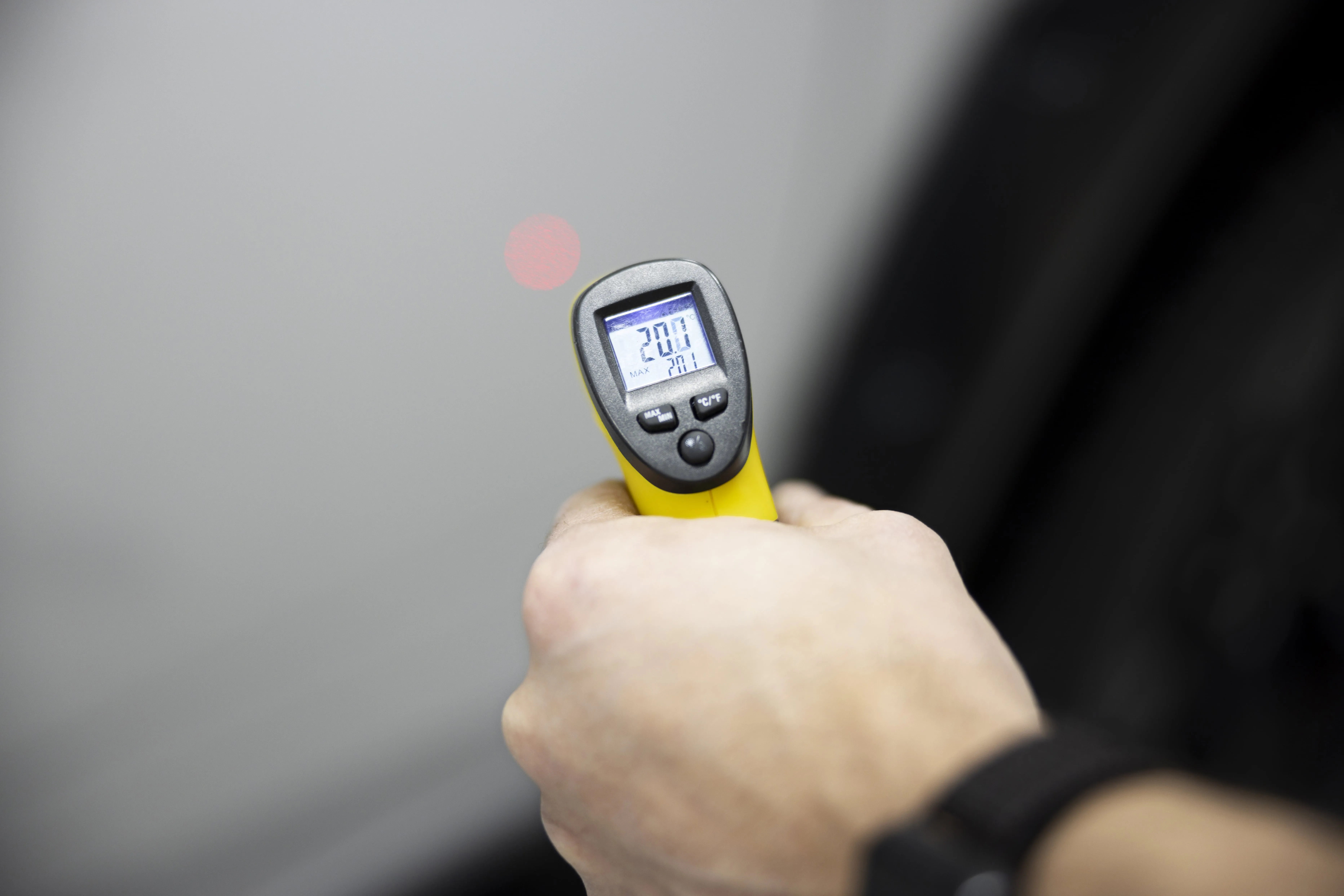
Air Quality Testing in Westwego, LA
Indoor air quality testing in Westwego, LA helps homeowners and building managers identify pollutants that affect health, comfort, and building durability. In a Gulf Coast community where high humidity, occasional coastal flooding, and nearby industrial activity can increase airborne particles, mold growth, and volatile chemical levels, targeted testing gives the evidence needed to prioritize remediation and system upgrades that deliver measurable improvements.
Why testing matters in Westwego, LA
Westwego homes face a few location-specific risks:
- High year-round humidity and summer heat encourage mold and dust mite growth.
- Periodic heavy rains and localized flooding create conditions for hidden moisture intrusion.
- Proximity to shipping, river industry, and transport corridors can raise indoor infiltration of fine particulates and VOCs.
- Older homes and duct systems common in the region may circulate contaminants rather than remove them.
Testing turns uncertainty into actionable data so you know whether a problem is an intermittent nuisance or a chronic health risk that requires professional remediation or HVAC upgrades.
What we test for
Typical indoor air quality testing packages include a combination of these measurements:
- Particulate matter (PM2.5 and PM10) - measures fine and inhalable particles linked to respiratory and cardiovascular effects.
- Mold and spore sampling - air samples and surface tape/swab tests identify elevated fungal spore counts and types associated with indoor growth.
- VOC testing - measures a broad mix of volatile organic compounds that cause odors, irritation, or long-term health concerns.
- Formaldehyde testing - targeted screening for a common irritant emitted from pressed wood products, new furnishings, and some building materials.
- Humidity and temperature logging - continuous or spot checks to assess conditions favorable to mold and dust mites.
- CO2 measurements - an indicator of ventilation effectiveness and occupant-generated pollutants.
Packages can be customized for homes, multiunit buildings, or small commercial spaces depending on concerns like persistent odors, allergy symptoms, recent water damage, or renovation odors.
Common indoor air quality issues in Westwego
- Mold growth after flooding or chronic leaks, often hidden in wall cavities, crawlspaces, attics, or ductwork.
- Elevated indoor humidity above recommended ranges that promotes biological growth.
- Periodic spikes in fine particle levels from outdoor smoke, diesel traffic, or nearby industrial emissions that penetrate older building envelopes.
- VOCs and formaldehyde from new cabinetry, paints, cleaning products, or hobby solvents.
- Poor ventilation leading to elevated CO2 and buildup of indoor-generated pollutants.
Testing process and typical timeline
Testing follows a logical sequence designed for clear results and practical recommendations.
- Pre-test consultation
- Discuss symptoms, complaint locations, known water events, building age, HVAC history, and daily occupancy patterns to design the right test plan.
- On-site inspection and sampling
- Visual inspection of suspect areas (attics, crawlspaces, HVAC systems).
- Deploy particle counters for real-time PM2.5/PM10 monitoring and CO2/logging devices for ventilation assessment.
- Collect air and surface samples for mold analysis and passive or active sampling for VOCs and formaldehyde.
- Typical on-site time: 2 to 4 hours for standard residential assessments. Extended monitoring may be recommended over 24 to 72 hours for variable conditions.
- Laboratory analysis
- Mold spore counts, VOC speciation, and formaldehyde quantification are analyzed by accredited labs.
- Lab turnaround typically ranges from 3 to 7 business days depending on the scope; expedited options may be available for urgent situations.
- Report delivery and interpretation
- Receive a written report with raw data, lab certificates, charts comparing results to health-based reference values, and an expert interpretation of what the numbers mean for occupants of your building.
How results are reported and interpreted
Reports are designed for clarity and actionability:
- Executive summary listing the primary issues and prioritized recommendations.
- Visual charts showing particulate trends, CO2 peaks, humidity levels, and spore concentrations by sampling location.
- Lab result tables with reference benchmarks from recognized health agencies and an explanation of whether levels are considered typical, elevated, or potentially hazardous.
- Photographs from the inspection documenting suspect sources (visible mold, water stains, damaged insulation).
- A practical action plan that ranks remediation steps by impact and urgency.
Interpretation is focused on occupant health and cost-effective fixes. For example, an isolated elevated mold spore count tied to a recent leak will lead to moisture control and targeted remediation. Widespread elevated VOCs without a single source will suggest source removal, improved ventilation, and adsorption filtration.
Recommended remediation and system upgrades
Recommendations are tailored to the findings and local conditions. Common solutions include:
- Source control
- Repair leaks, dry and replace water-damaged materials, remove mold-contaminated items, and replace high-emitting materials where feasible.
- Moisture management
- Improve drainage, repair flashing and roofing, install or service sump pumps, and add crawlspace encapsulation or insulation where needed.
- HVAC and filtration improvements
- Clean and inspect ducts, replace filters with higher-efficiency options appropriate for the system (MERV 8-13 for central systems; HEPA filtration for portable units or ducted systems that can handle it).
- Add activated carbon filtration to reduce VOCs and formaldehyde.
- Consider whole-house dehumidification or properly sized portable dehumidifiers to maintain relative humidity below levels that encourage mold growth.
- Ventilation upgrades
- Improve outdoor air exchange with energy recovery ventilators (ERVs) or heat recovery ventilators (HRVs) where climate-appropriate, and optimize exhaust ventilation in kitchens and bathrooms.
- Localized remediation
- Use trained mold remediation professionals for extensive contamination; small localized problems may be handled by targeted removal and cleaning if documented by testing.
- Follow-up verification
- Post-remediation testing confirms that actions reduced contaminants to acceptable levels and provides documentation for occupant safety and resale value.
Maintenance and prevention advice
- Keep indoor relative humidity between 30% and 50% when possible; in coastal climates, aim to avoid sustained periods above 60%.
- Replace HVAC filters regularly and monitor system performance during humid months.
- Promptly dry and repair any water intrusion after storms and inspect attic and crawlspaces seasonally.
- Use low-VOC paints and furnishings and ventilate strongly during renovations.
- Monitor CO2 or ventilation performance if occupants report stale air or frequent headaches.
Final notes on choosing testing
Effective indoor air quality testing in Westwego, LA is evidence-driven and location-aware. A thorough assessment pairs on-site inspection with targeted laboratory analysis and results in a clear, prioritized remediation plan that addresses both immediate health concerns and longer-term resilience to the local climate and environmental factors. Follow-up testing verifies results and helps ensure the indoor environment remains healthy and comfortable.
OUR CLIENTS HAVE TO SAY ABOUT US



Service areas
Our service areas are designed to meet the diverse needs of our clients. We focus on providing exceptional service and ensuring customer satisfaction in every location we operate.

