Air Quality Testing in Terrytown, LA
.webp)
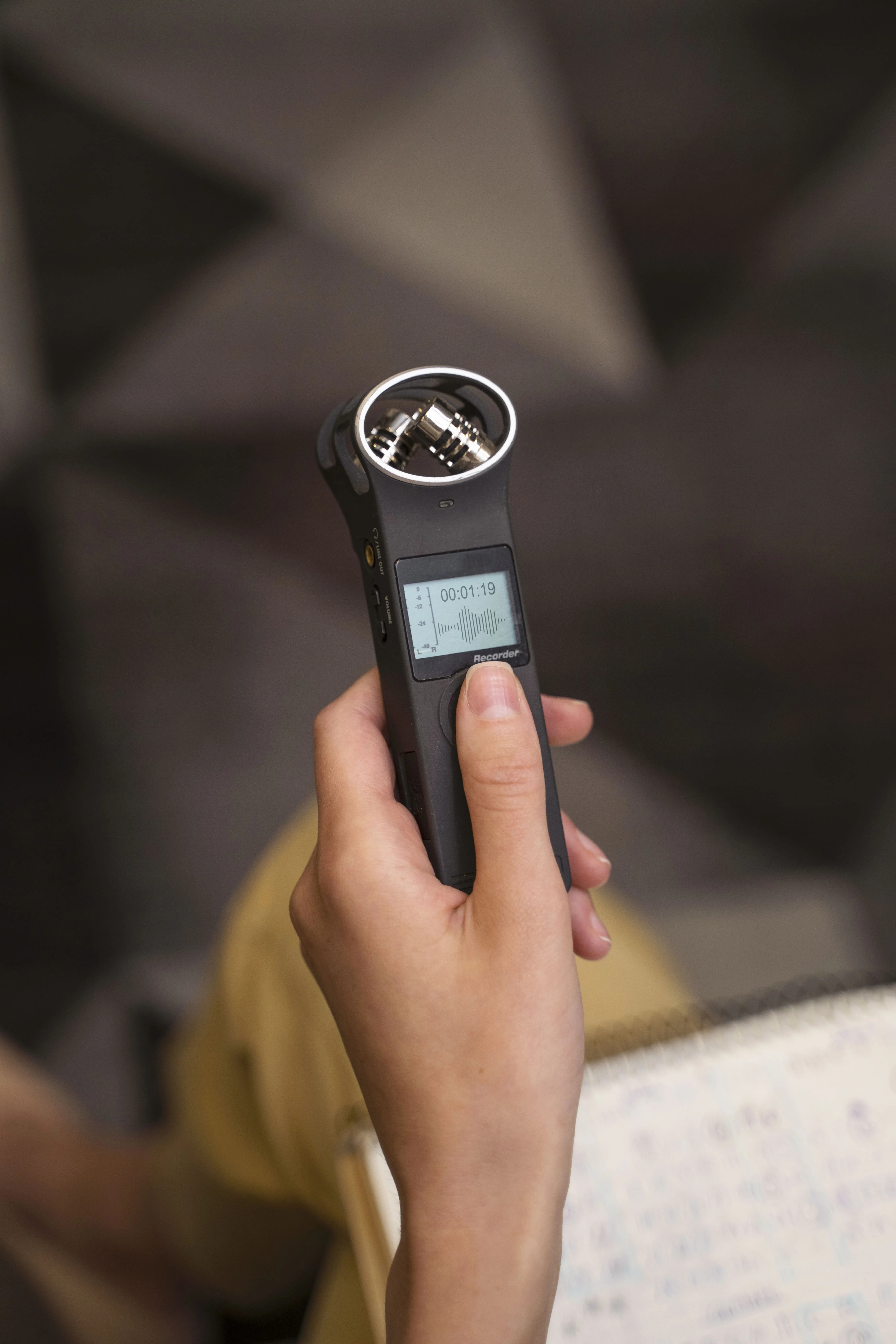
For residents and businesses in Terrytown, LA, Cypress Cooling provides on site air quality testing services that offer a detailed assessment of your indoor environment. We identify contaminants through targeted sampling methods, which may include particulate counts, mold spore analysis, VOC screening, and humidity measurements. Each evaluation is tailored to the unique needs of your home or business. Cypress Cooling converts our findings into actionable remediation plans focusing on source control, duct cleaning, improved ventilation, and moisture management. We also outline expected timelines, follow up testing, and ongoing maintenance to safeguard occupant health, enhance comfort, and protect the structural integrity of your Terrytown property.
Air Quality Testing in Terrytown, LA
Indoor air quality directly affects comfort, health, and property value. In Terrytown, LA, where high humidity, frequent storms, and older housing stock increase the risk of mold, allergens, and moisture-driven damage, professional air quality testing identifies hidden problems and guides targeted remediation. This page explains on-site air quality testing services available in Terrytown, LA, the specific tests performed, how samples are collected and interpreted, and clear remediation and follow-up options tailored to local conditions.
Why air quality testing matters in Terrytown, LA
Terrytown sits in a humid subtropical climate with hot, humid summers, mild winters, and periodic heavy rainfall and hurricane-driven flooding. Those conditions make homes in Terrytown prone to:
- Elevated indoor humidity that promotes mold growth and dust mite populations
- Seasonal spikes in mold spores and pollen after storms
- Increased off-gassing of VOCs from wet building materials and renovation activity
- Cumulative particulate buildup in older duct systems
Testing confirms whether occupants are exposed to elevated particles, biological contaminants, or volatile chemicals and provides a clear roadmap for remediation that’s appropriate for local climate-related sources.
Common air quality issues in Terrytown, LA
- Mold contamination and elevated spore counts after roof leaks, floods, or persistent condensation
- High relative humidity causing musty odors, increased allergens, and accelerated material degradation
- Elevated particulate matter (PM2.5 and PM10) from outdoor smoke or indoor activities
- VOCs from paints, finishes, new carpeting, or damp building materials
- Allergen buildup (dust mites, pet dander, cockroach fragments) that aggravates asthma and allergies
- Poor ventilation and dirty HVAC ducts trapping dust, mold, and particulates
Types of on-site tests offered
On-site testing is tailored to the suspected problem and the property’s layout. Typical assessments include:
- Particulate counts: real-time measurement of PM2.5 and PM10 to quantify fine and coarse particles
- Mold spore sampling: air cassette samples and tape or bulk samples from surfaces to identify concentrations and genera
- VOC testing: can include direct-reading meters for immediate screening and lab-based sampling for compound identification
- Humidity measurements: spot and continuous measurements to map relative humidity and dew point risk areas
- Allergen assessments: targeted sampling for dust mite, pet dander, and cockroach allergens when occupants report symptoms
The sampling process and timelines
- Initial consultation and walkthrough: a technician reviews the property, occupant concerns, recent water events, and selects test locations relevant to living spaces, crawlspaces, attics, duct returns, and problem rooms.
- Baseline measurements: onsite instruments record temperature, relative humidity, and particle levels immediately. These readings help determine if conditions are likely to support biological growth.
- Air and surface sampling: air samples for mold and VOCs are taken in living areas and at source locations. Surface swabs or tape lifts are taken from visible suspect material when present.
- Sampling duration: particulate and humidity readings are instantaneous; typical air sample draws run from 5 to 30 minutes depending on the method. VOC lab canister or sorbent tube samples may require brief active sampling.
- Lab analysis and reporting timelines: same-day provisional reports are possible for particle counts and humidity. Laboratory-confirmed mold and VOC reports typically return within 2 to 7 business days depending on the test panel and lab workload.
- Immediate findings: if dangerous conditions are identified (for example, extremely high particulate levels or obvious microbial growth), technicians will document hazards and recommend interim steps to reduce exposure while awaiting lab confirmation.
How results are interpreted and reported
Reports translate technical data into clear, actionable information:
- Quantitative results with context: values for PM2.5, relative humidity, mold spore counts, or VOC concentrations alongside typical indoor background ranges and relevant health guidance.
- Comparative analysis: indoor vs outdoor spore ratios, identifying whether contamination is internally generated or driven by outdoor influx after storms.
- Identification of likely sources: moisture intrusion points, aging ductwork, recent renovations, or occupant activities linked to elevated readings.
- Risk-based recommendations: prioritized actions based on measured levels, occupant sensitivities (children, elderly, asthma), and structural risks to the building envelope.
Reports typically include photographs of sampling locations, raw data, interpreted findings, and a step-by-step remediation and follow-up plan.
Recommended remediation strategies for Terrytown homes
Remediation is chosen based on test findings and local climate considerations:
- Source control: repair leaks, improve drainage, and remediate water intrusion identified as the primary driver of mold or dampness.
- Air purification: high-efficiency HEPA filtration systems to remove particulates; activated carbon filters for VOC reduction; portable purifiers for targeted rooms.
- Humidity management: deploy dehumidifiers or whole-house humidification/dehumidification solutions to maintain indoor relative humidity between 40% and 50% to inhibit mold and dust mites.
- Duct cleaning and HVAC servicing: thorough cleaning of ducts, coils, and returns when dust, microbial growth, or debris is confirmed; ensure filters meet MERV recommendations for the home and are replaced regularly.
- Targeted mold remediation: containment, removal of affected materials when necessary, and antifungal treatment following industry standards to prevent recurrence.
- Ventilation improvements: increase fresh air exchange and upgrade exhaust fans in kitchens and bathrooms to counteract humid conditions common in Terrytown.
Additional options in moisture-prone areas include vapor barriers for crawlspaces, attic ventilation improvements, and installation of flood-resistant materials in basements or ground-floor areas.
Follow-up testing and ongoing service options
- Clearance testing: after remediation, follow-up testing (typically within 7 to 14 days) verifies that spore counts, VOCs, and particulates have returned to acceptable levels.
- Seasonal checks: post-storm and post-hurricane assessments are advisable in Terrytown to catch moisture-related issues early.
- Periodic monitoring: install or schedule periodic checks with indoor air quality monitors for continuous tracking of PM2.5, humidity, and CO2 to maintain a healthy indoor environment.
- Maintenance plans: routine HVAC inspections, filter replacement schedules, and duct cleanings aligned with local humidity cycles prevent reoccurrence.
Benefits of professional air quality testing in Terrytown, LA
Professional testing provides evidence-based clarity about indoor hazards, protects vulnerable household members, prevents prolonged property damage, and guides cost-effective remediation. In Terrytown’s humid environment, timely testing and targeted interventions reduce mold-related health risks and extend the life of building materials and HVAC systems.
Practical maintenance tips to reduce future risks:
- Keep indoor relative humidity near 40-50%
- Run exhaust fans during and after showers and cooking
- Replace HVAC filters regularly and consider higher-efficiency filters compatible with your system
- Address roof, window, and foundation leaks promptly after storms
- Use HEPA filtration in bedrooms and living areas for allergy relief
Accurate, local testing and follow-up create a reliable path from problem identification to proven improvement, helping Terrytown homeowners breathe easier and protect their investment.
OUR CLIENTS HAVE TO SAY ABOUT US



Service areas
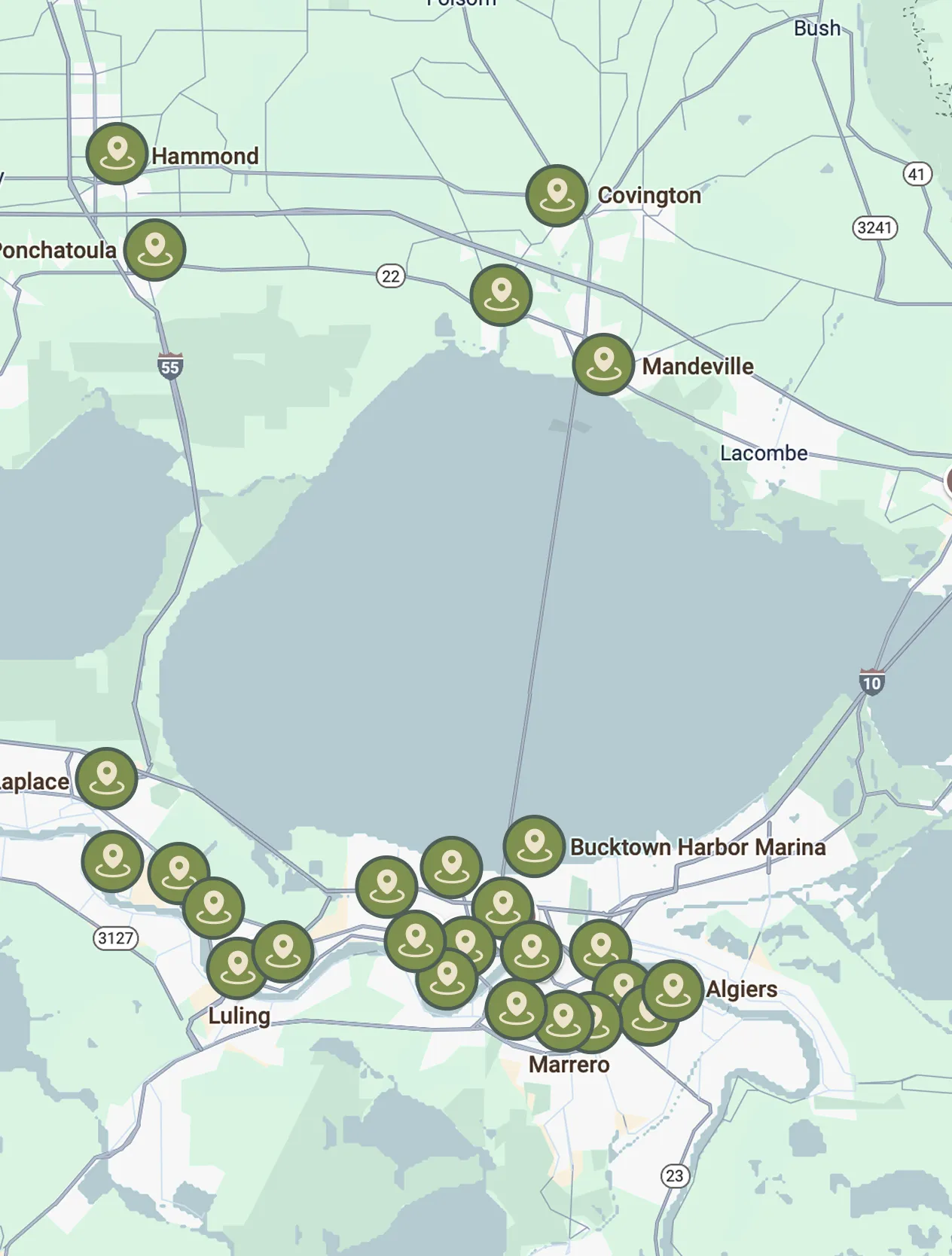
Our service areas are designed to meet the diverse needs of our clients. We focus on providing exceptional service and ensuring customer satisfaction in every location we operate.