Air Quality Testing in St. Rose, LA
.webp)
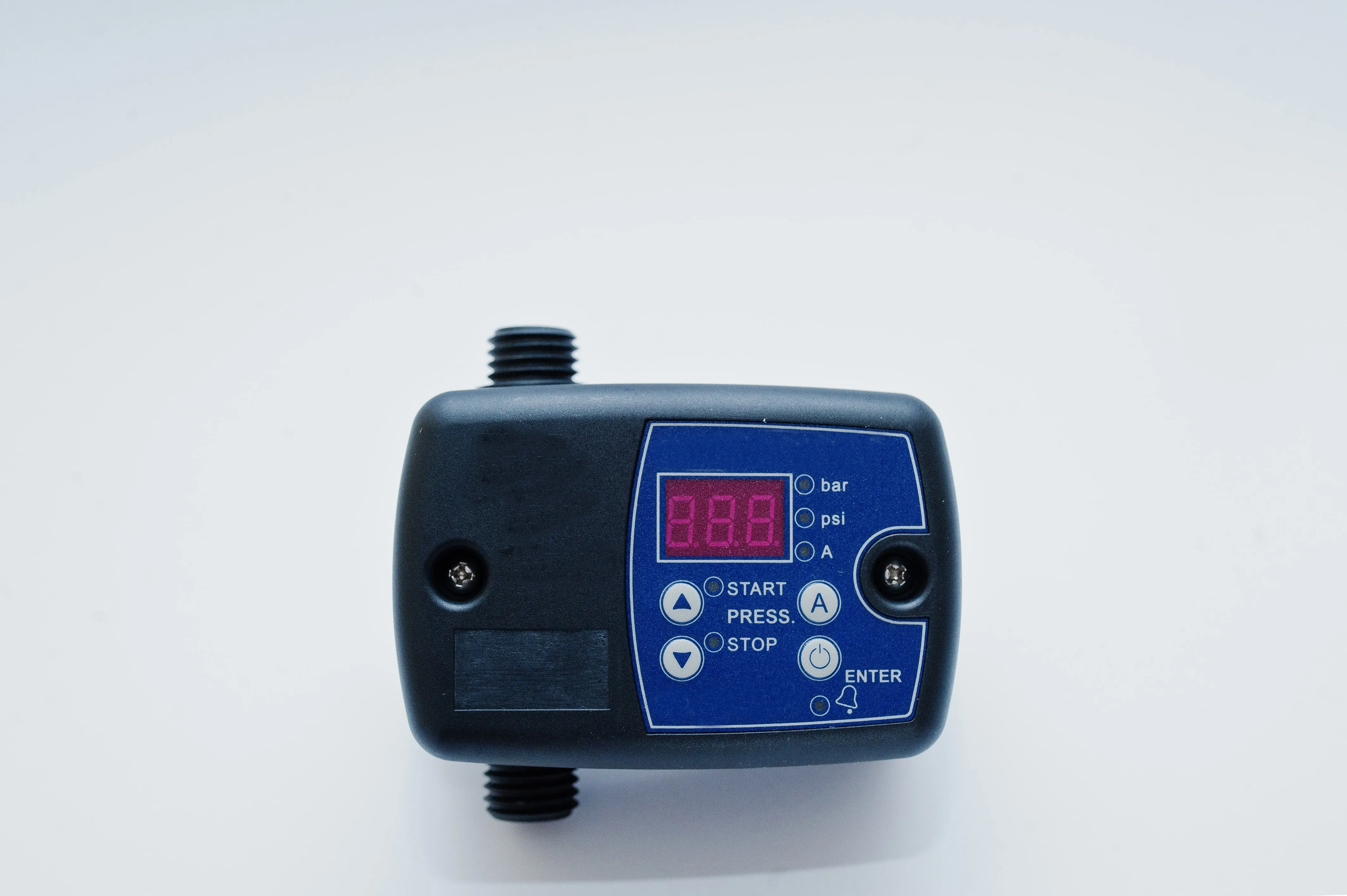
In St. Rose, LA, ensuring good indoor air quality is crucial. Air quality testing provides a targeted and measurable way to identify pollutants that can affect your health and comfort. Cypress Cooling offers a comprehensive service that covers key contaminants like PM2.5 and PM10, VOCs, mold spores, CO/CO2, humidity, and temperature. Our process includes an on site walkthrough, representative sampling, and rapid lab analysis. We then translate the data into clear recommendations and prioritized remediation actions. Cypress Cooling also offers follow up verification, seasonal maintenance, and ongoing monitoring to ensure lasting improvements. With Cypress Cooling, you'll gain actionable insights, improved ventilation, and a healthier indoor environment for your home or business in St. Rose.
Air Quality Testing in St. Rose, LA
Indoor air quality testing in St. Rose, LA helps homeowners and businesses identify hidden pollutants that can worsen allergies, trigger asthma, and reduce overall comfort. In St. Rose, local factors like high humidity, seasonal flooding, nearby industrial activity, and older housing stock increase the risk of mold, elevated particulate matter, and volatile organic compound (VOC) buildup. Professional testing provides clear data, prioritized recommendations, and verification steps so you can breathe easier and protect vulnerable occupants.
Common indoor air quality issues in St. Rose, LA
- Mold growth and elevated spore counts: Hot, humid weather and past flooding create ideal conditions for mold in attics, crawlspaces, and wall cavities.
- High humidity and temperature fluctuations: Poor humidity control encourages biological growth and increases perceived stuffiness.
- Particulate matter (PM2.5): Fine particles come from outdoor sources (traffic, industrial emissions, wildfire smoke) and indoor activities (cooking, candles). PM2.5 penetrates deep into lungs.
- VOCs and off-gassing: New paints, cleaners, pesticides, and building materials release VOCs that can cause headaches, irritation, and long-term effects with chronic exposure.
- Carbon monoxide and elevated CO2: Generators, gas appliances, and inadequate ventilation can lead to dangerous CO or high CO2 that indicates poor ventilation.
- Dust and debris in ductwork: Older duct systems or water-damaged ducts can carry particulates and biological material throughout the home.
What our indoor air quality testing covers
Our St. Rose air quality testing includes targeted, measurable services to pinpoint problems and guide solutions:
- Particulate matter (PM2.5 and PM10) monitoring: Real-time particle counts and integrated sampling to quantify fine and coarse particles.
- VOCs testing: Measurement of total VOCs and targeted sampling for common compounds when suspected.
- Mold spore sampling: Airborne spore collection and laboratory analysis, plus optional surface tape, swab, or bulk samples for identification.
- Carbon monoxide (CO) and carbon dioxide (CO2) monitoring: Short- and longer-term logging to detect unsafe CO and assess ventilation using CO2 as a proxy.
- Humidity and temperature logging: Continuous monitoring to reveal cyclic humidity problems, dew point risks, and condensation-prone areas.
On-site assessment, testing process, and timeline
- Initial walkthrough and history: Technician documents occupant symptoms, known moisture events, visible mold, and appliance locations to tailor sampling.
- Equipment placement: Particle counters, VOC samplers, CO/CO2 loggers, and humidity sensors are positioned in representative living areas and problem rooms.
- Sampling duration:
- Spot tests and visual inspection take 1 to 2 hours.
- Continuous monitoring (PM, VOCs, CO/CO2, humidity) is typically run from 8 to 24 hours for a comprehensive profile; in some cases 48-hour monitoring is recommended to capture daily cycles.
- Mold air samples are collected during the visit and sent to a lab for analysis.
- Lab turnaround and reporting: Laboratory results for mold and VOC speciation are usually available within 48 to 72 hours after sampling. Final interpretive reports are prepared once all data is compiled, generally within 3 to 7 business days depending on sampling complexity.
How results are reported and interpreted
Reports are written for non-technical readers and include:
- Clear data tables and charts showing concentrations over time and peak events.
- Reference comparisons using recognized guidelines (for example, WHO and EPA guidance for PM, and industry ventilation standards) to indicate low, moderate, or high concern levels.
- Photographs and sampling maps so you can see where data was collected.
- Health implication summaries explaining what each measured pollutant can mean for occupants, especially children, seniors, and people with respiratory conditions.
- Prioritized remediation recommendations with expected timelines and the relative impact of each action. Reports also outline follow-up verification testing options.
Recommended remediation strategies and what they address
- Filtration and air cleaning: High-efficiency filters (MERV 13+ in HVAC where compatible) and portable HEPA cleaners reduce PM2.5 and airborne allergens quickly. Effective for wildfire smoke, cooking particles, and dust.
- UV germicidal lights: Installed in HVAC systems to inactivate mold spores and bacteria circulating through ducts and coils; best used alongside filtration and moisture control.
- Humidification or dehumidification: Active humidity control keeps relative humidity in the 40 to 50 percent range to limit mold growth and dust mite survival. In St. Rose, dehumidification is often a priority during warm months.
- Source control for VOCs: Identifying and removing or replacing high-VOC products, increasing ventilation during and after renovations, and choosing low-VOC materials reduce chemical exposures.
- Duct cleaning and sealing: Targeted cleaning of mold-contaminated or dust-laden ducts, plus sealing leaks, reduces redistributed particulates and improves HVAC efficiency.
- Ventilation upgrades: Introducing balanced mechanical ventilation (ERV or HRV) or simple exhaust/indoor-outdoor strategies improves fresh air exchange and lowers CO2 and VOC accumulation.
Expected health and comfort benefits
After implementing recommended solutions, occupants commonly report:
- Reduced frequency and intensity of allergy and asthma symptoms.
- Fewer headaches and less irritation of eyes, nose, and throat related to VOC exposure.
- Better sleep and daytime comfort with improved ventilation and humidity control.
- Lower risk of mold recurrence when moisture sources are addressed.
Packages, verification testing, and maintenance plans
Typical testing packages for St. Rose properties include:
- Basic IAQ snapshot: Walkthrough, spot PM, CO/CO2, and humidity checks for quick assessments.
- Comprehensive 24-hour monitoring: Continuous PM, VOC, CO/CO2, and humidity logging plus mold air samples and lab analysis.
- Mold-focused inspection: Detailed moisture mapping, surface and airborne mold sampling, and tailored remediation spec.
Follow-up services and maintenance plans support long-term results:
- Verification testing after remediation to confirm effectiveness.
- Seasonal maintenance including HVAC filter replacement schedules, humidity control checks, and periodic duct inspections.
- Ongoing monitoring plans if chronic or intermittent issues require regular data to manage indoor air quality proactively.
Indoor air quality testing in St. Rose, LA gives you measurable answers instead of guesswork. By aligning targeted testing with practical, prioritized solutions and seasonal maintenance, most homes and businesses see meaningful improvements in health, comfort, and indoor environmental safety.
OUR CLIENTS HAVE TO SAY ABOUT US



Service areas
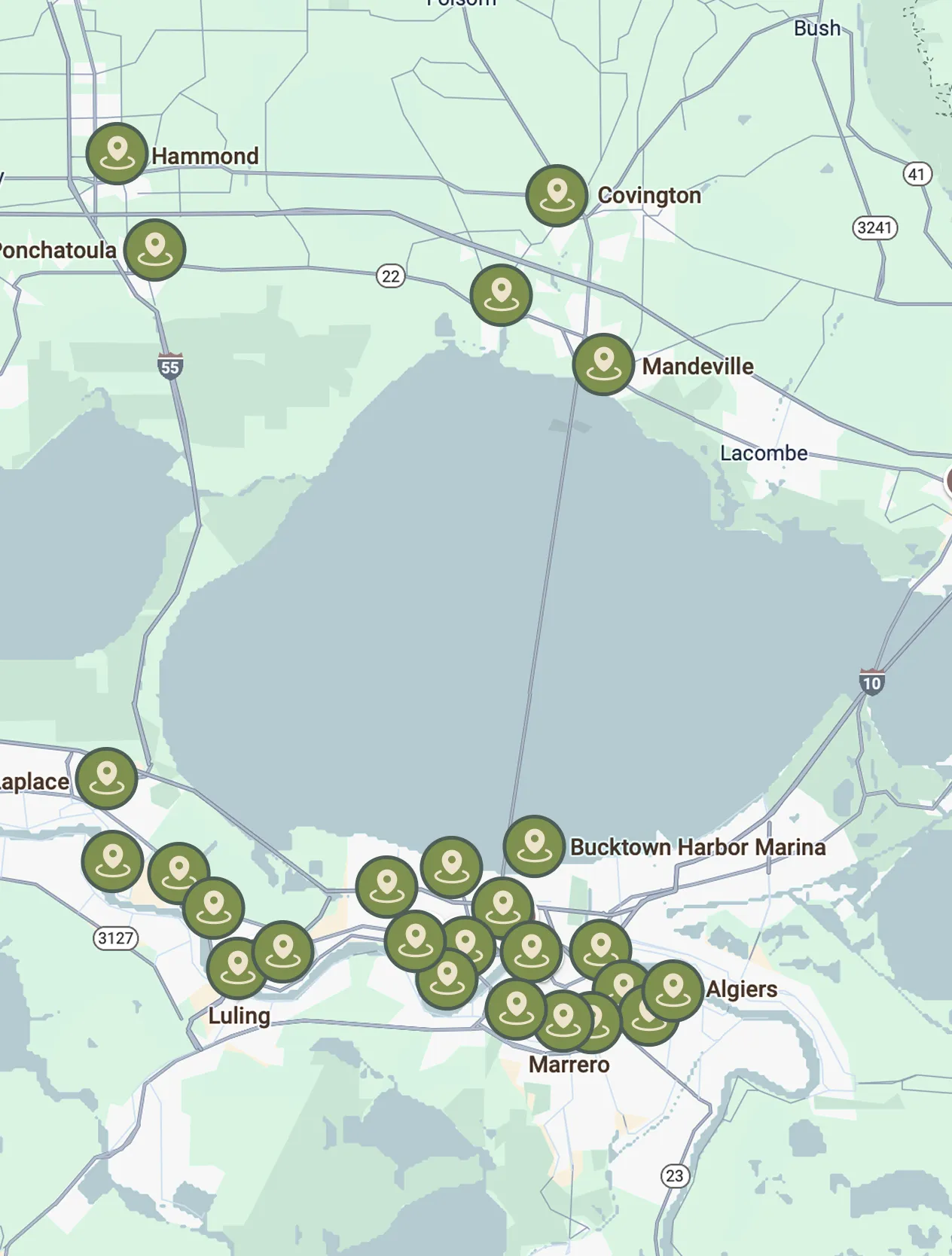
Our service areas are designed to meet the diverse needs of our clients. We focus on providing exceptional service and ensuring customer satisfaction in every location we operate.