Air Quality Testing in River Ridge, LA
.webp)
Cypress Cooling helps homeowners in River Ridge, LA, understand the potential impact of indoor pollutants on their health and comfort, especially in our humid Gulf Coast climate. We outline common triggers such as mold, moisture, VOCs, dust, and outdoor allergens, and explain how our testing evaluates particulates, VOCs, mold, CO and CO2, and humidity levels. We'll walk you through our sampling methods, explain how to interpret the results, and provide a prioritized remediation plan—from source control to filtration, ventilation, and ongoing maintenance—with clear timelines for on site assessments, lab analyses, and final reports. With Cypress Cooling, you'll gain the knowledge and tools you need to improve your indoor air quality.
-min.webp)
Air Quality Testing in River Ridge, LA
Indoor air quality can have a direct impact on comfort, health, and energy use in River Ridge homes. With the Gulf Coast climate, frequent humidity, seasonal pollen, and occasional storm-related water intrusion, residents are more likely to encounter mold growth, elevated allergens, and VOC infiltration after renovations or flooding. Professional Air Quality Testing in River Ridge, LA identifies what is in your indoor air, explains the health and comfort implications, and provides a clear, prioritized plan for remediation or system upgrades tailored to your property.
Common air quality issues in River Ridge, LA
Understanding local triggers helps target testing and solutions. Typical indoor air concerns for River Ridge homes include:
- Mold and fungal spores after high-humidity periods or storm-related water events, especially in attics, crawlspaces, and walls
- Elevated humidity levels leading to condensation, dust mite proliferation, and musty odors
- Particulate matter from indoor activities such as cooking, smoking, or major renovation work
- Volatile organic compounds (VOCs) from paints, new flooring, cleaners, and new furniture—these can be worse after renovations or during warm weather
- Seasonal pollen and outdoor allergens infiltrating through windows and HVAC systems
- Carbon monoxide or elevated CO2 from poorly vented appliances, garages, or increased occupant density
- Dust and debris build-up inside ductwork that reduces system efficiency and redistributes contaminants
What our Air Quality Testing covers
Our testing evaluates the full spectrum of common indoor contaminants so you get a comprehensive picture of your home environment. Typical assessments include:
- Particulates (PM2.5 and PM10) to measure fine and coarse particles that affect respiratory health and visibility
- Volatile organic compounds (VOCs) to detect chemical off-gassing from building materials, cleaners, and furnishings
- Mold and fungal spores using air and surface sampling to confirm active growth or elevated spore loads
- Allergens including common indoor allergens such as dust mite proteins and pet dander
- Carbon monoxide (CO) and carbon dioxide (CO2) to identify combustion risks and ventilation effectiveness
- Temperature and relative humidity monitoring to assess conditions that promote mold or dust mite proliferation
Sampling methods and equipment explained
We use industry-accepted methods and calibrated instruments so results are reliable and actionable. Common sampling techniques include:
- Real-time particle counters - provide immediate readings of particulate concentrations (PM2.5 and PM10) and show spikes during activities like cooking or renovation
- Photoionization detectors (PIDs) and sorbent tubes - for qualitative and quantitative VOC screening and collection for lab analysis
- Airborne spore traps - capture mold spores for microscopy or laboratory identification and concentration analysis
- Surface swabs and tape lifts - identify settled fungal material or residues on building surfaces
- CO and CO2 meters - measure combustion gases and ventilation adequacy
- Temperature and humidity loggers - deployed short-term or for extended monitoring to document conditions that support biological growth
Sampling plans are tailored to the property and concerns. Short-term snapshots identify acute problems; longer-term monitoring (24 to 72 hours or extended weeks) reveals patterns tied to occupancy, weather, or HVAC cycles.
Interpreting results and the diagnostic report
Raw numbers matter less than context. Results are interpreted against established guidance levels and common-sense thresholds so you can understand health and operational impacts. Your written diagnostic report will include:
- A plain-language summary of findings and what each measured contaminant means for occupants
- Comparative benchmarks using recognized guidelines and health thresholds
- Visuals and charts showing time-based trends for particulates, humidity, or VOCs when applicable
- Photographic documentation of sampling locations and any visible defects or moisture intrusion points
- A prioritized list of recommended steps for remediation, system adjustments, and follow-up testing
Reports clarify whether results indicate immediate health risks, chronic exposures that warrant action, or normal/expected conditions.
Recommended remediation and system upgrades
Testing is only valuable when paired with clear, practical solutions. Recommendations commonly include:
- Source control - remove or replace materials emitting VOCs, fix plumbing leaks, and address areas of visible mold
- Targeted cleaning - professional duct cleaning when ducts are contaminated, surface cleaning of mold-affected materials, and HEPA-vacuuming of settled dust
- Filtration upgrades - moving to higher-efficiency filters (appropriate MERV ratings or HEPA in-room units) to reduce particulates and allergens
- Ventilation improvements - balancing outdoor air introduction to reduce CO2 and dilute indoor pollutants without increasing humidity
- Humidity management - dehumidification strategies during hot, humid months and humidification during dry winter months to maintain a healthy range for River Ridge homes
- Air purification - installing UV germicidal lights or advanced air cleaners where biological contamination or persistent VOCs are contributors
- Appliance and combustion safety - inspection and servicing of gas appliances, water heaters, and attached garages to eliminate CO sources
Each recommendation is prioritized by risk and cost-effectiveness so remediation is targeted and efficient.
Turnaround times and integrating testing into maintenance plans
Typical timeframes are predictable and structured to fit homeowner needs:
- Onsite assessment and initial sampling often require one to four hours depending on home size and scope
- Immediate, on-site monitoring data (particulates, CO, humidity) is available the same day
- Laboratory analyses for VOCs, mold spore identification, and allergen panels commonly return within 3 to 10 business days depending on the test
- Written diagnostic reports are delivered after complete data review, typically within 3 to 10 business days
For ongoing building health, testing integrates into maintenance by establishing baseline conditions and scheduling follow-ups after remediation, seasonal checks (spring pollen season and late-summer humidity peaks), and post-storm inspections when homes in River Ridge are at higher risk for moisture intrusion.
Why timely testing benefits River Ridge homes
Proactive indoor air quality testing protects occupant health, preserves building materials, and improves HVAC performance in the region’s humid climate. Early detection of mold or VOC issues reduces repair scope and cost. Proper testing also informs targeted upgrades that lower energy waste and reduce nuisance odors and symptom reports among occupants. Routine monitoring ensures that remediation remains effective and that seasonal changes or post-renovation conditions do not reintroduce problems.
Regularly scheduled air quality assessments combined with basic maintenance - proper filtration, humidity control, and periodic duct and system checks - keep River Ridge homes healthier and more comfortable year round.
OUR CLIENTS HAVE TO SAY ABOUT US



Service areas
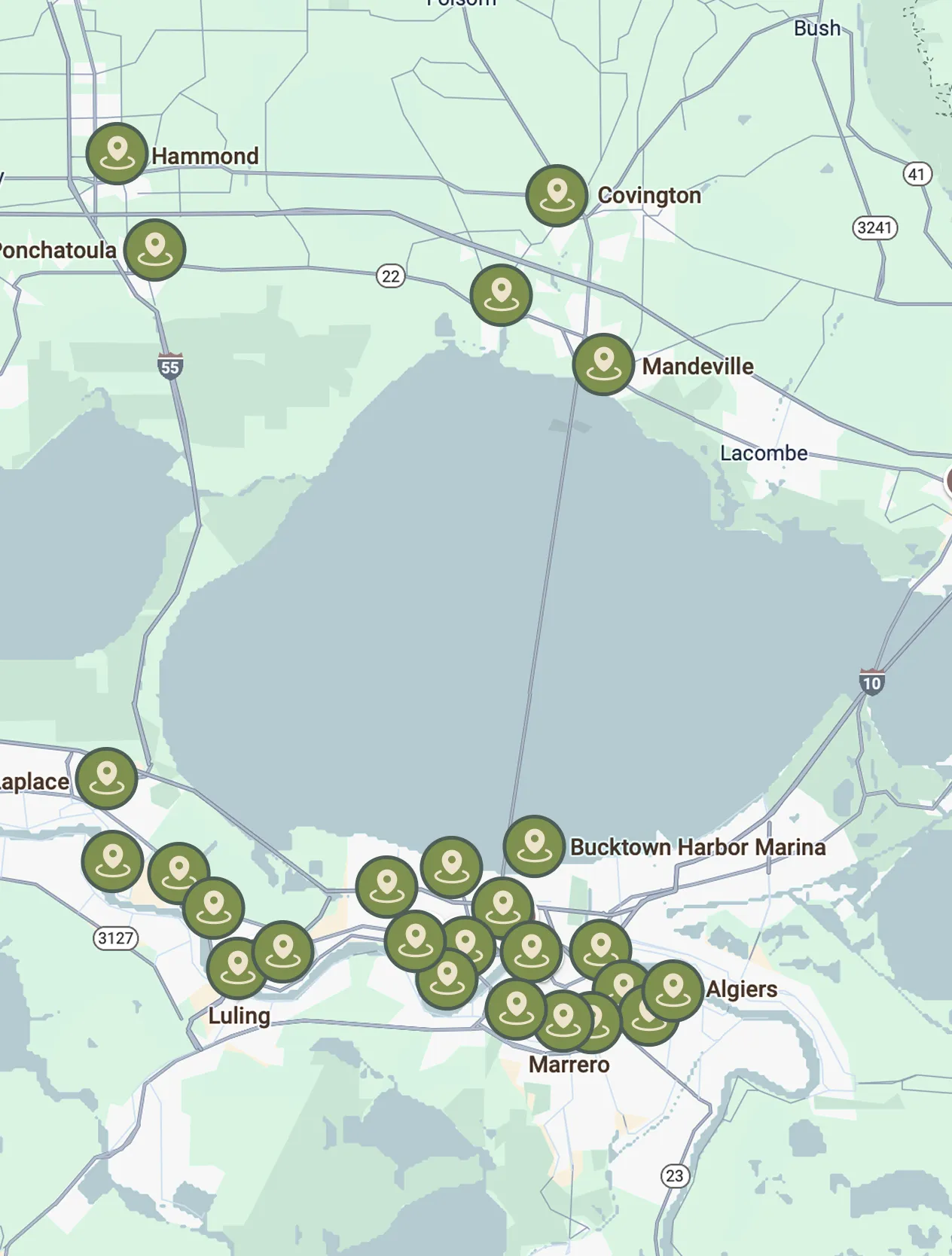
Our service areas are designed to meet the diverse needs of our clients. We focus on providing exceptional service and ensuring customer satisfaction in every location we operate.