Air Quality Testing in Norco, LA
.webp)
For Norco, LA residents concerned about indoor air quality, Cypress Cooling offers comprehensive testing services. We assess for a range of pollutants, including mold, VOCs, particulate matter (PM2.5/PM10), carbon monoxide, and allergens. Our approach combines outdoor baseline measurements, targeted sampling, and on site instrumentation to pinpoint sources and potential health hazards. We don't just give you data; we provide practical, step by step guidance for remediation, covering everything from ventilation improvements and filtration upgrades to dehumidification and mold remediation when necessary. Regular air quality testing from Cypress Cooling helps create safer, more comfortable homes and protects your property from moisture related damage, giving you long term peace of mind.
Air Quality Testing in Norco, LA
Indoor air quality testing is the practical first step when you suspect your home’s air may be affecting health, comfort, or property. In Norco, LA, high humidity, frequent storms, and proximity to the Mississippi River industrial corridor can create conditions that increase mold growth, boost indoor humidity, and allow volatile organic compounds and fine particulates to infiltrate living spaces. Professional residential indoor air quality testing identifies what is present, where it is coming from, and which fixes will have the biggest impact on your household’s safety and comfort.
Common indoor air quality concerns in Norco homes
- Mold and mildew growth: Warm, humid summers and occasional flooding increase the risk of visible and hidden mold in wall cavities, attics, and crawlspaces.
- High indoor humidity: Persistent humidity above 50% encourages dust mite proliferation and mold growth, and makes homes feel uncomfortable.
- Volatile Organic Compounds (VOCs): Persistent odors or chemical smells, and potential intrusion of industrial emissions or vehicle exhaust, raise concern for VOC exposure.
- Particulate matter (PM2.5 and PM10): Outdoor smoke, industrial emissions, and road dust can enter homes and contribute to respiratory irritation.
- Carbon monoxide (CO) and combustion byproducts: Faulty appliances, poor venting, or blocked flues can create dangerous CO exposure.
- Allergens: Pollen, pet dander, and dust mites are common triggers for seasonal or perennial allergies.
Types of tests offered
- Particulate counts: Real-time measurement of airborne particles (PM2.5 and PM10) to quantify fine and coarse particulates inside living areas.
- Mold and mildew sampling: Air samples (spore traps) and surface swabs or tape lifts to identify species, relative concentrations, and likely sources.
- VOCs sampling: Sorbent tube sampling or evacuated canisters analyzed for common VOCs (including benzene, toluene, and other compounds) to detect chemical exposures.
- Carbon monoxide (CO) monitoring: Instant-read meters and time-weighted monitors to identify acute CO spikes and persistent low-level leaks.
- Temperature and humidity logging: Continuous monitors to document moisture trends that support mold growth and discomfort.
- HVAC and duct assessment: Visual inspection and targeted sampling of ducts and filters when system-related contamination is suspected.
On-site assessment and sampling process
- Initial walkthrough and history: The technician documents occupant symptoms, known water events, appliance history, and visible problem areas.
- Baseline outdoor sampling: Outdoor air samples establish a reference point so indoor concentrations can be compared to what is entering from outdoors.
- Targeted sampling plan: Based on the walkthrough, technicians select sampling locations (bedrooms, living areas, attic, crawlspace, near combustion appliances).
- Instrument deployment: Use of calibrated instruments: optical particle counters for particulates, spore traps for mold, sorbent tubes or canisters for VOCs, and CO meters for combustion gases. Humidity and temperature loggers are placed for multi-day reads if needed.
- Chain-of-custody and lab submission: Collected samples are documented and sent to accredited labs for analysis when required (e.g., VOC and culture-based mold results). On-site instrument results are recorded and reviewed immediately where appropriate.
- Preliminary findings and next steps: Technicians note immediate safety concerns (e.g., dangerously high CO) and provide a prioritized plan for remediation and verification sampling.
How results are interpreted
- Indoor readings are reviewed relative to outdoor baselines, widely accepted health guidance, and typical residential ranges. For particulate pollution and VOCs, comparisons to outdoor levels clarify whether the issue is internal (sources inside the home) or external infiltration.
- Mold results emphasize species mix and relative concentrations; indoor counts higher than outdoor counts, or dominance of certain species, often indicates an indoor source.
- CO readings are assessed against public health action levels; any confirmed CO presence warrants immediate attention.
- Reports include clear summaries, graphs of time-based measurements (humidity or CO spikes), and a plain-language explanation of which findings represent acute hazards versus chronic concerns.
Recommended remediation and system upgrades
- Source control: Fix leaks, dry and repair water-damaged materials, and remove mold-contaminated materials where necessary. Address plumbing, roof, or foundation issues that lead to moisture intrusion.
- Improve ventilation: Increase fresh-air exchange using mechanical ventilation, exhaust fans, or HRV/ERV systems suited to local humidity conditions to reduce indoor pollutant buildup without introducing excess outdoor humidity.
- Upgrade filtration: Install or upgrade to higher-efficiency HVAC filters (appropriate MERV rating) and consider portable HEPA air cleaners for rooms with persistent particulates or allergens.
- Dehumidification: Use whole-house dehumidifiers or point-of-use units to maintain indoor relative humidity between 40–50% to inhibit mold and dust mites.
- HVAC servicing and duct sealing: Regularly inspect, clean, and maintain heating and cooling systems; seal and insulate ducts to prevent infiltration of dust and outdoor pollutants.
- Combustion appliance repair and CO prevention: Service furnaces, water heaters, and other combustion appliances; ensure proper venting and install CO alarms certified to current standards.
- Professional mold remediation: For significant mold contamination, licensed remediation using containment, HEPA filtration, and safe removal of affected materials is recommended.
Turnaround times, follow-up verification testing, and what to expect
- Lab turnaround: On-site instrument data is available immediately; lab-based results (mold cultures, VOC analysis) commonly require several business days to a week depending on the test and lab workload.
- Remediation timeline: Immediate safety hazards (like CO) should be addressed right away. Mold remediation and system upgrades will vary by scope; many household fixes are completed within days, larger repairs may take longer.
- Verification testing: After remediation, follow-up testing confirms that contaminant levels have returned to acceptable ranges. Verification is typically scheduled after repairs and drying are complete—often 1–4 weeks later—so environmental conditions stabilize. Reports include before-and-after comparisons to document improvement.
Long-term benefits and maintenance tips for Norco residents
Regular testing and targeted upgrades reduce health risks, improve comfort, and protect property value. In Norco, proactive humidity control, attention to appliance combustion safety, routine HVAC maintenance, and seasonal checks after heavy storms or flooding significantly lower the likelihood of recurring issues. Simple ongoing practices—maintaining dehumidifiers, changing filters, drying wet areas promptly, and monitoring for unusual odors or symptoms—help preserve indoor air quality between professional assessments.
Professional indoor air quality testing gives Norco homeowners clear, evidence-based guidance on what to fix and why, so remediation work and system investments deliver measurable results for health, comfort, and peace of mind.
OUR CLIENTS HAVE TO SAY ABOUT US



Service areas
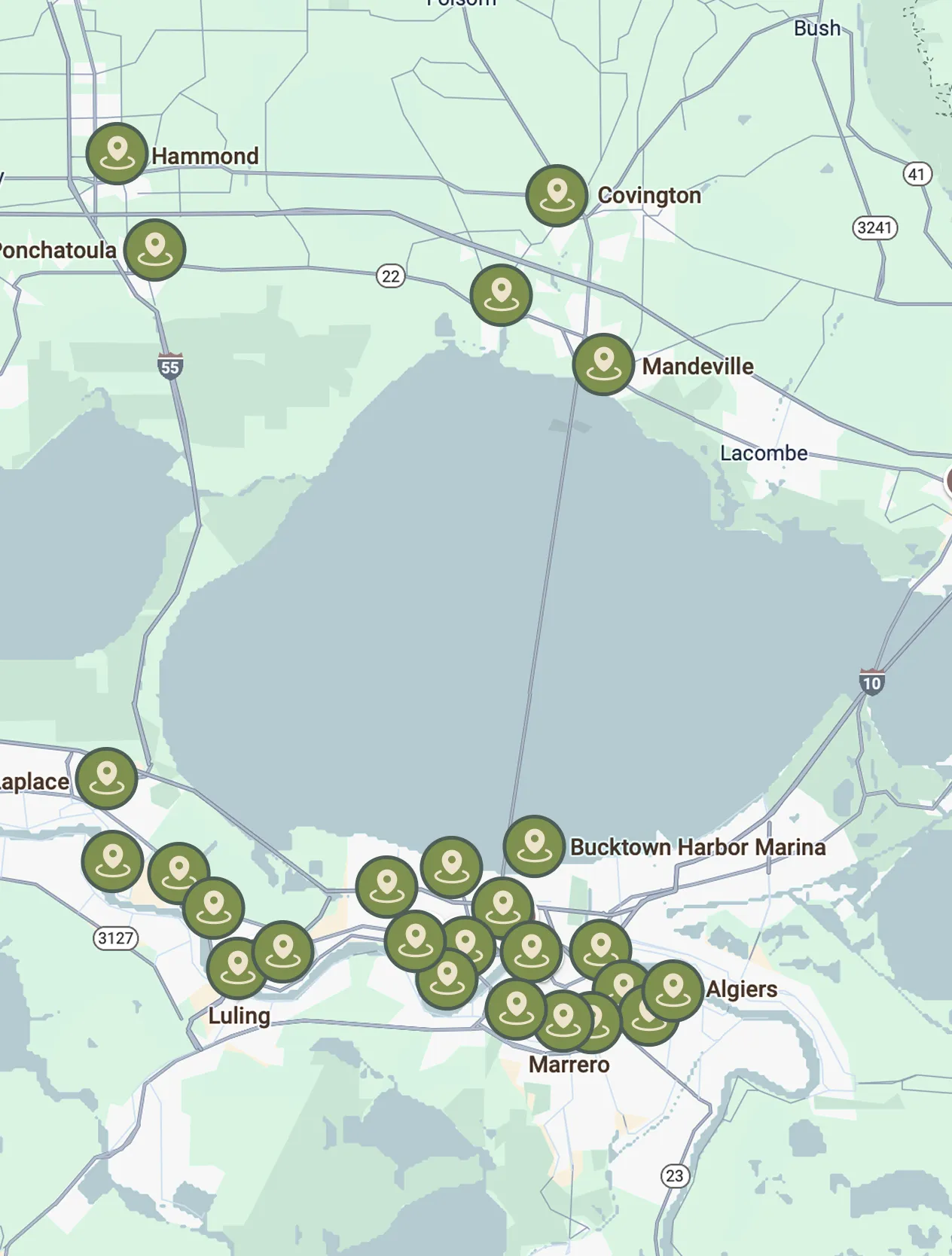
Our service areas are designed to meet the diverse needs of our clients. We focus on providing exceptional service and ensuring customer satisfaction in every location we operate.