Air Quality Testing in Montz, LA
.webp)
For residents of Montz, LA, Cypress Cooling offers a comprehensive overview of indoor air quality testing, detailing the contaminants assessed, including PM2.5, PM10, mold spores, VOCs, CO2, temperature, and humidity. Our guide explains the onsite inspection process, interpretation of results in the local context, common contamination sources, and recommended remediation strategies such as HEPA filtration, HVAC upgrades, UV lamps, dehumidification, and source control. Cypress Cooling also provides detailed reporting, follow up packages, and emphasizes the importance of timely testing for both health and property protection.
Air Quality Testing in Montz, LA
Indoor air quality testing in Montz, LA is essential for homeowners and property managers who notice persistent odors, allergy symptoms, or after flood and storm events. Montz’s humid subtropical climate, frequent summer humidity, and proximity to river-parish industrial corridors make homes here especially vulnerable to mold growth, elevated VOCs, and pollen or particulate infiltration. This page explains what comprehensive indoor air quality (IAQ) testing covers, how on-site diagnostics work, how results are interpreted, common contamination sources in Montz homes, remediation options (filtration, UV, dehumidification), and what to expect from reporting and follow-up packages.
What contaminants are tested
Comprehensive IAQ testing evaluates the key indoor pollutants that affect health and comfort. Typical measurements include:
- Particulates (PM2.5 and PM10) — airborne dust, smoke, and fine particles that aggravate asthma and respiratory conditions.
- Mold spores and fungal indicators — airborne spore counts and surface samples to detect active mold growth.
- VOCs (volatile organic compounds) — chemicals from paints, solvents, cleaning products, building materials, and industrial emissions.
- Carbon dioxide (CO2) — a proxy for ventilation effectiveness and indoor occupancy-related air quality.
- Temperature and relative humidity — conditions that influence comfort, mold risk, and dust mite activity.
Testing may combine real-time instruments for immediate readings and collected samples sent to accredited labs for detailed analysis, especially for mold species and VOC speciation.
On-site testing process and equipment used
A standard on-site IAQ assessment follows a structured diagnostic approach to capture representative conditions in your home:
- Initial walkthrough — document building layout, recent water events, HVAC type, visible mold, and occupant complaints. This contextual information guides where to sample.
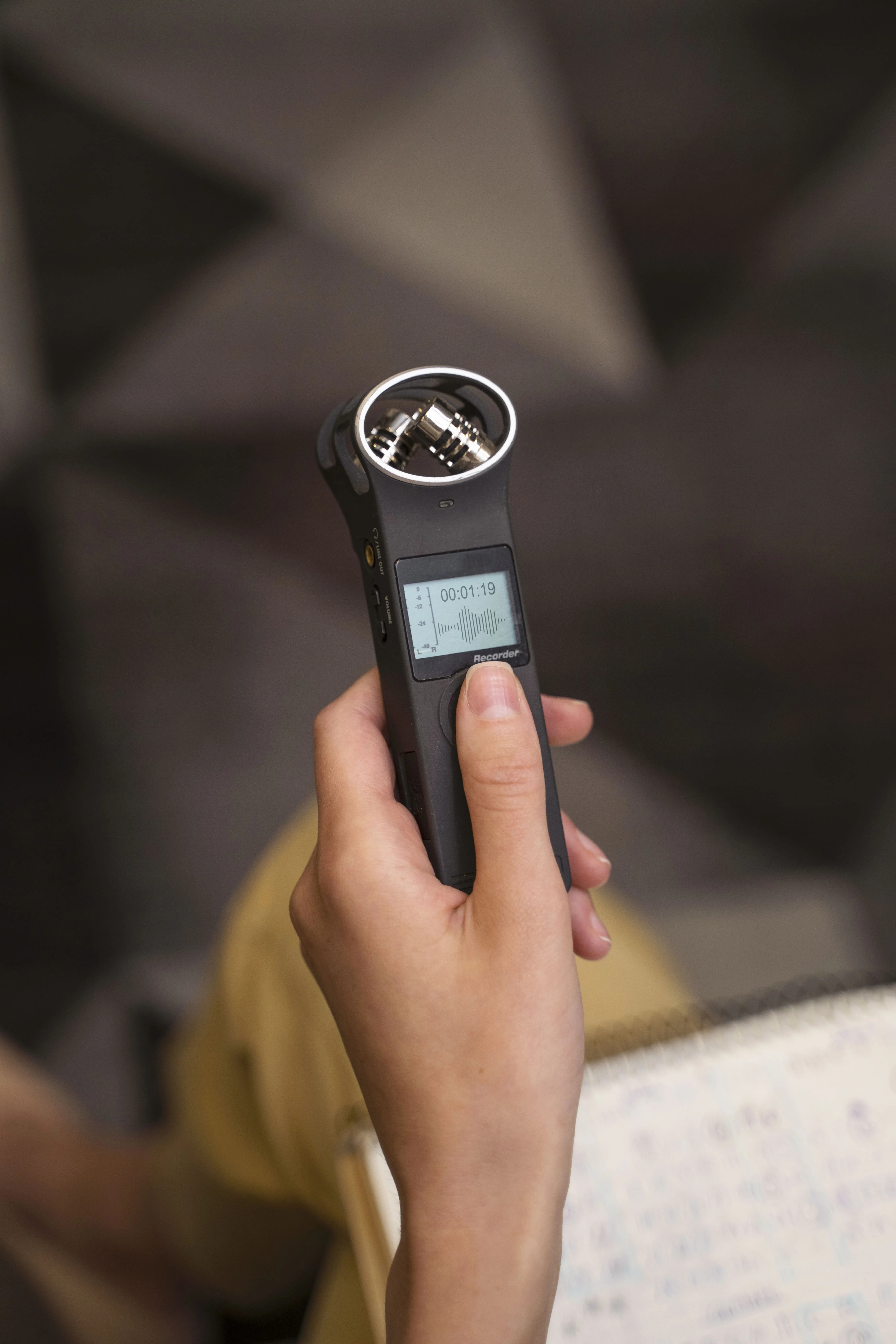
- Real-time monitoring — portable instruments measure particulates (optical particle counters), CO2 monitors, temperature and humidity sensors, and photoionization detectors (PID) for broad-range VOC screening. These give immediate insight into problem areas and trends.
- Targeted sampling — air samples (spore traps for mold), surface swabs/tape lifts, and bulk material samples may be collected. VOC samples for laboratory GC/MS analysis are taken when initial screening indicates elevated chemical loads.
- Data logging — continuous monitors may be deployed for 24–72 hours to record fluctuations with occupancy, HVAC cycles, or outdoor weather conditions.
Equipment typically used includes handheld particle counters, CO2 and RH data loggers, PID meters for VOC screening, spore traps for airborne fungal sampling, and specialized kits for lab-submitted VOC and microbial analyses.
How results are interpreted
Raw numbers are translated into actionable findings using established guidelines and local context. Interpretation considers:
- Baseline and comparative data — indoor vs outdoor particle counts, indoor vs outdoor spore profiles, and seasonal expectations for Montz (higher mold risk in humid months).
- Ventilation indicators — sustained CO2 elevations suggest inadequate fresh air exchange; commonly, levels repeatedly above about 1000 ppm point to ventilation issues.
- Humidity targets — relative humidity consistently above 60% increases mold and dust mite risk; recommended targets are generally 30–50% for comfort and control.
- VOCs and source identification — lab VOC speciation can identify specific chemicals (for example, solvents or gasoline-related compounds) and help trace likely sources such as off-gassing materials or nearby industrial emissions.
Reports explain results in plain terms, prioritize health risks, and differentiate between nuisance levels and conditions likely to require professional remediation.
Common problem sources in Montz, LA
Local factors shape typical IAQ problems in Montz homes:
- High indoor humidity and past flood or storm water intrusion promote hidden mold in walls, ceilings, crawlspaces, and attics.
- Proximity to industrial corridors and roadways can increase VOC and particulate infiltration, particularly in older homes with less airtight envelopes.
- Aging HVAC systems with poor filtration or dirty coils circulate contaminants and harbor microbial growth on coils or drip pans.
- Household activities and storage — cleaning products, solvents, paints, and stored fuels can create VOC hotspots indoors.
Identifying these sources during the inspection is key to effective remediation.
Recommended remediation options
Once testing pinpoints problems, common and effective remediation strategies include:
- HEPA air filtration — portable HEPA units reduce airborne particulates and spores, providing rapid relief while source control is addressed.
- HVAC filtration upgrades — moving to higher-efficiency media (for example, MERV 13 where compatible) and ensuring regular filter maintenance improves overall air cleanliness.
- UV germicidal lamps — UV-C installed in HVAC systems can reduce microbial growth on coils and in ductwork when used as part of a comprehensive program; note that UV is not a standalone fix for active mold infestations.
- Dehumidification — whole-house or targeted dehumidifiers maintain relative humidity in the recommended range to slow mold and dust mite proliferation.
- Source control and remediation — removing or repairing water-damaged materials, addressing leaks, improving crawlspace drainage, and replacing contaminated insulation or drywall as needed.
- Ventilation improvements — balanced mechanical ventilation or strategic use of outdoor air exchange reduces CO2 buildup and dilutes indoor contaminants.
Remediation recommendations are tailored to the severity and sources identified during testing and often combine multiple strategies for long-term effectiveness.
Reporting, follow-up services, and packages
Comprehensive service packages for Montz homes are typically structured to match need and severity:
- Basic Indoor Air Scan — walkthrough, real-time readings (CO2, RH, particulates), and a summary report with prioritized recommendations.
- Comprehensive IAQ Assessment — full real-time monitoring, multiple air and surface samples with lab analysis (mold speciation, VOC GC/MS), and a detailed remediation plan addressing sources and HVAC improvements.
- Post-Remediation Clearance — follow-up sampling and reporting to verify that remediation and HVAC changes restored acceptable IAQ levels.
Logistics commonly include estimated on-site time (a few hours for scans, half to full day for comprehensive assessments), lab turnaround for sample analysis (often 5–10 business days), and a final written report that explains findings, health implications, and prioritized solutions. Follow-up testing schedules are recommended based on interventions — immediate clearance testing after remediation, and seasonal reassessments if humidity or outdoor pollutants are ongoing concerns.
Why timely testing matters
Prompt indoor air quality testing in Montz addresses health risks before they become entrenched problems. Early detection of mold, VOCs, or ventilation failures reduces health impacts, limits property damage, and helps you choose the most cost-effective remediation. With Montz’s humidity and potential for storm-related water intrusion, periodic IAQ checks after storms or when occupants develop unexplained symptoms are a prudent part of home stewardship.
If you are evaluating IAQ options for your Montz property, understanding the testing process, what contaminants will be measured, and the remediation pathways available will help you make informed, effective decisions to protect occupant health and preserve your home.
OUR CLIENTS HAVE TO SAY ABOUT US



Service areas
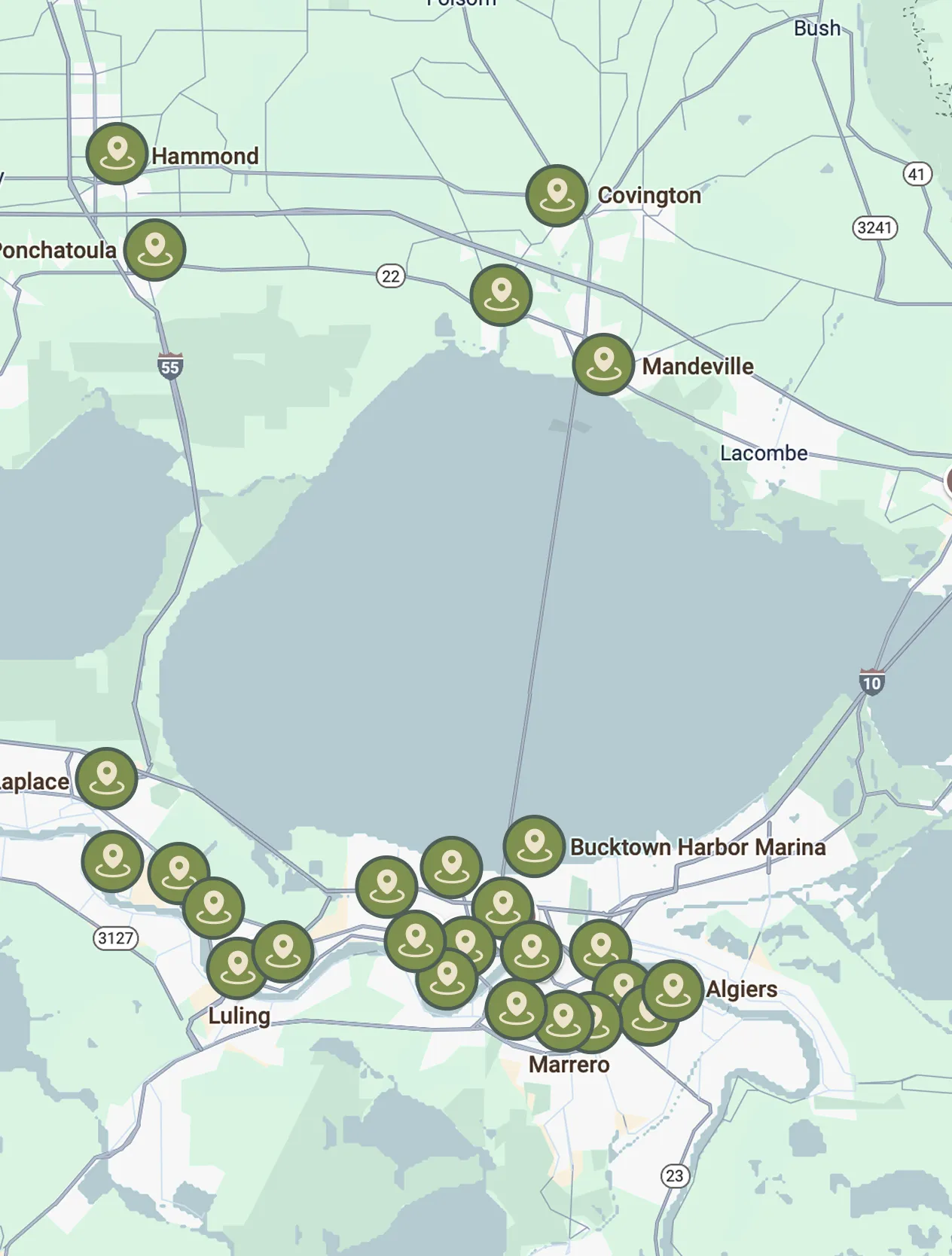
Our service areas are designed to meet the diverse needs of our clients. We focus on providing exceptional service and ensuring customer satisfaction in every location we operate.